
By Armin Sijamić
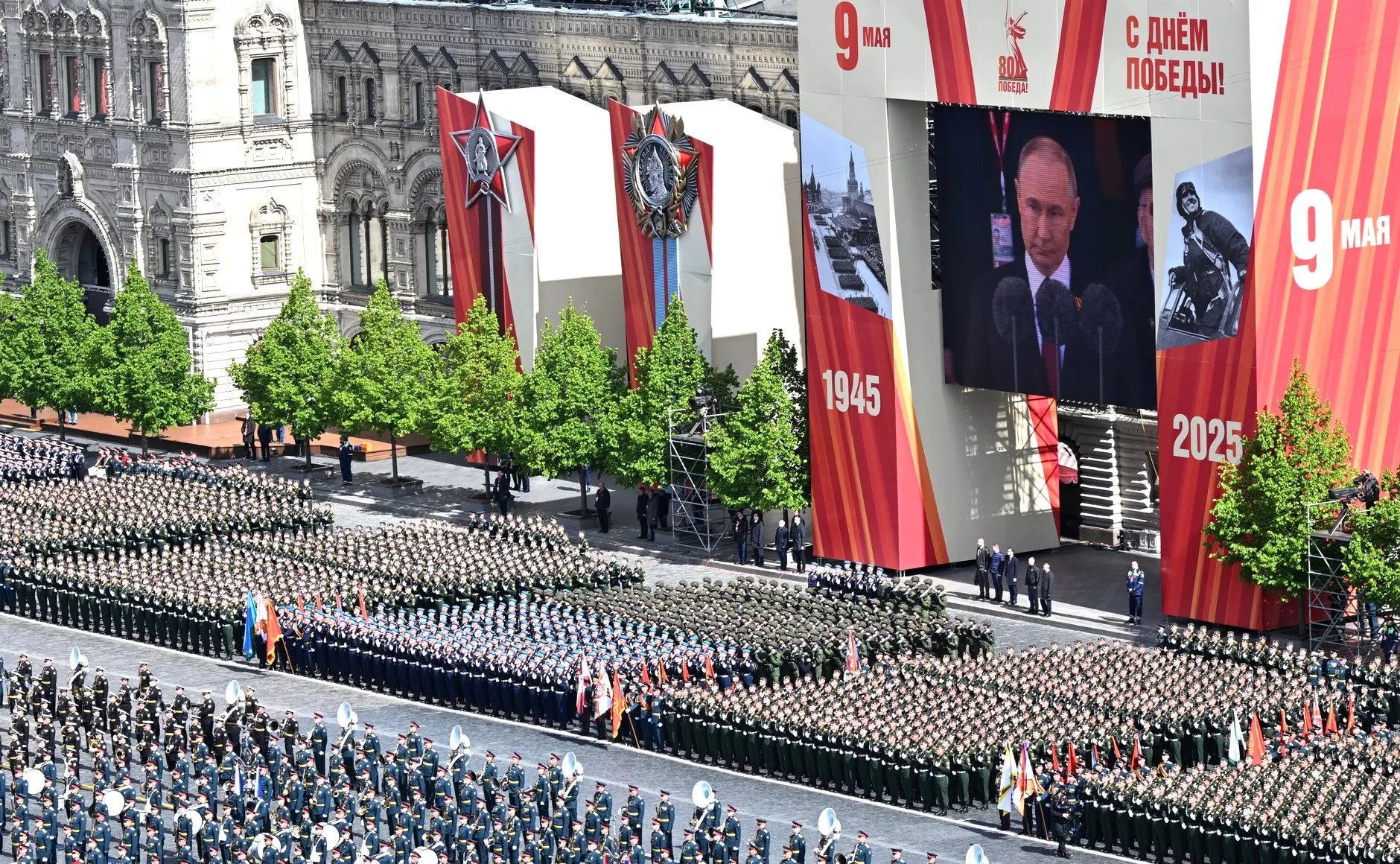
Today's military parade in Moscow on the occasion of the eightieth anniversary of the victory in World War II served Russian President Vladimir Putin to further free himself from Western pressure and to attract more foreign state delegations compared to the previous two.
Russia's aggression against Ukraine has changed Moscow's positions. Russia was isolated in the West and in a large part of the world. Since then, Putin has been fighting to break the blockade and strengthen his position, even though he is on the wanted list of the International Criminal Court in The Hague for war crimes in Ukraine.
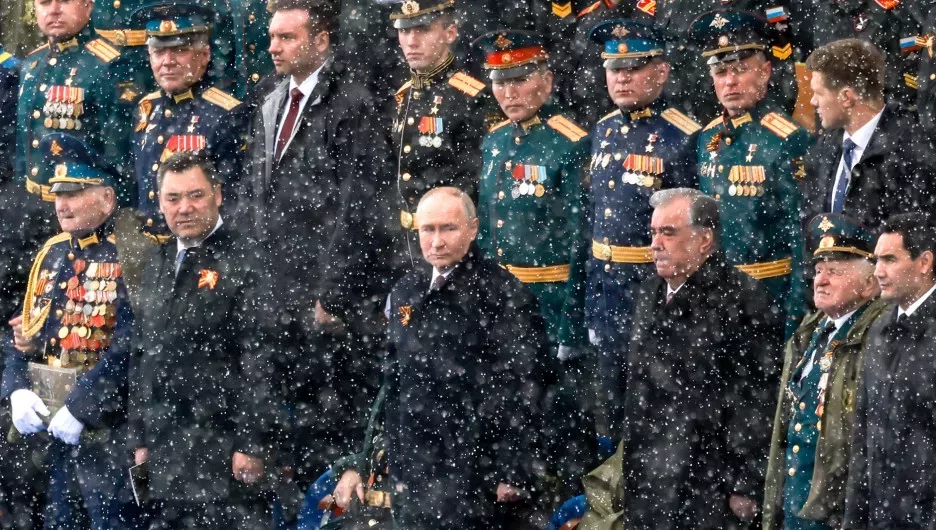
The isolation was vividly shown by the 2023 parade, when Putin, on one of the most significant days in Russian history, hosted the leaders of Belarus, Armenia, Kazakhstan, Kyrgyzstan, Uzbekistan, and Tajikistan, and when only one tank from World War II was in the parade.
Compared to previous years, this was a major defeat for Putin, as he did not have numerous guests, and modern Russian combat systems did not parade through Red Square as they had before. It was as if all available forces were engaged in Ukraine and deployed to duty across Russia at that time.
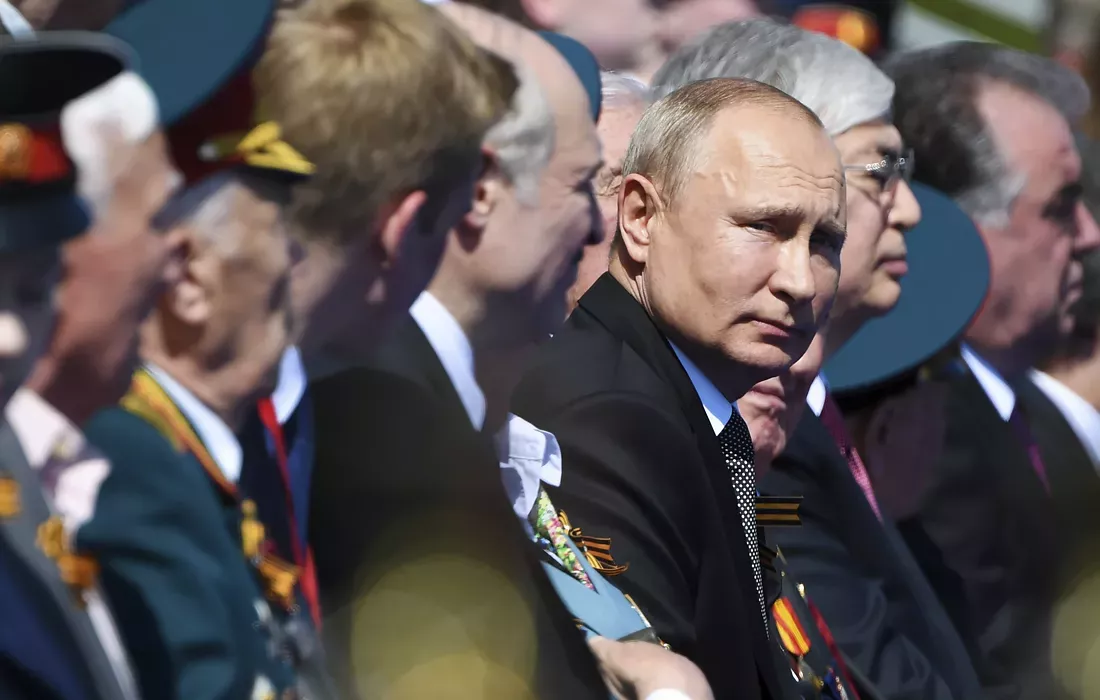
A year later, Putin had more success. The list of leaders who came to the parade has increased. This time, compared to the previous parade, the leaders of Armenia did not come, but along with those who were there again, the list was expanded to include the leaders of Turkmenistan, Cuba, Laos, and Guinea-Bissau.
However, even then, it could be said that Putin was in international isolation. The guest list was not impressive, and the military parade was significantly more modest than in the years before the aggression against Ukraine.
From BRICS to Trump
By the end of 2024, Putin's position is changing. The list of his interlocutors is longer, and it does not include many important Western countries. Moreover, relations with some of them barely existed.
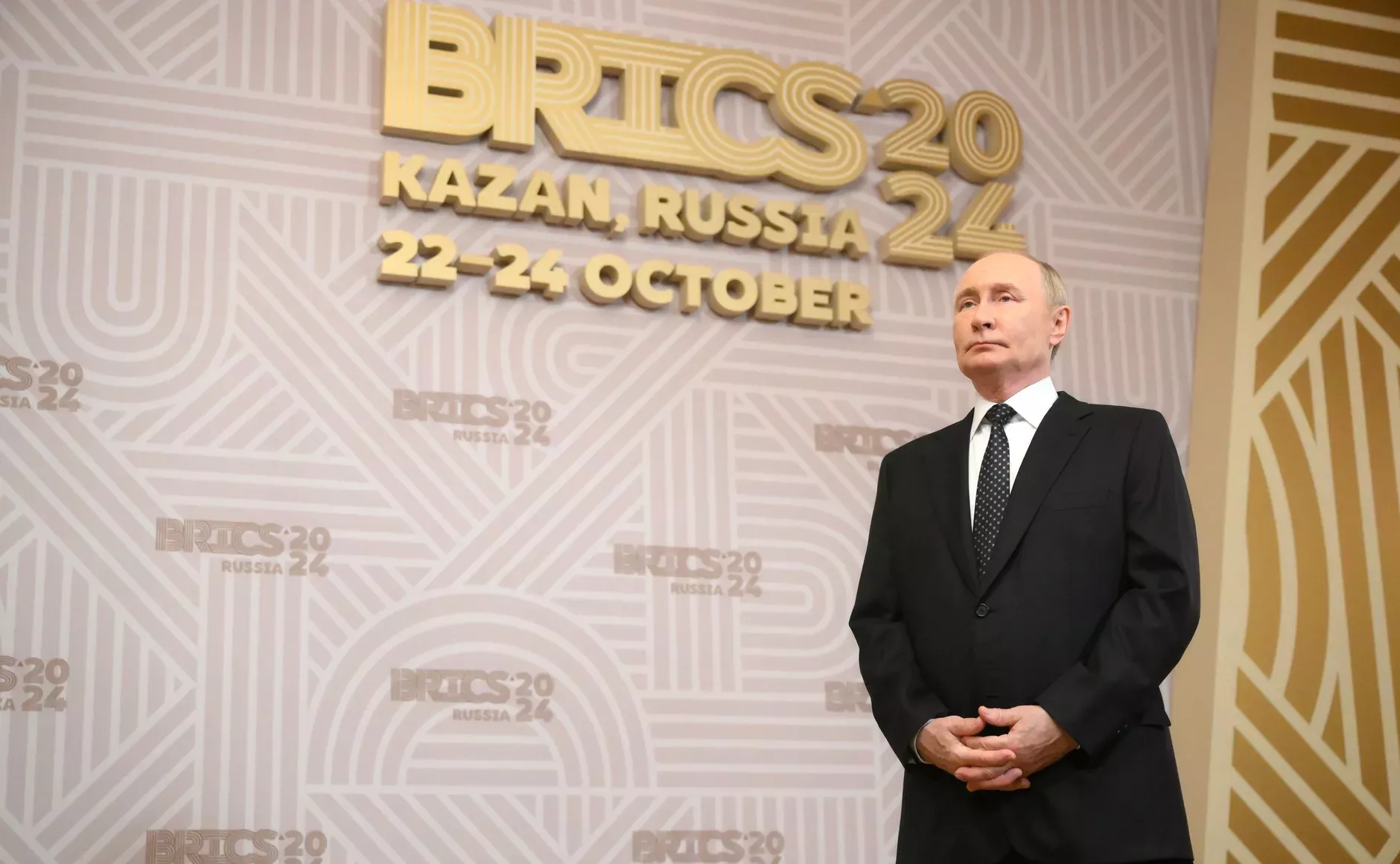
At the end of October, Putin hosted the sixteenth BRICS summit. On that occasion, he hosted dozens of leaders from around the world. High-level delegations from China, India, South Africa, Brazil, Iran, the United Arab Emirates, Saudi Arabia, Egypt, Ethiopia, and Turkey arrived in Kazan...
The guests did not come to Kazan to defy the West or to submit to Putin. They were connected, mostly, by economic interest and, for some of them, by a determination to say that they are not ready to continue taking sides in the conflict between the Kremlin and the West. Putin did not receive their consent to create a new global financial system to replace the existing one established after World War II and dominated by Washington. The West has not kept Russia and Putin in complete isolation since then.
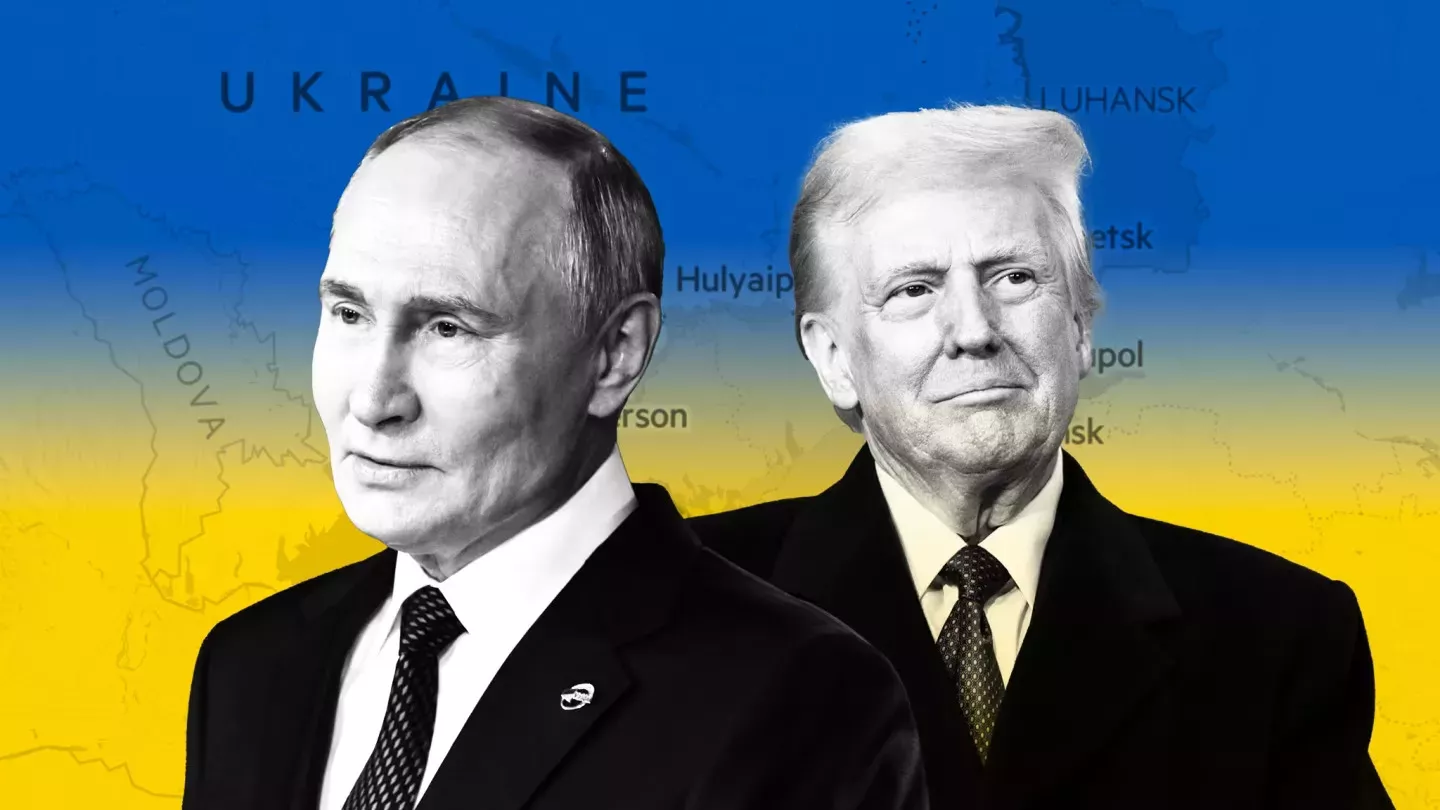
The war in Ukraine continued to change the world. With Donald Trump's return to the White House, the West is experiencing various turns. Trump blamed Ukraine for the war, claiming that Kyiv was misusing American money and that Europe was not following Washington in financing this war.
Trump went further. He initiated talks with the Russians. They discussed lifting sanctions on Russia and the joint development of various economic sectors. Essentially, this is choosing Putin over many European leaders.
Parade with Guests from Around the World
This year's parade served Putin as an opportunity to increase the number of his interlocutors. According to Russian media, 29 delegations attended, including Slovakia – a member of NATO and the European Union. Among these 29 are the internationally unrecognized South Abkhazia and Ossetia. In addition to the usual guests from the states formed after the collapse of the USSR, Russian media reported, there were also leaders from Bosnia and Herzegovina, Brazil, Burkina Faso, China, Congo, Cuba, Equatorial Guinea, Ethiopia, Guinea-Bissau, Laos, Mongolia, Myanmar, Palestine, Serbia, Venezuela, Vietnam, and Zimbabwe.
Regardless of Putin's talk about fighting Nazism, the parade primarily aimed to gather those willing to choose Moscow over the West. A good example is Serbian President Aleksandar Vučić, a long-time favorite of the West and a supposed guarantor of stability in the former Yugoslavia. Vučić went to Moscow to gain support for his policies, work on strengthening ties with Russia, and defy the West, all after meeting with European Commissioner for Enlargement Marta Kos and attempting to reach Trump in still unexplained events in Florida.
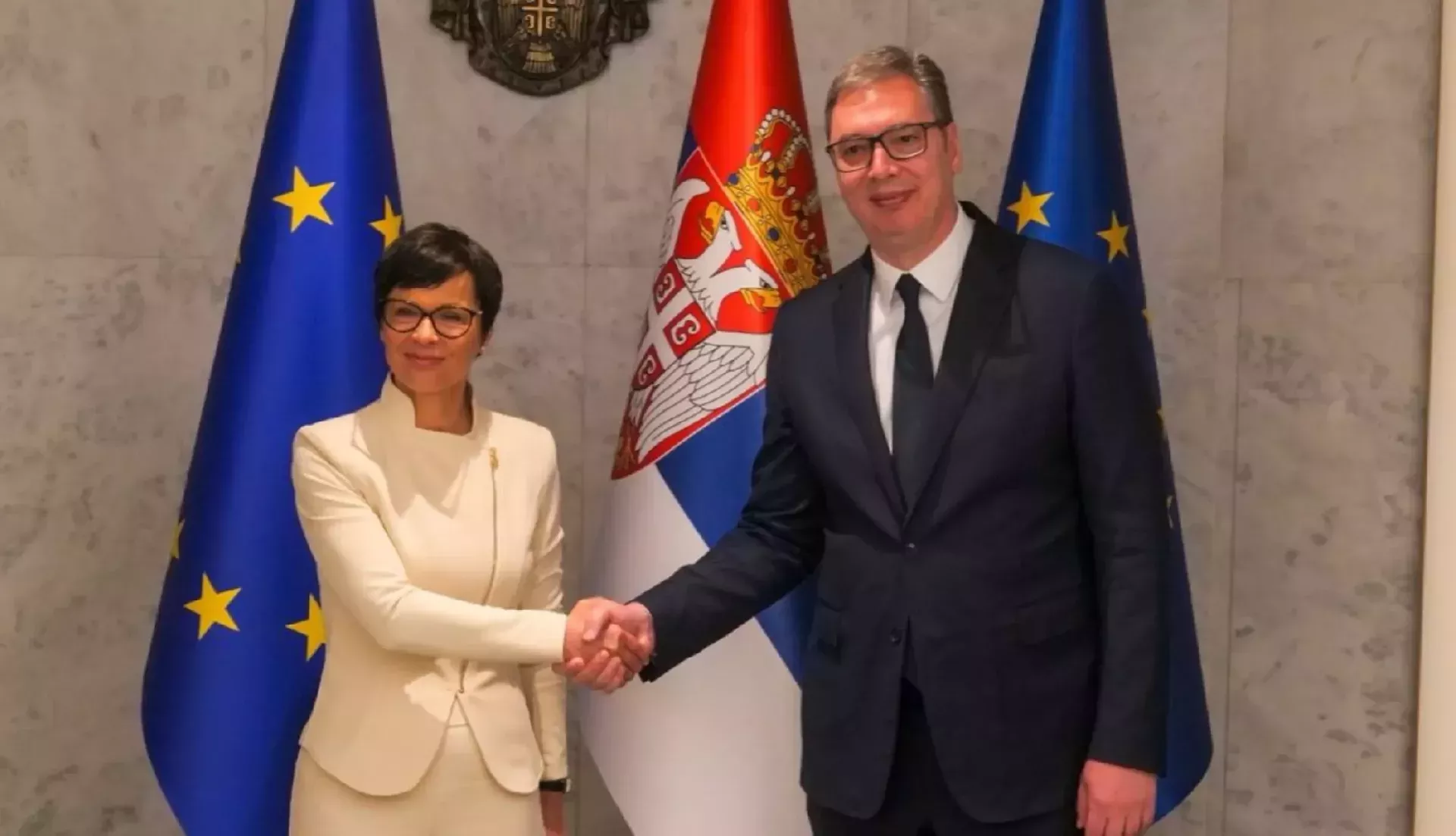
Vučić's presence at the commemoration of the victory over the Nazis would be commendable if it were sincere and if he were convinced of who was on the right side in World War II. In Serbia, Chetniks who fled with the Ustaše in 1945 from the Red Army and Yugoslav partisans are being rehabilitated and celebrated. Vučić's presence at the parade in Moscow might encourage regime historians in Serbia to explain why the Chetniks were "anti-fascists" fleeing from Soviet and Yugoslav anti-fascists.
Vučić is not the only one among Putin's guests who could answer similar questions. Putin should ask guests from Myanmar, for example, about their attitude towards Rohingya Muslims. Those from Ethiopia about their role in dividing neighboring Somalia. His frequent guest Milorad Dodik, he could ask about his attitude towards Muslims, Bosniaks, war criminals, respect for the law... And then ask them all if this is in the spirit of fighting Nazism.
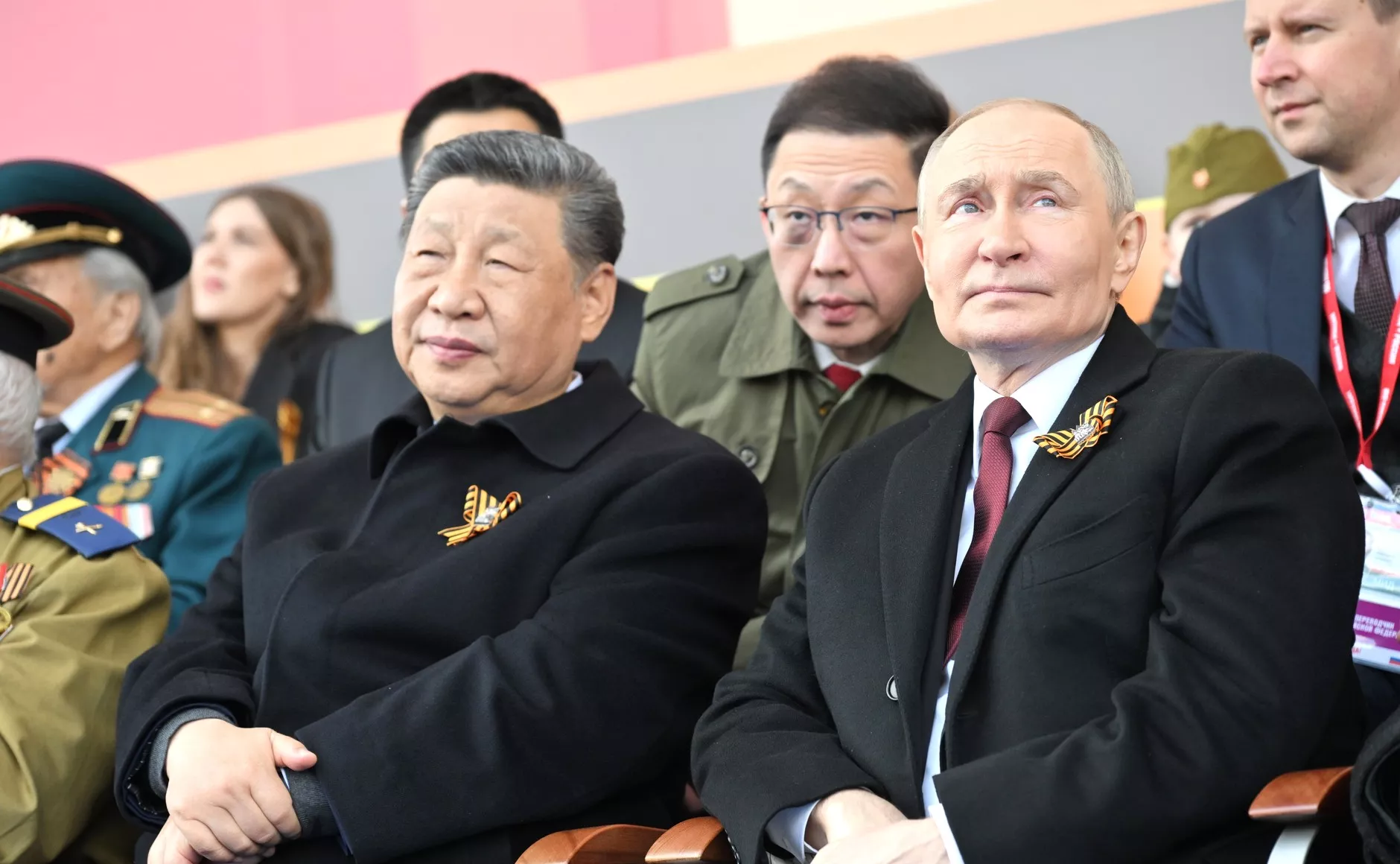
This year's parade was significantly larger than in previous years. Media reports indicate that about eleven thousand Russian soldiers participated. Along with them were soldiers from thirteen countries, including Chinese, who were there for the first time since 2015. Russian media report that there were three times more vehicles in Red Square this year than last year, and a novelty is the drones used in the war against Ukraine. Russian ballistic missiles, artillery, and tanks were again displayed...
Today, Putin once again sent a message to the West and the world, especially about Ukraine. He justified the aggression against this country in his speech today, trying to establish a connection with Moscow's policy in World War II. It was a message that Russia considers it has the right to invade a neighboring country. To make matters more tragic and grotesque, Putin said yesterday that a time is coming in the world when the role of the United Nations and international law will grow.
Komentari (0)
Prijavite se za komentiranje
PrijavaJos nema komentara. Budite prvi!
Minuta
Sve →Iz drugih kategorija

High Representative Not Elected: Germans, French and British Sabotaged Americans, New Attempt at End of June

ČOVIĆ WITHOUT MERCY: How Those Who Brought Ademović to Office Created a Political Hell for Him



Sunny Saturday, quite warm



Tragedy in Albanian resort: Two minors drown












