
By Armin Sijamić
The attack by the United States and Israel on Iran on the last day of last month is an event after which the Middle East will never be the same.
On Friday, Omani Foreign Minister Badr Albusaidi, who mediated talks between the United States and Iran, said that Tehran had committed to "never possess nuclear material capable of producing a bomb" and that a "peace agreement is within reach." Albusaidi said this in an interview with CBS News after meeting with US Vice President J.D. Vance in Washington. According to him, Iran has agreed to things it did not agree to in negotiations with the Barack Obama administration.
Hours later, US President Donald Trump ordered surprise attacks on Iran, the second time in seven months and again while talks between the two sides were ongoing. In the first instance, Israel attempted to assassinate Iran's chief nuclear negotiator, and now they have killed Iran's supreme leader, Ayatollah Ali Khamenei, at the age of 86.
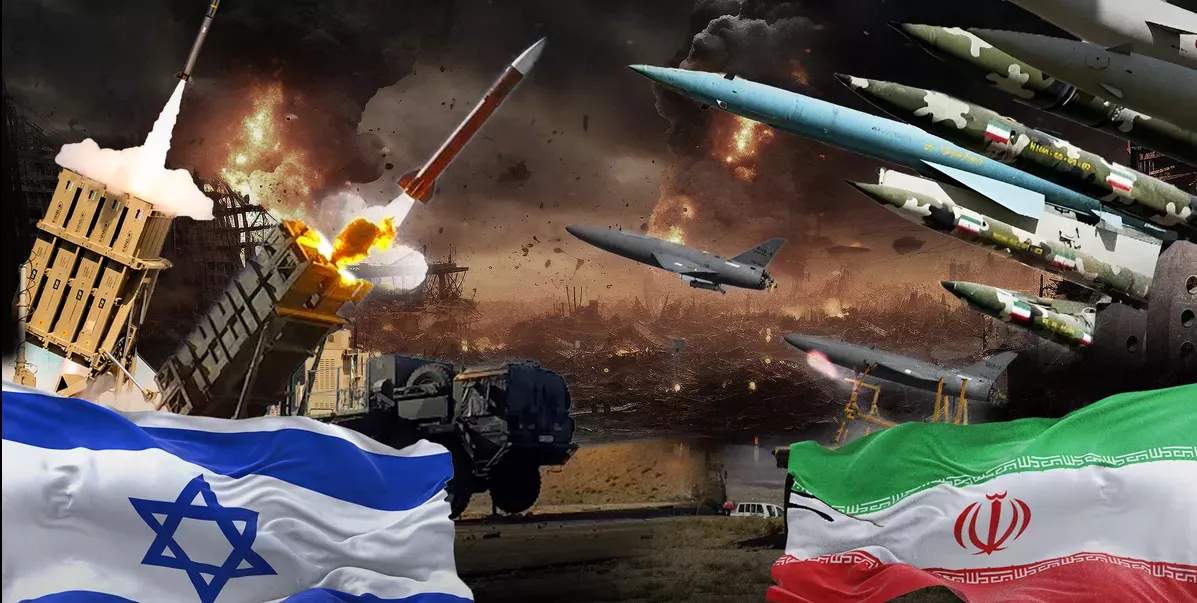
Therefore, Trump's claims about the reasons for attacking a sovereign state should not be taken seriously, as it is clear that it is solely about the interests of Washington and Israeli Prime Minister Benjamin Netanyahu to destroy a country that refuses to submit to them, and which they recently failed to break through protests.
Why now?
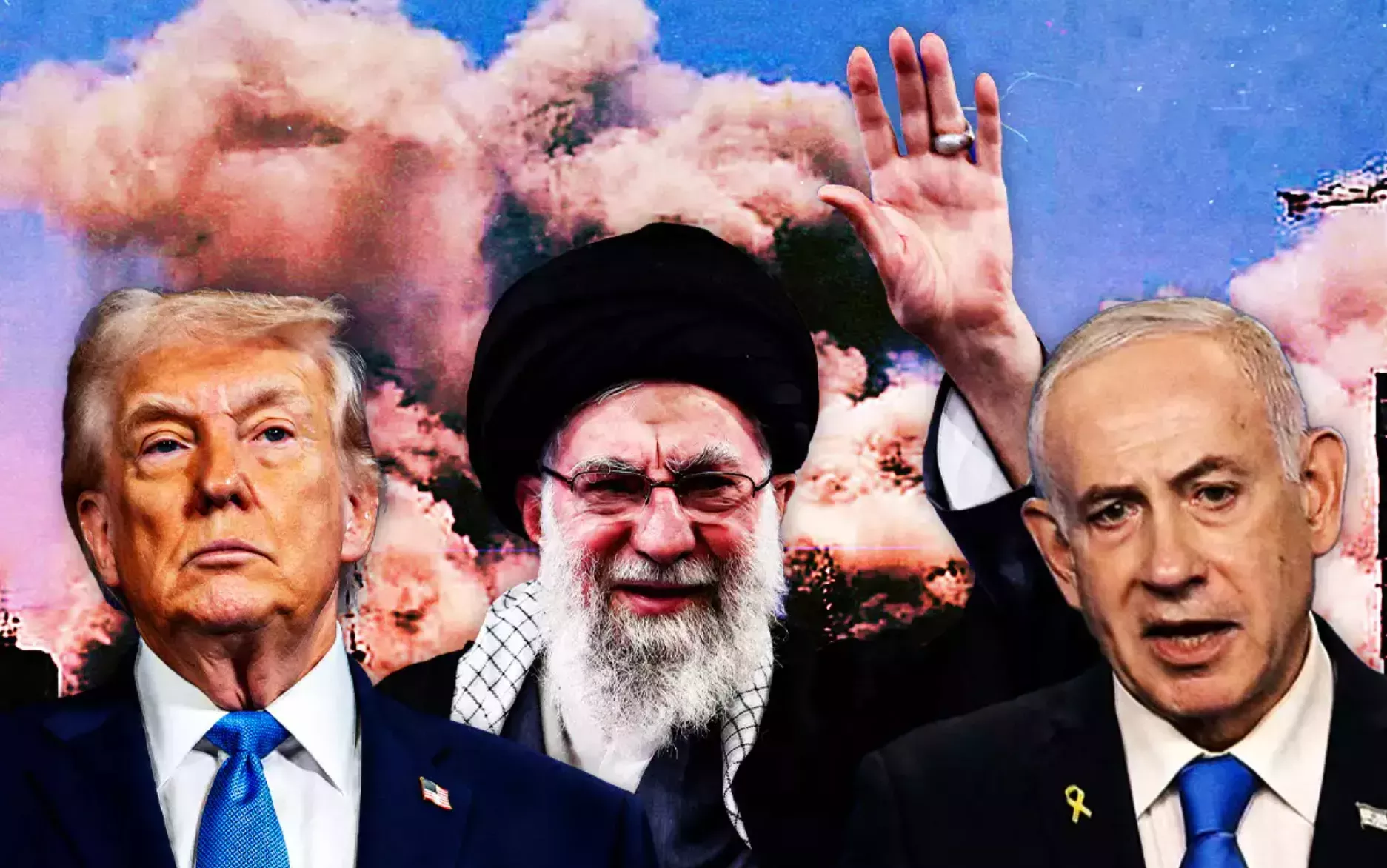
However, it is important to address the timing of the attack on Iran and the assassination of the spiritual leader of hundreds of millions of Shiites. The attack occurred during Ramadan, before the important Iranian holiday of Nowruz, and shortly before the Jewish holiday of Purim. Ali, the first imam whom Shiites follow, was also killed during Ramadan.
The symbolism of the attack was also discussed by the American and pro-Israeli CNN. Reporter Tal Shalev states: "'2,500 years ago, in ancient Persia, a tyrant rebelled against us with the same goal, to completely destroy our people,' Netanyahu said about the story unfolding in today's Iran. 'And today, on Purim, fate also fell, and in the end, this evil regime will fall.'"
A day later, Israel's Ambassador to the United Nations, Danny Danon, also spoke about Purim in the context of the attacks by the United States and Israel on Iran.
A day later, US Secretary of War Pete Hegseth, who has the Crusades slogan against Muslims tattooed on his right arm - "Deus Volt" - said that "a regime that believes in Islamic prophetic delusions" cannot have nuclear weapons.
About ten days before the attack on Iran, US Ambassador to Israel Mike Huckabee told American journalist Tucker Carlson that Israel has a right to more or less the entire Middle East because it is written in the Bible.
Somewhat earlier, Secretary of State Marco Rubio, who appeared in public with a drawn cross on his forehead, said that it is difficult to negotiate with Iran because they "make geopolitical decisions based on pure theology." Even earlier, Rubio said that Shiites believe in Imam Mahdi and have an "apocalyptic vision of the future" and that "diplomacy does not yield results" with them.
Therefore, in a part of the world where Sunnis are the majority, politicians guided by Jewish and Christian beliefs want to remove the Shiite theocratic government and expect help from followers of any religion, sect, or ideology.
Who started the war that could engulf the entire Middle East?
"We did not start this war, but we will finish it, under President Trump," Hegseth said two days ago, explaining to the public why the United States attacked Iran, even though, according to US law, the president should have consulted Congress about the war.
On the same day, Rubio tried to bring the attack back into the realm of earthly and planned action. "We knew that Israeli action would occur. We knew that it would provoke an attack on American forces, and we knew that if we didn't preemptively attack them before they launched those attacks, we would suffer greater casualties," he said. "There was absolutely an imminent threat, and the imminent threat was that we knew that if Iran was attacked, and we believed it would be attacked, they would immediately go after us," he added.
Many concluded from Rubio's words that this means Israel "dragged" the United States into a war against Iran, meaning that Netanyahu is directing Trump's foreign policy moves.
Yesterday, White House Press Secretary Karoline Leavitt claimed on social media platform X that Rubio did not say that "Israel dragged Trump into war with Iran," which is essentially an attempt to repair the damage to the image of the US president and US foreign policy in general. Namely, just a minute before this statement by Rubio, for claiming that some (pro)Israeli factor decisively influences Washington's decisions, one would be accused of spreading conspiracy theories and anti-Semitism in the United States.
Leavitt is also trying to repair the damage within Trump's electoral base, which is asking him to fulfill his promise that the US military will no longer wage wars around the world. The November elections for legislative bodies could show the extent of this dissatisfaction after Trump deceived voters, and even because of Netanyahu, who is wanted by an international arrest warrant.
The war is spreading
Shortly after the US and Israeli attacks, Iran retaliated fiercely. In addition to Israel, it attacked US military bases in the United Arab Emirates, Saudi Arabia, Qatar, Bahrain, Kuwait, Iraq, Jordan..., and allegedly French and Italian bases. A British base in Cyprus was hit by a drone, and Iran denied involvement in some attacks attributed to it, such as those on bases in Oman. Iran also targeted hotels in some Persian Gulf countries, claiming that US soldiers and operatives were hiding there. Since Monday evening, diplomatic and consular missions of the United States in several Arab countries have been targeted.
Numerous Arab countries assisted the United States and Israel by shooting down Iranian missiles and drones aimed at US and Israeli bases across the Middle East. The United Kingdom also did this, and France announced the same. Thus, four nuclear powers are at war with Iran.
Shiite militias across the region have come to Iran's aid, and some claim that Russia and China are providing them with support in various ways, either with weapons and equipment or through intelligence warfare. The Lebanese Hezbollah has also joined the war, attacking Israel with drones and missiles and clashing with Israeli ground troops stationed on the Lebanese border since the ceasefire reached fifteen months ago.
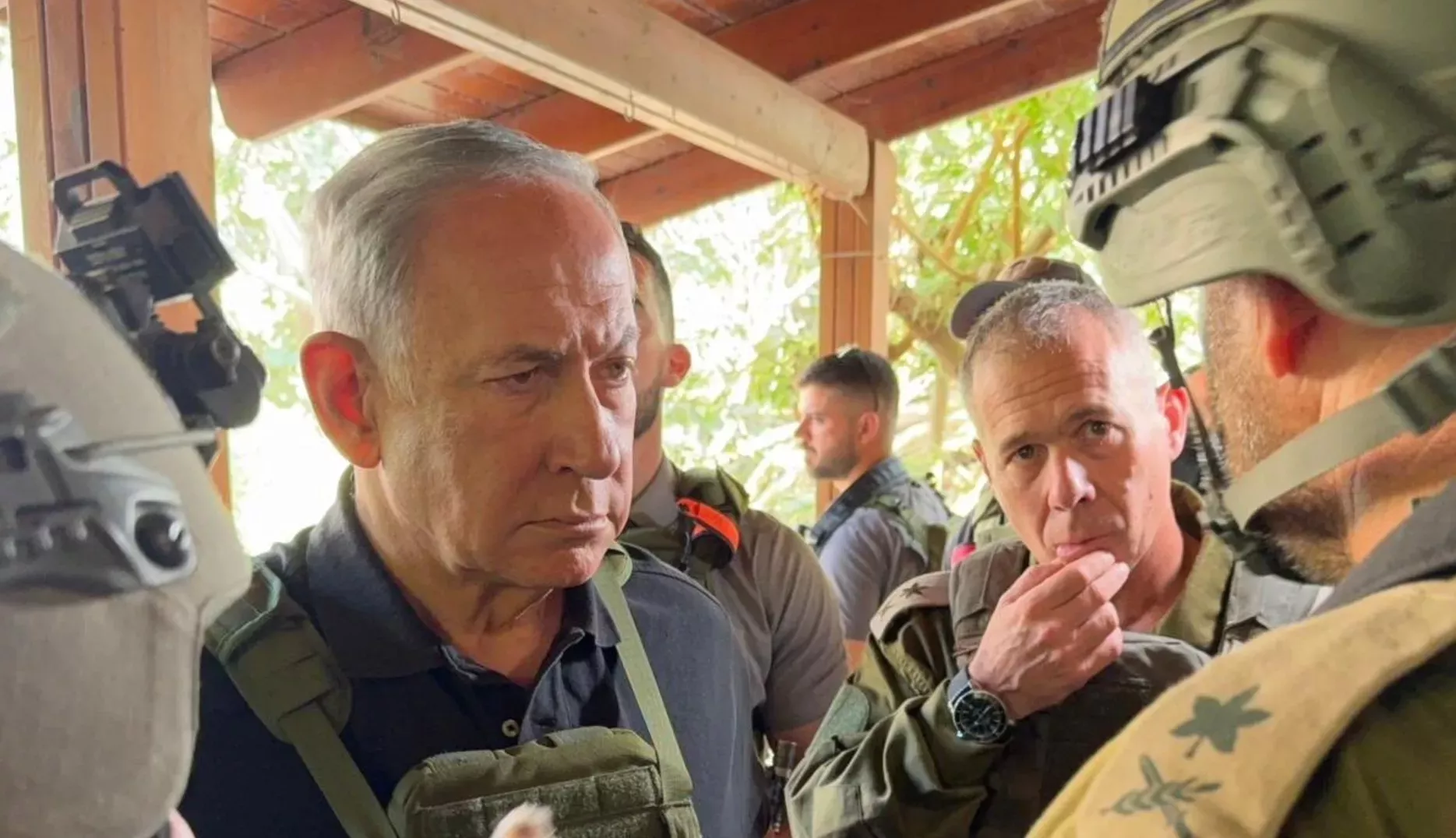
Thus, in a short time, something that seemed like a solvable problem through negotiations, as confirmed by the words of Omani Foreign Minister Badr Albusaidi, has turned into an existential war for Shiites who are announcing revenge and jihad for the assassination of their supreme leader. Despite this, (pro)Iranian forces in the region understand that this war is literally a fight for survival. Losing the war would mean falling into an inferior position compared to the United States and Israel, as well as radical and other Sunni groups who desire the fall of Tehran's power more than Washington's or Tel Aviv's.
They are not alone in this perception of the war. The United States is fighting for survival in the region, as many of its bases have been damaged or destroyed. The unthinkable has happened – dozens of American bases in about ten countries have come under enemy fire. Some bases have been evacuated, and Iran wants them to remain abandoned forever. The departure of the United States from some countries would trigger a spiral of decline in American power in the Middle East, and some Arab regimes might fall during major challenges at home or beyond their borders. Ultimately, Israel, without American protection, would find itself in a very difficult position.
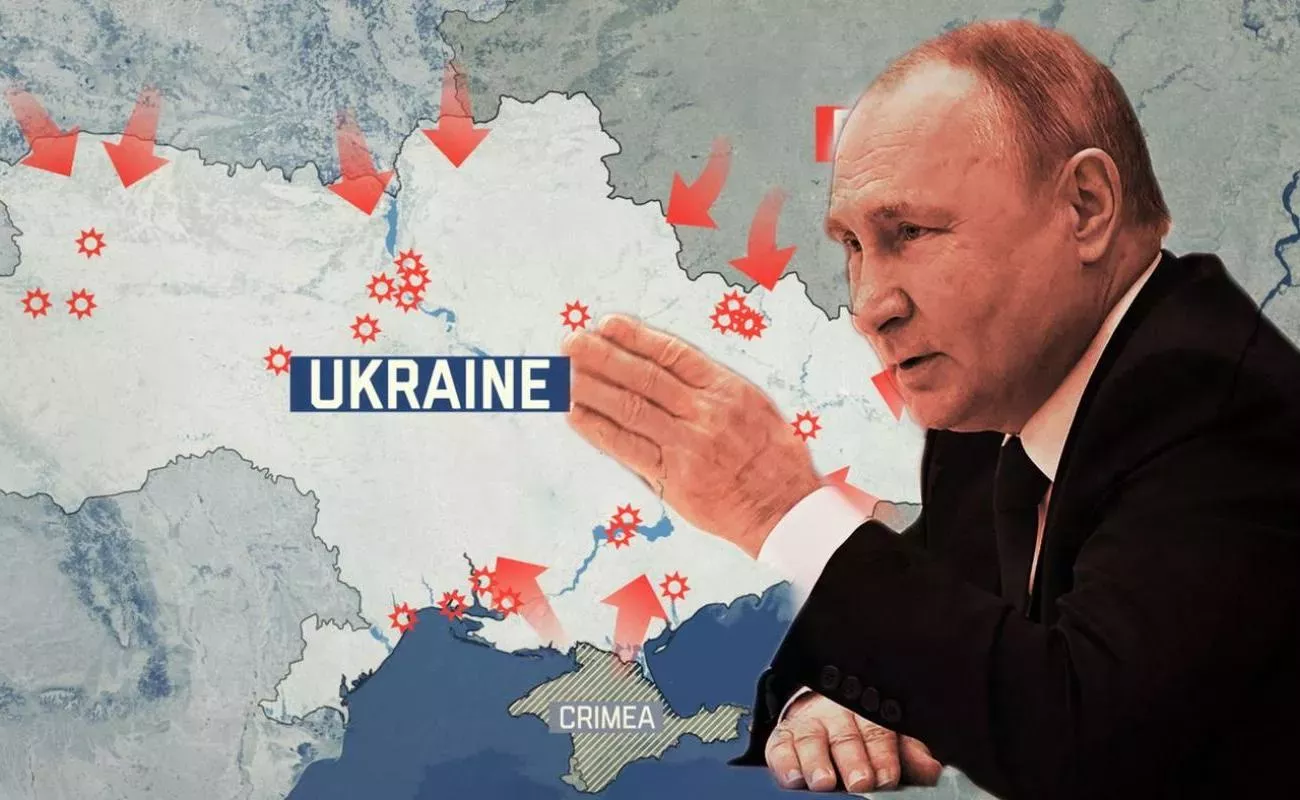
However, no one knows for sure how this war will unfold and how long it will last. The only ones who claim they will surely win are Washington, Tel Aviv, and Tehran. It seems that the US and Israeli strategy is to quickly destroy Iranian capabilities, especially those for producing and launching missiles and drones, while Iran's strategy is a war of attrition, counting on (pro)American and (pro)Israeli forces to quickly run out of resources and face logistical and other problems. In other words, the Iranians believe that Trump could fare in a war with them as Vladimir Putin is faring in the war against Ukraine, which he, like his American counterpart, justified with arguments that are difficult to believe.
Things are getting out of control, especially after negotiations were sabotaged multiple times. Iran has reported hundreds of civilian casualties, including over 160 schoolgirls in the city of Minab. The killing of the girls occurred while Israel and the United States claim to know the whereabouts of Iranian leaders whom they eliminate at will. Civilians in Israel and Lebanon were also killed. US soldiers were killed, but allegedly Kuwaiti soldiers too. Damage to Iranian, Israeli, American, and infrastructure in several Arab countries is measured in tens of billions of dollars. Iran's decision to close the Strait of Hormuz will bring new losses and new crises.
All of this is a consequence of Trump's policy. In 2018, during his first term, he withdrew the United States from the 2015 agreement between Iran and the major powers, under which Tehran would not have nuclear weapons but would be freed from sanctions. At Netanyahu's request, Trump destroyed the agreement, and eight years later, he set the Middle East ablaze, rejected diplomacy, betrayed the expectations of his voters, and dealt a huge blow to America's reputation worldwide.
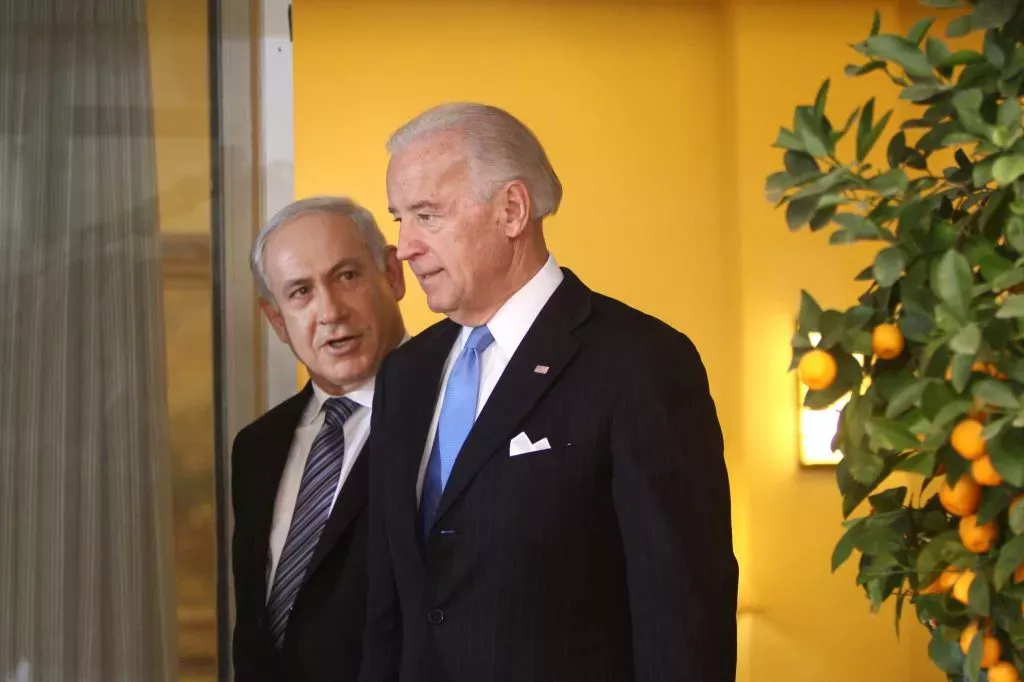
The erosion of the West's reputation, which has been rapidly accelerating since the start of the war in Gaza, which US President Joseph Biden failed to stop, Trump is further accelerating. Yesterday, for example, he threatened Spain with breaking off trade relations because Madrid will not allow its territory to be used in illegal attacks on Iran.
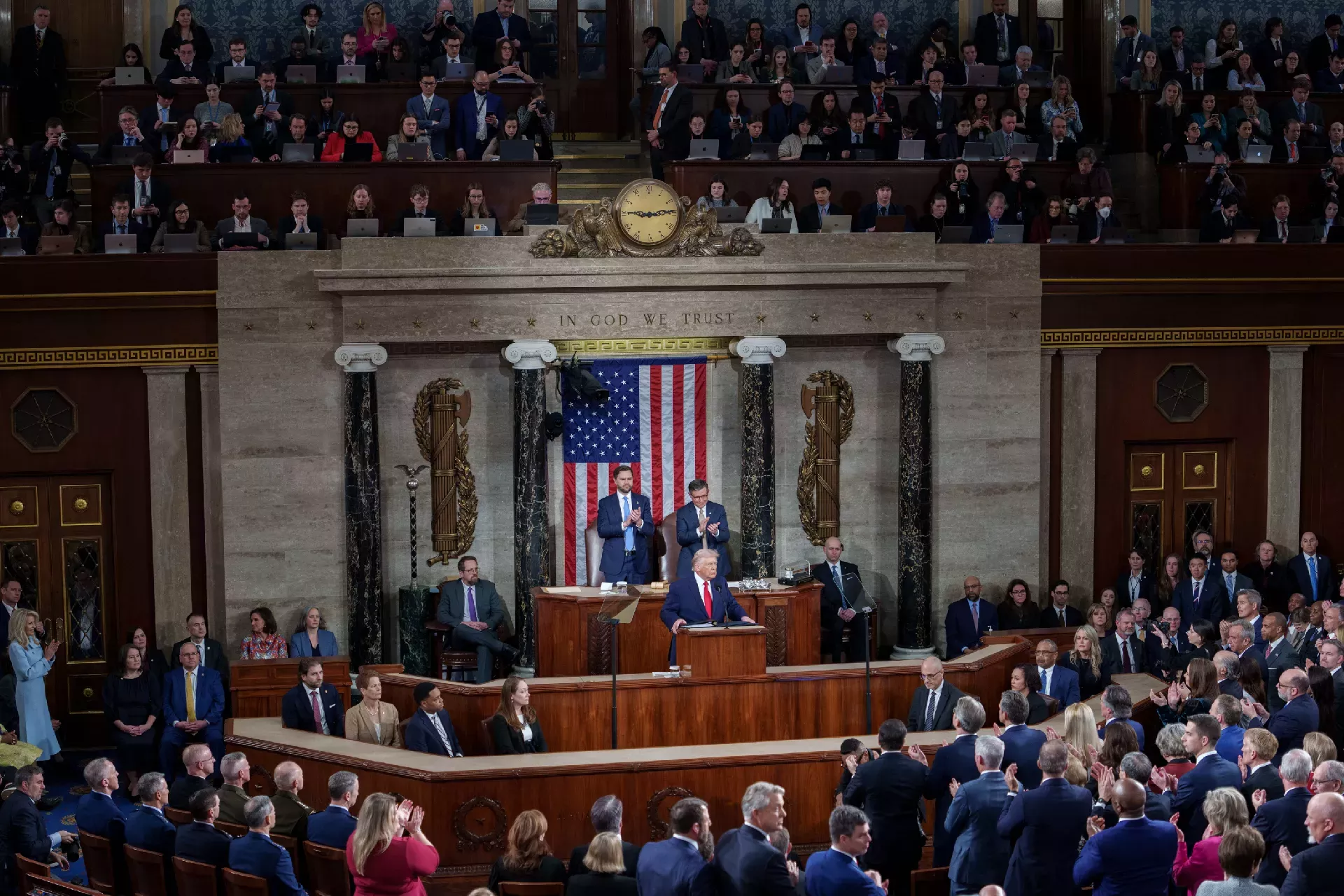
Trump does not stop, and the rest of the West does not stop him. On Monday, at the United Nations Security Council, his wife, former model Melania Trump, chaired a session on "Children, Technology, and Education in Conflict." This is the first time in history that the wife of a head of state has chaired a body that is supposed to deal with preserving world peace, and this happened two days after the United States and Israel attacked Iran. It is clear to anyone who wants to see that Americans voted for a different Trump than the one they have now, even though it was evident before his return to the White House that he was a different politician compared to his first term as head of the world's greatest power.
Komentari (0)
Prijavite se za komentiranje
PrijavaJos nema komentara. Budite prvi!
Minuta
Sve →Iz drugih kategorija

High Representative Not Elected: Germans, French and British Sabotaged Americans, New Attempt at End of June

ČOVIĆ WITHOUT MERCY: How Those Who Brought Ademović to Office Created a Political Hell for Him



Sunny Saturday, quite warm



Tragedy in Albanian resort: Two minors drown












