
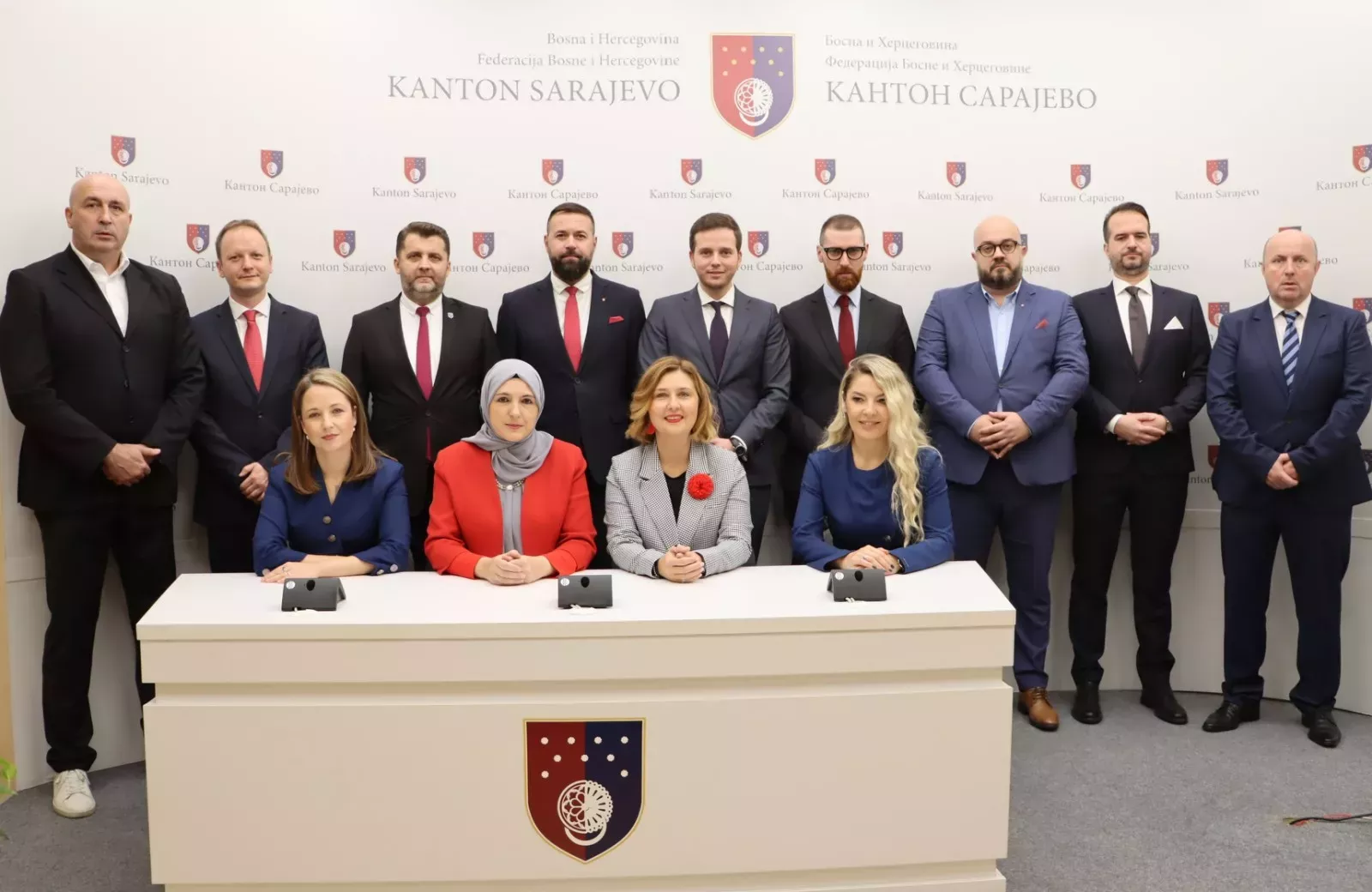
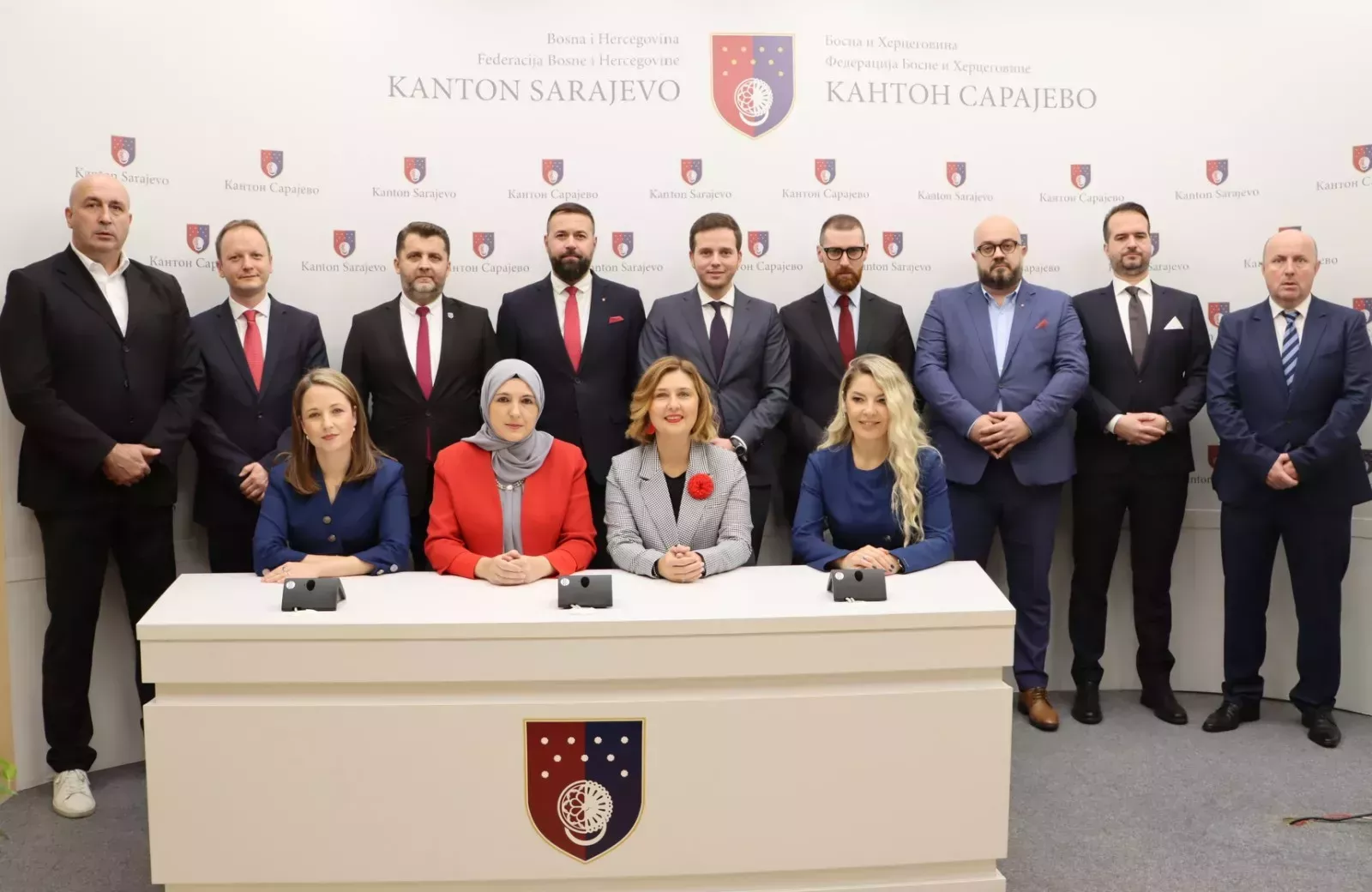
(Patria) - The Rulebook on recording unacceptable forms of student behavior in primary and secondary schools, drafted by the Ministry of Education and Science, headed by Minister Naida Hota-Muminović (NIP), continues to cause controversy, and many schools are still not acting according to it, as it is constantly being changed. The Personal Data Protection Agency of BiH ordered the Ministry to withdraw this rulebook, but the minister refuses to comply with this order. The Ministry later contacted the schools stating that parental consent is required for collecting data about children, and provided a declaration form that children should fill out once the controversial Rulebook is applied.
The Council of Parents of KS also issued a statement regarding the controversial Rulebook, and representatives of the Council of Parents did not participate in its drafting nor were they aware of what was listed as "problematic behavior". Among these forms of behavior are frequent urination, going to the toilet, stomach aches, changes on social networks, timidity, aggressiveness...
Numerous teachers are outraged by this rulebook, believing they are not competent to assess behavior in children that is considered unacceptable according to the Rulebook.
The Institution of the Ombudsman for Human Rights of BiH responded to Patria stating that they were not involved in the drafting of the Rulebook and have no knowledge of this sub-legal regulation.
"Although we have no information about the highlighted issue, the Ombudsmen take this opportunity to emphasize that, through their cases and recommendations, analyses, and reports, they always point out the necessity of involving all relevant actors in the process of adopting laws and sub-legal regulations in the field of education, from professionals to parents and children themselves, based on children's participation in education and decision-making that concerns them.
As an institution dealing with the protection of children's rights, we advocate for the child's right to freely express their views, to seek, receive, and impart information and ideas of all kinds in various ways regardless of borders, to express their own opinion, and the right for the child's opinion to be taken into account in all matters and proceedings that directly concern them (Articles 12 and 13 of the UN Convention on the Rights of the Child – freedom of expression and freedom of opinion). These rights and freedoms imply that competent authorities and adults – including parents, have an obligation to listen to the child, talk to the child, and in each individual situation consider the child's opinion and then decide, assessing all facts and circumstances in the specific case. Children must be allowed to participate in resolving all issues that affect their lives and be allowed freedom of expression, which should be seriously considered," stated the Institution of the Ombudsman.
In their work, the Ombudsmen point out to the authorities the problem of adopting regulations urgently, without broader consultations, which should be exceptions and only when there is an urgent need to pass a law, and the same applies to sub-legal regulations.
"In addition to the highlighted rights of the child that must be taken into account, special attention must also be paid to the protection of children's personal data," state the Ombudsmen.
The Ombudsmen clarified their response in the context that it concerns "unacceptable forms of behavior of children - students".
"The Ombudsmen wish to emphasize and call for consideration, as every child has the right to the protection of all rights and freedoms, with respect for all human rights and values, respecting their personality, physical and mental integrity, and considering their moral, cultural, and religious beliefs, etc. When acting on individual complaints, the Ombudsmen advocate for the establishment of clear rules of conduct, methods of determining responsibility, as well as consequences for such actions in schools, with the note that the relationship between the student and the school should be built on mutual respect and appreciation of the personality and dignity of each student as an individual.
Schools must accept that every student is a unique person who needs a different and more tailored approach when resolving certain situations. There are often conflicting opinions in the literature regarding whether and when it is necessary to involve parents in the process of conflict situations. On the one hand, involving parents is seen as the school's inability to resolve the problem on its own through communication with the student, while on the other hand, it is considered a desirable educational measure, where joint efforts, through joint discussion, attempt to uncover the core of the problem and provide potential answers to the arisen situation. When implementing its rules, the school should certainly maintain authority in order to maintain discipline, but this authority in no way means arbitrary decision-making without establishing all relevant facts," state the Ombudsmen.
After the minister proposed Pedagogical Standards to the Government of KS at a telephone session in March, which were adopted without accepting the suggestions of the Trade Union, which wanted to organize protests on May 14, with the help of the Ministry of Internal Affairs of KS, Minister Hota-Muminović secured a ban on the protests. At that time, all leaders and representatives of trade unions from the region and Turkey arrived in Sarajevo and gave full support to the Trade Union of Education and Primary Education of KS.
Komentari (0)
Prijavite se za komentiranje
PrijavaJos nema komentara. Budite prvi!
Minuta
Sve →Iz drugih kategorija

High Representative Not Elected: Germans, French and British Sabotaged Americans, New Attempt at End of June

ČOVIĆ WITHOUT MERCY: How Those Who Brought Ademović to Office Created a Political Hell for Him



Sunny Saturday, quite warm



Tragedy in Albanian resort: Two minors drown












