
By Armin Sijamić
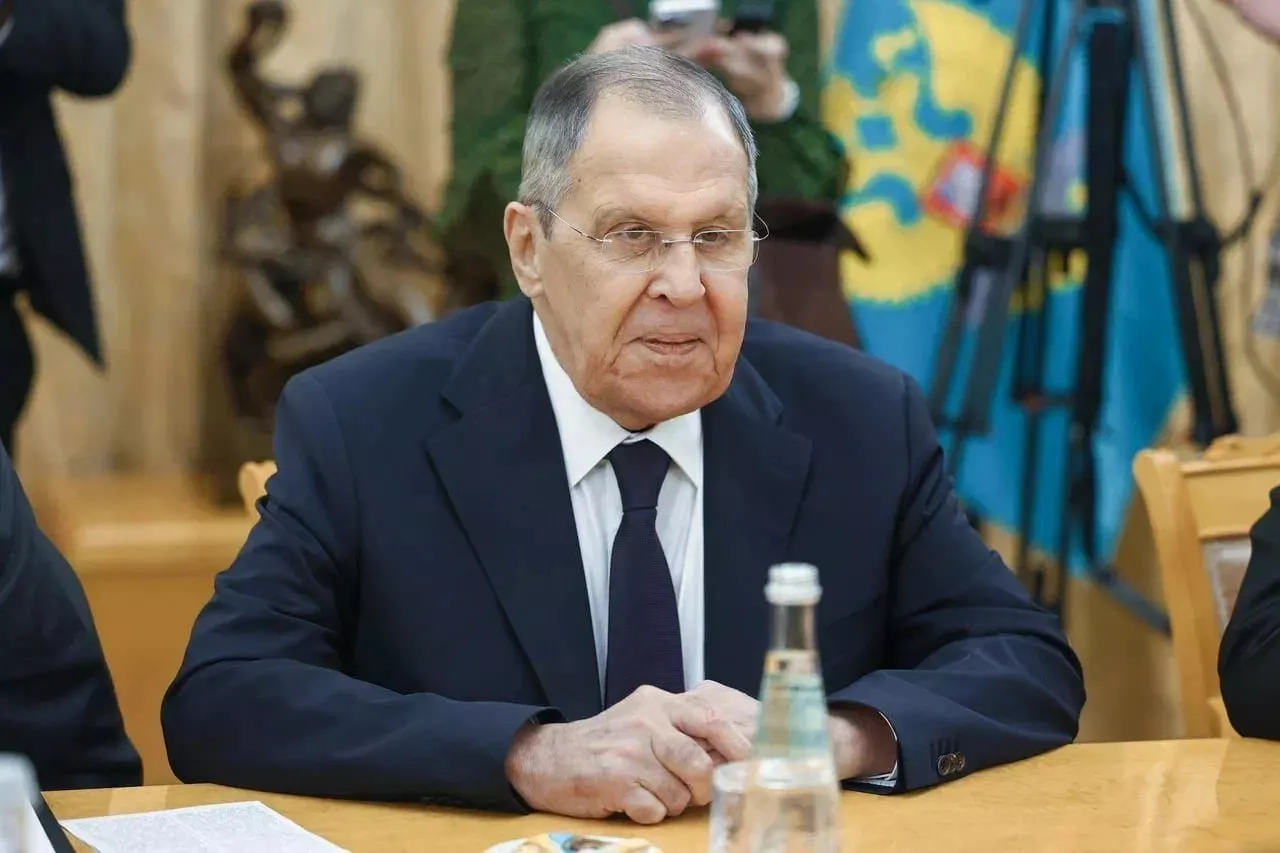
Russian Foreign Minister Sergey Lavrov spoke this week about negotiations between Moscow and the United States. Although the two sides are discussing a ceasefire in Ukraine, it is completely clear that they are also deciding on other issues important to Europe.
When Russia launched its aggression against Ukraine in February 2022, it was clear that epochal changes awaited Europe. Russia then raised a new iron curtain towards the West, and then tried to define the borders of its influence with the strength of its army.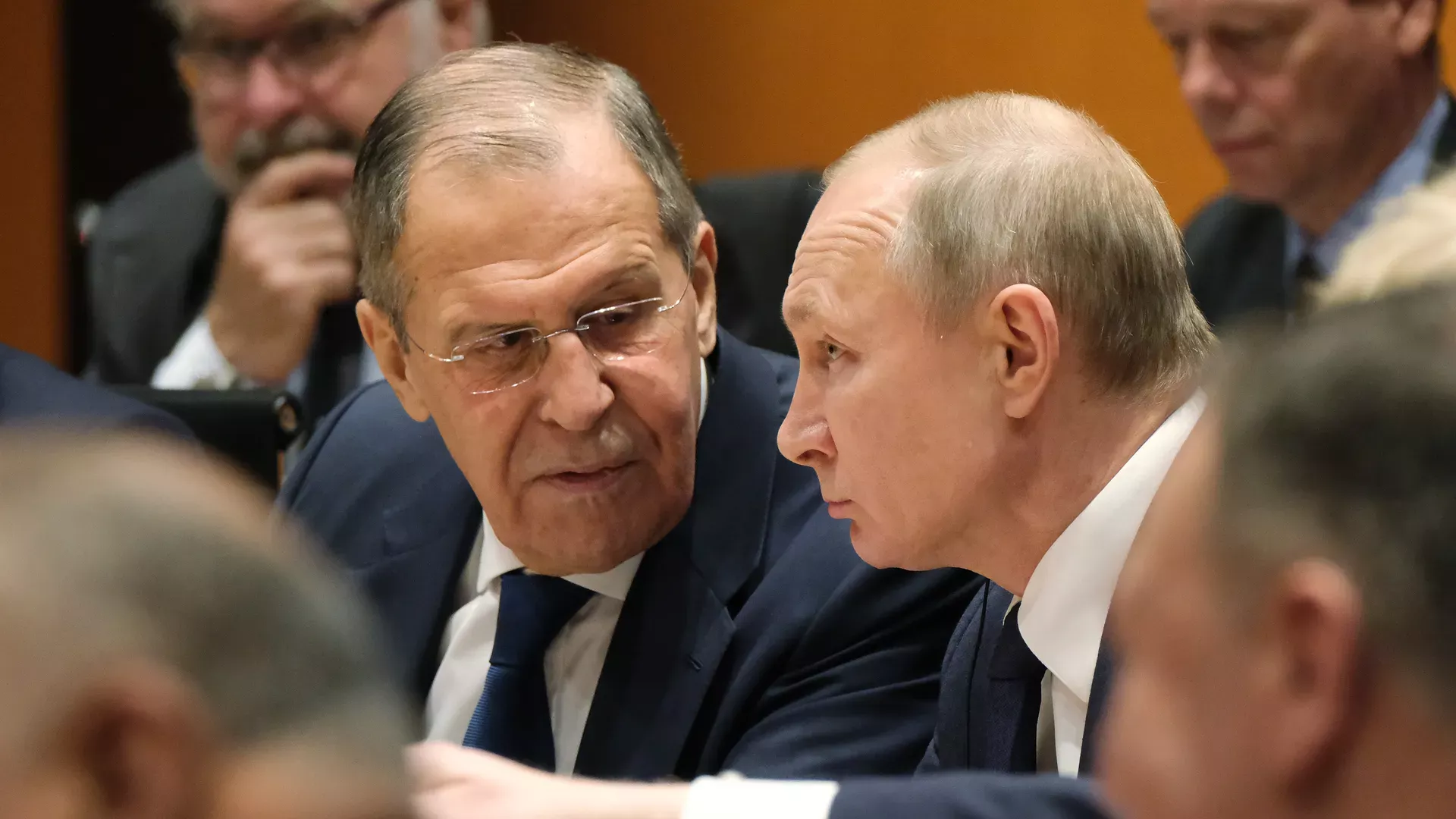
Putin with Lavrov
While Joseph Biden was in the White House, it was clear that Russian influence would stop where the Russian army stopped, regardless of the wishes of Russian President Vladimir Putin, who in those days spoke of Russia's "historical rights" to various territories, with nonsensical claims he tried to justify his decision to attack a neighboring country. It never occurred to the ruler from the Kremlin that, by that logic, Germany would have to return present-day Kaliningrad.
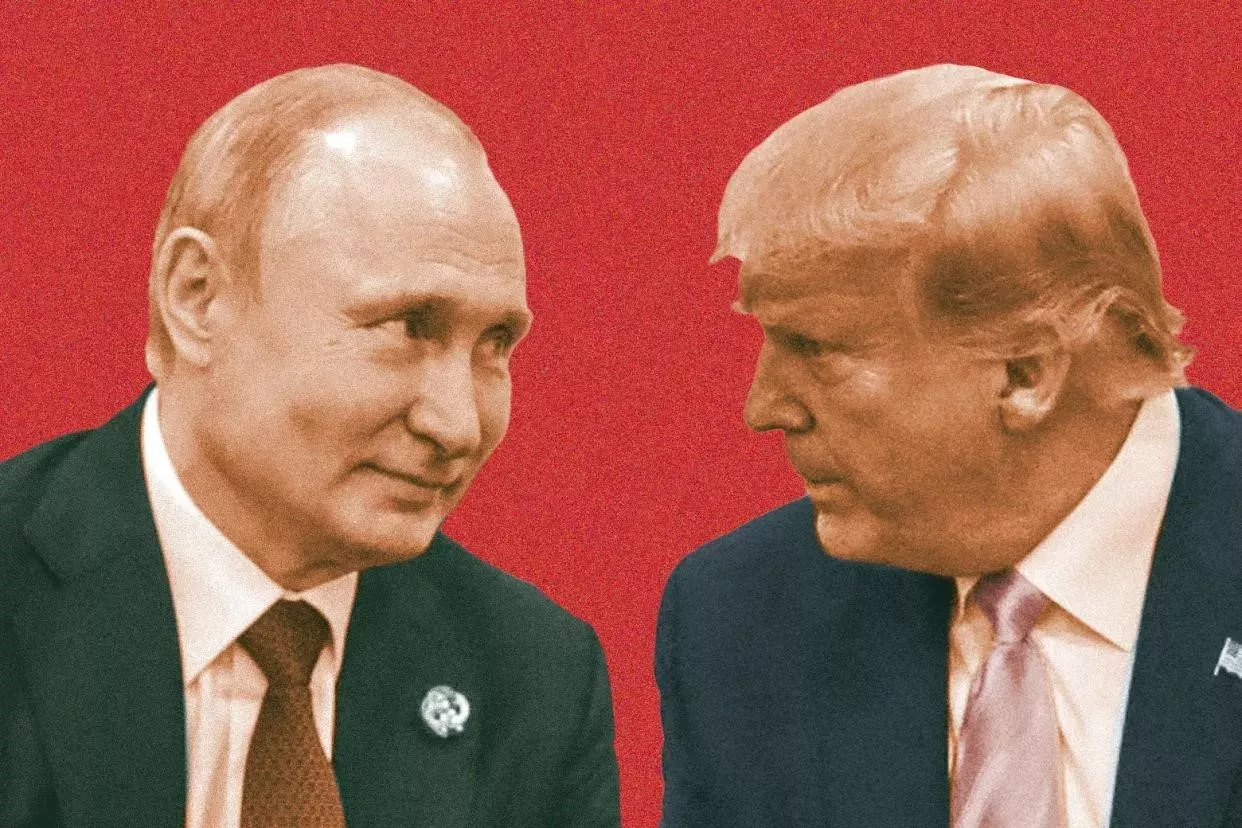
With Donald Trump's return to the White House, much has changed. First and foremost, Trump has changed the West's attitudes. Trump believes that everything is on the table, even what no one has questioned for a long time – the borders of European countries.
Lavrov - a career that could be judged by his performance in Ukraine
Lavrov's performance as head of Russian diplomacy will surely receive attention from political scientists and historians worldwide one day. Decades spent with Putin have made him an actor in many important political and economic processes around the world.
However, Russia's aggression against Ukraine has also changed his position. The West has often ignored Lavrov since then, and Putin has been the sole address for dialogue with Russia.
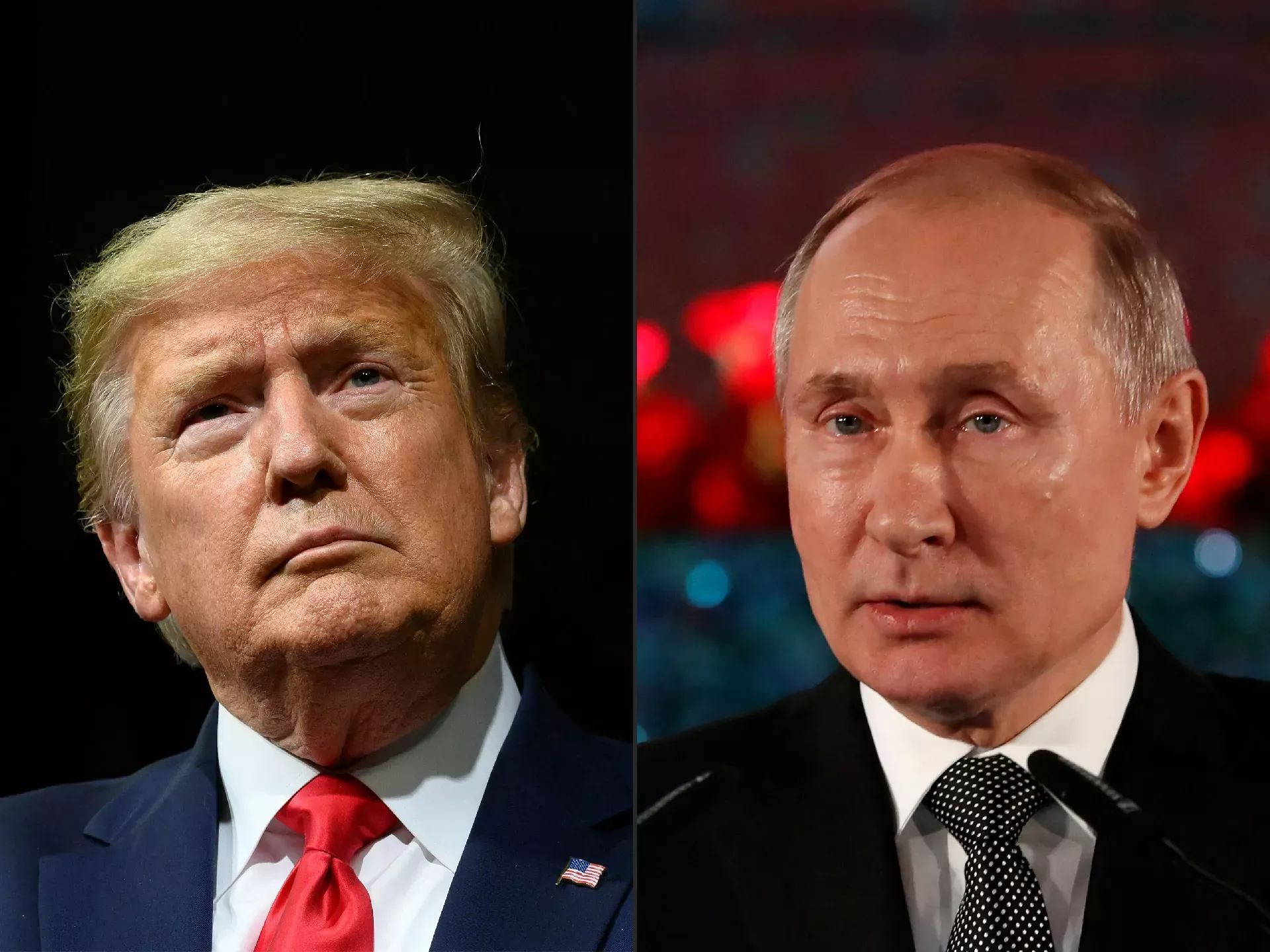
Lavrov has also been a target for Russian analysts and journalists, who have implied between the lines that decades spent in the position of head of Russian diplomacy should mean greater influence worldwide. This was particularly evident when Russia came under sanctions from many countries.
For months, there have been talks about negotiations between American delegations and Russians, rarely with Lavrov. It seems that the Americans do not count on Lavrov, or rather, they only trust Putin. Lavrov has now, for an unknown reason, revealed details of the negotiations, repeating what some Western media have written – Washington wants Ukraine to cede parts of its territory, even those not occupied by the Russian army.
Lavrov claims that Washington has realized that "territories where Russians have lived for centuries should become part of Russia again." The head of Russian diplomacy, according to media reports, was referring to Donetsk, Luhansk, Kherson, Zaporizhzhia, and Crimea. In other words, what Moscow annexed in 2014, what it conquered in this war, and what Putin included in the Constitution as part of Russia, and where the Russian army has not yet reached.
Russian demands
Accepting to cede territory not conquered by the Russian army would be painful for Kyiv, especially for the Ukrainian army, which has bravely fought against one of the world's largest armies for almost four years. Such a decision by Kyiv would hardly have the support of a large part of the population, especially since Ukraine had agreed to various concessions after the collapse of the USSR, all with Western guarantees.
The second Russian demand, also mentioned by Lavrov, is a guarantee that Ukraine will not become a NATO member, which could only make sense if Ukraine is whole, because if Kyiv does not want to cede its territories to Moscow, then membership in this military alliance is certainly not possible.
Lavrov claims that Washington also respects this Russian demand. "Our position is clear. The root causes of the conflict must be eliminated," he said. "This includes threats to Russia created by the eastward expansion of NATO towards our borders and efforts to draw Ukraine into the alliance. It is good that the US has understood this. They have clearly stated that Ukraine's membership in NATO is unacceptable," Lavrov added.
Russian demands regarding Ukraine's NATO membership can be seen as part of the US strategy towards Kyiv and Moscow and, as such, could be understandable. Ukrainian President Volodymyr Zelenskyy has previously said he is ready to give up his country's NATO membership if the United States provides security guarantees. Media reported, citing unnamed sources, that these guarantees should be similar to Article 5 of NATO, meaning US military protection for Kyiv.
Allegedly, this American offer, according to the same sources, "will not be on the table forever," which has led some to conclude that it is pressure on Zelenskyy to agree to a peace agreement negotiated by Washington and Moscow on Ukraine. Trump stated this week: "I think we are closer now than ever before."
New Europe
Such an agreement on Ukraine has been repeatedly rejected by many European officials. Many of them have mentioned a "just peace" for Ukraine, if it is not possible to bring Putin and Russia to their knees. Europe, despite its desire to please Trump in many areas, has so far maintained a firm stance on this issue.
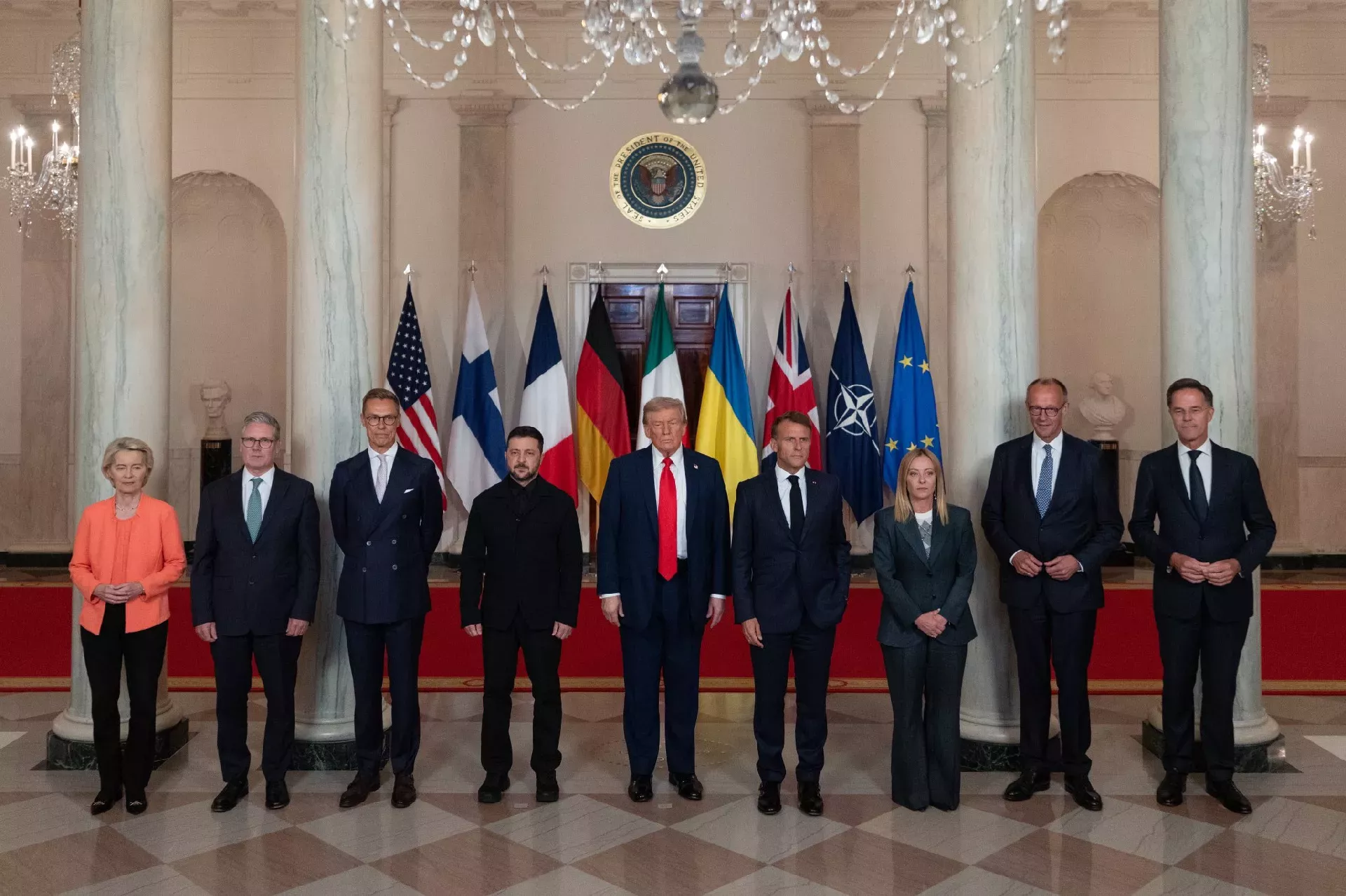
Such a stance by Europeans is not surprising. In addition to the fact that an entire generation of European politicians could be defeated by such a development, the consequences for European security could be long-term. Russia's insistence that the West recognize its right to change state borders by force could be a prelude to various similar scenarios across Europe, even within the European Union and between NATO members.
Whether Trump has actually agreed to these Russian demands has not yet been explained by Washington. If so, it would be a heavy defeat for the West, not only because the unity among allies is severely undermined, but because international law, which has allowed them to manage the world's most important political and economic processes for decades, would be violated.
If Putin is allowed to change borders by force, the consequences would be devastating for the West's reputation, especially for Europeans who have stood behind the attacked country in various ways. Who would trust the West after that, and who would ignore Putin's offers of alliance with Russia?
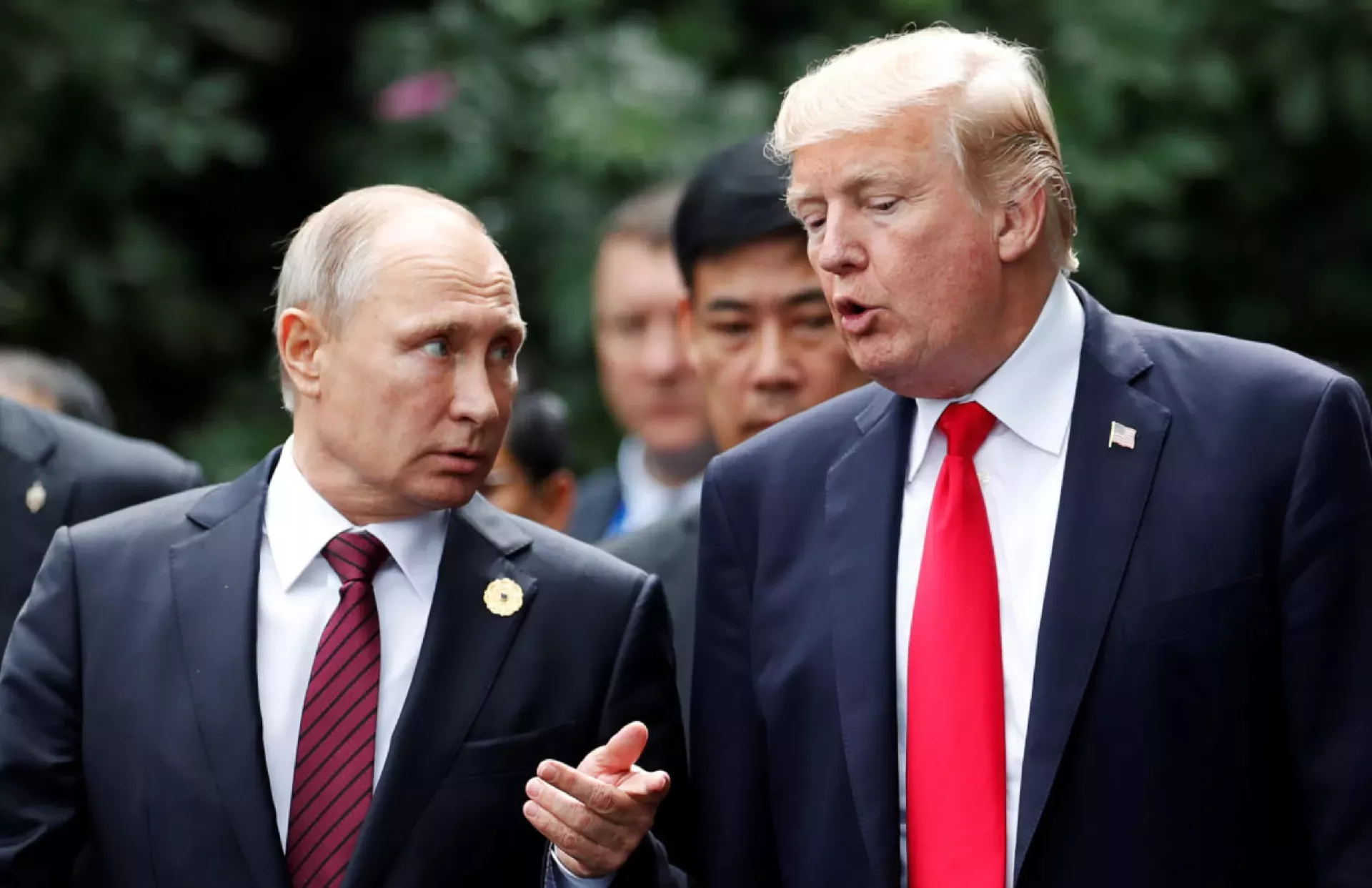
What the future of Ukraine and Europe will be is probably not even known to Lavrov yet. Moreover, it is becoming increasingly difficult to define the present in relations between the West and Russia. Recently, the commander of the Spanish Air Force, General Francisco Braco, speaking about NATO-Russia relations, said that "we are not at war, but I cannot confirm that we are at peace." Four years of war in Eastern Europe seem to be forcing a redefinition of concepts that were self-evident until yesterday. Perhaps this is where Lavrov draws optimism from Washington's readiness to submit to Moscow's interests.
Komentari (0)
Prijavite se za komentiranje
PrijavaJos nema komentara. Budite prvi!
Minuta
Sve →Iz drugih kategorija

High Representative Not Elected: Germans, French and British Against Americans, New Attempt at End of June

ČOVIĆ WITHOUT MERCY: How Those Who Brought Ademović to Office Created a Political Hell for Him



Sunny Saturday, quite warm



Tragedy in Albanian resort: Two minors drown












