
By Armin Sijamić
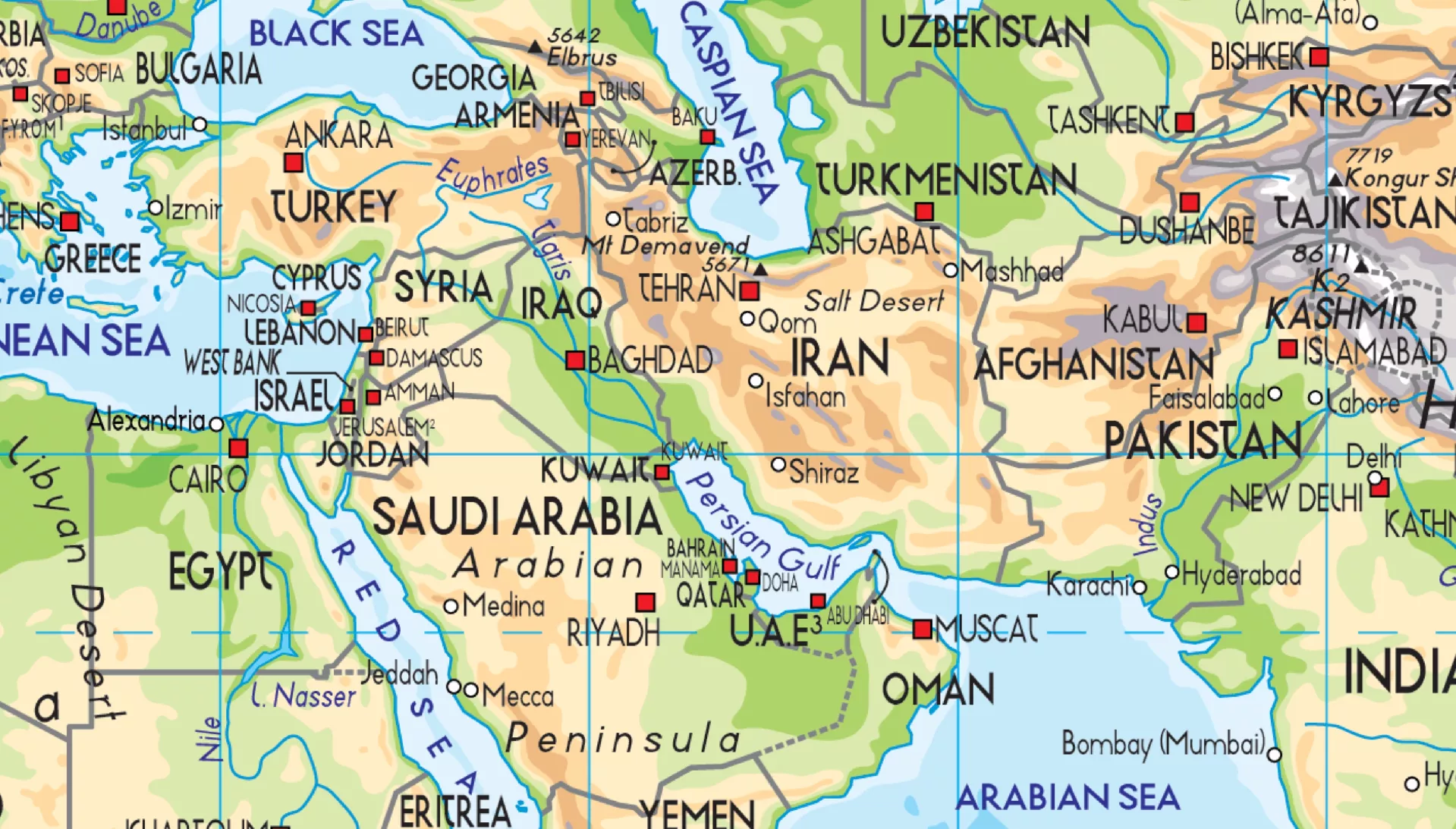
The US-Israeli attack on Iran is shaking the Middle East and the world. But while the rest of the world is mainly concerned with oil and natural gas prices, in the Middle East, even the smallest details are being considered.
It seems that those who say that starting a war is the easiest decision, and everything after that is an avalanche of events that can cause catastrophe on both sides, were right once again. The US-Israeli war against Iran has proven this every day it has lasted so far.
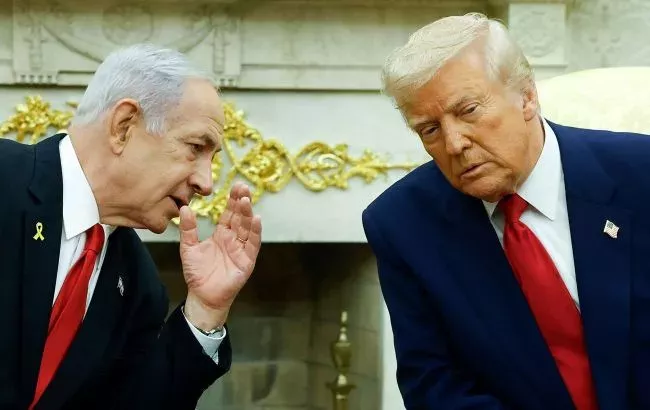
After a war that lasted about forty days and a two-week truce, the warring parties remained in the same positions, and they have a lot of work ahead of them if they continue to fight or negotiate. Too much is at stake, and there are no simple solutions that will not have far-reaching consequences, meaning there are no solutions that will not shake the existing order in the Middle East and beyond.
Great powers, and the United States on a global level and Israel and Iran on a regional level certainly are, almost always have multiple options in any political upheaval. The immense power they possess can partly be spent with the aim of ultimately achieving the best outcome for their country.
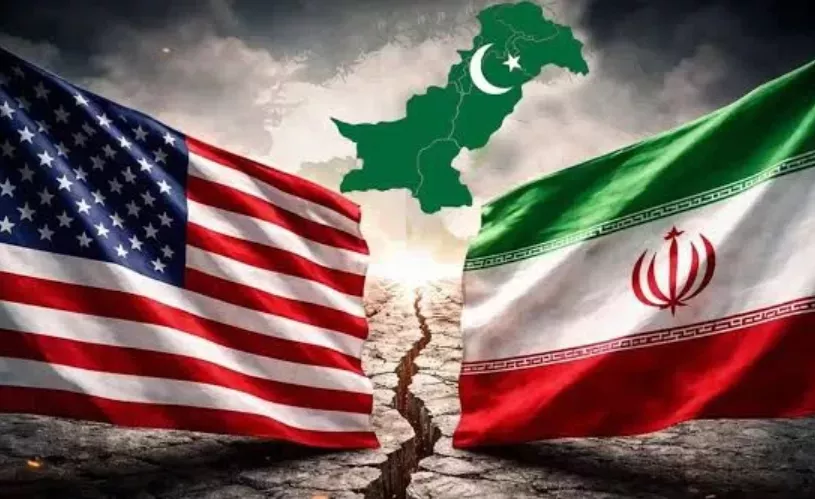
Therefore, in the coming period, we can expect various moves from these three countries, and no one knows for sure how things will develop. After all, the US-Iranian negotiations in Pakistan and a host of contradictory statements from US President Donald Trump have shown this.
Iraqi concerns and UAE plans
However, smaller countries do not have that power, especially those that depend on only one branch of the economy or whose security foundations can be undermined by the destruction of a few water desalination plants. Even once important and strong countries in the Middle East, like Iraq, do not have that power today.
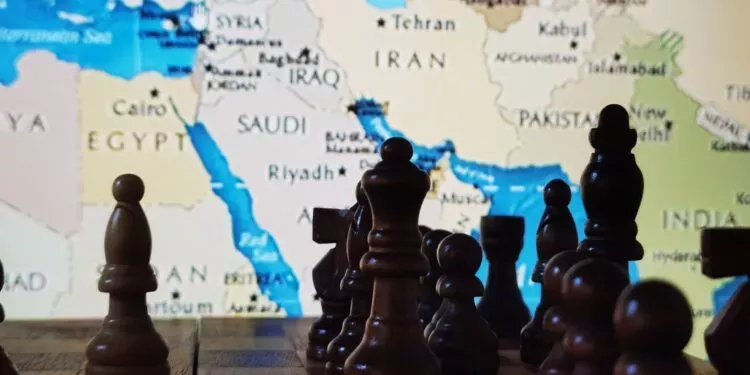
Processes are underway in several Middle Eastern countries that are a direct consequence of the US-Israeli war against Iran. This particularly applies to Bahrain and Lebanon, but also to much more regionally significant countries, such as oil-rich Iraq and the United Arab Emirates, which are striving to become financial, IT, and tourism hubs. Such processes were expected if the war continued.
In the case of Iraq, the processes started earlier, because after the parliamentary elections there, the question arose whether the new prime minister would be loyal to Washington or Tehran. In November last year, Shiite parties, allied with Tehran, had the opportunity to propose a candidate for prime minister of a country that is de facto occupied, as it has more foreign military bases on its territory, and Washington controls the money from oil sales, a right it claimed for itself after destroying Iraq under the accusation of possessing "weapons of mass destruction" and "supporting terrorism".
The Shiite parties proposed former Prime Minister Nouri al-Maliki as their candidate, and Trump threatened to cut off US aid to Iraq, effectively demanding that the government in Baghdad not be pro-Iranian. Al-Maliki then stated that he would not withdraw, rejecting interference in Iraq's internal affairs, but emphasizing the importance of cooperation with Washington.
Behind Maliki's "concern" for ties with Washington lies the desire to close US military bases in Iraq in accordance with a previously reached agreement, thereby strengthening the Shiite factor in the region, and not to prevent Baghdad from selling oil and accessing its money, ninety percent of which comes from oil sales.
The election of al-Maliki as prime minister would be an important victory for Iran. How much this angered Trump is shown by Reuters' claims that due to the failure to prevent such a development, he dismissed US envoy to Iraq Mark Savaya at the end of January, who was appointed to that position in October.
The UAE, with about ten million inhabitants, about ninety percent of whom are of immigrant origin, has been punching above its weight for years. It is a factor in Yemen, Sudan, Libya, but more importantly, an ally of the US and Israel. Such a policy also bothers Saudi Arabia, which wants to be the leading Arab power.
Parallel to political processes, business successes have been accumulating for the United Arab Emirates. By offering better conditions to investors than almost any other country, the UAE has become the financial, IT, transport, and tourism center of the Middle East with ambitions to grow. Ultimately, the UAE has gained significant political and economic strength.
Regional (Dis)balance
This political-economic balancing, in the case of both Iraq and the United Arab Emirates, is being tested these days under the pressure of Washington and Tel Aviv's war against Tehran. In just a few days, news has emerged that could change the position of both Iraq and the UAE.
On Monday, Arab media reported that Shiite parties had proposed Bassem al-Badry as a candidate for prime minister, which can be seen as an attempt to soften the US side and cannot be separated from what is happening in Washington-Tehran relations.
The next day, the British Telegraph reported that the UAE had sent a warning to Trump, as they did not like his policy towards Iran, and that they intend to turn to China because of this, stating that the president, Sheikh Khaled bin Mohamed bin Zayed Al Nahyan, visited that country seven days earlier and signed 24 trade and investment agreements there.
On Monday, The Wall Street Journal reported that the UAE had sought loans from the US side, as its economy had been severely affected. Iran, it seems, was particularly angry with the UAE. The US-Iranian exchange of fire has depleted a good portion of the UAE's military equipment. Iran hit various military, energy, and civilian facilities. The closure of the Strait of Hormuz further worsened the situation in the UAE.
Some time earlier, Bloomberg reported that the UAE was considering restructuring its investments in China, amounting to some 350 billion US dollars, and was also prepared to allocate another 300 billion for similar purposes.
Although these media reports seem contradictory, logic suggests otherwise. In this war, Iran has destroyed the UAE's image as a safe place to live and do business; US military bases were not enough to protect its ally; the number of flights to the UAE has decreased, and consequently the number of tourists; and Tehran is playing a game of cat and mouse with Washington over whether the Iranians will charge passage through the Strait of Hormuz.
The International Monetary Fund has lowered its economic growth forecast for the UAE this year from 5% to 3.1%, while at the same time, speculation is emerging that the country is inquiring about the possibility of selling oil in Chinese yuan, which would be a major problem for Washington.
US-Iranian Framework
The cases of Iraq and the UAE highlight the importance of US-Iranian negotiations. The processes in these countries indicate a reorientation based on the course of these negotiations, after forty days of war made it possible to destroy any point in the Middle East in a short time.
US-Israeli war against Iran could trigger regional and civil wars
US-Israeli war against Iran: An attempt to redraw the energy map of the Middle East and the world
It seems that the Americans and Iranians have a good piece of the Middle East on the negotiating table. If this trend continues and Iran continues to be an equal negotiating partner with Washington, then it could be an important victory for Tehran, and the list of losers would depend on Trump. The Iraqis seem ready to follow the agreement, and the UAE is warning Trump in advance that they do not like it.
Israel is preventing Trump from doing so, whose Prime Minister Benjamin Netanyahu is working to ensure there is no agreement with Iran. About ten days ago, Israeli President Isaac Herzog explained this to the German newspaper Bild, stating that for the war against Iran, the timeframe is not important, but the "end result." In a transferred meaning, Herzog wants the defeat of Iran by military or diplomatic means.
No one knows how things will develop further, not even Trump. In just a couple of days, he describes Iran to the public as one of the strongest countries in the world and completely militarily defeated, or says that the Strait of Hormuz is open and simultaneously closed. In one of his social media posts, he called it the "Iranian Strait," perhaps unconsciously admitting to the public that peace negotiations also have an important item: control over about twenty percent of the world's oil and natural gas.
Nevertheless, in a broader context, things are clearer. If Iran has the military and economic strength to withstand US-Israeli pressure, then it could gain more at the negotiating table than it had on the day of the attack on February 28. This option does not please Tel Aviv, Washington, or some Arab countries. Hence, it is clear that many will encourage Trump to continue with a policy that seeks the defeat of Iran, even at a greater cost than what was paid in the war that is still ongoing at the negotiating table.
Komentari (0)
Prijavite se za komentiranje
PrijavaJos nema komentara. Budite prvi!
Minuta
Sve →Iz drugih kategorija

High Representative Not Elected: Germans, French and British Against Americans, New Attempt at End of June

ČOVIĆ WITHOUT MERCY: How Those Who Brought Ademović to Office Created a Political Hell for Him



Sunny Saturday, quite warm



Tragedy in Albanian resort: Two minors drown












