
By Amina Čorbo-Zećo
The BiH Prosecutor's Office confirmed to Patria that they have not yet received a response from the Court in Čapljina to their appeal in the Dretelj property case.
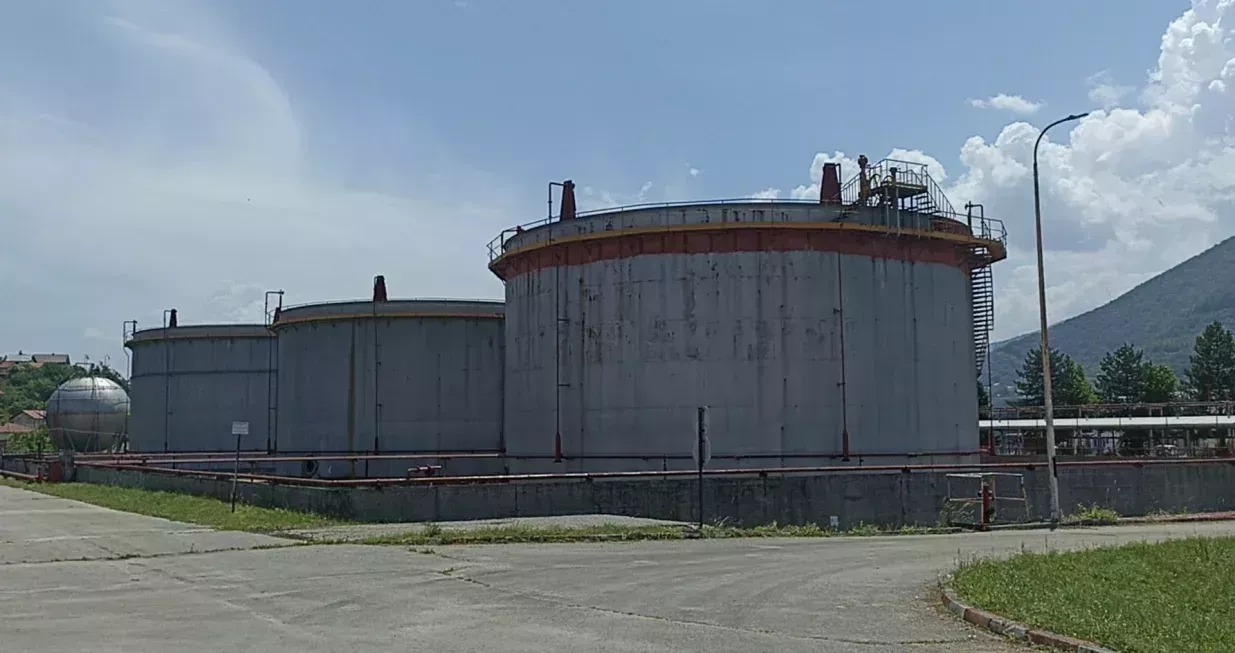
The terminals will therefore be put up for public auction on August 22nd with a starting price of 15.5 million KM, even though the state property is subject to a disposal ban.
These are facilities and land that, according to the Constitution and laws of Bosnia and Herzegovina, have the status of state property.
The Prosecutor's Office warns that attempts are being made to dispose of this property in bankruptcy proceedings without the consent of the competent state institutions, which is directly contrary to the Law on Temporary Prohibition of Disposal of State Property.
The terminal and accompanying facilities in Dretelj were included in the list of assets to settle claims in the bankruptcy proceedings of Hercegovačka banka.
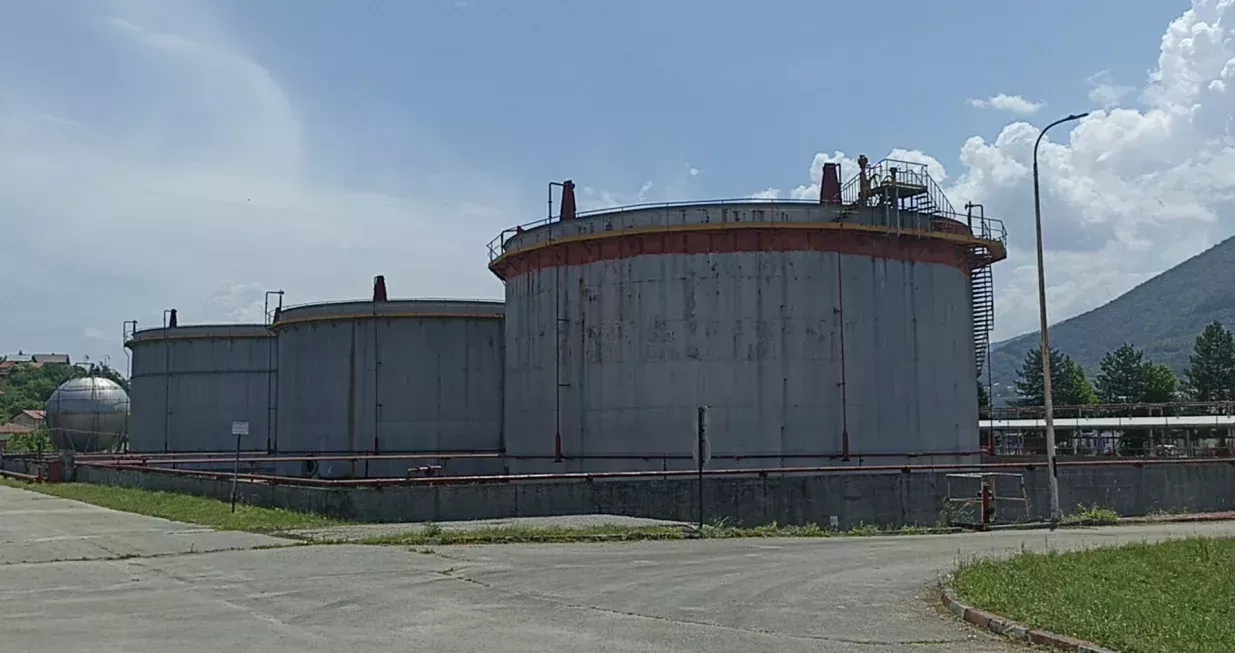
The BiH Prosecutor's Office considers this to be illegal re-registration and an attempt to alienate state property, and has requested that Dretelj be excluded from the bankruptcy estate and that a ban on disposal and alienation be registered.
Although the appeal was filed, the response from the Court in Čapljina has still not arrived; the judge is reportedly on vacation, which prolongs the resolution of this dispute and increases the risk that the property will be alienated before a final decision.
The Dretelj case, in many respects, resembles the recent proceedings before the Municipal Court in Sarajevo, when the sale of part of BHRT's property was initiated to settle a debt of about 16 million KM to the European Broadcasting Union (EBU). The estimated value of that property is many times greater than the debt amount. It is estimated that the BHRT building and land are worth around 160 million KM. In this case as well, the BiH Prosecutor's Office reacted, claiming that it is state property and that the sale cannot be carried out without respecting constitutional procedures and legal restrictions.
At the scheduled auction for BHRT's property, where an auxiliary building and parking lot were to be sold, no buyer appeared, so the hearing was postponed. However, despite this, the legal status of that property remains an open question.
While the BiH Prosecutor's Office and the Ministry of Transport and Communications of BiH emphasize that it is state property, the EBU and their legal representatives claim that the subject of the sale does not concern the main building of the public service and that the property in question does not fall under the ban of the Law on Temporary Prohibition of Disposal of State Property.
Subsequently, the Court rejected the appeal, and the Prosecutor's Office was directed to civil proceedings. The deadline for paying the debt to the EBU is February 2026.
If the same applies to Dretelj, the danger of alienating state property is even greater.
In this context, High Representative Christian Schmidt clearly stated that only the state can sell state property, not entity, cantonal, or municipal authorities.
It is precisely this message, applicable to both Dretelj and BHRT, that points to a broader problem. Courts and authorities at lower levels are increasingly deciding on the disposal of real estate that is state property by its legal nature, while decisions of the Constitutional Court of BiH and legal prohibitions are often ignored.
Both cases raise the same question: will the decisions of judicial institutions be harmonized with the constitutional and legal provisions that protect state property, or will the practice of valuable real estate being put up for sale without the state's consent continue?
While the BiH Prosecutor's Office in the Dretelj case is still awaiting a response from the Court in Čapljina, and in the BHRT case is preparing further legal steps, disputes over state property show that the legal battle for its protection is far from over.
Komentari (0)
Prijavite se za komentiranje
PrijavaJos nema komentara. Budite prvi!
Minuta
Sve →Iz drugih kategorija

High Representative Not Elected: Germans, French and British Sabotaged Americans, New Attempt at End of June

ČOVIĆ WITHOUT MERCY: How Those Who Brought Ademović to Office Created a Political Hell for Him



Sunny Saturday, quite warm



Tragedy in Albanian resort: Two minors drown












