
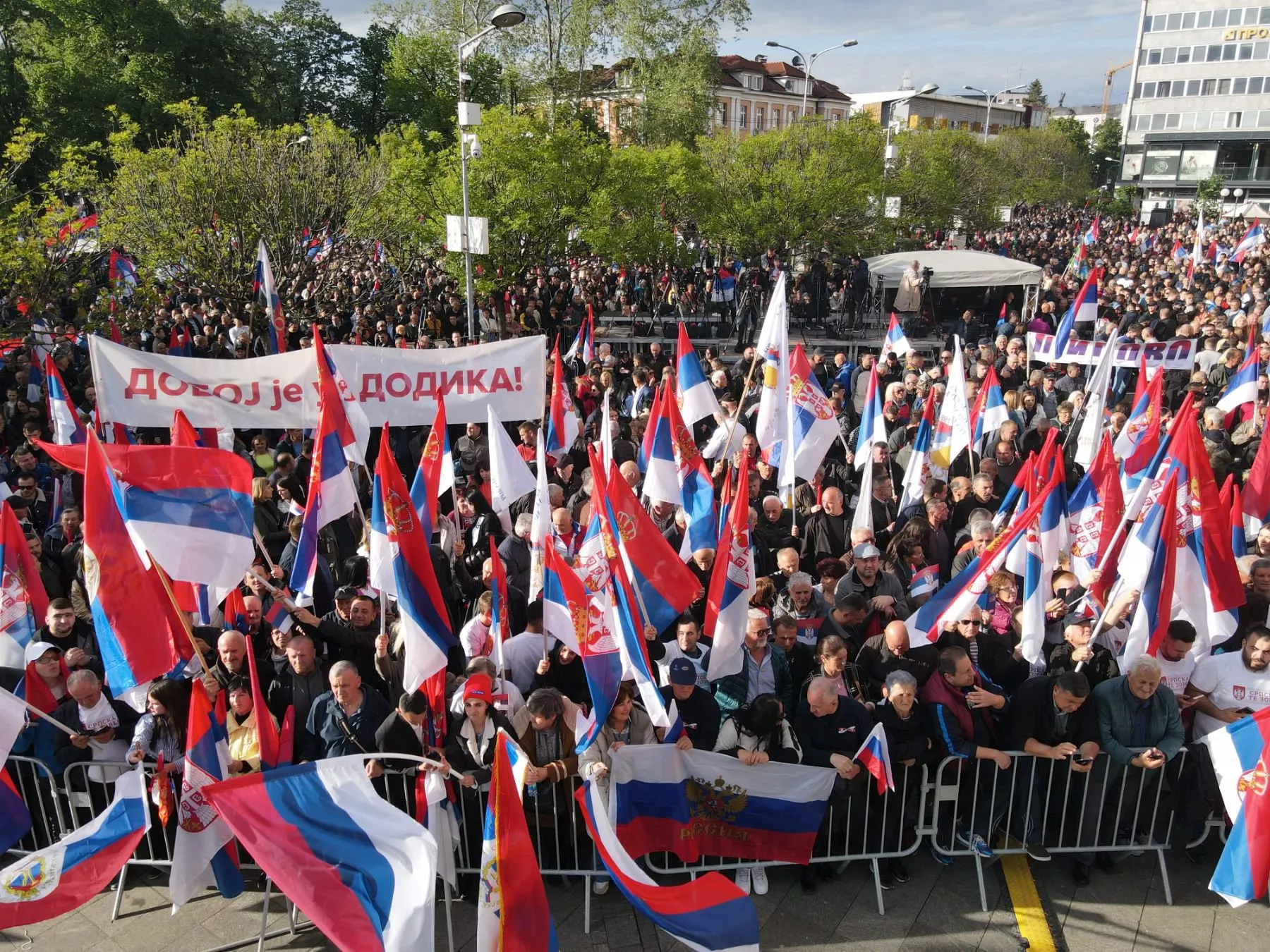
(Patria) - The RS authorities, led by Milorad Dodik, are spending Thursday denying the genocide committed in Srebrenica in July 1995, organizing events in the NSRS and on the streets of Banja Luka, writes Voice of America (VOA).
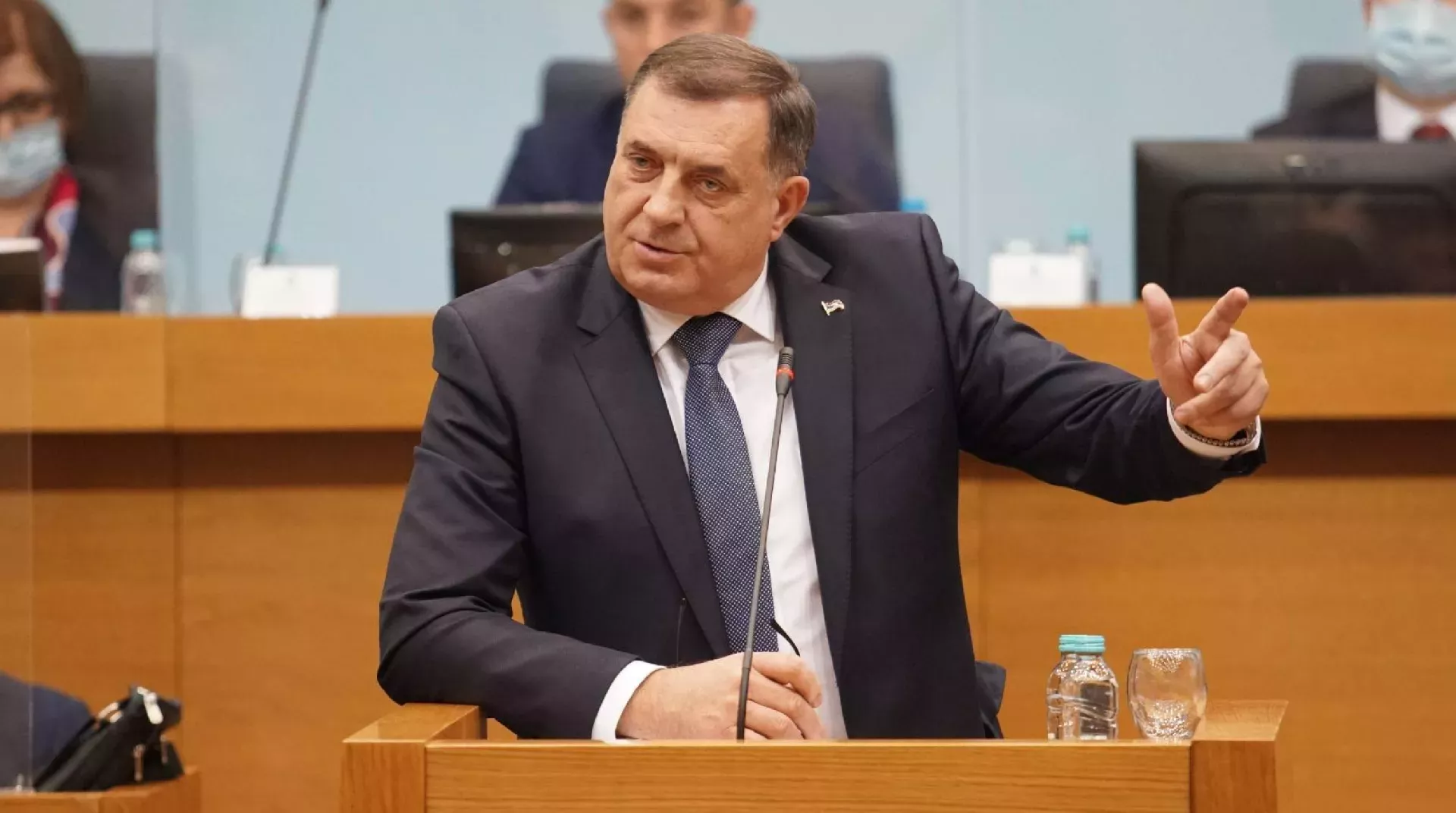
Entity deputies first adopted the report of the so-called Independent International Commission for the Investigation of the Suffering of All Peoples in the Srebrenica Region from 1992 to 1995, which denies the genocide committed in Srebrenica.
Contrary to established judicial facts, including the verdicts of the Hague Tribunal, the deputies also adopted conclusions stating that the term "genocide" for Srebrenica is inaccurate.
Also, accepting the report, they concluded that the maximum number of Srebrenica victims is 3,000, thus reducing the number of those executed.
In the cemetery of the Memorial Center in Potočari, 6,721 victims of the Srebrenica genocide have been buried so far.
After the NSRS session, a gathering was organized in the center of Banja Luka so that politicians and citizens, who according to reports came from various parts of the RS entity, could collectively deny the genocide committed in Srebrenica.
- We will never agree to any false resolutions - said Branimir Kojić, president of the Assembly of the Republican Organization of Families of Captured and Fallen Fighters and Missing Civilians, in his address.
The Banja Luka gathering comes as a response from the authorities in the RS entity to the proposed Resolution on Srebrenica at the United Nations.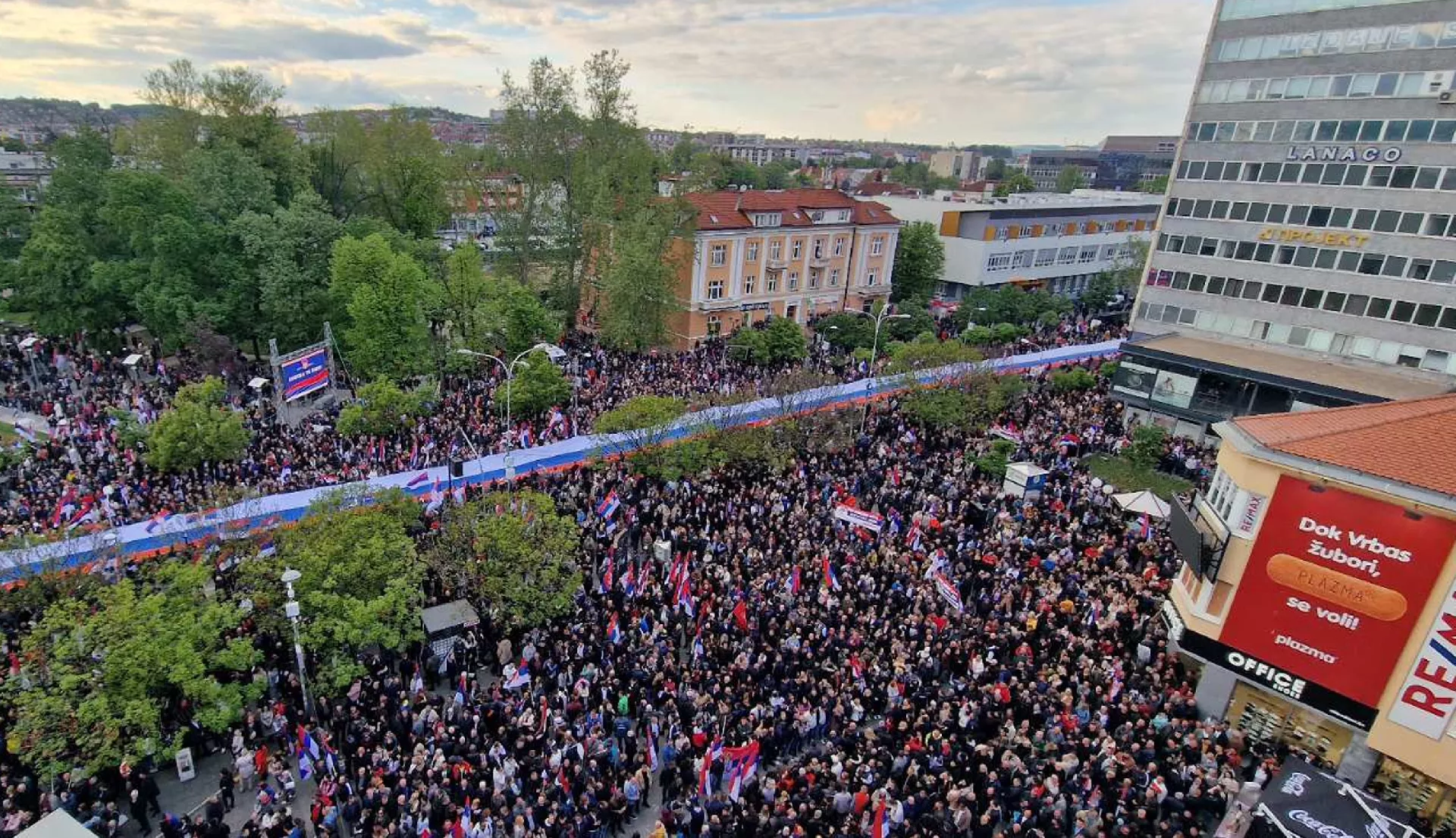
Streets of Banja Luka today
A few days ago, local authorities in Srebrenica made a decision to change street names, so Marshal Tito Street should be renamed to Republika Srpska Street, and Mihajlo Bjelaković Square should be renamed to Republika Srpska Square.
These days, meetings are being held at the headquarters of the international organization in New York regarding the Resolution, which should be considered in early May.
Kurt Bassuener from the Council for Democratization Policy tells VOA that it is important to adopt the Resolution on Srebrenica, because it is a registered historical and legal fact.
- The act of genocide has been adjudicated, and this is a belated international recognition. I am not surprised that Serbia is lobbying against the adoption of the Resolution, but I am shocked by the rhetoric mentioning a threat to peace. However, that is the operational system by which Aleksandar Vučić and Milorad Dodik work - Bassuener points out.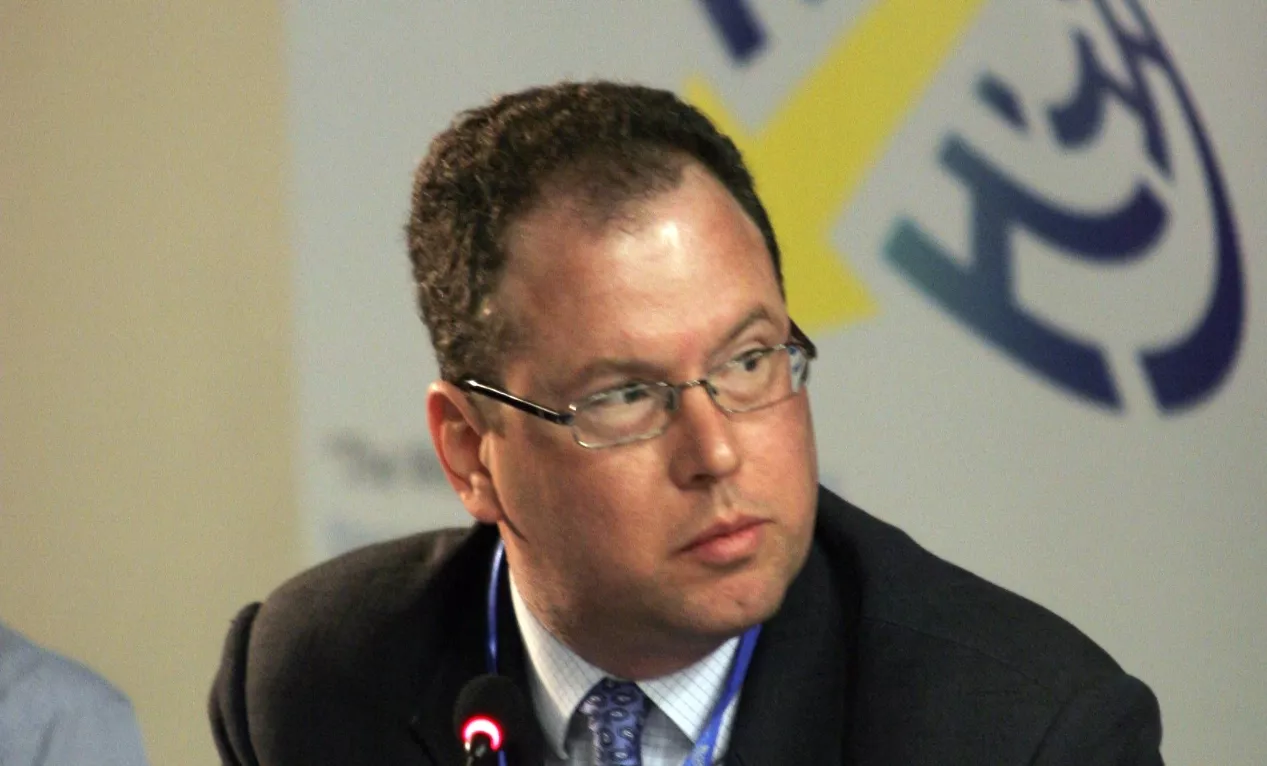
Bassuener: Important to adopt the Resolution on Srebrenica
The Chairman of the Presidency of Bosnia and Herzegovina, Denis Bećirović, and member Željko Komšić have traveled to New York.
"We continue activities with the aim of adopting a resolution on July 11 as the International Day of Remembrance and Commemoration of the Genocide in Srebrenica," Bećirović wrote on his Facebook.
The consultations were convened by the missions of Germany and Rwanda, together with the permanent missions of Albania, Bosnia and Herzegovina, Chile, Finland, France, Ireland, Italy, Jordan, the Netherlands, Liechtenstein, Malaysia, New Zealand, Slovenia, Turkey, and the United States.
Voice of America had access to the Draft Resolution, which stipulates that July 11 be declared the International Day of Remembrance of the Genocide in Srebrenica.
"Any denial of the Srebrenica genocide is unreservedly condemned, and member states are called upon to preserve established facts, including through the educational system, in order to prevent revisionism and the occurrence of genocide in the future," the Draft Resolution states.
Thanks to Russia, a United Nations Security Council resolution condemning the genocide committed in Srebrenica in July 1995 was blocked in 2015.
As a token of gratitude to the then Russian ambassador to the Security Council, Vitaly Churkin, who died in 2017, a memorial plaque was erected for him in East Sarajevo.
Denial of the Srebrenica genocide is a constant occurrence in the entity of Republika Srpska, as well as in neighboring Serbia. Russia also does not recognize the genocide committed in Srebrenica.
The persistent denial of the genocide and refusal to accept judicially established facts prompted former High Representative Valentin Inzko in 2021, at the end of his mandate, to impose laws that treat denial of genocide and other war crimes, as well as glorification of war criminals, as a criminal offense.
Despite this, prosecutors mostly reject such reports. According to available data, only one indictment was filed after Inzko's imposition of amendments to the Criminal Code of Bosnia and Herzegovina.
At the beginning of this year, the Court of Bosnia and Herzegovina confirmed an indictment against Vojin Pavlović for, as president of the Management Board of the Association Eastern Alternative of Republika Srpska, glorifying Ratko Mladić, the former commander of the RS Army, sentenced to life imprisonment, in Bratunac in 2023.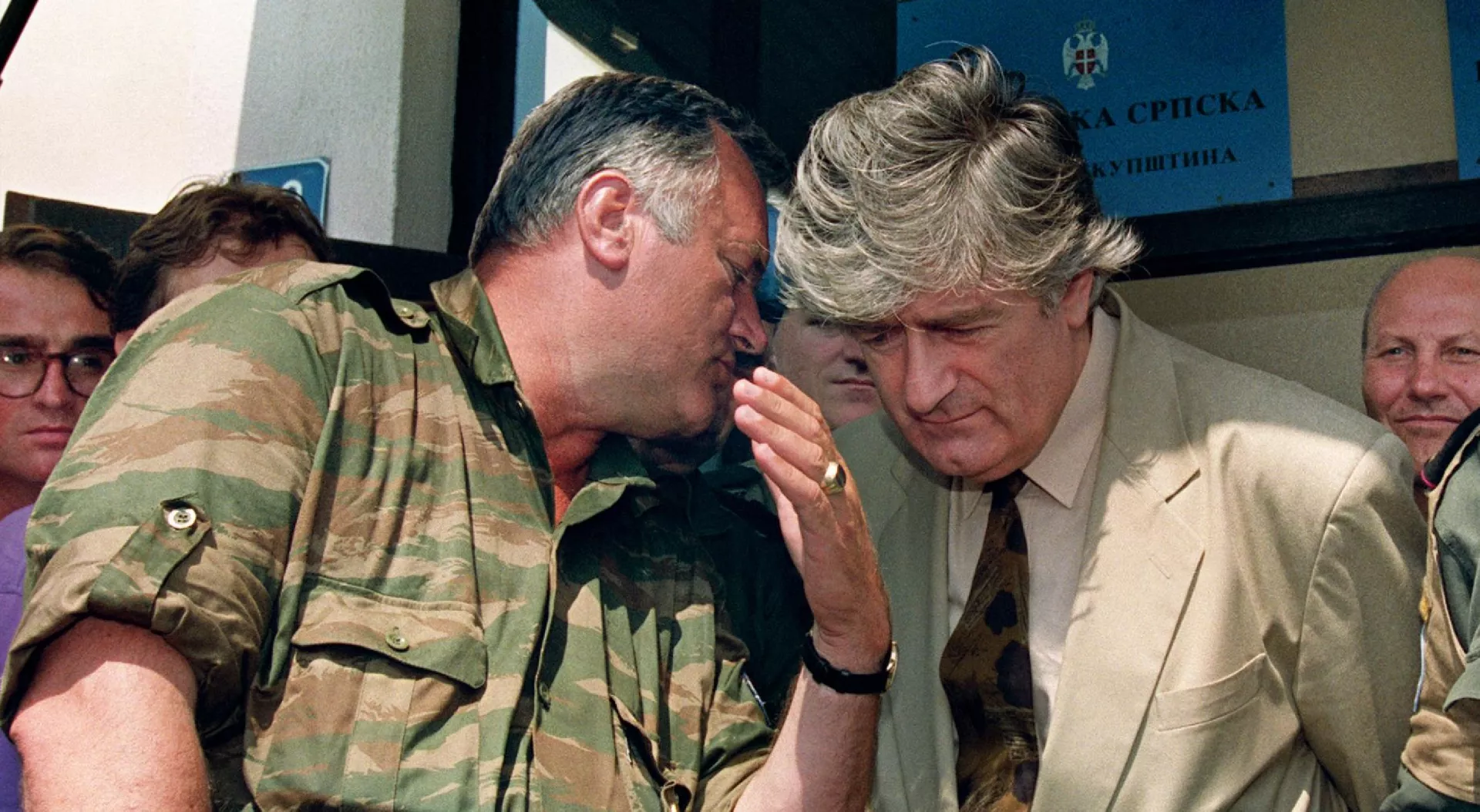
War criminals Mladić and Karadžić
The Srebrenica Memorial Center nevertheless noted that after Inzko's actions, the denial of the Srebrenica genocide and glorification of war crimes decreased. The Memorial Center's report covered the period May 2022 - May 2023.
After members of the RS Army, led by Mladić, entered Srebrenica on July 11, 1995, women, children, and the elderly sought refuge with UNPROFOR in Potočari, while the plan for able-bodied men was to break through the forest to Tuzla, which was under the control of the Army of Bosnia and Herzegovina.
In the following days, Serbian forces, implementing the genocide plan, executed more than 8,000 boys and men at various locations in the Zvornik and Bratunac areas. Accurate information about mass graves is extremely difficult to obtain while searching for about 1,000 victims of the Srebrenica genocide.
According to Detektor data, domestic, regional, and international courts have so far convicted 54 individuals for the Srebrenica genocide and other crimes, totaling 781 years in prison.
Ratko Mladić was sentenced to life imprisonment for the Srebrenica genocide and other crimes committed during the war in Bosnia and Herzegovina. Radovan Karadžić, the wartime president of the Republika Srpska entity, was also sentenced to life imprisonment.
Komentari (0)
Prijavite se za komentiranje
PrijavaJos nema komentara. Budite prvi!
Minuta
Sve →Iz drugih kategorija

High Representative Not Elected: Germans, French and British Sabotaged Americans, New Attempt at End of June

ČOVIĆ WITHOUT MERCY: How Those Who Brought Ademović to Office Created a Political Hell for Him



Sunny Saturday, quite warm



Tragedy in Albanian resort: Two minors drown












