
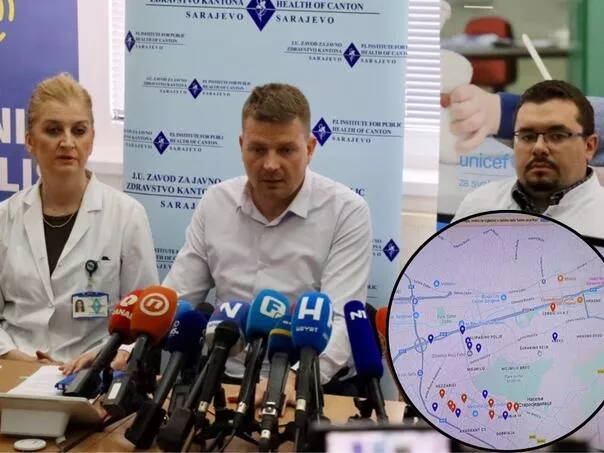
(Patria) - The Institute for Public Health of Sarajevo Canton held a press conference today where epidemiologists provided information on the current epidemiological situation regarding the occurrence of leptospirosis in the area of Dobrinja, as well as some other municipalities in Sarajevo Canton.
Director of the Institute, Zlatan Hamza, said that they are carefully monitoring and analysing all reported cases and taking all measures to prevent further spread of the infection.
"What is most important is that citizens remain calm, there is no need for panic because this is not the type of epidemic that unfortunately recently befell us. I call on everyone to follow the official recommendations of the competent institutions," said Hamza.
Dr. Anisa Bajramović, head of the Epidemiology Unit, emphasised that this disease is not subject to epidemiological investigation, that they act based on citizen reports, and then propose measures.
"We have determined that this is urban leptospirosis and that this disease is not subject to epidemiological investigation. It is very important that doctors recognise and report this disease on time, and then we carry out further surveillance as prescribed in the event of a leptospira outbreak. The mandatory systematic preventive deratisation programme entails such deratisation being carried out twice a year, in spring and autumn. When this is done, rodents are reduced to a biologically acceptable level and there is no epidemic," said Bajramović, who then spoke about the causes of the infection's emergence:
"Three-year programmes are adopted, which include two annual preventive deratisations. To prevent an epidemic, it is important to implement the prescribed programme. What happened here is that Sarajevo Canton did not carry out deratisation in the second half of 2022, throughout 2023, and in the first half of 2024. That is a full two years. That is why we now have what we have."
Bajramović denied rumours that the source of infection could be water, completely ruling out that possibility, and reminded that the first to report were men, mostly between 20 and 55 years old, who reported high fever with chills and malaise. She added that water is chlorinated and cannot be a source of infection.
"We received information about a cluster of patients in the area of Novi Grad Municipality, specifically Dobrinja and Aerodromsko Naselje, about 15 days ago. On May 15, we received the first three laboratory confirmations of infection. There were three hospitalised, but none were severe cases. All were treated with antibiotics and within two days the inflammatory parameters began to drop. Mandatory deratisation began at the beginning of May, which has been ongoing for the last three weeks. The first phase is completed, and now corrective measures are being taken, especially in the territory where we have cases. We are doing this in the hallways of the affected individuals. The Cantonal Administration for Inspection Affairs received a recommendation from us to carry out inspections of all markets, street vendors of fruit and vegetables, greengrocers... We will check all residential buildings in Novi Grad Municipality to see if deratisation, grass cutting, waste disposal, and other measures are being carried out regularly. All of this will help reduce the number of rodents inhabiting our areas."
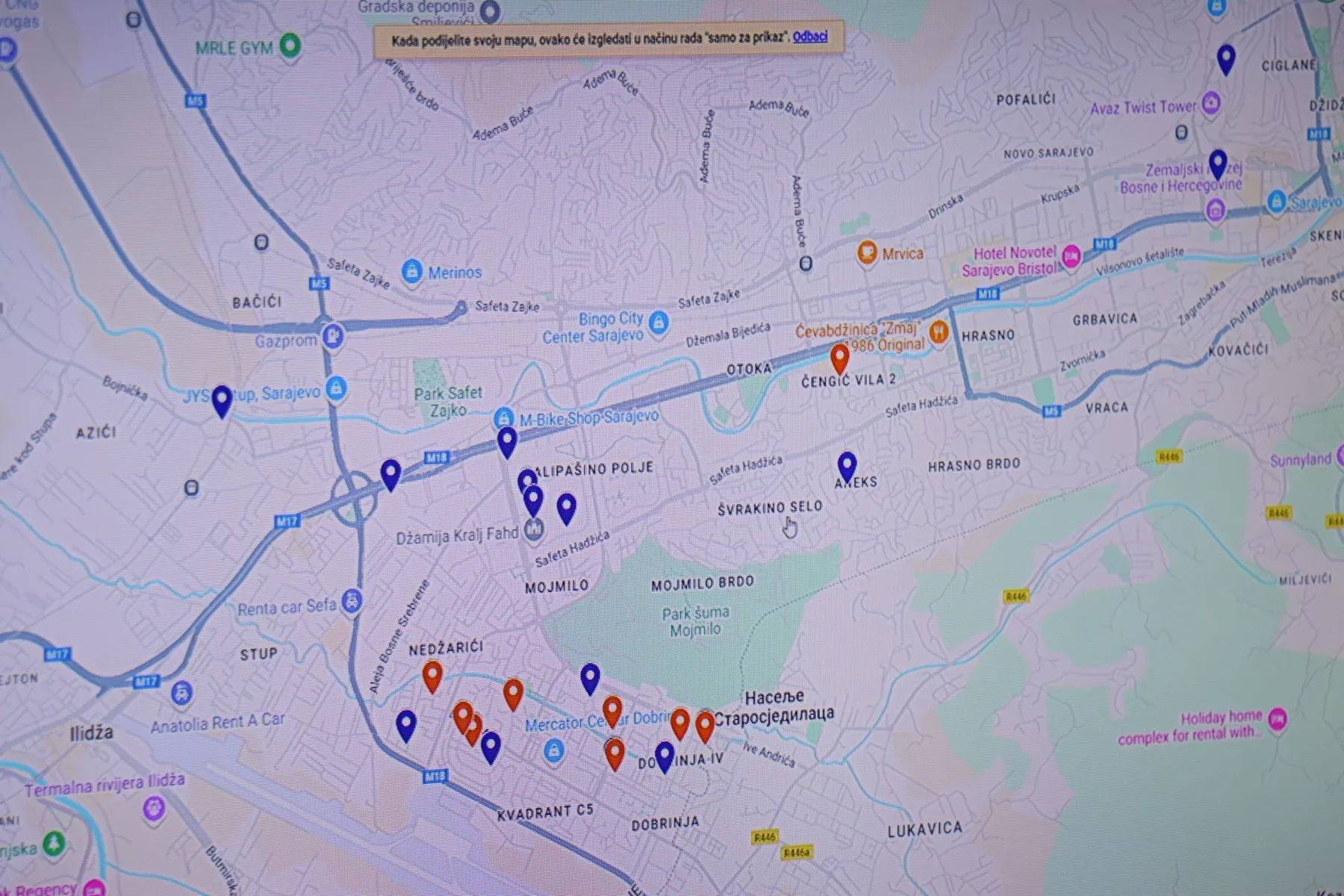
"We investigated and established that patients from Dobrinja have no particular source of infection, so we concluded that it is urban leptospirosis due to the increased number of rodents. We hope that in the next 15 to 30 days, the deratisation being carried out will have an effect," concluded Dr. Anisa Bajramović.
Epidemiology specialist Dr. Anes Jogunčić said that leptospirosis is reported in cities in Europe and the USA and that there are three main reasons for its spread.
"A longer period of wet days, irregular waste disposal, and the third thing is a dilapidated sewage network are the reasons for the spread. All patients went through the standard stages of the disease - first is fever, then headache, malaise, and then they feel better and think it has passed. After a period, the disease returns. All symptoms return, the temperature goes up to 40 degrees. The first patients who arrived were mostly linked to Dobrinja and Aerodromsko Naselje."
"Patients very often said that the basements of their buildings were flooded and that they had a very unpleasant smell. The main cause of the spread of the infection is also the activity of the rodents themselves, whose appearance the affected noticed in the settlements. There are cases in Alipašino, Ilidža, and Centar municipality," he said.
Finally, the director said that maintaining personal hygiene and household hygiene is a key measure for citizens.
Komentari (0)
Prijavite se za komentiranje
PrijavaJos nema komentara. Budite prvi!
Minuta
Sve →Iz drugih kategorija

High Representative Not Elected: Germans, French and British Sabotaged Americans, New Attempt at End of June

ČOVIĆ WITHOUT MERCY: How Those Who Brought Ademović to Office Created a Political Hell for Him



Sunny Saturday, quite warm



Tragedy in Albanian resort: Two minors drown












