
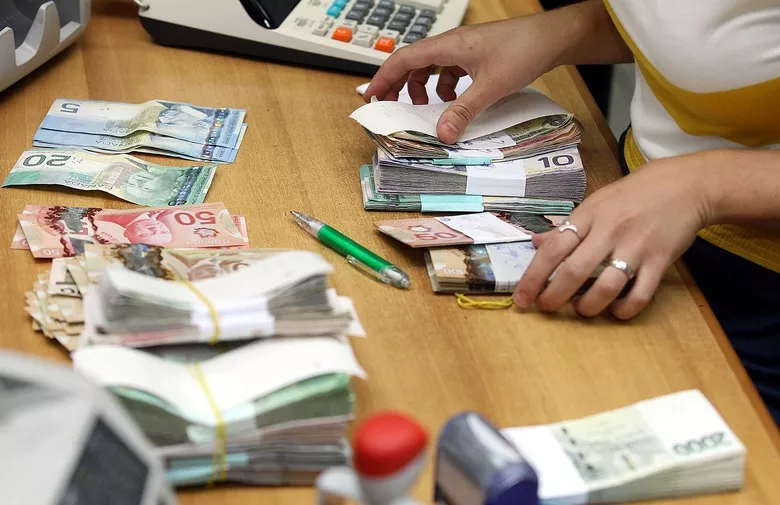
Citizens of BiH are increasingly indebting themselves, and solely for current consumption, while dedicated loans for purchasing apartments, entrepreneurship, and other long-term investments are in constant decline, reports the news agency Patria.
Total loans to the population in BiH increased by more than 220 million KM last year, but a more detailed analysis of the Central Bank's statistics shows that this growth was achieved exclusively thanks to an astronomical increase in expensive non-purpose loans and overdrafts.
According to data from the Central Bank of BiH, based on a sample of ten banks, total loans issued to the population by banks in BiH amounted to 5.9 billion KM at the beginning of 2015, increasing to 6.2 billion KM by the end of November.
Non-purpose consumer loans and card-based transactions increased by 277 million, while housing, car purchase, and entrepreneurship loans decreased by 57.8 million KM, analyzed the portal CAPITAL.
Non-purpose consumer loans increased by as much as 270 million KM. These loans amounted to 4.4 billion KM at the beginning of 2015, reaching 4.7 billion KM by the end of 2015. Card-based transactions increased by eight million to 230 million KM.
On the other hand, all other loans to the population decreased compared to the beginning of the year. Housing loans in January 2015 amounted to 1.24 billion KM, while at the end of November they were 1.19 billion KM. Loans for building or purchasing new apartments in January 2015 amounted to 668.1 million KM, and were 18.5 million lower in November.
A similar trend is seen with loans for purchasing existing apartments, which were 566.6 million KM at the beginning of the year, falling to 544 million KM by the end of the year. Loans for repairing existing apartments amounted to 7.8 million KM, and at the end of 2015, they were 6.3 million KM.
A decrease is also evident in loans for other purposes. Car purchase loans, which amounted to 9.1 million KM at the beginning of 2015, were 2.3 million KM lower by the end of November, amounting to 6.8 million KM. Interestingly, car loans in the past year decreased by as much as 36 million KM compared to 2008.
Entrepreneurship loans are also in decline, falling from 92.3 million KM to 79.4 million KM.
Mišić: New Labor Law is Forcing Citizens into Debt
Secretary of the Banking Association of BiH, Mijo Mišić, states that the worrying trend of increasing non-purpose loans and credit card debt is particularly pronounced in recent months.
“This tendency will certainly continue. One of the key reasons for this is the adoption of the new Labor Law, first in FBiH, and now in RS. This has, in a way, affected the status of employees. The proportion of fixed-term contracts will significantly increase, while on the other hand, we have somewhat simpler possibilities for dismissing employees, so job security is shaken, and citizens are less inclined to take out long-term loans. Furthermore, if they do not have an indefinite contract, they do not meet the basic requirement for a longer-term loan,” Mišić said.
Purchasing Power is Declining
On the other hand, he added, banks are also adapting to the new situation, offering more short-term, non-purpose loans. Mišić emphasizes that the purchasing power of citizens is also a significant reason why they are taking out fewer dedicated long-term loans.
“People are not deciding to buy apartments and solve existential issues because they lack economic security. Generally, the purchasing power of citizens is declining, and all of this has implications for consumption, which is a key generator of overall development,” Mišić emphasized, writes capital.ba.
Komentari (0)
Prijavite se za komentiranje
PrijavaJos nema komentara. Budite prvi!
Minuta
Sve →Iz drugih kategorija

High Representative Not Elected: Germans, French and British Against Americans, New Attempt at End of June

ČOVIĆ WITHOUT MERCY: How Those Who Brought Ademović to Office Created a Political Hell for Him



Sunny Saturday, quite warm



Tragedy in Albanian resort: Two minors drown












