
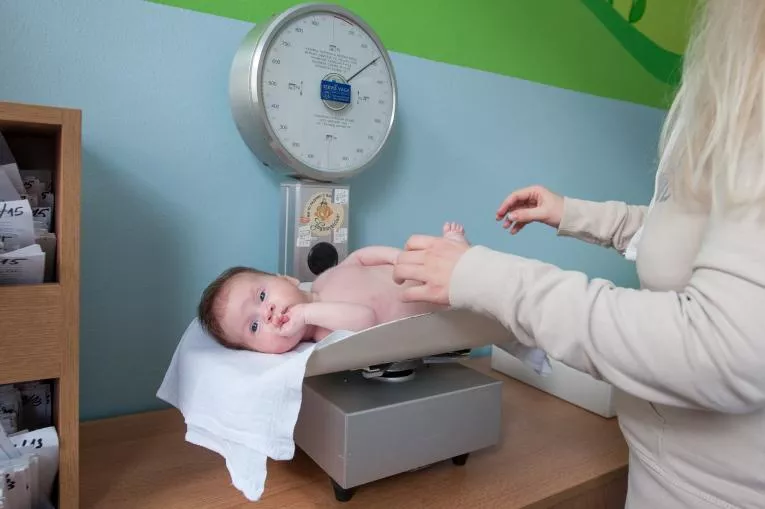
SARAJEVO, (Patria) - It is estimated that 72 babies will be born on the first day of the New Year in Bosnia and Herzegovina, UNICEF announced today.
This, as they state, represents 0.02 percent of the expected number of babies in the world, which amounts to 392,078.
"The start of a new year and a new decade is an opportunity to reflect on our hopes and aspirations, not only for ourselves, but for the future of those who will come after us," said Henrietta Fore, UNICEF Executive Director.
"As we begin flipping the calendars each January, we are reminded of the possibilities and potential of every child as they embark on their life's journey – if they are given that chance," she added.
In Fiji, in the Pacific, the first baby of 2020 will likely be born, and in the United States of America, the last. Globally, it is estimated that half of these births will occur in the following eight countries:
India — 67,385
China — 46,299
Nigeria — 26,039
Pakistan — 16,787
Indonesia — 13,020
United States of America — 10,452
Democratic Republic of the Congo — 10,247
Ethiopia — 8,493
Every January, UNICEF celebrates babies born on the first day of the New Year, which is a happy day for a child's birth around the world.
However, for millions of newborns, their day of birth is far less happy. In 2018, 2.5 million newborns died within the first month of life; about a third of them on the first day of life. Among these children, most died from preventable causes, such as premature birth, complications during childbirth, and infections like sepsis. In addition, more than 2.5 million babies are stillborn every year.
Over the past three decades, the world has made remarkable progress in child survival, reducing by more than half the number of children dying before their fifth birthday. Progress has been slower for newborns. Babies who died in the first month accounted for 47 percent of all deaths among children under five in 2018, up from 40 percent in 1990.
UNICEF's Every Child Alive campaign calls for urgent investment in quality education for health workers, to ensure that safe hands care for every mother and newborn, and to prevent and treat complications during pregnancy and childbirth.
"Many mothers and newborns are not cared for by trained and equipped midwives or nurses, and the results are devastating," Fore said, adding: "We can ensure that millions of babies survive their first day and thrive in this decade and beyond, if every one of them is born into safe hands."
Komentari (0)
Prijavite se za komentiranje
PrijavaJos nema komentara. Budite prvi!
Minuta
Sve →Iz drugih kategorija

High Representative Not Elected: Germans, French and British Sabotaged Americans, New Attempt at End of June

ČOVIĆ WITHOUT MERCY: How Those Who Brought Ademović to Office Created a Political Hell for Him



Sunny Saturday, quite warm



Tragedy in Albanian resort: Two minors drown












