
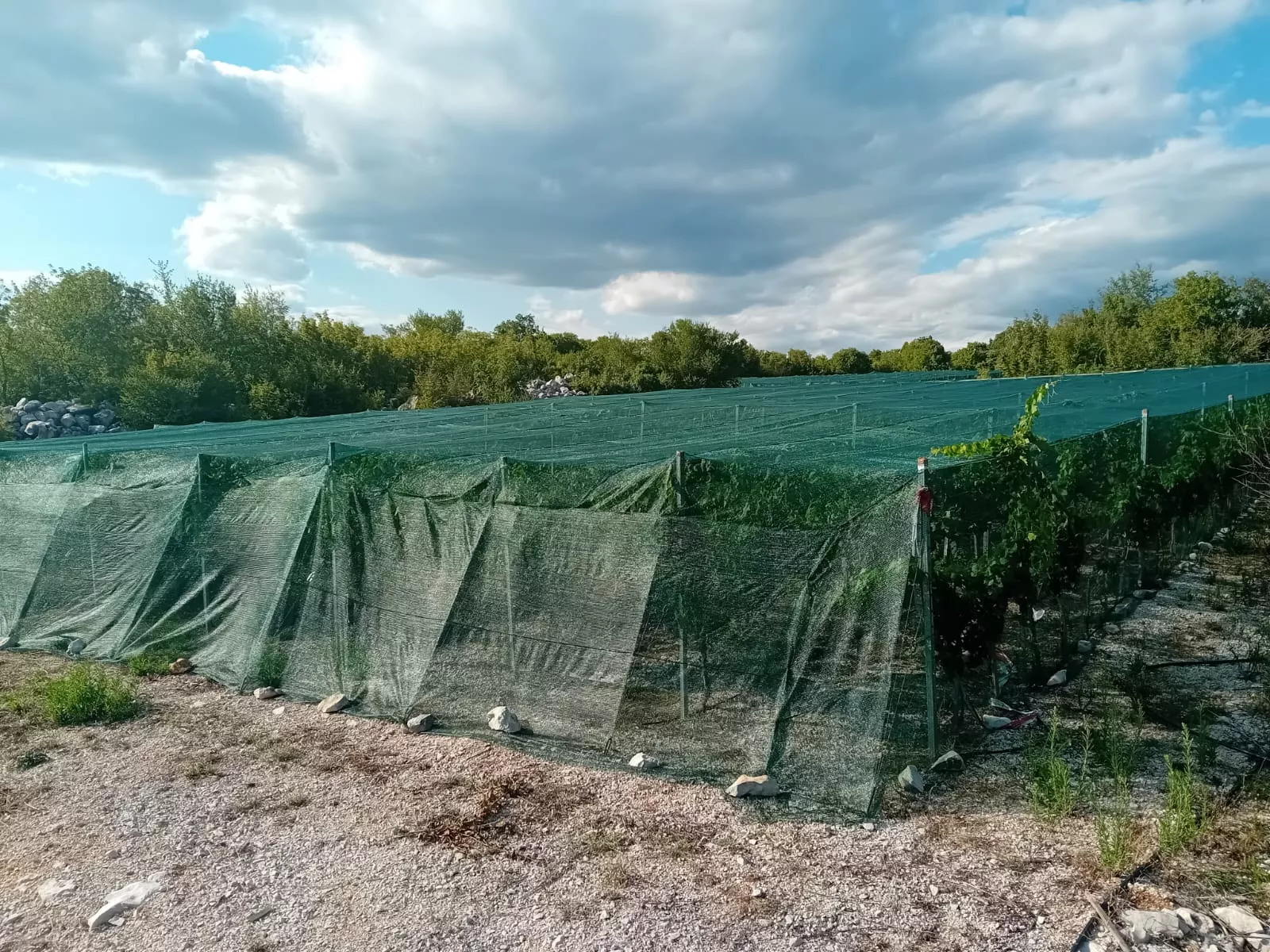
(Patria) - In Grude, a region of Herzegovina where vines grow despite stone and drought, the craft Podrum Bošnjak operates, owned by Radoslav Bošnjak – a winemaker, viticulturist, and beneficiary of the Fund for Professional Rehabilitation and Employment of Persons with Disabilities since 2016. On a family estate that preserves over a century of winemaking tradition, Bošnjak is developing a business that combines inherited experience and modern support models.
The story of his craft began long before him, in a time when his grandfathers and great-grandfathers planted the first vines in the rocky soil, clearing the land by hand and finding ways to extract the best from it. Podrum Bošnjak stands on this tradition today, and Radoslav continues it systematically and strategically, relying on institutional mechanisms that help him modernize the business.
"I have a registered craft, Podrum Bošnjak, which operates in the sector of primary agricultural production and processing. The key focus of our business is growing grapes in our own vineyards, continuously expanding new plantings, and producing high-quality wines from our own grapes," explains Bošnjak. He adds that controlling the entire chain – from planting to sales – ensures quality standards and market stability.
Operationally, Bošnjak is currently the only person with a disability formally employed in the craft, but he hires additional workers during the season. "During seasonal periods, in accordance with operational needs and the dynamics of work in the vineyards, we engage an additional number of workers for temporary jobs," he clarifies. This model allows him to maintain flexibility in his work and respond effectively to field demands.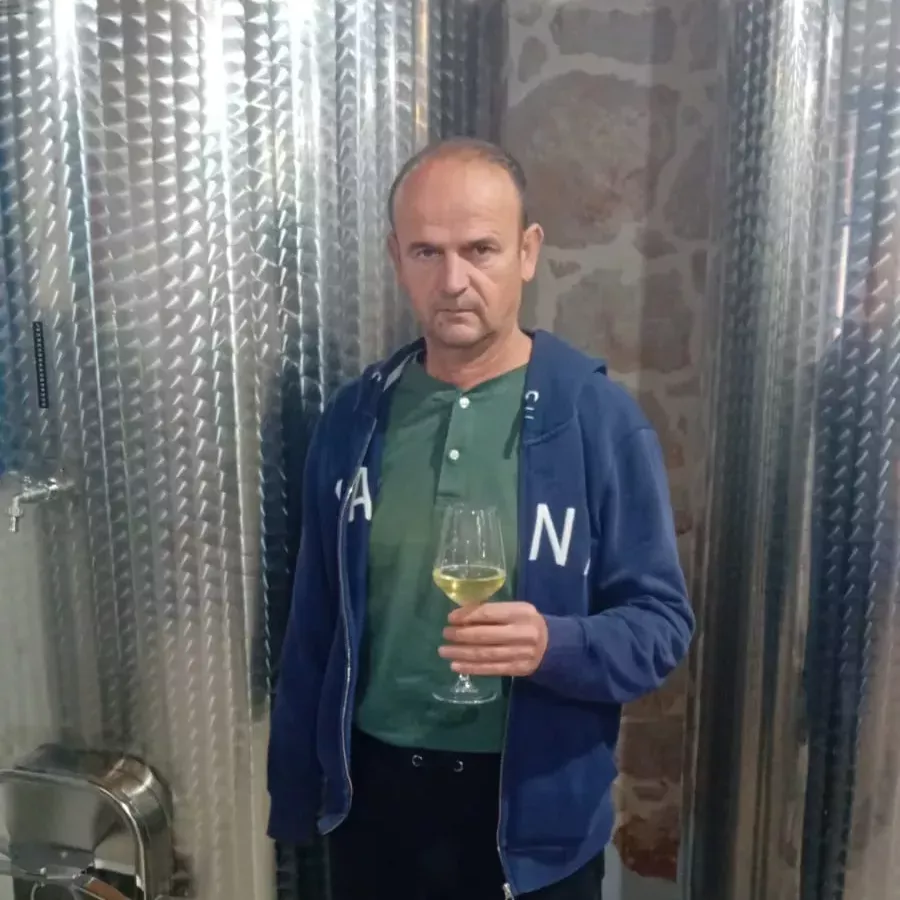
A turning point in his business development occurred in 2016, when he first heard about the Fund.
"I first learned about the Fund and its support programs through an acquaintance who already had positive experiences. The information was crucial in making the decision to formally open the craft and plan the development of viticulture and winemaking production," says Bošnjak. This knowledge guided him towards utilizing available measures and taking a strategic approach to investing in equipment.
Since then, he has continuously received support from the Fund, primarily for equipment that is crucial in all phases of the viticulture cycle. "Support for the procurement of specialized equipment, which is essential for establishing new vineyards, daily fieldwork, and the technological processing and production of grapes in the winery, has been key," he emphasizes. The effects have been multifaceted: modernization, standardization, and clear professionalization of the business.
He particularly highlights that the results of the support are visible in daily work.
"The Fund's support has had a very positive and measurable impact on the operational efficiency of the craft. It has significantly eased daily work thanks to modern equipment that reduces physical strain and increases productivity," he states. This is of immense importance to him as a person with a disability, but it also creates a safer, more inclusive working environment for everyone working in the vineyard.
When he talks about employing persons with disabilities, he explains it through the prism of experience.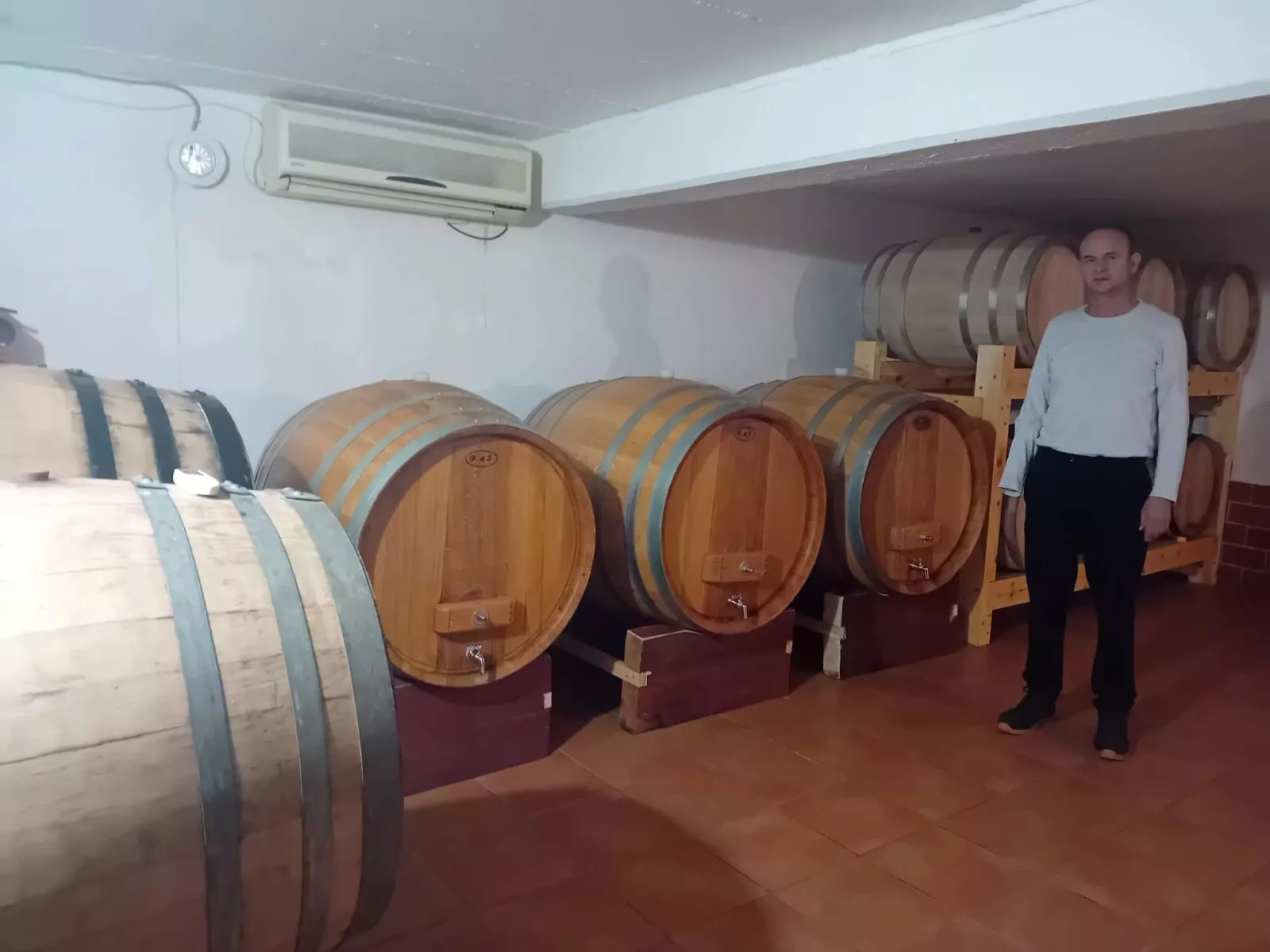
"The employment of persons with disabilities fosters an inclusive organizational culture, contributes to the company's social responsibility, and opens up opportunities for utilizing institutional support," explains Bošnjak. He adds that practical experience shows that persons with disabilities bring high motivation, dedication, and loyalty – qualities that are invaluable in production activities.
Therefore, his recommendation to other employers is clear.
"I would recommend that they consider the possibilities of employing persons with disabilities, because with adequate support from the Fund, this process becomes operationally simpler and financially more sustainable," says Bošnjak. He points out that the Fund not only facilitates employment but also improves work processes, enhances the quality of jobs, and contributes to the long-term stability of the company.
The story of Radoslav Bošnjak shows that sustainable development in small communities is not only possible but can also be a driving force for the local economy.
When tradition combines with modern tools and an inclusive approach to employment, the result is a business that grows steadily, naturally, and in the long term.
The Herzegovinian vine teaches a simple lesson: when we give people opportunities, business becomes more resilient, and the community stronger.
Komentari (0)
Prijavite se za komentiranje
PrijavaJos nema komentara. Budite prvi!
Minuta
Sve →Iz drugih kategorija

High Representative Not Elected: Germans, French and British Against Americans, New Attempt at End of June

ČOVIĆ WITHOUT MERCY: How Those Who Brought Ademović to Office Created a Political Hell for Him



Sunny Saturday, quite warm



Tragedy in Albanian resort: Two minors drown












