
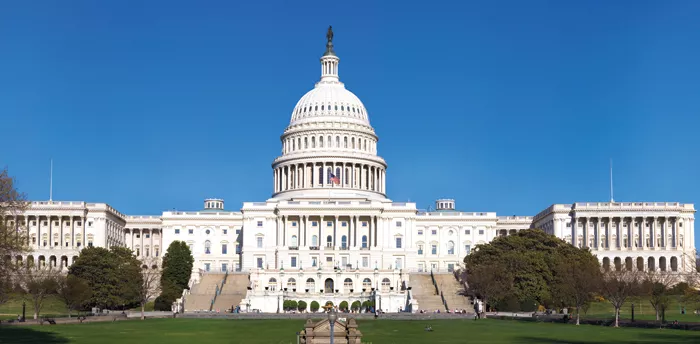
The US House of Representatives has unanimously adopted a resolution on Srebrenica, defining the crime of July 1995 as genocide, reports the Bosnian news agency Patria.
House Resolution 310 confirms that the policies of aggression and ethnic cleansing carried out by Serbian forces in Bosnia and Herzegovina constituted the crime of genocide, and condemns all statements that dispute this term. It also urges the recognition of unmistakable signs of genocide in future conflicts and the prevention of such crimes, particularly in light of conflicts in the Central African Republic, Burundi, and Syria.
The resolution was introduced by Republican Congressman Christopher Smith of New Jersey, Chairman of the Commission on Security and Cooperation in Europe, in mid-June. In a speech before the House, Smith stated that the international community is nearly unanimous in calling what happened in Srebrenica genocide.
- This week we pause to honor the brave Bosniaks who suffered and died, they were victims of genocide. This week we, the people of the United States of America, men and women of goodwill around the world, express our deepest condolences and respect to the mothers and surviving family members who have endured unspeakable grief and loss that time will never heal - Smith said.
He noted that 20 years ago, Bosnian Serb soldiers systematically killed more than 8,000 people in an area that had been declared a UN safe zone.
- They killed women and children of the Muslim faith, and they particularly wanted to kill adult men. These brutal murders were not committed in combat, but against unarmed and helpless people whom Dutch peacekeepers had assured would not be harmed if they surrendered - Smith said.
He said that UN troops, under Security Council Resolution 836, were obligated to protect civilians, even by using force, but when the moment came, they offered very little resistance because military commanders had the primary goal of protecting UN troops, not civilians.
- Everyone was scared. It is easy to die in such an operation. As far as I know, we were not sent to Srebrenica to protect the enclave, but as a kind of observer - Smith quoted one of the UN soldiers who was in Srebrenica. He expressed disappointment with such a turn of events.
- Those peacekeepers became observers of genocide, and soon they were more than that. Namely, on July 13, Dutch peacekeepers handed over to the Serbs Bosnian Muslims who had sought protection from them. They watched as men were separated from women and children, a process already known in Bosnia as a sure sign of mortal danger. No one ever saw or heard from these men again - Smith said.
Smith told his colleagues about the confessions of genocide victims he personally heard from survivors. The resolution contains eight points:
1.) Confirms that the violence and ethnic cleansing carried out by Serbian forces in Bosnia and Herzegovina from 1992 to 1995 fall under the definition of genocide, according to Article 2 of the Convention on the Prevention and Punishment of the Crime of Genocide.
2.) Condemns all statements that deny or question the term "genocide" regarding Srebrenica.
3.) Calls on the Committee on the Prevention of Crime to learn lessons from Srebrenica, with the aim of preventing future crimes, particularly regarding Syria, Burundi, and the CAR.
4.) Encourages the United States to continue and strengthen support for the territorial integrity and independence of Bosnia and Herzegovina, peace and stability in Europe, and the right of all people, regardless of national, racial, religious, or ethnic background, to return to their homes and enjoy democracy, the rule of law, and economic opportunities, and to learn the fate of missing relatives and friends.
5.) Recognizes the achievements of the International Commission on Missing Persons (ICMP), and commends this organization for its assistance to BiH, and for finding about 90 percent of those missing after the Srebrenica crime and 70 percent of those missing in the entire conflict in BiH.
6.) Commends the arrest and extradition to the court in The Hague of all persons indicted for war crimes, crimes against humanity, genocide, and violations of the Geneva Conventions, particularly the arrests of Radovan Karadžić and Ratko Mladić, which helped strengthen peace and reconciliation between the countries of the region and their citizens.
7.) Recognizes that it is in the national interest of the United States that persons responsible for crimes and violations of the laws and customs of war be held accountable for their misdeeds, and that the work of the International Criminal Tribunal for the former Yugoslavia should receive continued support until all trials and appeals processes are concluded.
8.) Pays tribute to the thousands of people killed in Srebrenica, in Bosnia and Herzegovina, in July 1995. Also, pays tribute to foreign nationals, including US citizens, and individuals in Serbia and Bosnia and Herzegovina, as well as in the region, who risked and in some cases lost their lives in the defense of human rights, freedoms, and respect for ethnic identity without discrimination.
Komentari (0)
Prijavite se za komentiranje
PrijavaJos nema komentara. Budite prvi!
Minuta
Sve →Iz drugih kategorija

High Representative Not Elected: Germans, French and British Sabotaged Americans, New Attempt at End of June

ČOVIĆ WITHOUT MERCY: How Those Who Brought Ademović to Office Created a Political Hell for Him



Sunny Saturday, quite warm



Tragedy in Albanian resort: Two minors drown












