
By Armin Sijamić
Last week, without prior announcement, first Oman, then the United States, and then the Houthis, declared the end of the US military's involvement in combat off the coast of Yemen. In parallel, US President Donald Trump spoke of the end of the war in the Gaza Strip and an agreement with Iran.
The way Donald Trump conducts policy deviates from all his predecessors in the position of president in the modern history of the United States. Directly, without announcement and without any hints that a process is underway, Trump informs the public about decisions he has made.
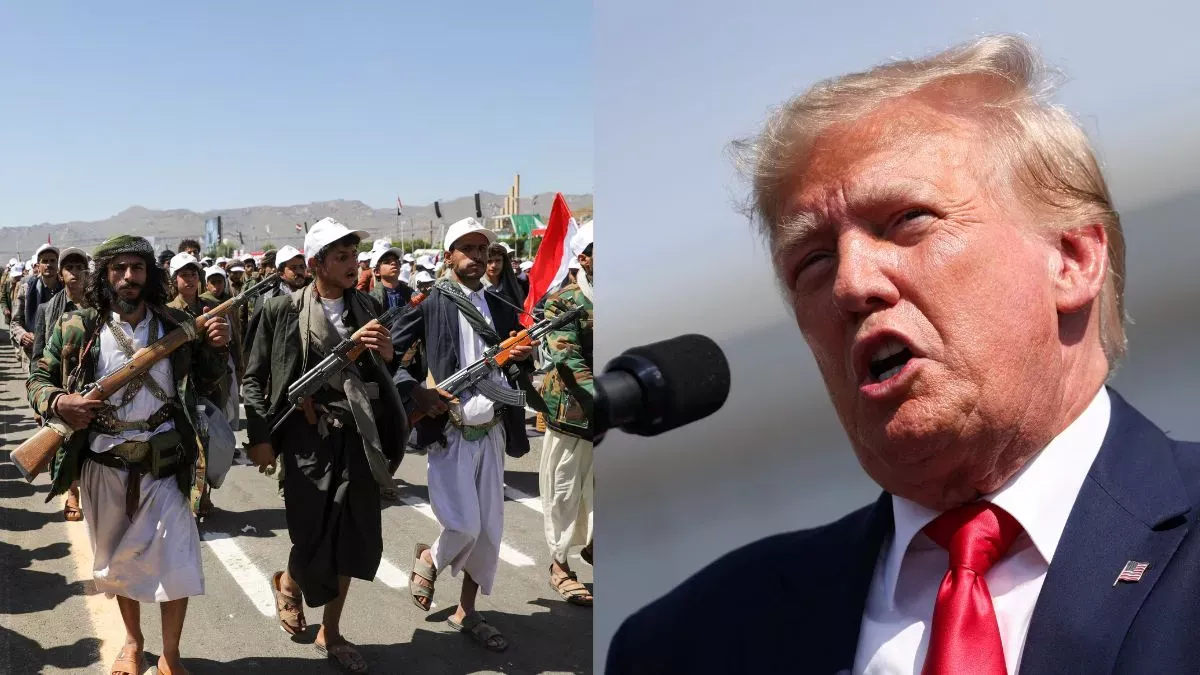
While the public was preoccupied with the conflict between Pakistan and India, which he described as "disgraceful," he told the public that he had reached a truce with the Yemeni Houthis. Some time earlier, Oman had announced an agreement in a statement, and then the Ansar Allah movement confirmed it. Some say that Israel was not informed of these negotiations.
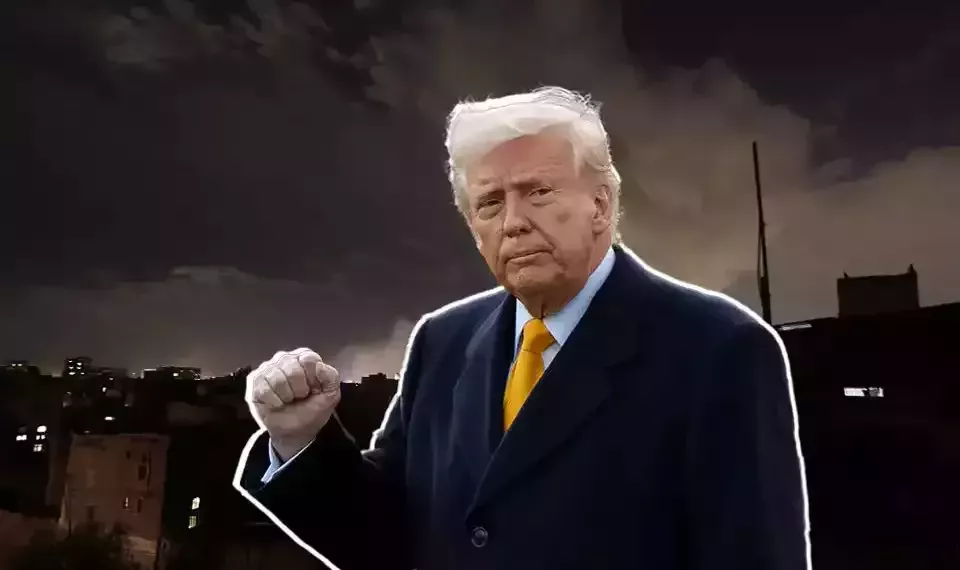
All parties interpreted the agreement differently. Oman acted as a neutral mediator, while Trump and the Houthis declared victory. Muscat's statement said that "following recent discussions and contacts conducted by the Sultanate of Oman with the United States and the relevant authorities in Sana'a, in the Republic of Yemen," the parties agreed not to attack each other, "including US ships," in the Red Sea and the Bab el-Mandeb strait.
Two Versions
Trump presented the agreement as his victory. He said that the Houthis contacted Washington and said they "don't want to fight anymore" and assessed that they had "capitulated." He added that the Americans had "hit them hard" and that the Houthis had "shown the capacity to take punishment." Trump further stated that "it was incredible what they endured" and that he acknowledged the Houthis for the "commitment and word" they had given.
The Houthis are also celebrating victory. They acknowledged contacts through Oman and stated that the agreement only applies to US ships and the US military, and that they will continue their operations against Israel "until the aggression against Gaza stops and the blockade of its citizens is lifted."
The Houthis presented the agreement as Trump abandoning Benjamin Netanyahu and as a continuation of their support for the Gaza Strip, which is why they engaged in conflict with Israel and subsequently with the United States. Shortly before the public learned of the agreement between the Houthis and Washington, Israel attacked the port of Hodeidah, a cement factory, and the international airport in the Yemeni capital as revenge for an attack with a hypersonic missile that fell a few hundred meters from Israel's main airport in Tel Aviv. For months, US aircraft had been destroying parts of Yemen controlled by the Houthis.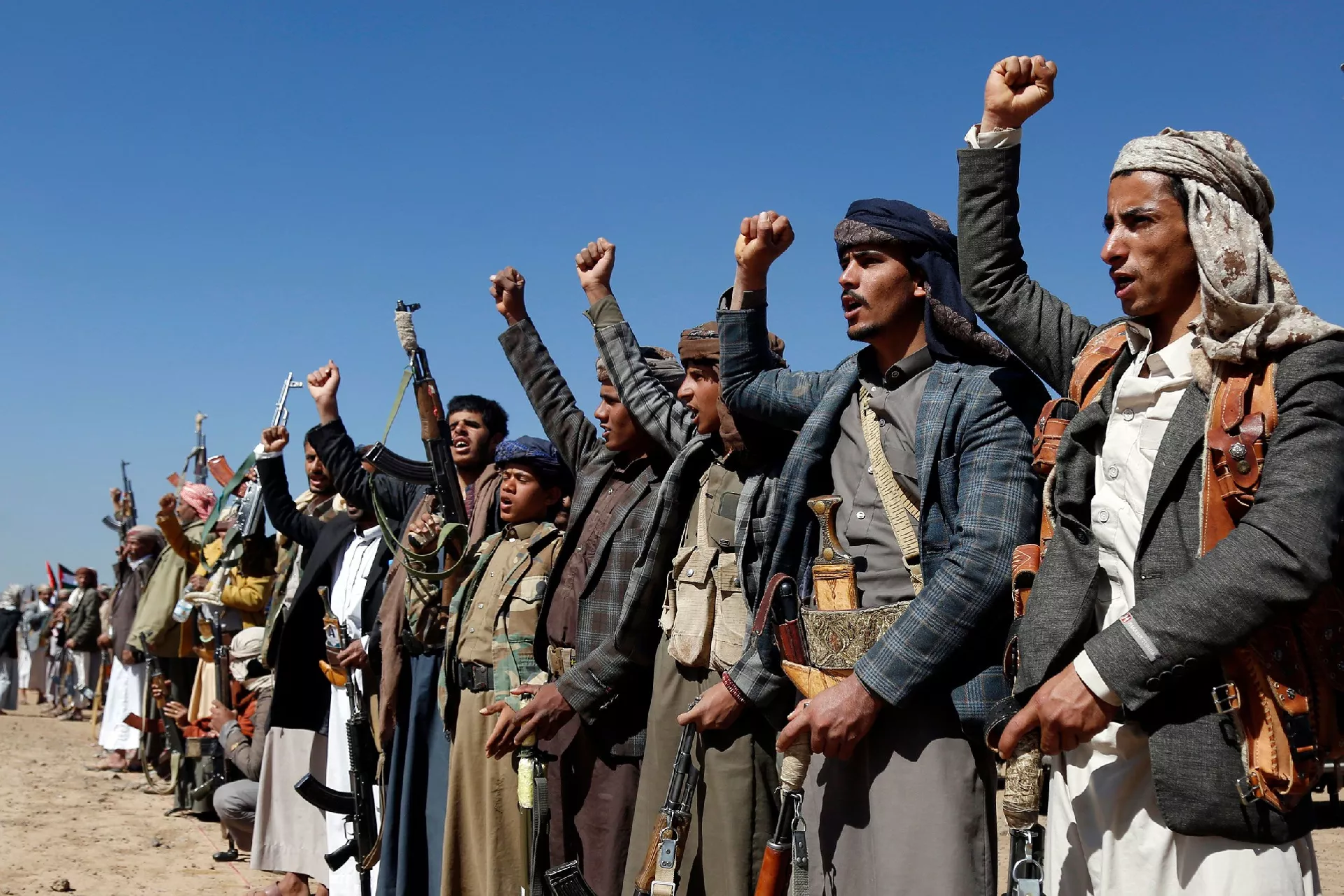
Why an Agreement Now?
The agreement is important for the Houthis for several reasons. At this moment, the most important thing is that the conflicts with a power that deployed multiple aircraft carriers off the coast of Yemen and operated from numerous bases in the region have ceased. Another important reason is the negotiations themselves. In March, Trump designated the Ansar Allah movement as a terrorist group, after Joseph Biden had removed them from that list. Finally, the fact that Trump acknowledged them and respects the word of a group he considers a terrorist organization provides the Houthis with legitimacy for further profiling on a regional and international level. Oman's mediation, as stated by Muscat with "relevant authorities in Sana'a," further confirms this legitimacy.
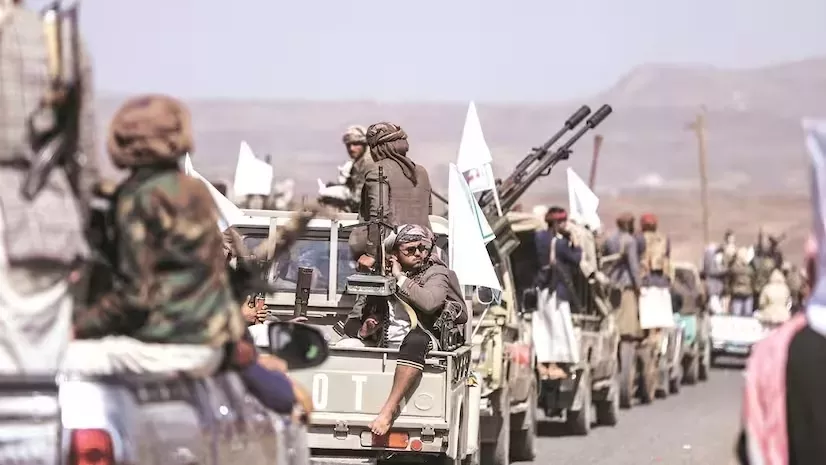
If we look at the military aspect of the cessation of US actions against the Houthis, several things can be observed. First, the Americans did not break the Houthis or their capacity to wage war against the world's largest military power. The Houthis have proven capable of using high technologies, which is entirely different from the wars waged in Afghanistan and Iraq, for example. Second, the Houthis inflicted losses on the adversary. The Americans lost two F/A-18 aircraft, which reportedly crashed from an aircraft carrier, and seven advanced MQ-9 Reaper drones. Third, the Houthis found an intact US AGM-88 missile designed to destroy radar, which is of particular interest to Iran, known for its reverse engineering. Fourth, after months of bombing and billions of dollars spent, the US military ran out of targets. It seems the Houthis have hidden their important capabilities underground.
Looking at the bigger picture, the US-Israeli war against the Houthis has revealed several other things. The Houthis managed to nearly hit Ben Gurion Airport in Tel Aviv from a distance of two thousand kilometers, and it was defended by Israeli and American systems. The Americans had previously deployed state-of-the-art missile interceptors in Israel. US warships in the Red Sea also have interceptors, and the Houthis had to penetrate or bypass Saudi air defenses.
This performance by the Houthis, who suffered greatly in the confrontation with the US military, is important for Iran and China. In Tehran, which is negotiating with Washington through Oman's mediation and anticipating a possible Israeli attack, they can be particularly pleased with the attack on the Tel Aviv airport, as this operation has become a new Iranian deterrent. Immediately after that event, Iran announced that it had successfully tested the Qassem Basir ballistic missile, capable of hitting Israel and US bases in the region.
China, on the other hand, views the confrontation between the US military and the Houthis as a test for a potential conflict with Washington. According to expert estimates, the main asset of the US side in such a conflict would be aircraft carriers deployed near China's coast. What the Houthis have done, incomparably weaker in every respect than the US and Chinese armies, certainly pleases Beijing.
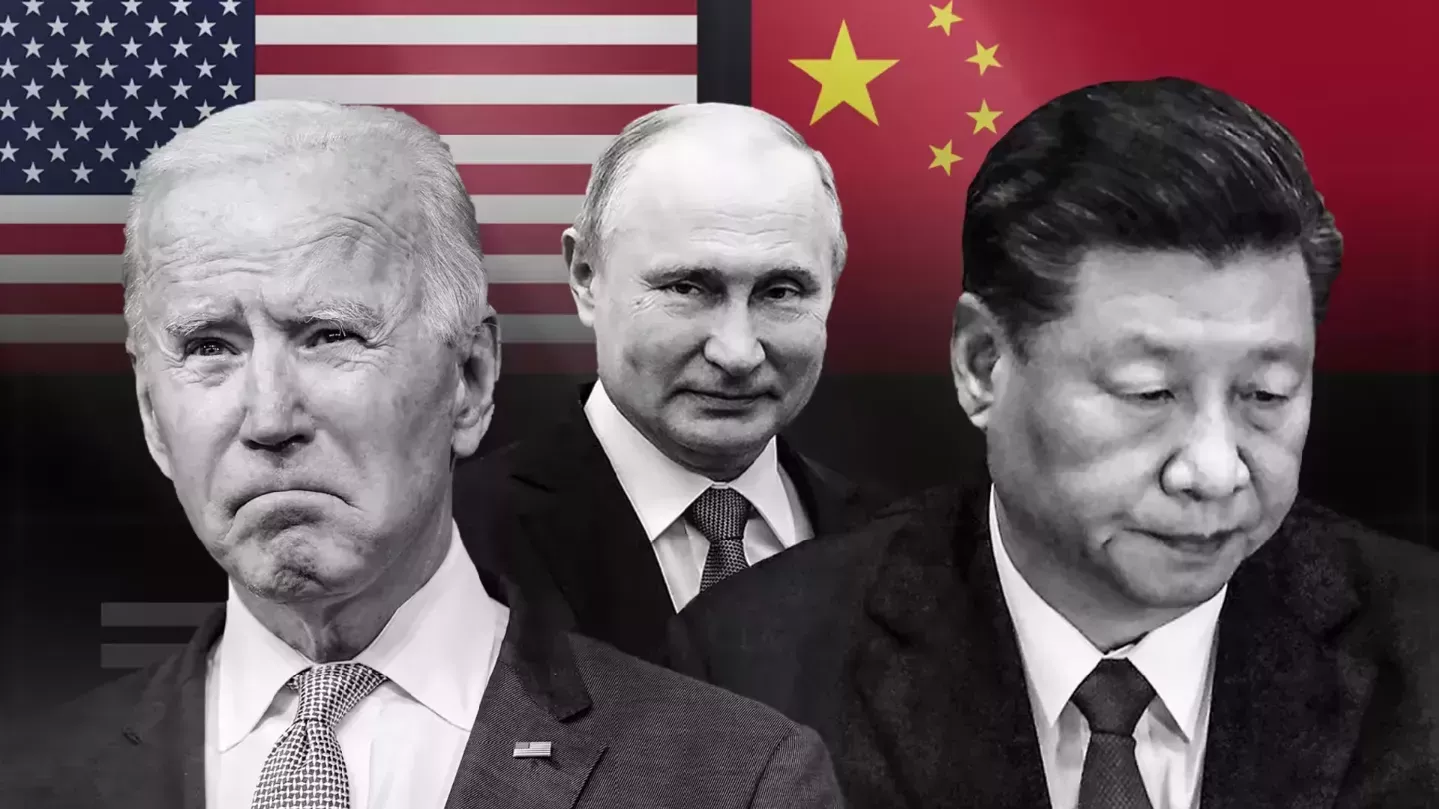
Trump's Diplomacy and Threats from Rivals
Trump's truce with the Houthis could be a concession to Tehran. The US President is thus showing a willingness to approach Iran while keeping the possibility of using military force open. The truce came before Trump's trip to the Middle East, which will be used for secret and public messages to Tehran. His visit to Saudi Arabia yesterday, and to Qatar today, may be the right opportunity for this.
After months of bombing the Houthis, where according to US data about a thousand targets were hit, Trump decided to prioritize diplomacy. As a politician who built his image on the claim that he would end American wars, this is an important signal, especially while threatening Iran with military force.
However, to finally remove all these issues from the agenda, two questions need to be resolved. The first concerns the war in the Gaza Strip, and the second concerns Iran's nuclear program.
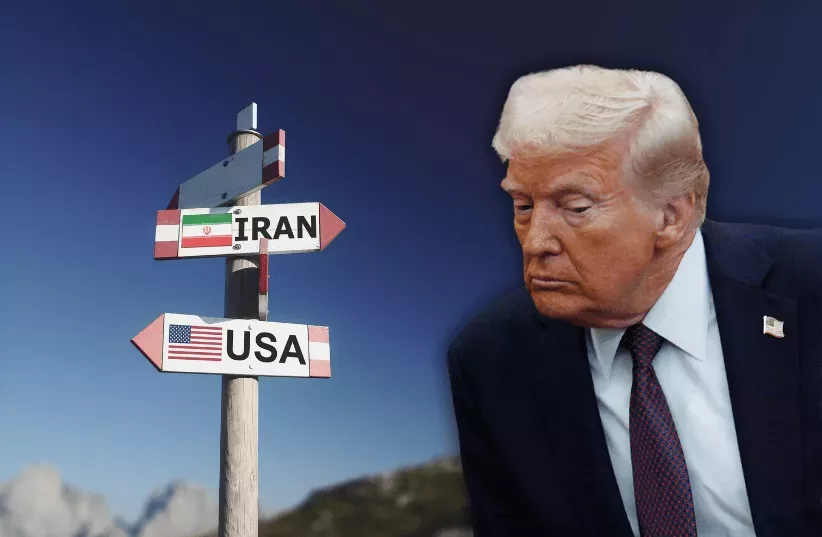
The Houthis, like anyone else capable of thinking, do not want war with the US. Their attacks on ships docking in Israeli ports are a way of supporting the Gaza Strip. The Houthis demand an end to the war in the Gaza Strip and for humanitarian aid to reach its people in exchange for ending operations against Israel.
Trump can resolve both issues. There was an agreement with Iran on the nuclear program, and Trump withdrew the United States from it during his first term under pressure from Netanyahu. Trump holds the keys to ending the war in the Gaza Strip. Washington can force Netanyahu to end the war. Trump's optimism about the end of the war in the Gaza Strip gives hope that peace will come soon.
Meanwhile, the Houthis have announced revenge for the attack on the airport in Sana'a and have since attacked Israel with missiles at least twice. Netanyahu has told the Houthis they will be punished and Iran that all options are on the table, while Tehran has told Israel and the United States that any attack on Iran will be met with a response. All of this is happening while Trump is simultaneously using military force and diplomacy.
Komentari (0)
Prijavite se za komentiranje
PrijavaJos nema komentara. Budite prvi!
Minuta
Sve →Iz drugih kategorija

High Representative Not Elected: Germans, French and British Against Americans, New Attempt at End of June

ČOVIĆ WITHOUT MERCY: How Those Who Brought Ademović to Office Created a Political Hell for Him



Sunny Saturday, quite warm



Tragedy in Albanian resort: Two minors drown












