
By Armin Sijamić
India holds an important place in the plans of major powers. It is now under special scrutiny by the United States and Russia, and the stake is a possible strategic shift by the most populous country in the world.
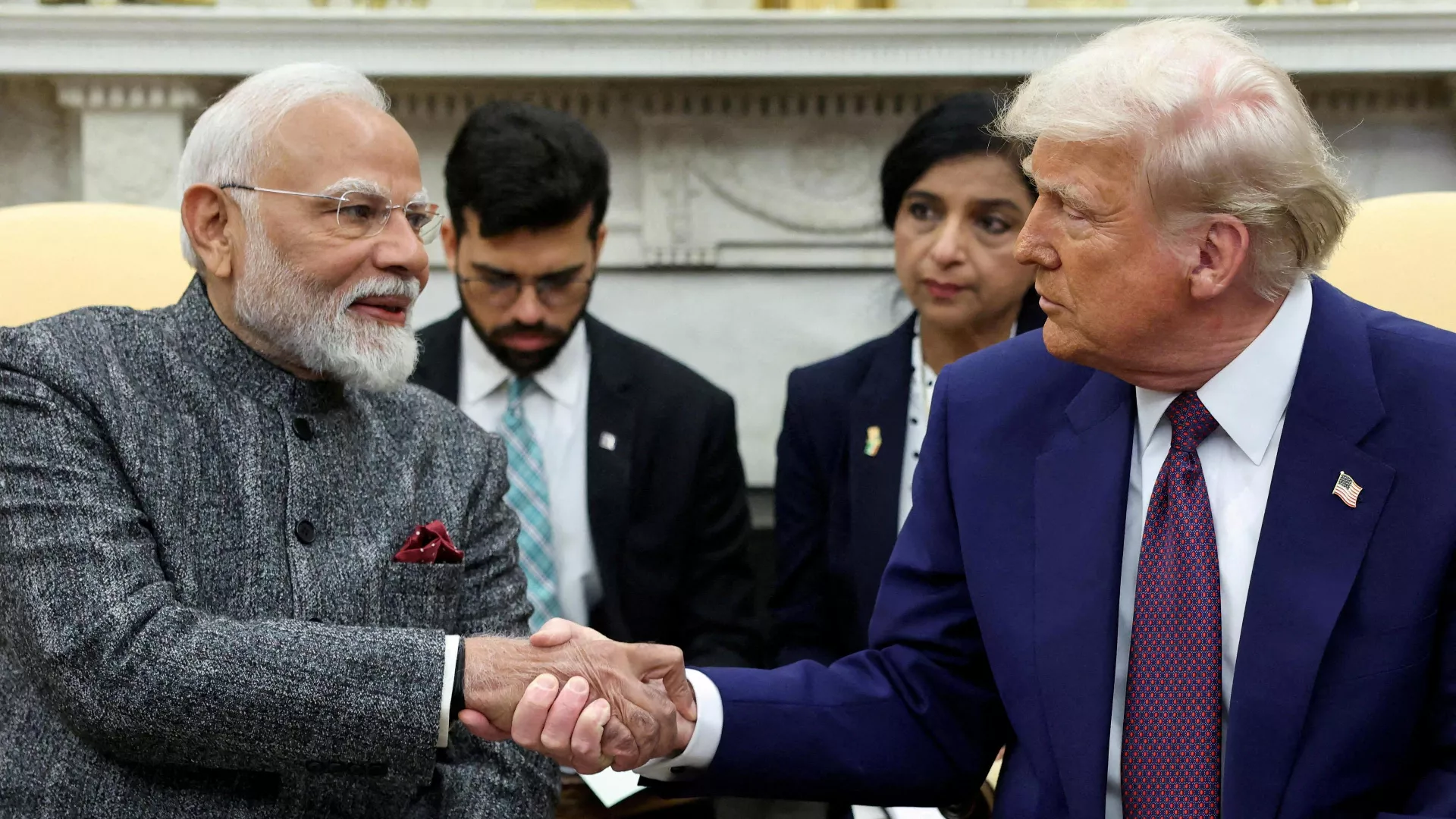
US President Donald Trump is often not satisfied with a country leaning to one side in a geopolitical dispute – he seeks total victory and is willing to risk everything for it. The latest such case is India, to which former US President Joseph Biden paid special attention, intending to distance it from Russia and strengthen it as a rival to China.
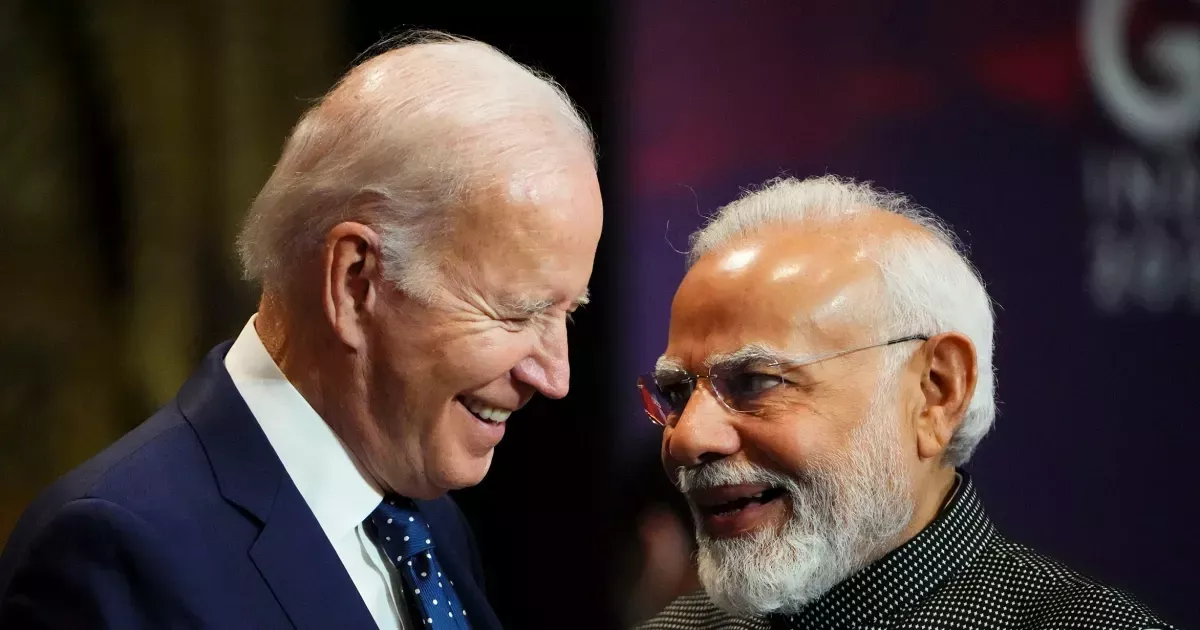
Biden had significant victories in this regard, and India took a course that often did not suit Russia and China. Nationalist Narendra Modi did not support Russia's aggression against Ukraine, and within BRICS, he ensured that the group did not take any action that could seriously harm the West.
A Partnership That Worries China
In return, Prime Minister Modi bought Russian and Iranian oil with impunity, attracted investments from the West, and positioned India as a bridge between Washington and the member states of BRICS and the Shanghai Cooperation Organisation (SCO). Such an approach fit the image Modi wanted to project of himself.
Trump's Return
But things are different with Trump. In just half a year, he has spoken ill of India multiple times, claimed credit for ending the last Indo-Pakistani conflict, and recently imposed a 25 percent tariff on Indian imports to the US. Soon, the tariffs rose to 50 percent because India was buying Russian oil. Yesterday, India announced it was pausing its purchase of Russian oil.
Modi knows that Trump has no brakes when he feels something could benefit him and that he does not hesitate to use the tools at his disposal. Let's recall that in his first term, the US withdrew from the nuclear deal with Tehran and recently, in his second term, exchanged fire with Iran, or that he left the Nuclear Non-Proliferation Treaty with the intention of harming Russia.
Washington is now asking New Delhi to stop buying oil and weapons from Russia. For India, which is hungry for development (cheap Russian oil) and foreign investment (mostly from the West), this is a call to finally take a side, i.e., to choose between the United States and Russia.
Trump's insistence that India stop buying Russian oil was explained by his intention to force Russian President Vladimir Putin to end the war in Ukraine, and the purchase of American weapons would be a continuation of the agreement with Biden. Trump has sweetened the offer and is offering India American F-35 Lightning fighter jets, which many believe are the best in the world.
Price and Quality
There is no doubt that India wants American planes. However, India does not have the money for all its desires. The price of the aforementioned F-35 model is around 110 million dollars per unit, plus the cost of weapons, and the cost of flight hours ranges from 36 to 56 thousand dollars. The cheapest F-35 models cost around eighty million dollars.
Trump believes that the offer to India to buy American planes is enough for it to give up Russian planes. The offer came at a time when India is considering whether to buy Russian Sukhoi-57 planes, which are also fifth-generation aircraft and cost around fifty million dollars. Russia and India would produce these planes together. This would also be a better solution for India from a technical standpoint, as it uses Russian planes, and the Su-30 aircraft are produced in the Indian city of Nashik. Russians claim the SU-57 is the best in the world, but analysts note that Russia does not use it much, for example, in the war in Ukraine.
India needs a strong air force to compete with Pakistan and especially China. It is estimated that India needs between thirty and forty fighter jets annually. Reportedly, India currently has just over thirty fighter jets in operation, while neighboring China has acquired 435 combat and attack aircraft in the last decade. At the same time, India has lost 151 aircraft under various circumstances.
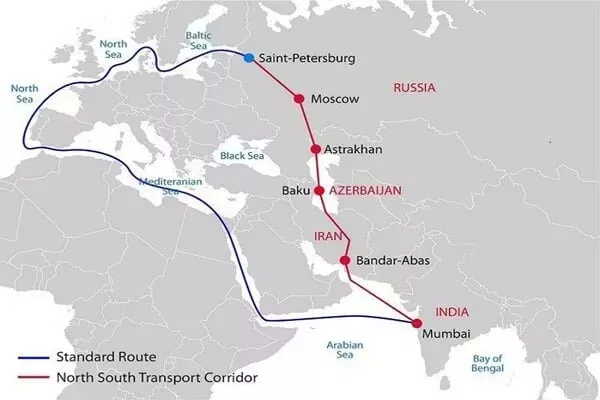
The choice of Russian planes is also related to Russian oil, i.e., economic projects that India has been working on to compete with China and position itself as an important country in the multipolar world that New Delhi desires. One such project is the "North-South" corridor, which is intended to connect Russia's St. Petersburg with India's Mumbai via Iran.
India Chooses
In other words, Trump is asking India to take sides in the confrontation between Washington and several BRICS members, after recently stating that this group of countries wants to undermine American dominance and reduce the use of the US dollar.
In addition to weapons, Trump is also offering oil from the United States and from countries not under sanctions. Biden attempted to satisfy India's desire for development and closer ties with the West with the "IMEC" corridor, an acronym for India, the Middle East, Europe, and the corridor. This way, according to some, a "new China" could be created in India with the help of Western companies.
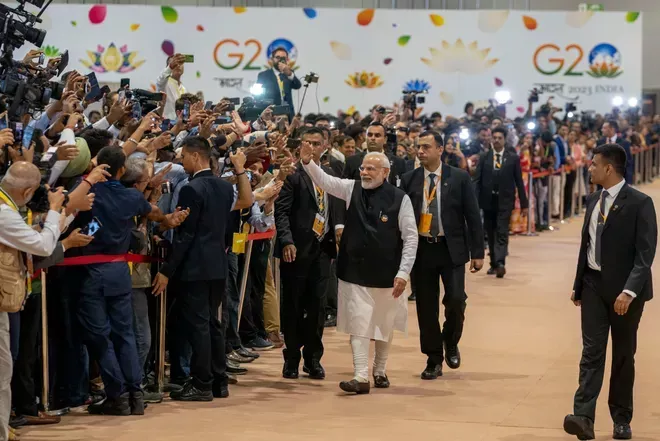
Modi's policy so far has been exclusively to follow India's interests, particularly highlighted by his Foreign Minister Subrahmanyam Jaishankar, who wrote in his book "The India Way: Strategies for an Uncertain World": "This is the time for us to engage with America, manage China, cultivate Europe, reassure Russia, bring Japan into play, draw neighbours in, expand the neighbourhood and expand traditional
constituencies of support."
Such a stance was New Delhi's recipe for strengthening, as all major powers know that they will win more easily in their mutual confrontation if they have India on their side. But Trump does not have such plans. He expects India to align with the West, i.e., abandon its current policy. For Trump, it is not enough that India is a member of the Quad group (USA, India, Japan, and Australia), which was formed to curb China. The current blocking of BRICS and SCO is not enough for Trump.
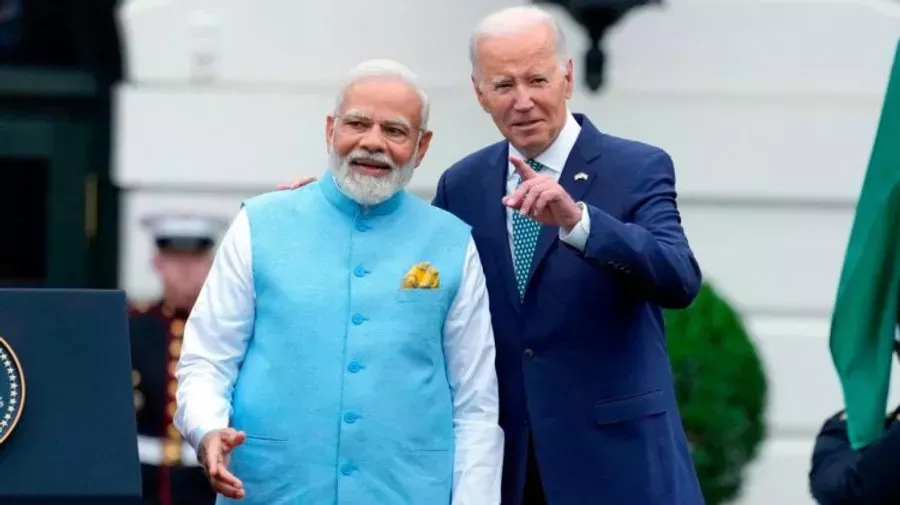
Russia has paid for India's favor for decades, even during the aggression against Ukraine. According to some data, India saved $10.5 billion by buying Russian oil at reduced prices from April 2022 to May 2024. Then, Russia helped India modernize its army and develop its technology in various fields, as well as being an important trading partner.
Modi now has to choose, and Trump, as things stand, will not wait. Trump probably doesn't care that former Prime Minister Indira Gandhi abandoned her country's policy of non-alignment and extended a hand to Moscow after Washington and Beijing improved their relations. Trump is using the current moment and knows that Modi cannot completely protect India from the consequences of damaged relations with Washington or Moscow, meaning he must yield on one side. Trump could be a big winner or loser in the case of India, while Modi would be happiest if he could maintain his country's current position.
Komentari (0)
Prijavite se za komentiranje
PrijavaJos nema komentara. Budite prvi!
Minuta
Sve →Iz drugih kategorija

High Representative Not Elected: Germans, French and British Against Americans, New Attempt at End of June

ČOVIĆ WITHOUT MERCY: How Those Who Brought Ademović to Office Created a Political Hell for Him



Sunny Saturday, quite warm



Tragedy in Albanian resort: Two minors drown












