
(Patria) - The most corrupt countries in the Western Balkans, according to Transparency International (TI) research, are Albania, Macedonia, and Kosovo, ranking 99th and 93rd respectively by the corruption index, followed by BiH and Serbia at 89th and 87th place, while Montenegro is at 67th and Croatia at 60th place.
TI has released its annual report on the Corruption Perceptions Index (CPI) worldwide for 2018, which measures the level of corruption in the public sector in 180 countries and territories around the world. The index is based on 13 business sector surveys and expert assessments.
This year's TI research places a special emphasis on the link between corruption and the crisis of democracy, as well as the rise of right-wing and populist tendencies, particularly within the European Union (EU) and other Western democracies.
As stated, this year's index presents a familiar picture – more than two-thirds of countries have an index indicating an insufficiently effective fight against corruption. However, the published report estimates that the most concerning aspect is that most countries have made no or very little progress in eradicating corruption, assessing that only 20 countries have made significant strides in this regard.
Montenegro has fallen by one percentage point compared to last year, and stagnation is evident, according to assessments. Serbia has regressed by two points compared to last year, and if the government continues with the trend of undermining bodies and institutions responsible for upholding the rule of law, the decline may continue. In 2018, despite opposition from NGOs, professional associations, and others, the Serbian government continued to exert pressure to increase influence over the judiciary.
Kosovo has also dropped by two points compared to the previous year. Some of the biggest anti-corruption challenges in Kosovo include insufficient transparency, weak institutions and rule of law, and limited space for civic engagement.
Bosnia and Herzegovina is among the countries to watch in the coming years, along with Macedonia, Turkey, Georgia, Ukraine, and Armenia. Of those mentioned, only Armenia shows signs of a positive trend, thanks to a change in government.
Transparency states that recent political events in Bosnia and Herzegovina are concerning. Following the October elections, TI highlights, which raised questions about malfeasance and poor administration, the public prosecutor in Banja Luka rejected calls to investigate Milorad Dodik for illegal pressure on voters during the election campaign.
More recently, authorities in Banja Luka have attacked peaceful demonstrators, arrested and detained opposition leaders and activists, and banned public gatherings. This is, according to TI's assessment, a clear example of corruption in the election campaign that led to attacks on democratic institutions and other participants.
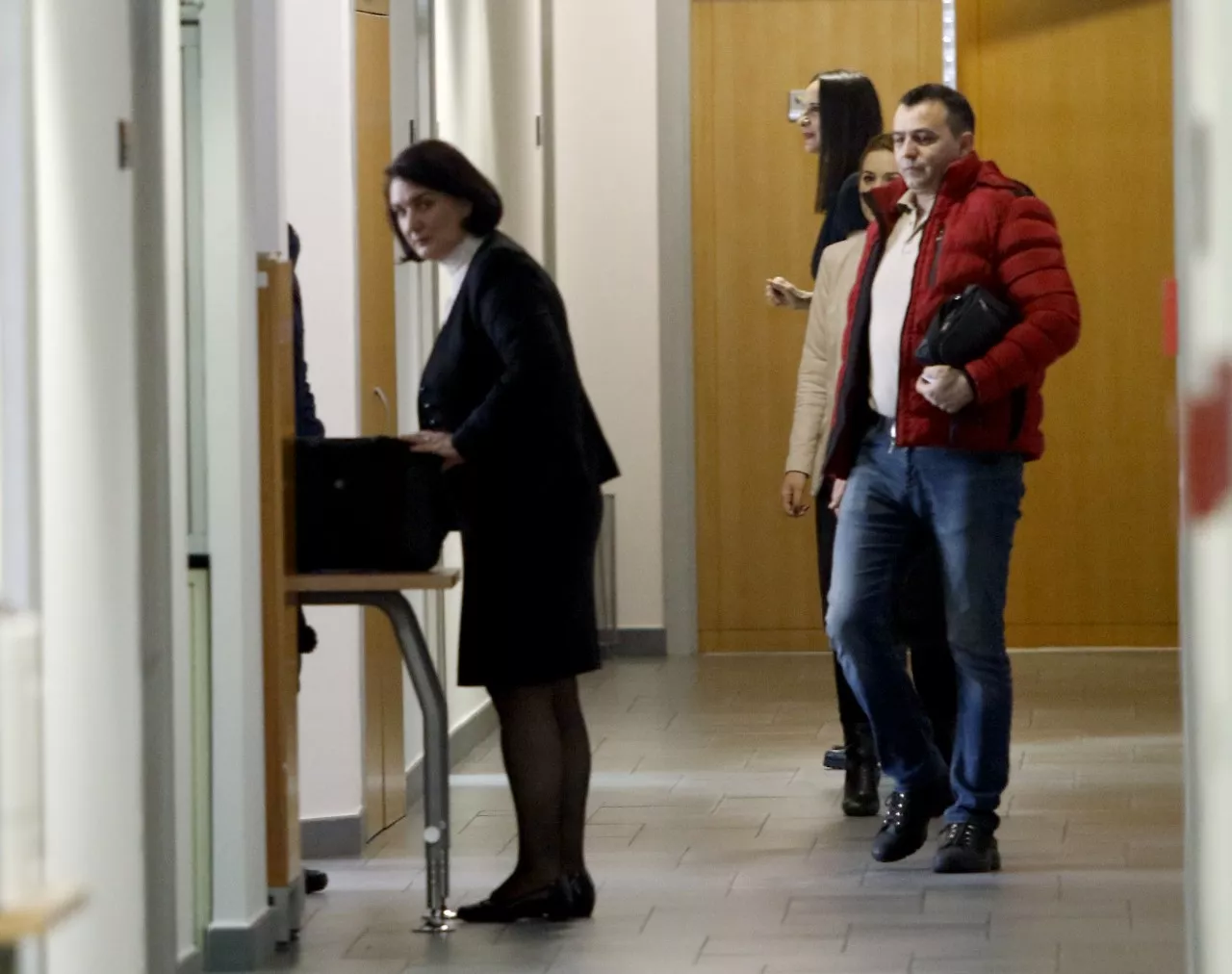
Gordana Tadić has recently been elected as the Chief State Prosecutor of Bosnia and Herzegovina for a six-year term, and she is often linked by the media to the HDZ of Bosnia and Herzegovina. Although the prosecutor has announced a strong fight against corruption in the country, media and non-governmental organizations point out that Tadić led the State Prosecutor's Office for almost three years before her official appointment, but did not demonstrate the ability or willingness to tackle these problems.
Komentari (0)
Prijavite se za komentiranje
PrijavaJos nema komentara. Budite prvi!
Minuta
Sve →Iz drugih kategorija

High Representative Not Elected: Germans, French and British Sabotaged Americans, New Attempt at End of June

ČOVIĆ WITHOUT MERCY: How Those Who Brought Ademović to Office Created a Political Hell for Him



Sunny Saturday, quite warm



Tragedy in Albanian resort: Two minors drown












