
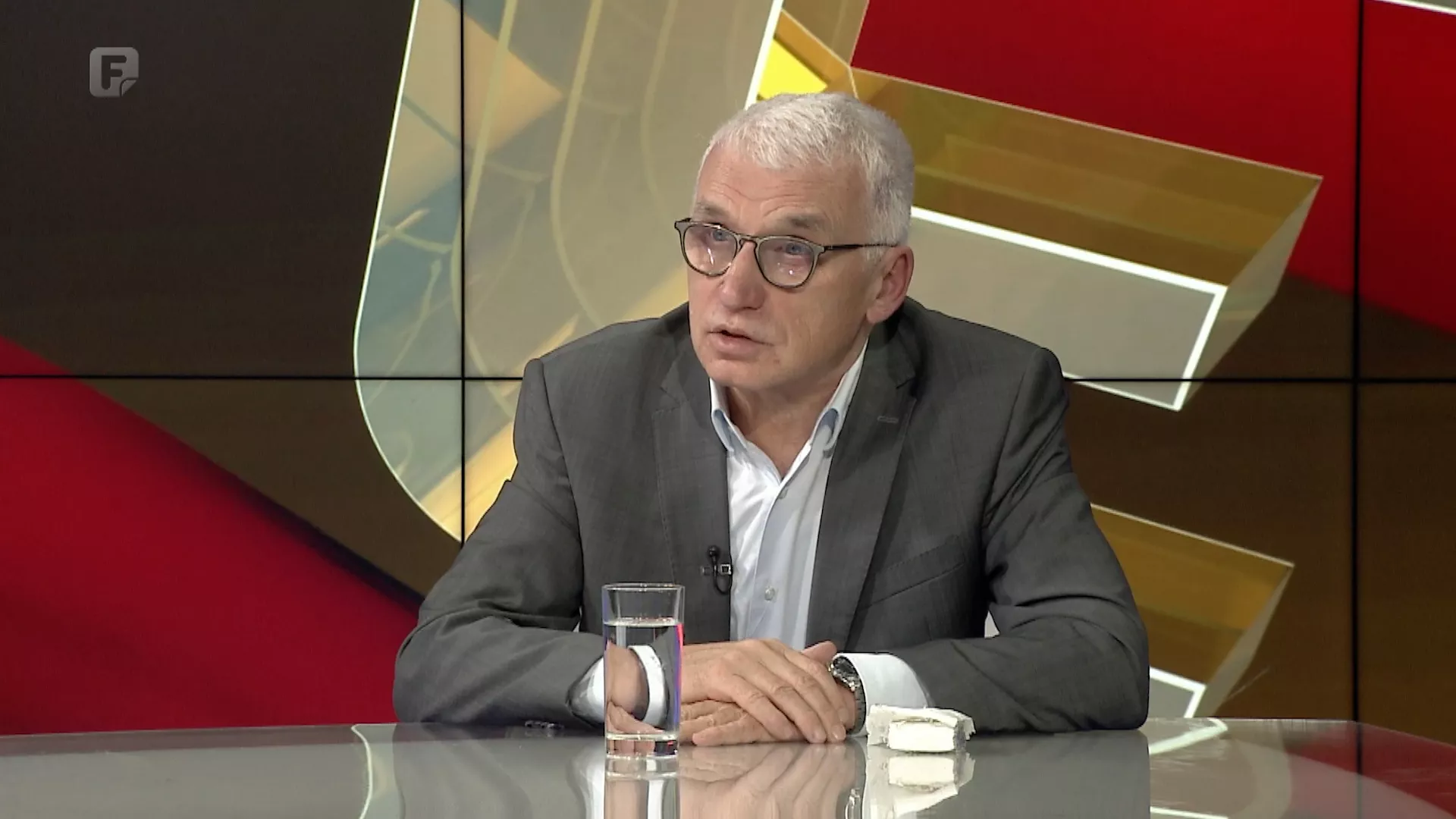
(Patria) - The proposal to separate the minimum wage based on education level has caused various reactions among social partners, and UNSA Faculty of Economics professor Aziz Šunje states that this is an extremely complex problem where no decision can be simple. Commenting on the initiative for the minimum wage to be different for primary, secondary, and higher education, Šunje emphasizes that the problem goes beyond simple calculations.
“It is a very complex problem. There are many elements in this complex mosaic. It is not just an economic issue, but also a social one, and trade unions, employers, and the government are involved in the process — each with different interests.”
Speaking about the increase in the minimum wage itself, Šunje admits that the current amount is not enough for a decent life.
“There is no doubt that 1,000 marks is not enough for a decent life. The question is whether 1,200 marks is enough, and it is not,” Šunje said on FTV's Plenum program.
Šunje openly criticizes the absence of government representatives in discussions about the minimum wage.
“I am not surprised that no one from the Government showed up. The Government's competence to solve these problems is questionable; it acts populist, without real measures. If you increase minimum wages without reducing taxes and contributions, and without implementing reforms that are being swept under the rug, you will create counter-effects. These counter-effects can be job losses and layoffs.”
Šunje points to alarming figures in public funds.
“We have one employed person for every pensioner. According to the pension system model, it should be 1 to 3. If the system collapses, pensioners rightly demand increases, and the Government reacts populistly — but these funds must be secured somewhere.”
Šunje also commented on the public perception of employers.
“We have a mantra from the past that employers are 'grumps' who only take. That is not true. Employers create jobs, take risks, and employ people.”
He emphasizes that a “subtle dialogue” between trade unions, employers, and the Government is necessary, but it is precisely the Government that is absent.
“The Government is doing nothing. No serious reforms have been implemented.”
Commenting on the idea of wages being prescribed according to education level, Šunje clearly opposes it.
“I am generally against that type of pay grades. The employer decides how much a certain employee with a higher education contributes. If there is a good employee, they will know how to keep them.”
He also points out the problem of the quality of graduates in the market.
“What does higher education mean? We have bought diplomas and a large number of people who are completely incompetent.”
Šunje particularly emphasizes the vulnerability of small businesses.
“The majority of businesses are micro-businesses — 90%. These are salons, small shops, family businesses. If space for relief is not created, an increase in the minimum wage can literally shut them down.”
Šunje claims that the lack of reforms is the key cause of accumulated problems.
“We have had no reform measures in the last 4-5 years. There is no sector of society that does not cry out for reforms, nor is there a vision of how to implement them.”
He concludes that the Government is the key factor in the Economic and Social Council:
“The Government is the mechanism that should balance the interests of trade unions and employers and create conditions for relief. And it is not doing that.”
Komentari (0)
Prijavite se za komentiranje
PrijavaJos nema komentara. Budite prvi!
Minuta
Sve →Iz drugih kategorija

High Representative Not Elected: Germans, French and British Sabotaged Americans, New Attempt at End of June

ČOVIĆ WITHOUT MERCY: How Those Who Brought Ademović to Office Created a Political Hell for Him



Sunny Saturday, quite warm



Tragedy in Albanian resort: Two minors drown












