
There are numerous examples of similar or identical buildings, structures, and phenomena in two different places in the world. But when it comes to something that is centuries old, one cannot help but wonder about the deeper meaning of this "coincidence," writes the BiH news agency Patria.
One such example is found in Armenia and Bosnia and Herzegovina, documented by Muhamed Mešić, a native of Tuzla who speaks over 70 languages and is a legal expert. He posted a photo on his Facebook profile with an explanation.
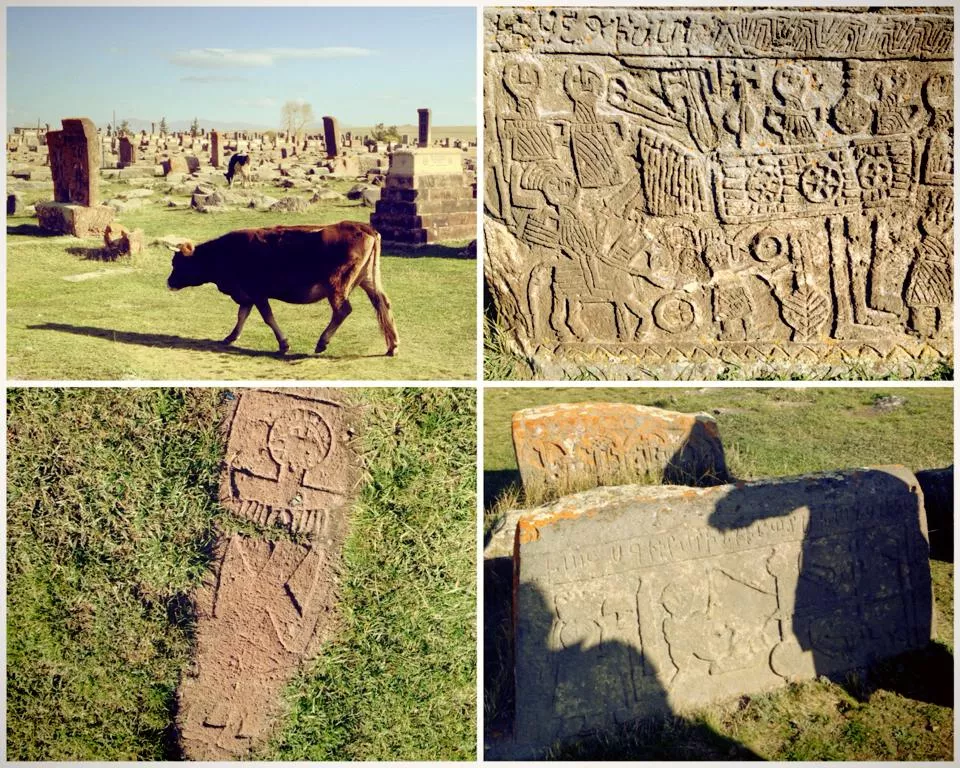
- Armenian "khachkars" remind me a lot of our stećci, and the Noratus necropolis of Radimlja - wrote Mešić.
Khachkars first appeared in the 9th century, when the most beautiful and famous monasteries of the Armenian Apostolic Church were built. At that time, the Kingdom of Armenia freed itself from Arab domination, whose artistic influence is visible in their execution. Khachkars are usually about 1.5 m high, and the most common motifs on them are crosses or crucifixes on backgrounds in the form of rosettes or sun discs (symbols of eternity), decorated with patterns of leaves, grapes, animals, or abstract shapes. Sometimes scenes from the Bible or depictions of saints are shown. The largest number of khachkars in one place (around 900) is found in the so-called "field of khachkars," the old cemetery of Noratus, and in Armenia, there are up to 40,000.
On the other hand, Bosnian stećci are today the most important monumental evidence of pre-Ottoman Bosnia, the most striking material symbol of the period from the 13th to the end of the 15th century. The Radimlja necropolis near Stolac is among the most valuable monuments of the medieval period in Bosnia and Herzegovina. The necropolis in Radimlja is considered one of the most decorated necropolises in Bosnia and Herzegovina. But stećci have remained an undiscovered mystery of Bosnian history to this day. It is estimated that there are about 66,000 of them in Bosnia and Herzegovina.
 Radimlja near Stolac
Komentari (0)
Prijavite se za komentiranje
PrijavaJos nema komentara. Budite prvi!
Minuta
Sve →Iz drugih kategorija

High Representative Not Elected: Germans, French and British Sabotaged Americans, New Attempt at End of June

ČOVIĆ WITHOUT MERCY: How Those Who Brought Ademović to Office Created a Political Hell for Him



Sunny Saturday, quite warm



Tragedy in Albanian resort: Two minors drown












