
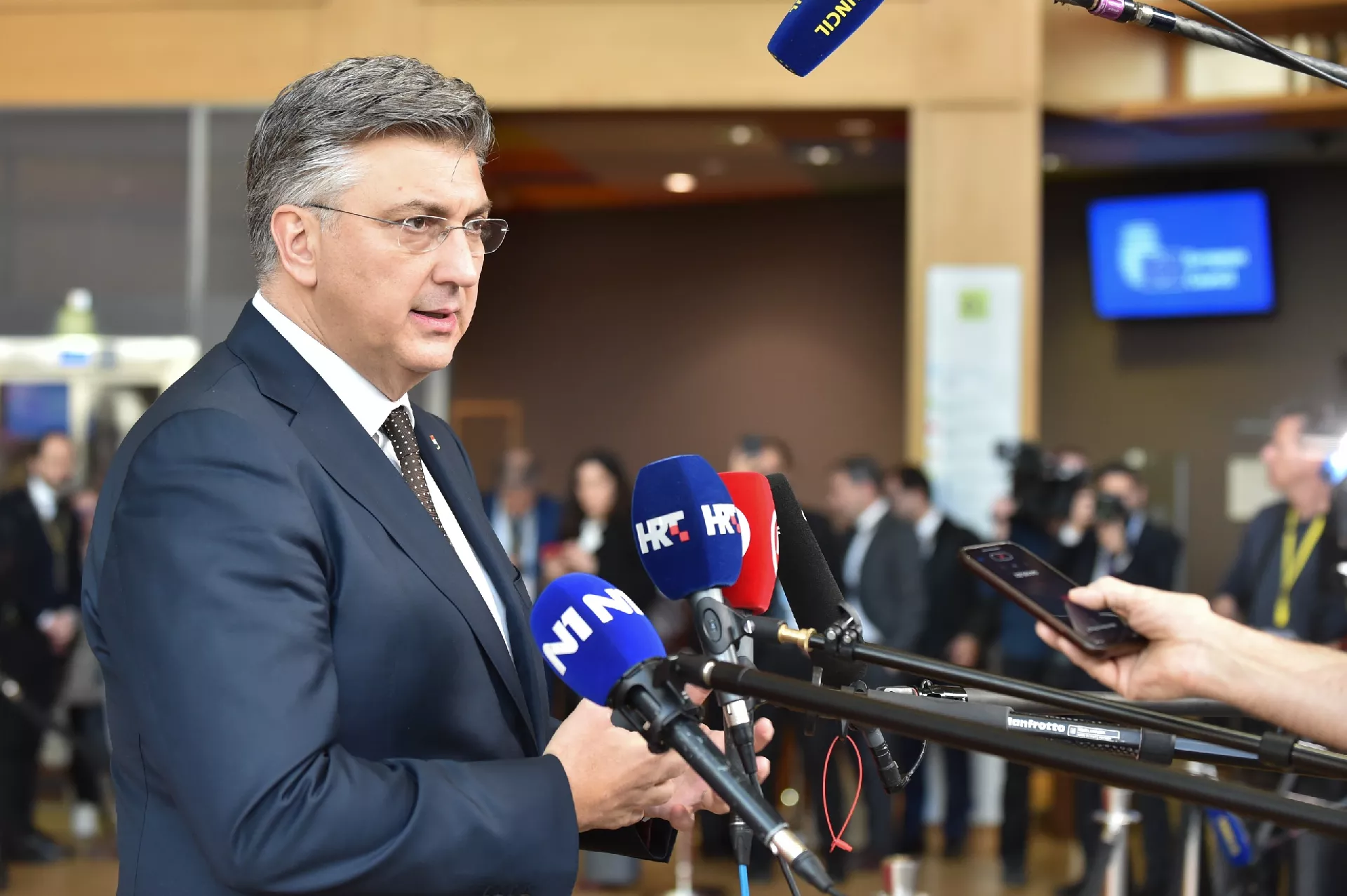
(Patria) - EU leaders reiterated at yesterday's Summit in Brussels their determination to continue all types of aid to Ukraine, hoping for a just and sustainable peace, writes Jutarnji.hr.
EU leaders reiterated their stance on achieving "peace through strength." As at the Summit two weeks ago, this time the conclusions on Ukraine were adopted on behalf of 26 member states without the support of Hungary.
During the Summit, EU leaders were addressed via video link by Ukrainian President Volodymyr Zelensky.
He said that despite the limited ceasefire, nothing has changed in Russia's behaviour, that Russia attacked energy infrastructure with drones last night, and that Putin does not stop making unrealistic demands that only prolong the war.
The Ukrainian president asked European leaders to keep sanctions against Russia in place until it withdraws its forces from Ukrainian territory.
The text states that the EU remains ready to increase pressure on Russia, including further sanctions, strengthening the implementation of current measures, and measures against circumvention of previously adopted sanctions.
EU High Representative for Foreign Affairs and Security Policy Kaja Kallas expressed satisfaction with the announcement by US President Donald Trump that he would help Ukraine acquire air defence systems.
While awaiting the outcome of negotiations separately conducted by US officials with Russia and Ukraine, the EU is also preparing for engagement after a potential agreement.
The key topic of this Summit is EU investment in defence in line with the "White Paper on Defence" published on Wednesday by the European Commission. This Commission document received support from member states.
Some countries, such as Spain and Slovenia, requested that not only defence be mentioned, but "defence and security," which is a broader term.
This would mean that investments in defence and security would also include those not necessarily related to the military industry, but also for responding to other security threats, including humanitarian or natural disasters.
Besides using loans of 150 billion euros guaranteed by the EU, one of the Commission's proposals is flexibility in using national budgets for defence investments even in cases where this would violate rules on the permitted deficit.
Croatia, according to Prime Minister Andrej Plenković, has not yet decided whether to use that "escape clause" because it is possible that due to economic growth, it can increase defence investments without exceeding the budget deficit.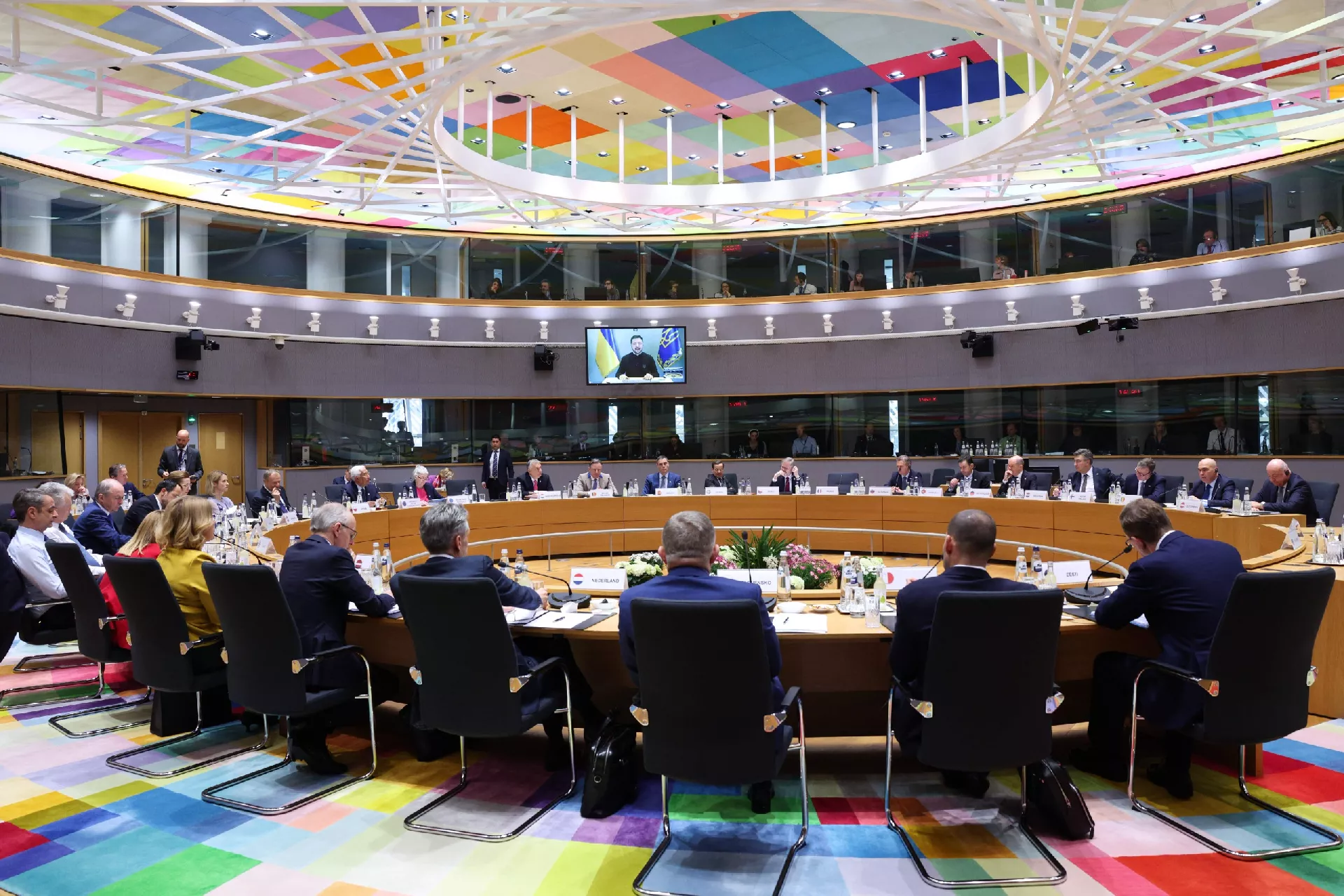
EU budget rules stipulate that the deficit must not exceed three percent, and public debt 60 percent of GDP. This means that a procedure will not be initiated against them in case of exceeding if the funds go to defence investments.
- We will hold a discussion at the government level and see what exactly we need and how much. If we calculate that we need it, we can use that clause - said Plenković in Brussels, adding that they have two months to decide.
He positively assessed the "White Paper on European Defence" published by the European Commission before the Summit. The Croatian Prime Minister considers the possibility of joint procurement of military equipment and weapons particularly important.
- Through joint procurement, more is acquired and at a better price, and the fragmentation of European armies and defence systems is one of the key problems. We need more cohesion, we need strategic capabilities, and we must bring Europe to a level where it can take care of its own security. That is the essence of this document and the essence of the entire defence debate - said Plenković.
The EU Summit also addressed the situation in the Western Balkans, noting that this issue will be discussed more concretely at the EU Council meeting in April.
Plenković said he would warn about the situation in Southeast Europe, especially in Bosnia and Herzegovina, so that the region is not neglected while the EU deals with other areas of the world.
In Brussels, Plenković also responded to Serbia's criticisms of the Memorandum of Cooperation between Croatia, Albania, and Kosovo in the field of defence, saying that this agreement is not hostile towards anyone and that if Serbia is looking for problems, it will not find them in that document.
Plenković also added that Croatia does not need to seek approval from either Serbia or NATO for such agreements.
At preparatory meetings before the EU Summit, Croatia expressed concern over the lack of clearer language in the paragraph of conclusions dedicated to the situation in the Western Balkans. This discussion at the Brussels Summit was under the "any other business" item.
Croatia believed there was a risk of spillover of the situation in the region and that a response from the European Council was therefore necessary.
Diplomatic sources state that even before the Summit, it was announced that Croatian Prime Minister Plenković would use the opportunity at the Summit to remind of the situations in "two countries in Croatia's immediate neighbourhood" that require a coordinated response. It is clear that this refers to the situation in Bosnia and Herzegovina and Serbia.
During the discussion, Hungary said it "prefers" to leave the text as it is, i.e., that it would say that the situation was discussed and that the Council will address it at its meeting in April.
Before the start of the Summit, Plenković said he would warn about the need to focus on the situation in BiH and the region.
Komentari (0)
Prijavite se za komentiranje
PrijavaJos nema komentara. Budite prvi!
Minuta
Sve →Iz drugih kategorija

High Representative Not Elected: Germans, French and British Sabotaged Americans, New Attempt at End of June

ČOVIĆ WITHOUT MERCY: How Those Who Brought Ademović to Office Created a Political Hell for Him



Sunny Saturday, quite warm



Tragedy in Albanian resort: Two minors drown












