
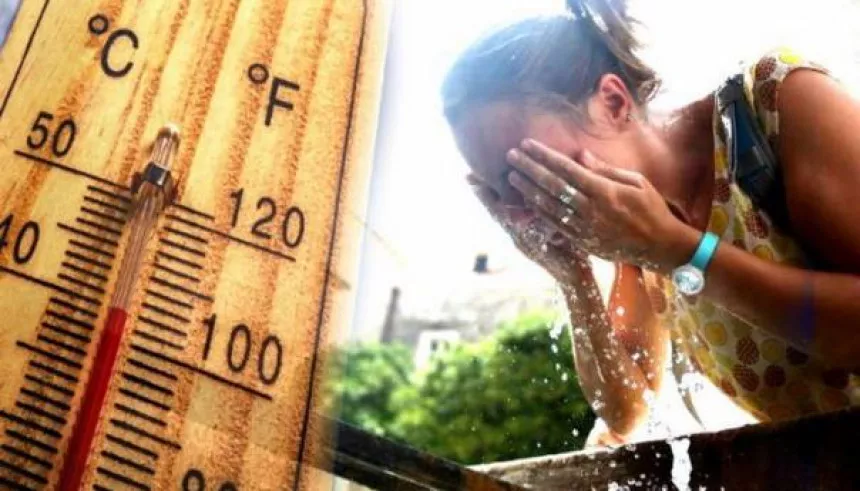
(Patria) - Extremely high air temperatures can have negative consequences on people's health. In order to better protect health in such conditions, the Public Health Institute of KS has published measures and recommendations for the population:
- Avoid exertion during the hottest part of the day (from 11 am to 4 pm), as well as unnecessary outings;
- Spend time in shaded and cooler spaces (apartment, house, business premises, etc.) during periods of high temperatures;
- Go out only when absolutely necessary, wearing appropriate clothing (light-colored cotton fabrics, head coverings);
- Ensure all conditions for safe work for persons whose nature of work is performed outdoors (two shifts, personal protective equipment, sufficient fluids);
- Consume a larger amount of fluids (it is best to drink water and mineral water). Alcohol and caffeine are not recommended fluids; on the contrary, they should be avoided;
- Adjust diet to weather conditions and avoid fatty, fried, and generally heavy foods;
- When staying in an air-conditioned area, gradually adjust to the outside temperature before leaving;
- Regularly follow the reports of the duty hydrometeorologist on the weather forecast and plan outdoor activities accordingly;
When exposed to very high temperatures, and in proportion to the duration of exposure, dehydration and overheating of the body are possible, which most often leads to exhaustion, but can also have more serious consequences for human health.
The human body has a protective mechanism against harmful weather conditions and tries to adapt to them. It is important to know that this protective mechanism has its limits and will eventually fail if recommended measures are not taken. Also, not everyone's protective mechanism capacity is the same, so there are categories of the population that are more sensitive to extreme weather conditions. These are most often the elderly, babies and children, chronically ill patients who do not take their therapy correctly and on time, people who already have a fever due to inflammation or some other reason, drug and alcohol users, obese individuals, people with mobility problems, people who engage in physical activity outdoors (manual laborers, athletes...). The first sign of mild dehydration is thirst. Therefore, during the summer, it is necessary to drink large amounts of water at intervals to maintain normal body function, even if thirst is not felt.
When to see a doctor?
It is advisable to monitor your body's condition. Heatstroke occurs if exhaustion is not properly responded to, but it can also occur suddenly, without prior warning.
Symptoms to pay special attention to are: weakness and fatigue, headache, dizziness, confusion and disorientation, aggression, nausea and vomiting, weakness, cramps, elevated body temperature, feeling of heart palpitations, as well as other unusual signs.
If one or more of the above symptoms occur, it is necessary to react immediately and move to a place with a comfortable temperature, and drink plenty of water. If possible, take a lukewarm shower and refresh yourself with a sponge soaked in cold water. If these symptoms do not subside after a few hours or worsen, it is necessary to seek medical help.
Heatstroke can cause irreversible changes in the body and have serious health consequences.
Helping others
If you know someone from the risk groups mentioned above, provide them with the necessary advice and assistance during the heatwave. Elderly people living alone should be visited regularly.
If you find yourself in a situation where a person shows symptoms of heatstroke, call emergency services. While waiting for emergency services, move the person to a cooler place. Cool them down by unbuttoning their clothes, spraying them with cold water, or if possible, wrap them in wet sheets. If they are conscious, give them water or diluted fruit juice. Do not give them any medication. When the ambulance arrives, stay on site so that the doctors can get as much information as possible about the patient's condition.
What else can be done?
Postpone strenuous outdoor activities, such as sports or outdoor work, to a cooler part of the day, early morning or evening.
If you must go out, walk in the shade, wear a hat or cap and light, loose clothing, preferably cotton, and carry drinking water with you.
Refresh yourself frequently throughout the day.
Visit nearby mountains and use swimming pools for refreshment.
Shade rooms in apartments and workplaces that face the sun. Open windows only when the outside temperature drops; at night and in the early morning.
Take lukewarm showers, and refresh yourself with cold water several times a day, especially the face and back of the neck.
Drink water regularly even if you don't feel thirsty.
Eat as much fruit and vegetable salads as possible.
Before entering a car that has been parked in high temperatures for a long time, open all doors and wait a few moments.
When leaving the car, do not leave children and pets inside, even for a short absence.
Komentari (0)
Prijavite se za komentiranje
PrijavaJos nema komentara. Budite prvi!
Minuta
Sve →Iz drugih kategorija

High Representative Not Elected: Germans, French and British Sabotaged Americans, New Attempt at End of June

ČOVIĆ WITHOUT MERCY: How Those Who Brought Ademović to Office Created a Political Hell for Him



Sunny Saturday, quite warm



Tragedy in Albanian resort: Two minors drown












