
By Armin Sijamić
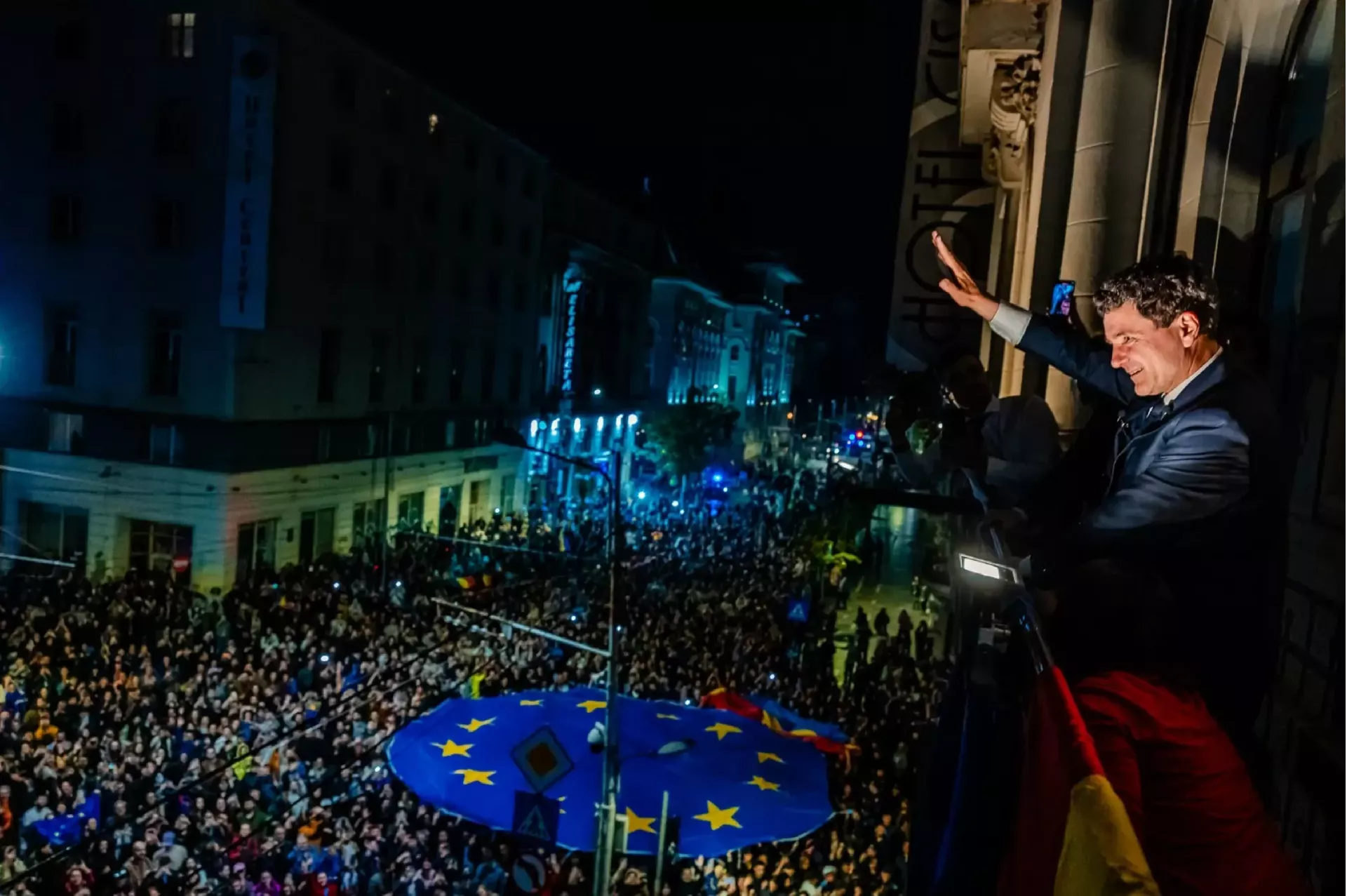
On Sunday, Romanians went to the polls for repeat presidential elections. The winner was the candidate favored by Brussels. The candidate dubbed the "Romanian Trump," who advocates a "pro-Russian policy," was defeated.
In November and December of last year, Romania was in the spotlight of Western politicians. The annulled elections pitted the leadership of the European Union and several leading European powers against, on the other side, US Vice President JD Vance.
In a drama unprecedented in modern European politics, the court annulled the elections after independent candidate Calin Georgescu won in the first round. This previously little-known politician defeated Prime Minister Marcel Ciolacu, as well as pro-European politician Elena Lasconi. Georgescu and Lasconi were supposed to face off in the second round, and according to many, the "pro-Russian" candidate was the favorite.
The court annulled the elections, claiming that Georgescu had illegally used the Chinese social network TikTok and that he was aided by Russia, which interfered in Romanian political affairs. In other words, hybrid warfare operations were waged against the Romanians.
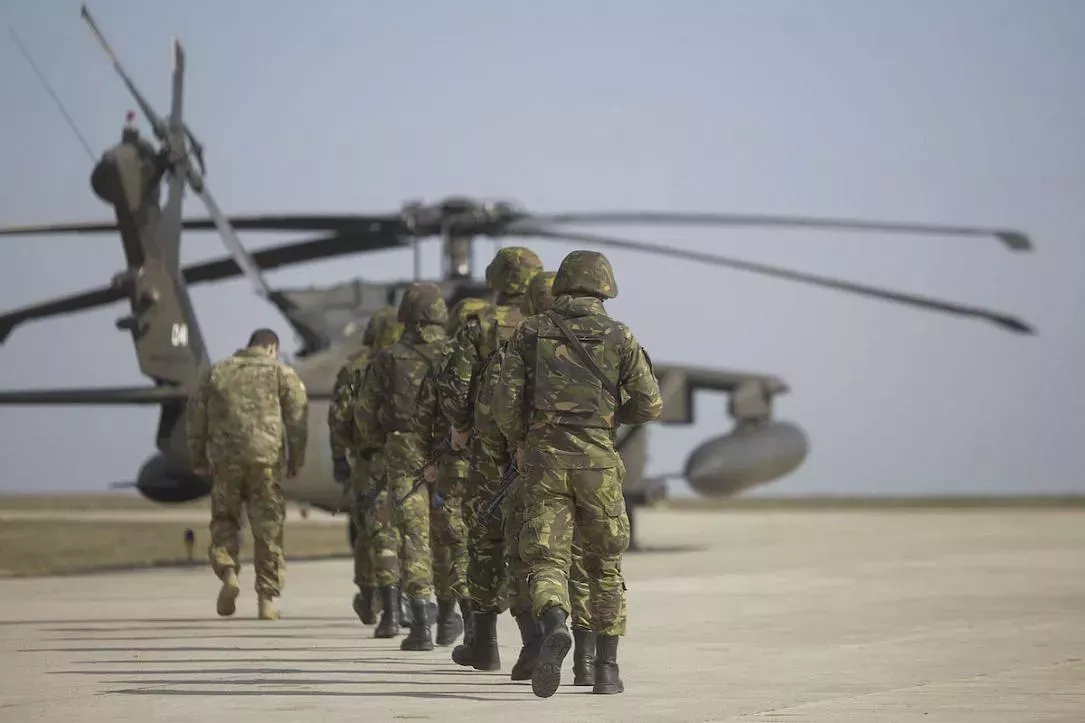
Some in Europe and the US leadership considered the annulment of the elections an attack on democracy, while Brussels and several European powers saw it as a defense of democracy. Former European Commissioner Thierry Breton, commenting on the annulment of elections in this country at the beginning of the year, said: "We did it in Romania, and we will do it in Germany if necessary."
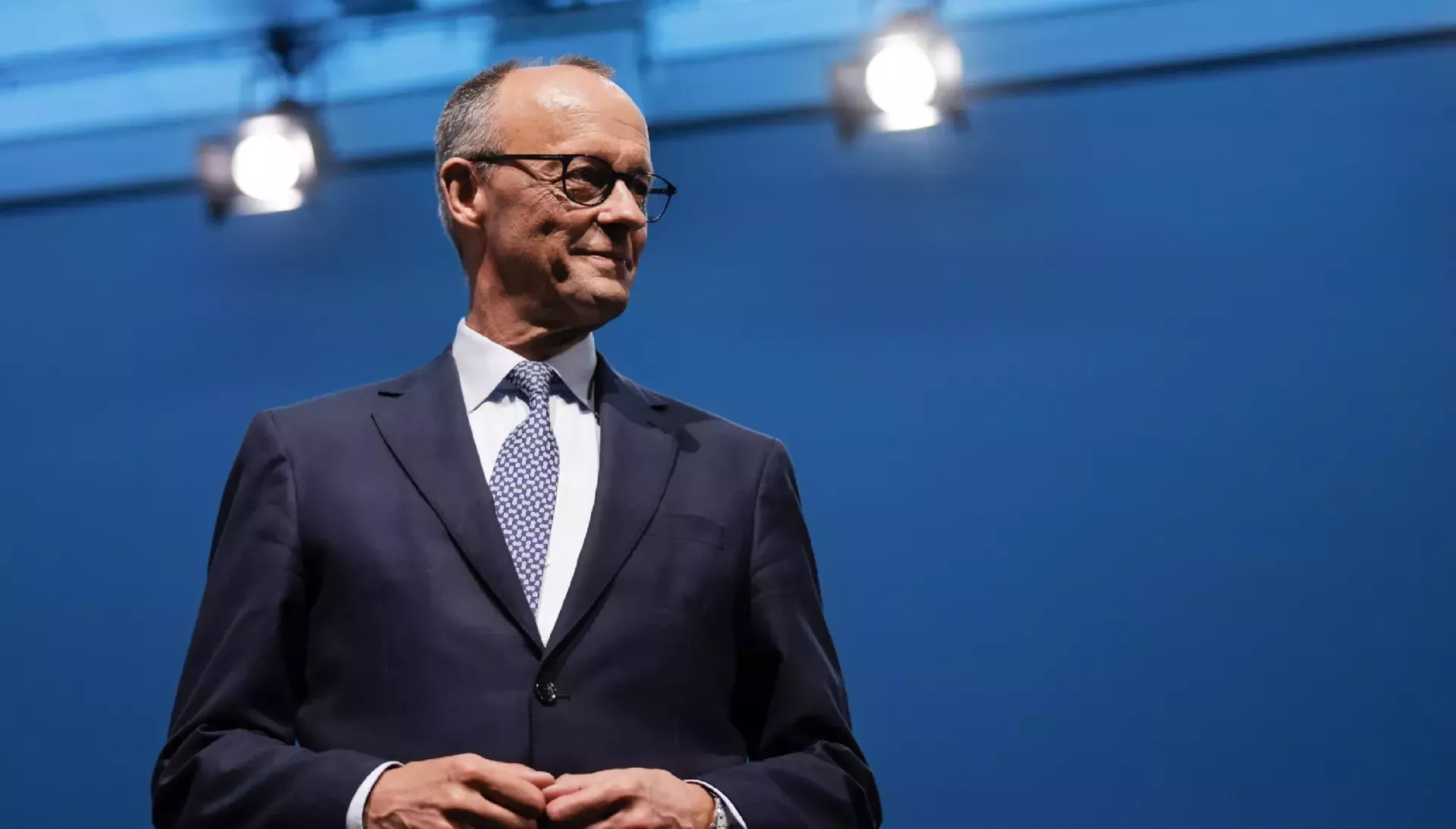
In Germany, the elections were not annulled. Pro-European parties formed a government, defeating the Alternative for Germany (AfD). The government of Friedrich Merz, after the current US administration sided with the AfD, marks the first foreign policy defeat for President Donald Trump in the West.
Repeat Elections
The court also banned Georgescu from participating in the elections. While the Romanian public awaits abundant evidence regarding the details of the hybrid war, new elections were held. The second round took place on Sunday, with George Simion, the candidate of the AUR party, backed by Georgescu, facing the current mayor of Bucharest, Nicusor Dan. Voter turnout was 53% in the first round and a high 64% in the second.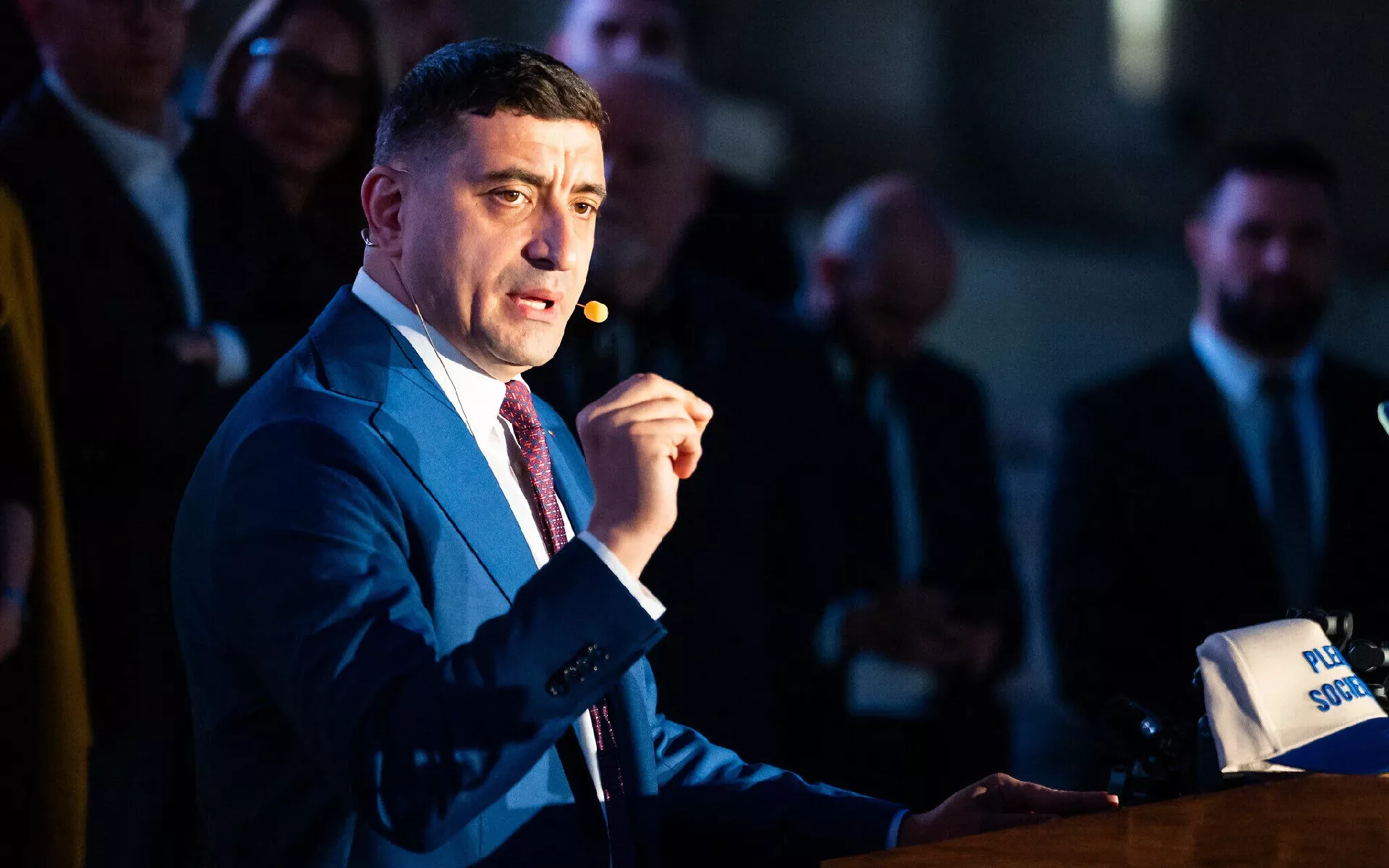
George Simion
The established Romanian and Brussels political elite united against Simion, whom some called the "Romanian Trump" and accused of pursuing pro-Russian policies. Dan, a formally independent candidate, won a convincing victory (by more than seven percentage points), while Simion claimed fraud, demanded a recount, and called for the elections to be annulled.
Dan's victory was not a surprise, although many expected the right-wing nationalist Simion, riding on Georgescu's popularity, to emerge as the winner. Simion also had the advantage of winning the first round. However, what Marine Le Pen has endured in France for years happened – in the second round of the elections, everyone was on the opposing side.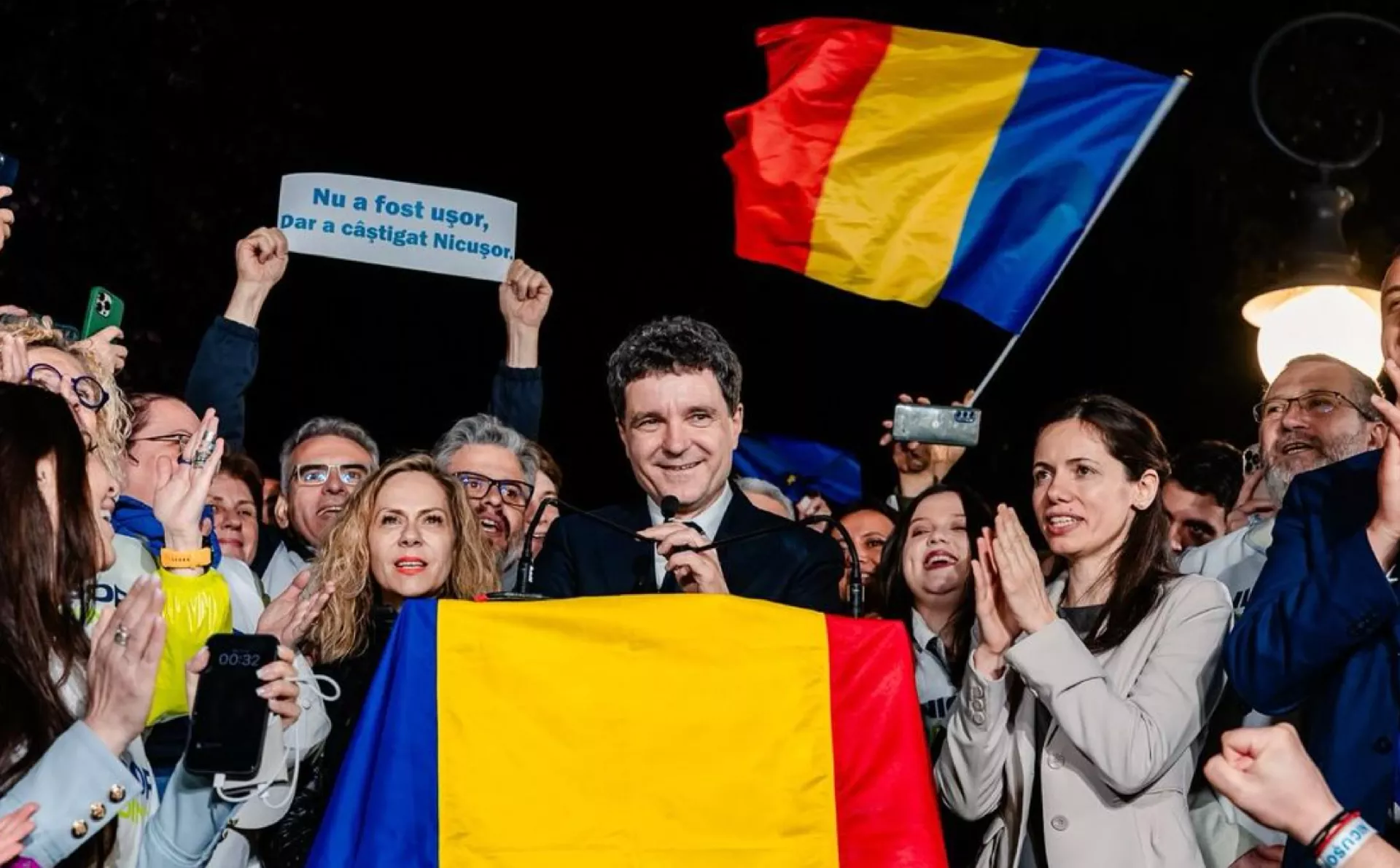
Nicusor Dan
Dan is too experienced a politician to miss such an opportunity, and his image was good enough to garner broad support. Furthermore, according to many, he handled the campaign better than his rival. Those who entrusted Dan with this important task were not mistaken.
Dan and Simion offered two completely different policies, which is not common in the West. Dan represents continuity in Romania's current policy towards the European Union, NATO, Ukraine, and Russia. Simion is largely on opposing sides, and some of his views are contradictory. For example, he believes that parts of Ukraine and Moldova should belong to Romania, but he does not intend to return territories to neighboring Hungary that Viktor Orbán, another admirer of Trump and advocate for peace in Ukraine at Kyiv's expense, claims on his maps. Orbán supported the right-wing Simion in these elections, while Hungarians in Romania largely backed his liberal opponent, Dan.
Relief in Brussels, but not across the West
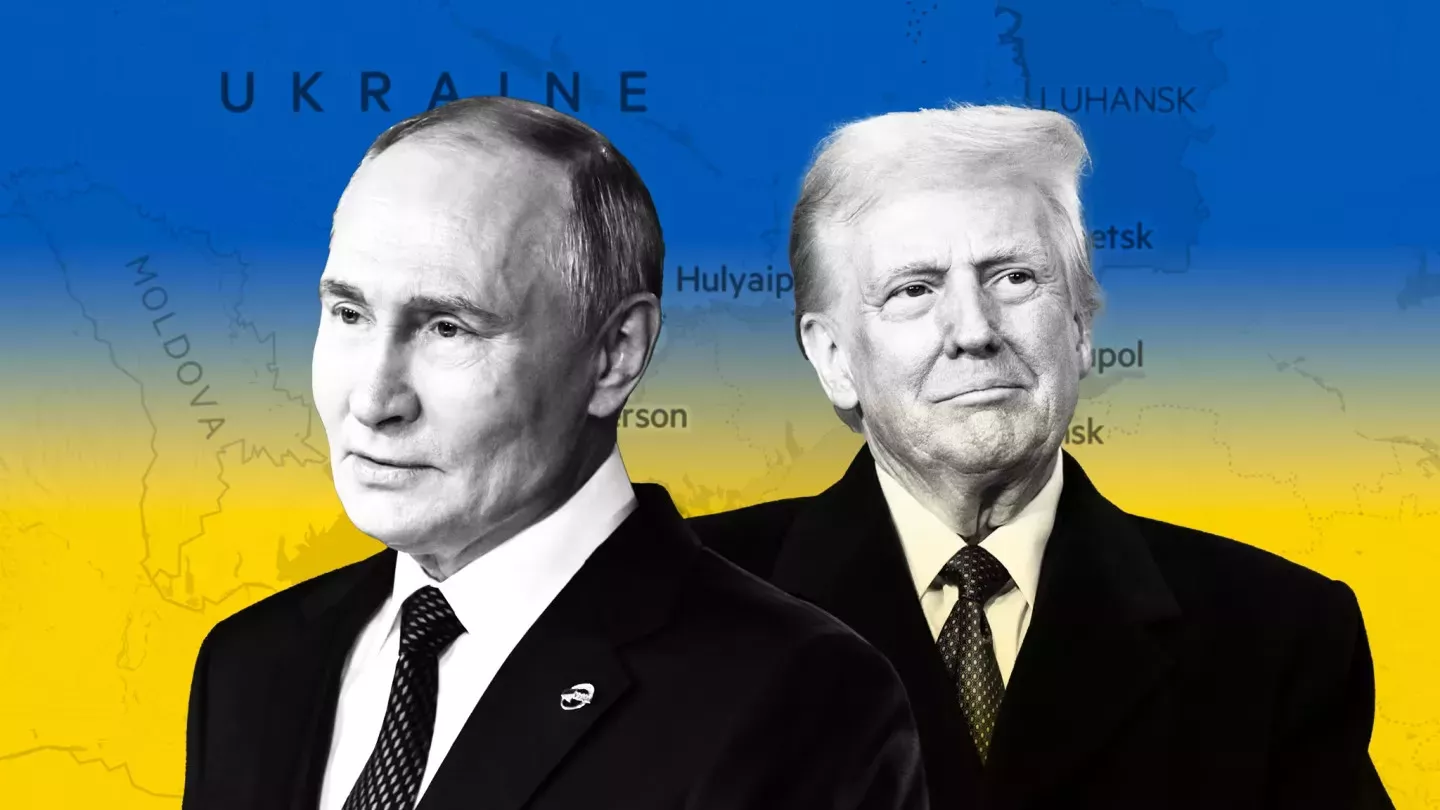
Dan's victory is significant for Brussels and European leaders for several reasons. Since the Romanian president has significant powers in shaping foreign and security policy, this means a continuation of the current stance towards Ukraine, which Trump has tried to change.
However, for some, these elections represent a defeat for the West. In the leading British conservative magazine The Spectator, where former Prime Minister Boris Johnson was editor, an article by Neil Clark titled "Democracy is Dying in Romania" states that Romanians would vote until they chose an acceptable winner, as dictated by Brussels. For the author, Georgescu was the true winner of the elections, and at the end of the article, he asks, "Do you really believe that in 2025, a candidate advocating anti-EU, anti-NATO positions in a strategically important country in Europe will be allowed to win the elections?"
Whether undesirable candidates will be allowed to win some European elections remains to be seen if such a case occurs. But what can be said with certainty is that Brussels and several European leaders will strive to ensure that their preferred candidate wins. France played an important role in these Romanian elections. Simion was particularly bothered by President Emmanuel Macron, whom he called a "dictator" and claimed that France was run by "ayatollahs."
In Romania, where France's voice carries weight, this was a self-inflicted wound for Simion. But it doesn't mean the end. At 38 years old and with 5.3 million votes in Sunday's elections, Simion will be a threat to the ruling parties. His policy, based on the premise of being "a man of the people," a believer, and primarily concerned with Romania's interests, will have its supporters even after Sunday's elections are forgotten.
Simion is not alone. Pavel Durov, the founder and owner of Telegram, an extremely popular application in Eastern Europe, also stood up in "defense of democracy." On election day, he stated that he had refused a request from a Western country to "silence" conservative voices in Romania on his platform. He did not name the country but included a baguette emoji with his post, a clear allusion to France, of which he is a citizen and where he was detained on issues of freedom and bans on Telegram.

Such foreign interference in the elections of a European country may never have been seen before. In addition to issues significant for daily life, Romanians directly or indirectly dealt with Trump, Russian President Vladimir Putin, Macron, European Commission President Ursula von der Leyen, Ukrainian President Volodymyr Zelensky, and many others. Given that these are major powers capable of influencing public opinion, the question is whether Romanians could make their choice with a clear head.
But this is the new European reality, as the West undergoes major changes and as Trump and Putin redraw the map of Ukraine. Last month, Ursula von der Leyen declared the end of "the West as we knew it" and said that a struggle for a new world order is underway, in which Europe should play a more significant role.
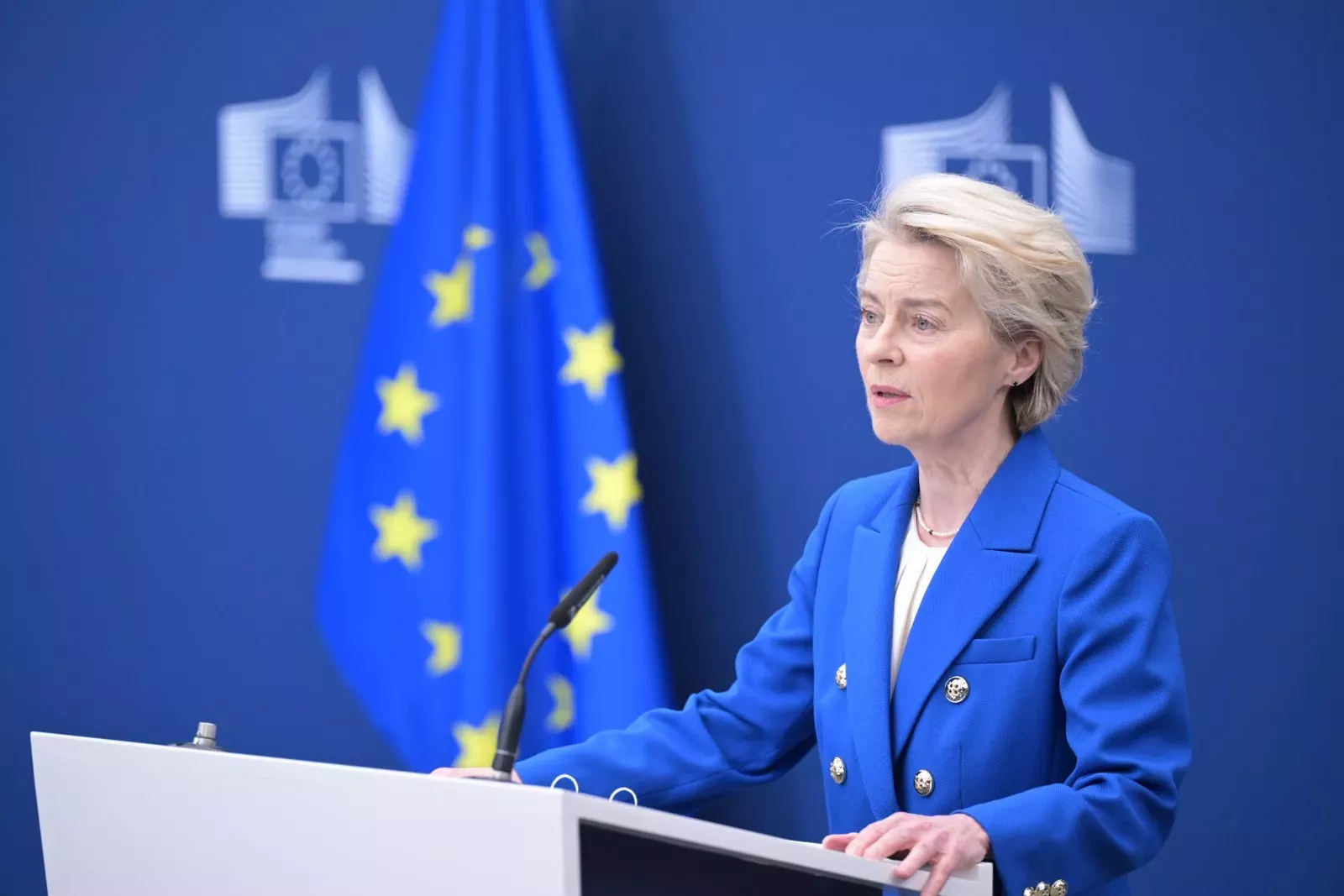
The elections in Romania showed that this generation of European politicians will not give up without a fight. In the Romanian elections, the choice was, broadly speaking, between a pro-European, pro-American, and pro-Russian Romania, and Brussels emerged victorious. Now the question for the Romanian authorities is whether there was permissible foreign interference in the elections, while the results of the investigation into the first round of elections, which were annulled, are awaited.
Komentari (0)
Prijavite se za komentiranje
PrijavaJos nema komentara. Budite prvi!
Minuta
Sve →Iz drugih kategorija

High Representative Not Elected: Germans, French and British Against Americans, New Attempt at End of June

ČOVIĆ WITHOUT MERCY: How Those Who Brought Ademović to Office Created a Political Hell for Him



Sunny Saturday, quite warm



Tragedy in Albanian resort: Two minors drown












