
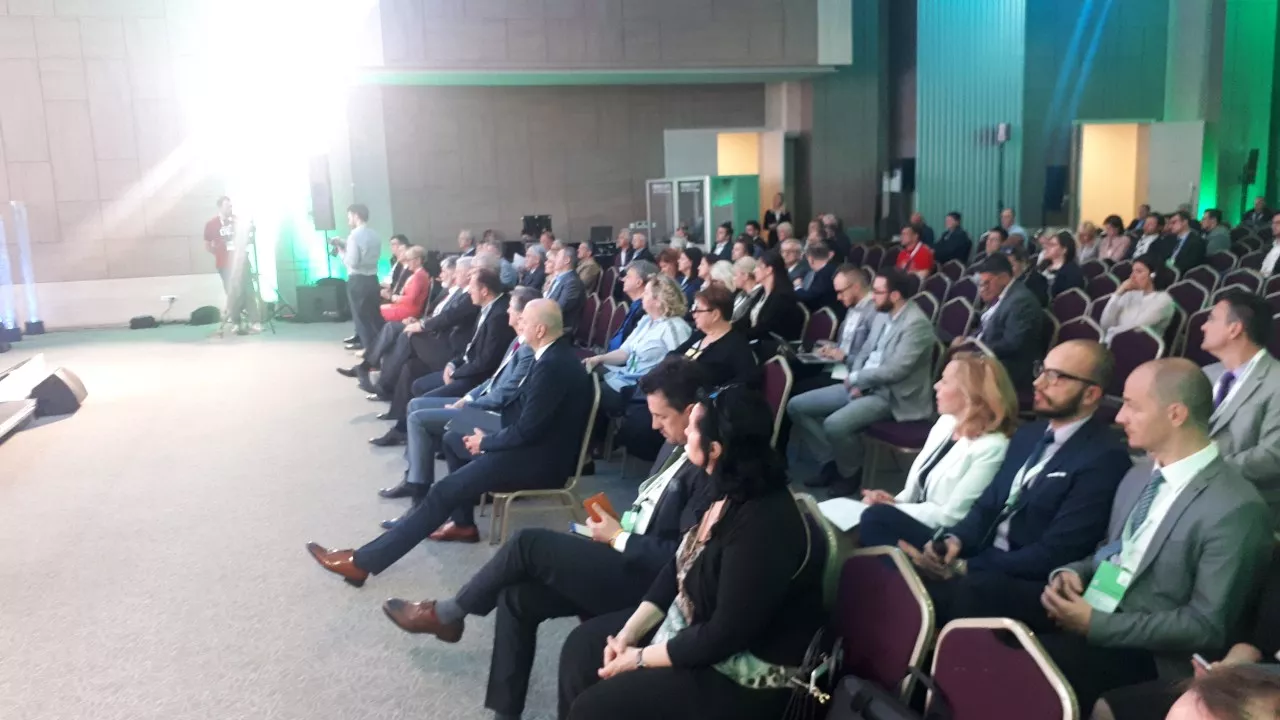
(Patria) - On the last day of the 5th Energy Summit in Neum, the topic was the Reform of the Gas Sector in Bosnia and Herzegovina. This reform has been stalled for years, one of the messages from the summit was. As stated, the Energy Community has imposed sanctions on Bosnia and Herzegovina due to the lack of an adequate legal framework that should be in line with the requirements of the Energy Community Treaty, to which BiH is a signatory.
What is missing in BiH's legislative framework? USAID EIA is preparing a report on primary legislation and key regulations in BiH and their alignment with the EU acquis, which includes an analysis and recommendations, as discussed by Mak Kamenica from USAID EIA.
“We have a package of analyses and recommendations to see what the next steps are. We are working with all partners active in the gas sector and thank them for their commitment, as we are all working to create the best possible documents. All of this is aimed at popularizing the use of natural gas,” said Kamenica.
Tariff regulations for gas transmission are a key element for non-discriminatory access to the network, which is a prerequisite for establishing and developing a functional gas market. Transmission tariffs can also have a significant impact on network users and the financial sustainability of projects. Recent assessments by the Energy Community have indicated parts of BiH legislation that are not aligned with the EU legal framework, including provisions related to gas transmission tariffs.
It was emphasized that the creation and implementation of an effective and non-discriminatory regulatory framework based on the EU's entry-exit system and a clear methodology for determining transmission tariffs will not only help resolve these issues but also ensure BiH fulfills its obligations as a signatory to the Energy Community Treaty.
Gas as an energy source to be used for the transition from coal to renewable sources is not being seriously considered, and projects aim to reduce current gas consumption, which would jeopardize the need for diversification.
Konstantin Petrov, a USAID EIA consultant, spoke about the Frameworks for the entry-exit model. He noted that customers must be free to choose their supplier, and that suppliers must compete with each other.
“New suppliers who procure gas on the wholesale market should be able to enter the market,” said Konstantin.
In his presentation, he explained that it is necessary to enable trade and market competition, and that discrimination and cross-subsidization must be avoided.
Komentari (0)
Prijavite se za komentiranje
PrijavaJos nema komentara. Budite prvi!
Minuta
Sve →Iz drugih kategorija

High Representative Not Elected: Germans, French and British Sabotaged Americans, New Attempt at End of June

ČOVIĆ WITHOUT MERCY: How Those Who Brought Ademović to Office Created a Political Hell for Him



Sunny Saturday, quite warm



Tragedy in Albanian resort: Two minors drown












