
(Patria) - The number of measles cases across BiH continues to grow, reaching over 7,000 cases, warn the World Health Organization (WHO) Office in BiH and UNICEF.
So far, two deaths have been registered - both were adolescents.
The latest estimates of national immunization coverage (WUENIC), published last week, show a worrying decline in measles vaccination in BiH with a coverage rate of only 55 percent.
Rates must reach at least 95 percent to prevent community outbreaks.
- There is no clearer sign of declining immunization coverage than the increase in measles cases. We must respond quickly to the growing number of cases by taking public health measures and investing in a stronger health system across the country - said Dr. Erwin Cooreman, WHO Special Representative in BiH.
Measles have a devastating impact on children's health, with sometimes fatal consequences. They cause long-term weakening of children's immune systems, making them more susceptible to other infectious diseases. Where herd immunity is compromised, measles, due to their extreme virulence, are often the first infectious disease to spread.
- There is no excuse for children to be at risk of contracting this preventable disease in 2024. Measles vaccines are safe and effective. Stronger efforts are needed to address all irregularities that cause children to miss vaccinations, so that we can bring these outbreaks under control - says UNICEF Representative in BiH Marc Lucet.
Vaccines to prevent measles not only protect vaccinated children but also other people who cannot be vaccinated, including infants and people with weakened immune systems due to illness, such as cancer patients undergoing chemotherapy.
The WHO Office and UNICEF in BiH, as well as the WHO and UNICEF Regional Offices for Europe, are working closely with public health authorities in BiH on this issue, providing various types of support to Bosnia and Herzegovina to respond to the epidemic.
The agencies call on all stakeholders to make additional efforts to address this problem in order to avoid unnecessary complications and loss of life related to missed vaccinations. UNICEF and WHO in BiH will remain available to the authorities to provide support.
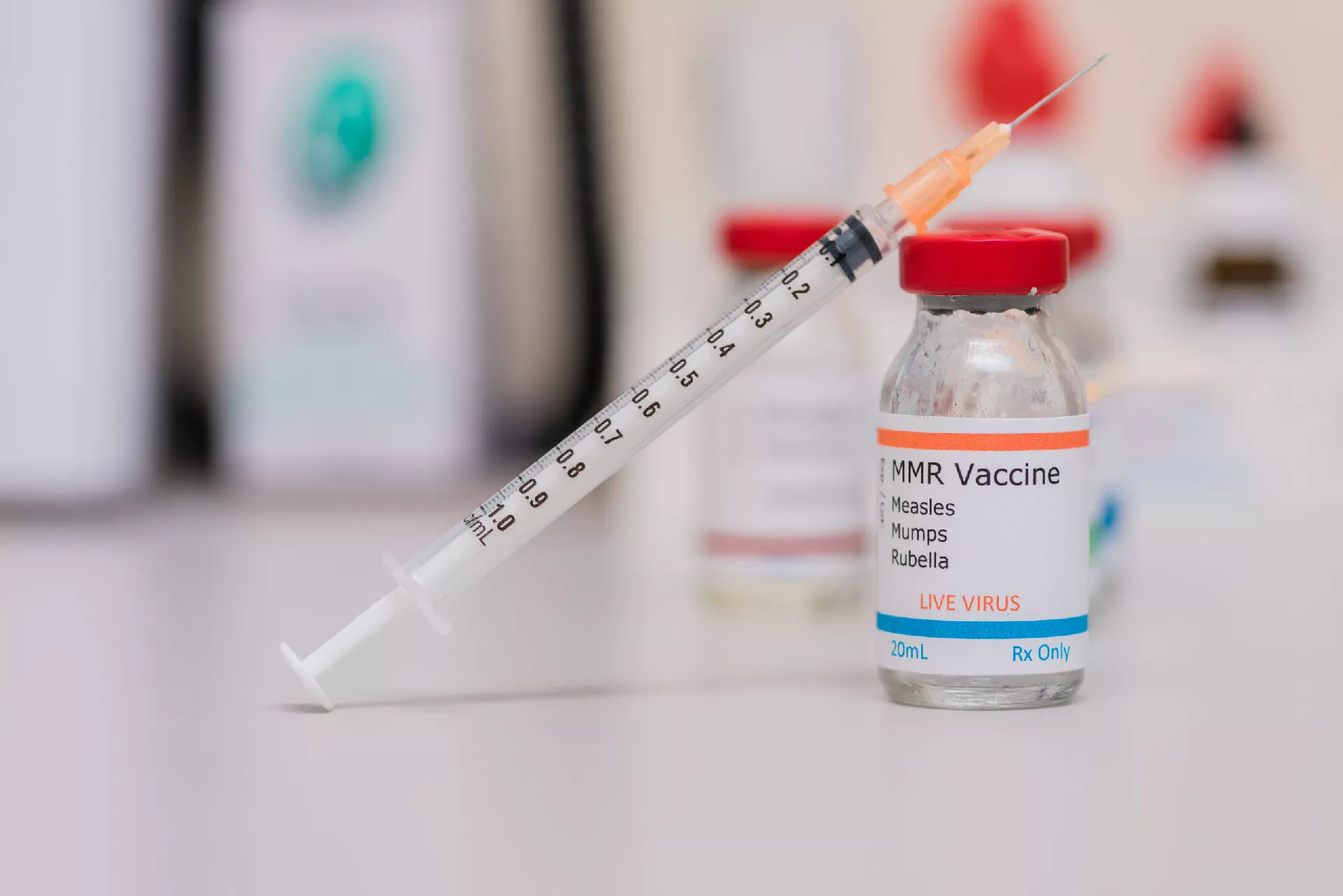
"We urge parents to check their children's vaccination status to ensure they have received two doses of the MMR vaccine (measles, rubella, and mumps vaccine).
If parents have additional questions, their pediatrician or family doctor is the best source of reliable information and can guide them on how to get additional vaccines," said WHO and UNICEF.
About the disease itself
Measles is one of the most contagious diseases in the world, and it spreads when an infected person breathes, coughs, or sneezes. The virus remains active and contagious in the air or on contaminated surfaces for up to two hours.
Anyone who is not immune can get infected. A prominent rash is the most visible symptom, while complications can include blindness, encephalitis, severe diarrhea and related dehydration, ear infections, and pneumonia.
People who contract measles are contagious for about eight days: four days before showing any signs of the virus and four days after the onset of symptoms.
This means that someone with measles can infect others without knowing they are sick, and can be contagious long before they are diagnosed.
Most people who receive the recommended two doses of the measles prevention vaccine will have lifelong protection and will never get sick from measles, even if exposed to the virus.
Komentari (0)
Prijavite se za komentiranje
PrijavaJos nema komentara. Budite prvi!
Minuta
Sve →Iz drugih kategorija

High Representative Not Elected: Germans, French and British Sabotaged Americans, New Attempt at End of June

ČOVIĆ WITHOUT MERCY: How Those Who Brought Ademović to Office Created a Political Hell for Him



Sunny Saturday, quite warm



Tragedy in Albanian resort: Two minors drown












