
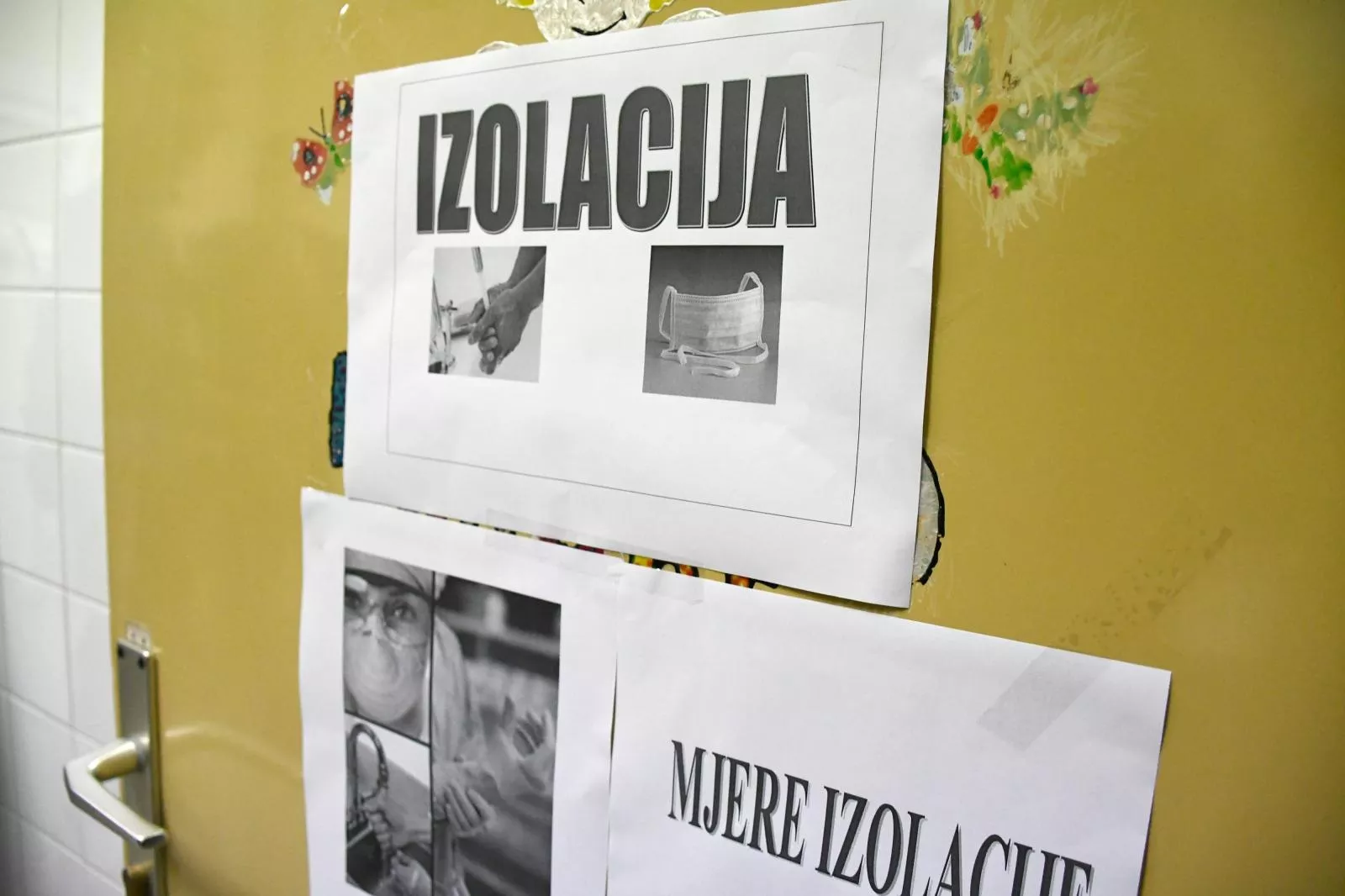
SARAJEVO, (Patria) - The Public Health Institute of Sarajevo Canton has issued recommendations to citizens who are under health surveillance in home self-isolation on how to act if they have been exposed to the coronavirus.
If you have been exposed to the risk of infection with the new coronavirus, the Public Health Institute of Sarajevo Canton emphasizes that by staying at home, you protect your friends, colleagues, and the wider community, and staying at home also contributes to suppressing and preventing the spread of the virus.
Measure temperature and monitor symptoms
Body temperature should be measured in the morning and evening, and it is also necessary to monitor the appearance of respiratory infection symptoms such as dry cough, shortness of breath or difficulty breathing, and chest pain.
Worsening of symptoms
It is not allowed to leave the house, and it is necessary to contact the responsible epidemiologist in case of worsening symptoms.
Wash hands, objects, and surfaces regularly
It is necessary to wash hands regularly with soap and/or use a hydroalcoholic solution, and to regularly clean and disinfect objects and surfaces in the areas where people in isolation are staying.
Use separate bedding
Spaces should be regularly ventilated, separate bedding, towels, and cutlery should be used, and it is desirable to provide a separate room and bathroom for people in isolation to use separately. If it is not possible to use a separate bathroom, the toilet bowl and sink must be washed with chlorine-containing preparations after each use of the toilet.
Close contact is contact at a distance of less than two meters
In addition to staying at home, it is necessary to avoid close contact with other people. Close contact is considered contact at a distance of less than two meters indoors and less than one meter outdoors for more than 15 minutes.
Pay special attention to the most vulnerable
Contact with the elderly, chronically ill, and pregnant women should be especially avoided.
We are aware that self-isolation can be unpleasant and stressful, but try to find ways to make your time in self-isolation easier, e.g., maintain regular contact with friends and family via phone or social networks.
Cover your mouth and nose when coughing and sneezing
People in self-isolation must cover their mouth and nose with a tissue when coughing and sneezing, and dispose of the tissue in a trash can with a lid after use, and wash and disinfect their hands thoroughly.
Do not leave without urgent need
People in isolation must not leave their homes, except in cases of urgent need when it is necessary to cover their nose and mouth with a mask and maintain distance from other people; they must not go to work, school, or religious and other gatherings.
Avoid touching your face
People in isolation must not touch their face, eyes, nose, and mouth with their hands, nor shake hands, receive visitors, or invite others to their home.
Food or supplies are delivered by friends, family, or a delivery person. When picking up, it is necessary to maintain a distance of at least one meter, cover your nose and mouth with a tissue, or not be in the same room during delivery.
Household members should also reduce contact
Other household members must also practice enhanced personal and space hygiene and limit their movements and social contacts in a way that does not disrupt their work or other unavoidable obligations.
Strictly adhere to self-isolation measures
Adherence to self-isolation measures is subject to supervision. The Federal and Cantonal Inspectorates will initiate misdemeanor and criminal proceedings against persons who do not comply with the ordered isolation measures. Persons who have been ordered measures of restricted movement/self-isolation for a period of 14 days by federal sanitary inspectors must strictly adhere to the imposed measures, and violation of the prescribed measures is punishable in accordance with Article 225 of the Criminal Code of the Federation of Bosnia and Herzegovina. The prescribed penalty for non-compliance with the regulations or orders of competent authorities is up to 1 year in prison.
Komentari (0)
Prijavite se za komentiranje
PrijavaJos nema komentara. Budite prvi!
Minuta
Sve →Iz drugih kategorija

High Representative Not Elected: Germans, French and British Against Americans, New Attempt at End of June

ČOVIĆ WITHOUT MERCY: How Those Who Brought Ademović to Office Created a Political Hell for Him



Sunny Saturday, quite warm



Tragedy in Albanian resort: Two minors drown












