
Written by: Armin Sijamić
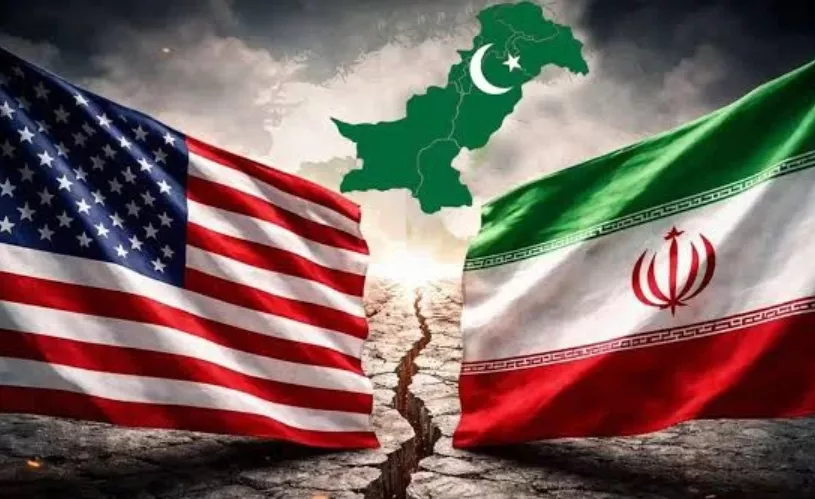
Weapons fell silent for two weeks after the United States and Iran agreed to a ceasefire and talks in Islamabad on Tuesday evening. The ground for diplomacy has been opened.
After all modern wars, some kind of agreement has been reached. The Iranian army, after about forty days of war against the American and Israeli armies supported by some Arab and European countries, enabled Iranian diplomacy to go to the negotiations in Islamabad not as the weaker side.
Islamabad itself as a venue for negotiations is the result of the fact that the army gave Iranian negotiators better starting positions than Tehran had. From negotiations in Switzerland and Oman, communications with the Americans through intermediaries and subsequent Israeli and US attacks on Iranian negotiators, face-to-face talks were reached, mediated by Pakistan.
Pakistan also stood by Tehran in this round of the US-Israeli war against Iran. Unlike some of Iran's neighbors, it did not give its territory as a base for American attacks, and the Pakistani army did not intercept Iranian missiles and drones, although the United States is an ally of Pakistan.
The Iranian delegation was received with the highest honors. The head of the Iranian parliament, Mohammad Baqer Qalibaf, and the head of Iranian diplomacy, Abbas Araghchi, were welcomed as Pakistani friends.
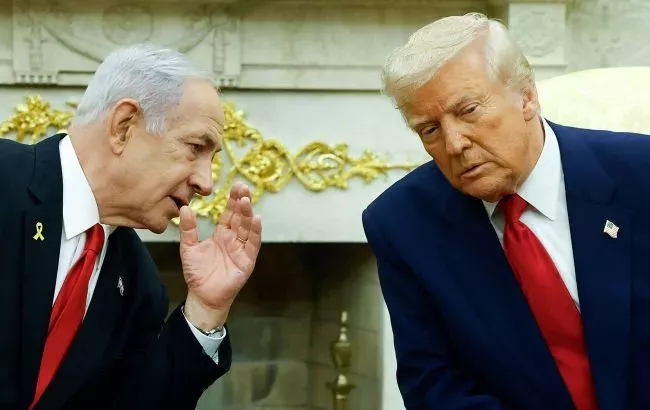
The American delegation was led by Vice President JD Vance. Also present were US President Donald Trump's special envoy Steve Witkoff and the president's son-in-law Jared Kushner. Some Iranian officials, while the war was ongoing, said they wanted to negotiate only with Vance, which was an implicit message that they did not trust Witkoff and Kushner.
Path to Islamabad: From Threats to Talks
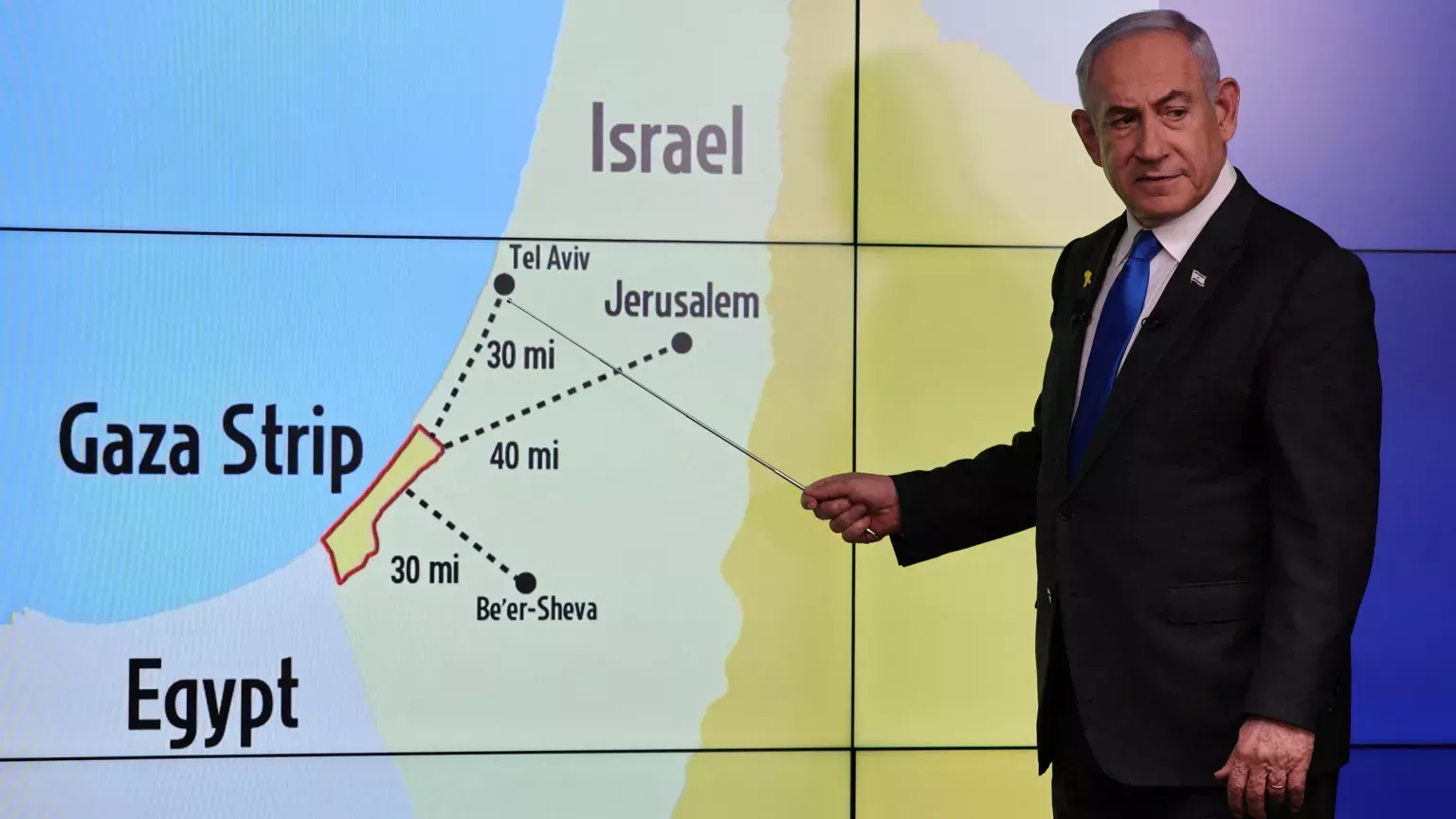
The talks between American and Iranian officials were welcomed worldwide, except in Israel. To undermine the talks before they began, Israel, after the ceasefire on all fronts was announced, attacked Lebanon, killing hundreds and wounding thousands. Prime Minister Benjamin Netanyahu once again showed that he does not want peace and wants the war against Iran to continue.
Trump had earlier given Iran a deadline for an agreement, or otherwise "the entire civilization will die tonight and never be restored." Then Pakistani Prime Minister Shehbaz Sharif stepped in, writing on social media platform X that Iran and the United States had agreed to a ceasefire, which includes Lebanon. Iran said it would negotiate based on ten points it had previously proposed, while Trump and Vance said Lebanon was not included in the ceasefire, although the US president, in announcing the ceasefire, wrote on social media that Iran's ten points were the basis for negotiations.
This likely prompted Pakistani Defense Minister Khawaja Asif to write on X, then delete, that "Israel is evil and a curse for humanity," that it is committing genocide in Gaza, Iran, and Lebanon, and that it is undermining the talks in Islamabad. "I hope and pray that the people who created this cancerous state on Palestinian land remove the European Jews and burn in hell," he stated.
Nevertheless, the talks took place. Delegations arrived in Pakistan, despite the massacre in Lebanon, fake news from all sides, and maximalist demands as a basis for negotiations. Those who wanted negotiations prevailed, and besides Iran and the US, that includes Pakistan and, according to some claims, China, which encouraged Tehran and Islamabad to take that path.
Behind Closed Doors: How to Open the Strait of Hormuz?
Although the world's eyes were on the negotiations, only a small number of people knew what was happening behind closed doors. Periodic reports from American and Iranian media were intended to control their own publics, rather than accurate reporting. However, both sides agreed that the talks lasted for hours.
But although weapons fell silent, that did not mean a definitive end to the war. Additional US military forces were sent to the Middle East, and British Prime Minister Keir Starmer said talks were ongoing about how to open the Strait of Hormuz. Starmer said work is underway to form a coalition of about thirty countries that does not exclude the possibility of using military force.
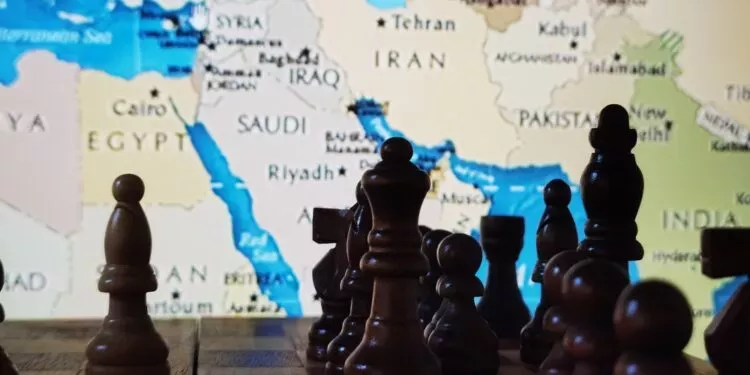
The Strait of Hormuz is at the center of US-Iranian negotiations. In the mentioned ten-point plan, it states that Tehran will have control over the strait and will charge ships for passage to compensate for the damage it suffered in the war, while the other points are guarantees that Iran will not be attacked again, that sanctions will be lifted, and that weapons will fall silent across the Middle East.
Control over the Strait of Hormuz gives Iran all that, and the negotiations in Islamabad are a consequence of the strait being closed. About a quarter of the world's oil, a fifth of liquefied gas, a third of raw materials for fertilizer production, and a fifth of aluminum are now a chip in Iranian hands.
Trump made Iran a great power, because before this war it did not control passage through the Strait of Hormuz. For example, Russia controls about twelve percent of the world's oil, seventeen percent of natural gas, about twenty percent of raw materials for synthetic fuel production, and about six percent of aluminum.
After the ceasefire, Iran emerged as a political and economic winner. The negotiations in Islamabad were needed to certify this victory and at least briefly enjoy the role of winner. The American side wanted to prevent this in the negotiations, while simultaneously trying to keep the military in the Middle East and access to states that are dependent on Washington. Trump repeatedly said he does not want Iran with nuclear weapons and demands that the Strait of Hormuz be opened.
But the Trump administration cannot give this to Iran, not only because of its own interests. Netanyahu's opposition is a major obstacle. On the night the ceasefire was announced, some pro-Israel voices in the United States saw it as a disaster, warning that Iran cannot get what it stated in the mentioned ten points. Netanyahu also spoke up, saying the war against Iran would continue.
Agreement or War
When negotiations took place a few months ago, Iran was the weaker side. Sanctions, American military bases near Iran's borders, and the threat of the world's largest power to attack hung over Iranian heads.
Now, although heavily damaged in American and Israeli strikes, the Iranians have eliminated numerous American bases, inflicted heavy blows on Israel with Hezbollah, exposed the policies of many Arab states, taken the initiative in Iraq, and for the first time in decades gained understanding from some Western governments. In addition, Iran controls the Strait of Hormuz and directly influences the prices of oil, natural gas, synthetic fuels, aluminum, and other goods. The world faces an unprecedented economic crisis.
Thus, the Iranians shifted the pressure to Trump, from whom most of his voters demand an end to the war, while Netanyahu and the pro-Israel lobby in Washington do not want to hear it, all ahead of the November elections for US legislative bodies. Some predict a heavy electoral defeat for the Republicans, and the disintegration of Trump's MAGA movement these days can be traced through the president's own statements.
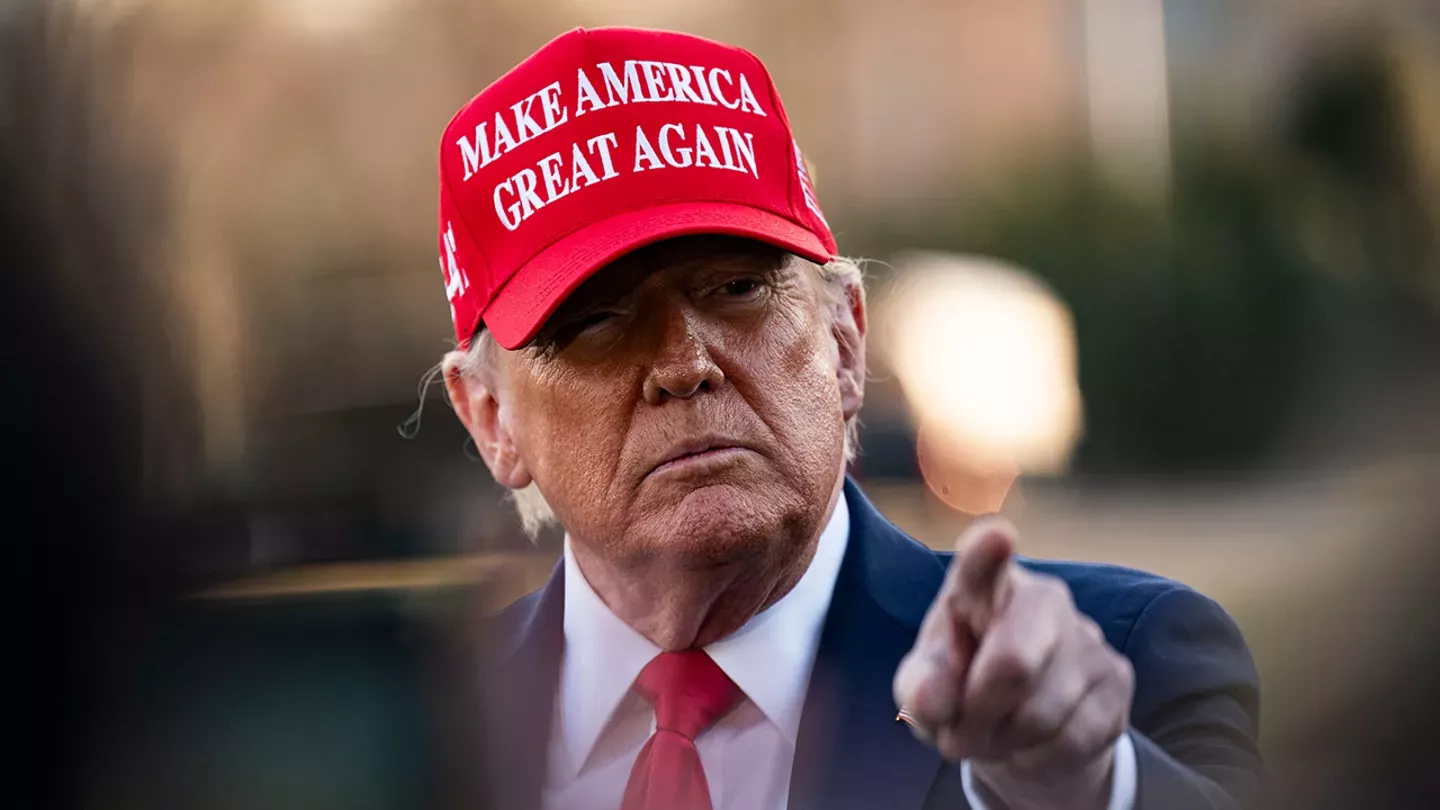
The Iranian and American sides have suffered heavily in this war. Damage to equipment, infrastructure, and personnel is enormous, and it would be expected that both sides reach peace.
The delegations left Islamabad today claiming that the opposite side does not want to accept their demands, but not closing the door to new negotiations.
An agreement is possible, and Tehran and Washington had reached one during the Obama administration. Trump, upon entering the White House, at Netanyahu's request, abandoned the agreement. In June last year, negotiations were going in a good direction, but then they were interrupted by a sudden Israeli attack in which a large part of Iran's political and military leadership was killed.
Before the attack on Iran on February 28, negotiations were proceeding in a good direction, and this was confirmed by Omani Foreign Minister Badr al-Busaidi. That chance was also destroyed by a new sudden US-Israeli attack in which Iran's Supreme Leader and Shiite Ayatollah Ali Khamenei was killed. The Iranian and American sides have suffered heavily in this war. Damage to equipment, infrastructure, and personnel is enormous, and it would be expected that both sides reach peace.
In June last year, negotiations were going in a good direction, but then they were interrupted by a sudden Israeli attack in which a large part of Iran's political and military leadership was killed. Before the attack on Iran on February 28, negotiations were proceeding in a good direction, and this was confirmed by Omani Foreign Minister Badr al-Busaidi. That chance was also destroyed by a new sudden US-Israeli attack in which Iran's Supreme Leader and Shiite Ayatollah Ali Khamenei was killed.
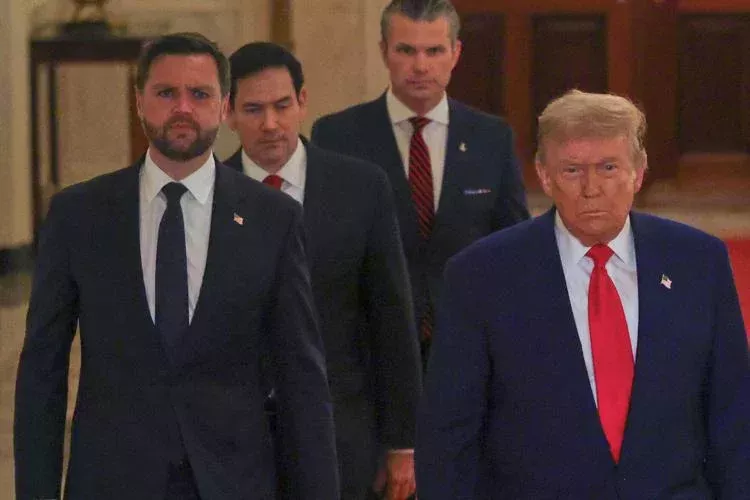
In those negotiations, Iran showed willingness to reach an agreement, even to its own detriment. Rejection of the agreement or its violation always came from the American side, and since June last year, military attacks have been included in the intention to break the Islamic Republic. Therefore, it is logical to conclude that the United States is now choosing between war and peace, and Iran can do nothing about it if it does not want to submit to Washington and Tel Aviv like most states and movements in the Middle East. The negotiations in Islamabad showed that, which was one of the goals of Iranian diplomacy if an agreement with Washington is not reached.
Komentari (0)
Prijavite se za komentiranje
PrijavaJos nema komentara. Budite prvi!
Minuta
Sve →Iz drugih kategorija

High Representative Not Elected: Germans, French and British Against Americans, New Attempt at End of June

ČOVIĆ WITHOUT MERCY: How Those Who Brought Ademović to Office Created a Political Hell for Him



Sunny Saturday, quite warm



Tragedy in Albanian resort: Two minors drown












