
By Armin Sijamić
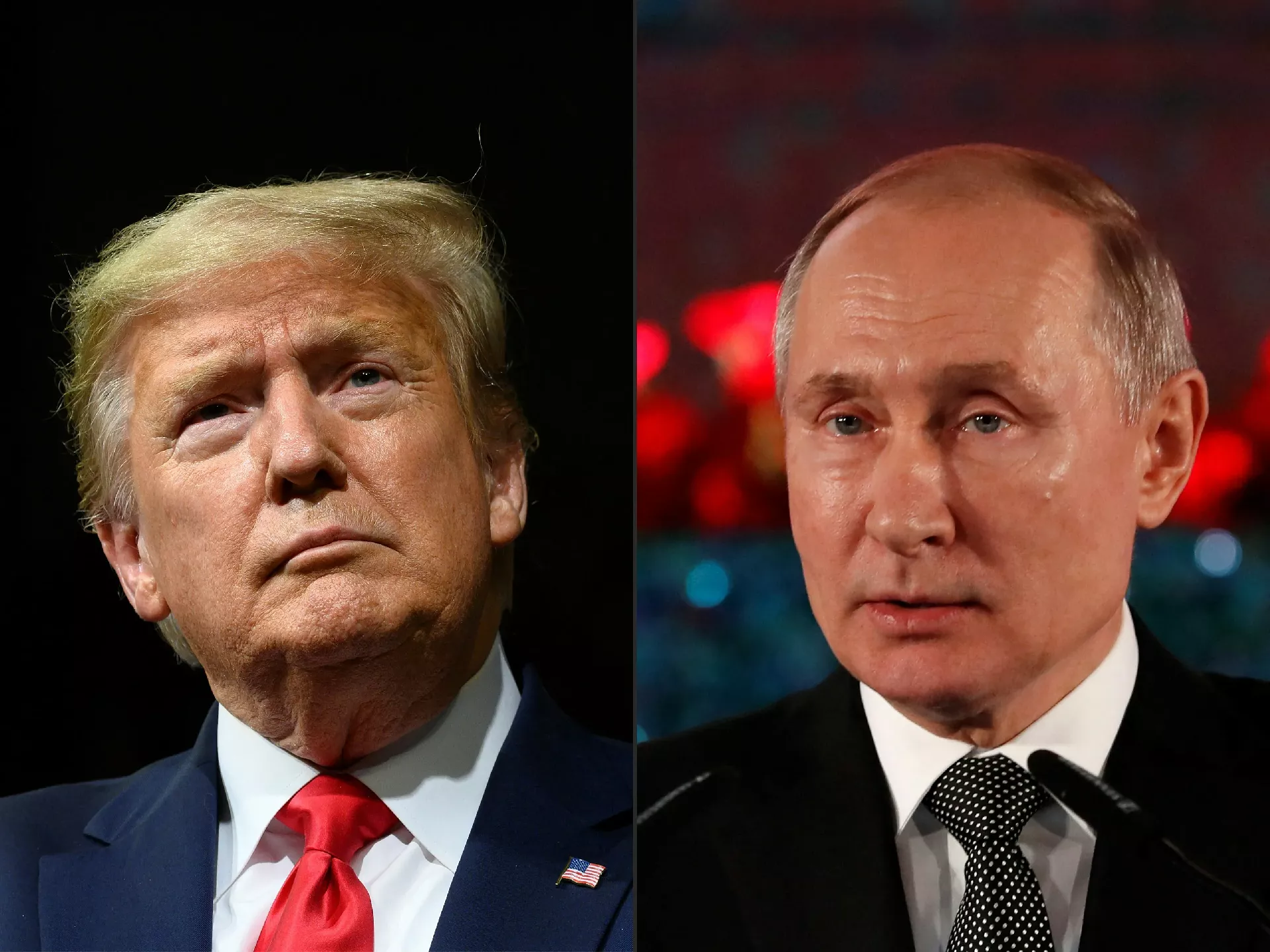
Yesterday, the President of the United States Donald Trump and his Russian counterpart Vladimir Putin spoke by phone. The main topic was Ukraine, although the two presidents are not too interested in bringing their Ukrainian counterpart Volodymyr Zelensky to the negotiating table.
The public is still gathering fragments of the Trump-Putin phone call, which lasted about ninety minutes, and trying to put them into the context of current events, i.e., connect them with what the American and Russian sides have been negotiating in recent weeks. Official statements from both sides are being quoted, statements from officials close to Trump or Putin are being reported, known positions are being cited...
Previously spectacular meetings between the American and Russian presidents have moved to phone and video calls, which mystifies their negotiations to the extreme, although it was clear even before that the public received crumbs from these meetings and sometimes had to wait for decades to form a broader picture.
However, this time the public did not have to guess that Ukraine was the main topic of conversation between Trump and Putin. The unwritten diplomatic rule that he who is not at the table where decisions are made is usually on that table and decisions are made about him was applied to Ukraine yesterday.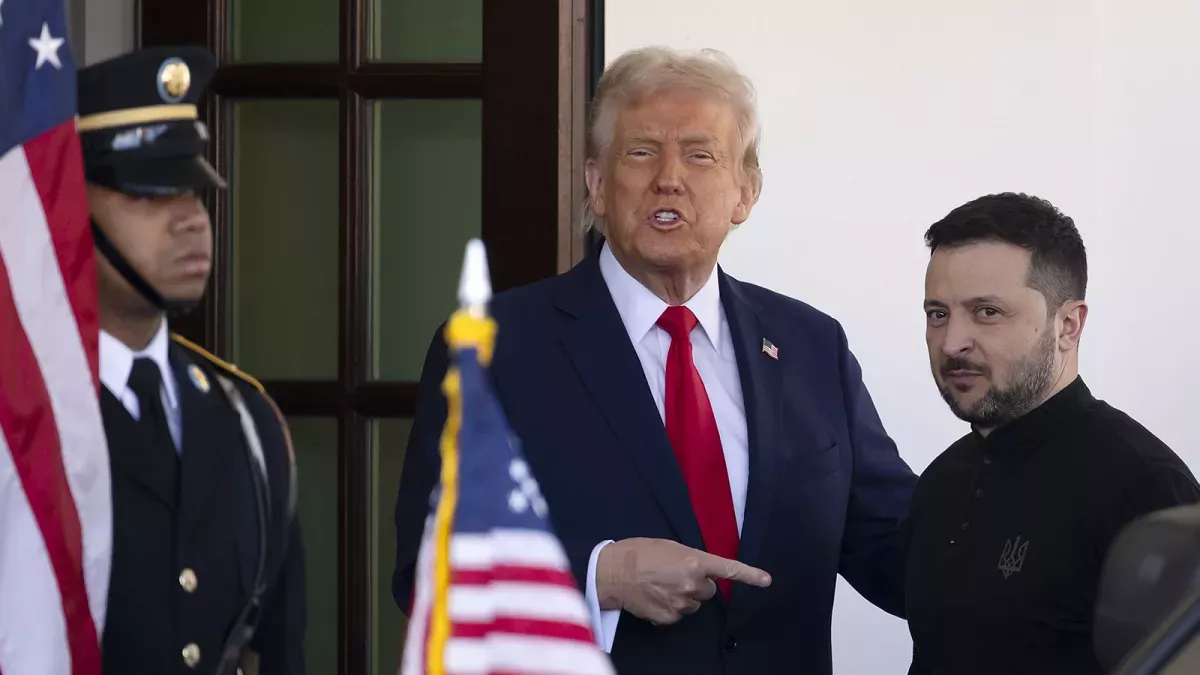
On Ukraine Without Zelensky
It is no secret that Zelensky is not doing well in parts of the West, especially in the United States. The recent scandalous conversation between Zelensky and his hosts at the White House showed what has been in the air for a long time – some American officials want Zelensky to leave the presidential position, believing that peace in Eastern Europe would be easier to achieve without him.
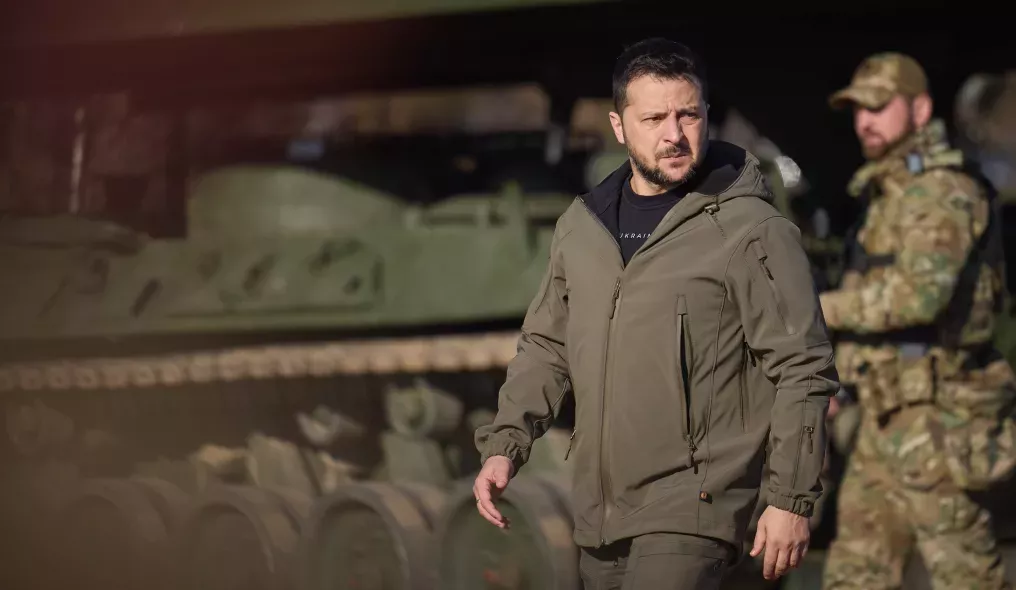
On the other hand, Putin has been repeating for months that Zelensky is not a partner for negotiations because his mandate has expired and that Ukraine needs new elections or for the parliament there to elect his successor.
However, the real reason does not lie in Zelensky's legitimacy. Washington and Moscow do not pay attention to such "trifles" when redrawing Ukraine or other countries. Zelensky has repeatedly stated since the beginning of the Russian aggression against Ukraine that he will not agree to cede even the smallest part of the territory to Moscow, and this is the biggest problem that the White House and the Kremlin have with him. Washington knows that Ukraine does not have the strength to regain all lost territories, and the Kremlin knows that Russia's resources (economic and human) are not infinite, and therefore they want Kyiv to give up fighting as soon as possible and allow decisions to be made about it even after the war.
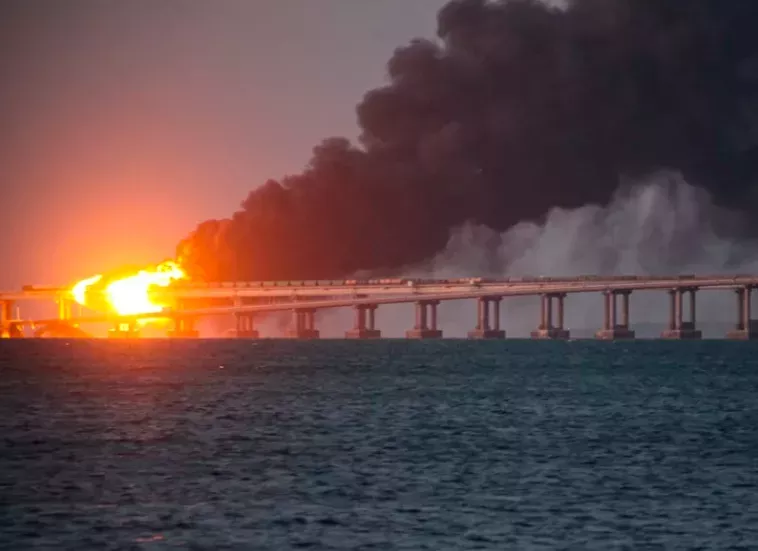
While Zelensky was traveling to Finland, Trump and Putin negotiated about Ukraine and agreed that Russia would stop attacking the Ukrainian power grid for thirty days, that they would seek "technical negotiations" on peace in the Black Sea region, and that they were ready to agree on the end of the war. According to the American side, Putin refused to establish a thirty-day ceasefire on the entire front. Zelensky said he accepted the agreement but needed details about what the two sides had negotiated.
The agreement on a thirty-day cessation of attacks on the power grid immediately raised the question of who benefits from it. Those who defend Trump's positions say it is a good agreement for Ukraine, and those who defend Putin say it is good for Russia. Both are probably right, as Ukraine saves ammunition for air defense, and Russia saves missiles and drones it uses for attacks. However, as spring approaches and winter recedes, it seems to be a symbolic act.
Same target, even greater distance
Putin was not the only one refusing the other side's demands. Americans say Putin asked Trump to stop sending weapons to Kyiv and to halt intelligence sharing between the United States and Ukraine. Trump rejected the proposal. Zelensky commented on this part of the conversation as well, saying that Ukraine would never agree to such a deal.
The fact that Zelensky sounds like a commentator on his own fate and Ukraine's future speaks to the absurdity of the Trump-Putin negotiations. If the West has declared Ukraine an important ally, then Kyiv should know what is being negotiated and not appear in public as if it were informed about the content of the talks from the media. Zelensky's message that more details are needed and that he does not trust Russia indicates that he does not trust Washington under Trump either, despite having previously received support from European powers.
But Trump wants to make peace in Eastern Europe at any cost and then turn to Israel and a plan that has bipartisan support in the United States – containing China. For this to happen, Kyiv must accept whatever is offered, and Putin must satisfy his territorial claims.
Kyiv showed yesterday that this is not being accepted. After partially withdrawing forces from the Russian region of Kursk, the Ukrainians entered the Belgorod region, about ten kilometers from the state border. This shows Kyiv's intention to once again tell Moscow that they do not have enough soldiers for the entire front and that a fair agreement is the only way to end the war. Russia announced yesterday that it had repelled five attempts by the Ukrainian army to infiltrate Russian territory, assessing that Kyiv carried out the operation to sabotage the Trump-Putin negotiations.
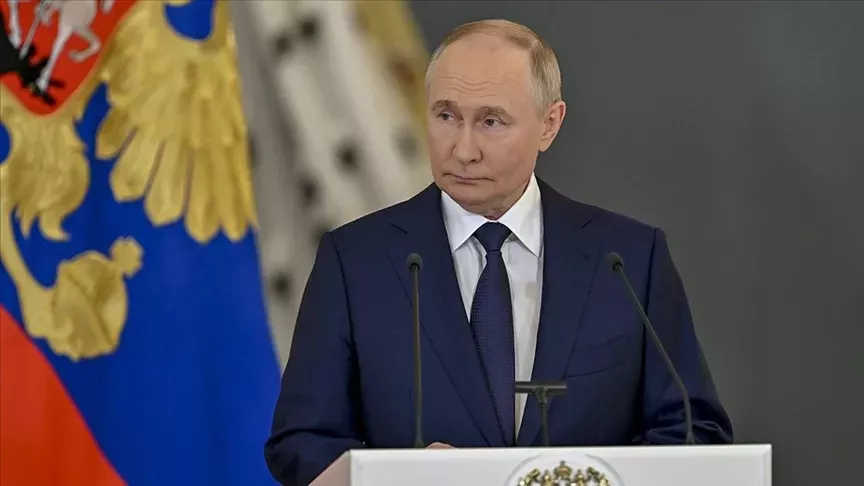
The US President will certainly present the talks with Putin as a success. But everything indicates that they are at the beginning of a difficult path and that Trump is further from peace than his predecessor Joseph Biden. Biden tried to break Moscow and bring "just peace" to Ukraine, while Trump is breaking both sides at the same time. Trump's insistence yesterday on peace in the Black Sea region is good news for Ukraine, as it could thus retain the city of Odesa, which many consider to be the key to this war.
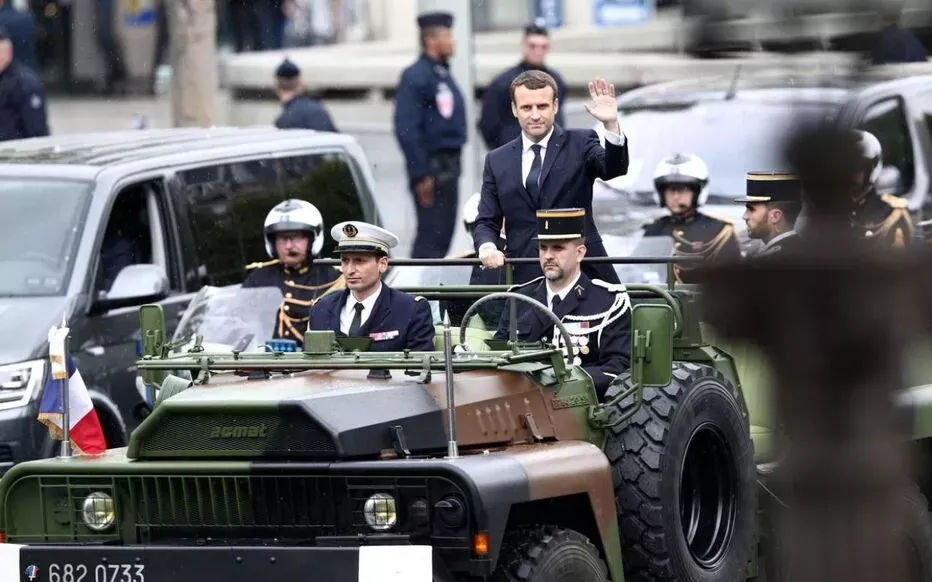
Whether Trump and Biden only discussed Ukraine is not known to the public. However, it is clear that Ukraine will sooner or later cease to be the sole topic in the White House-Kremlin talks. Some of the emerging topics include the Middle East (Israel, Palestine, Syria, Lebanon, Yemen, and Iran), China, Greenland and the Arctic, Western sanctions against Russia, energy security, and relations with Europe. Both Washington and Moscow are in a hurry to end the war in Ukraine, while Kyiv seeks to have its interests respected. The talks between Trump and Putin without Ukrainian officials guarantee that some of these wishes will not be fulfilled.
Komentari (0)
Prijavite se za komentiranje
PrijavaJos nema komentara. Budite prvi!
Minuta
Sve →Iz drugih kategorija

High Representative Not Elected: Germans, French and British Sabotaged Americans, New Attempt at End of June

ČOVIĆ WITHOUT MERCY: How Those Who Brought Ademović to Office Created a Political Hell for Him



Sunny Saturday, quite warm



Tragedy in Albanian resort: Two minors drown












