
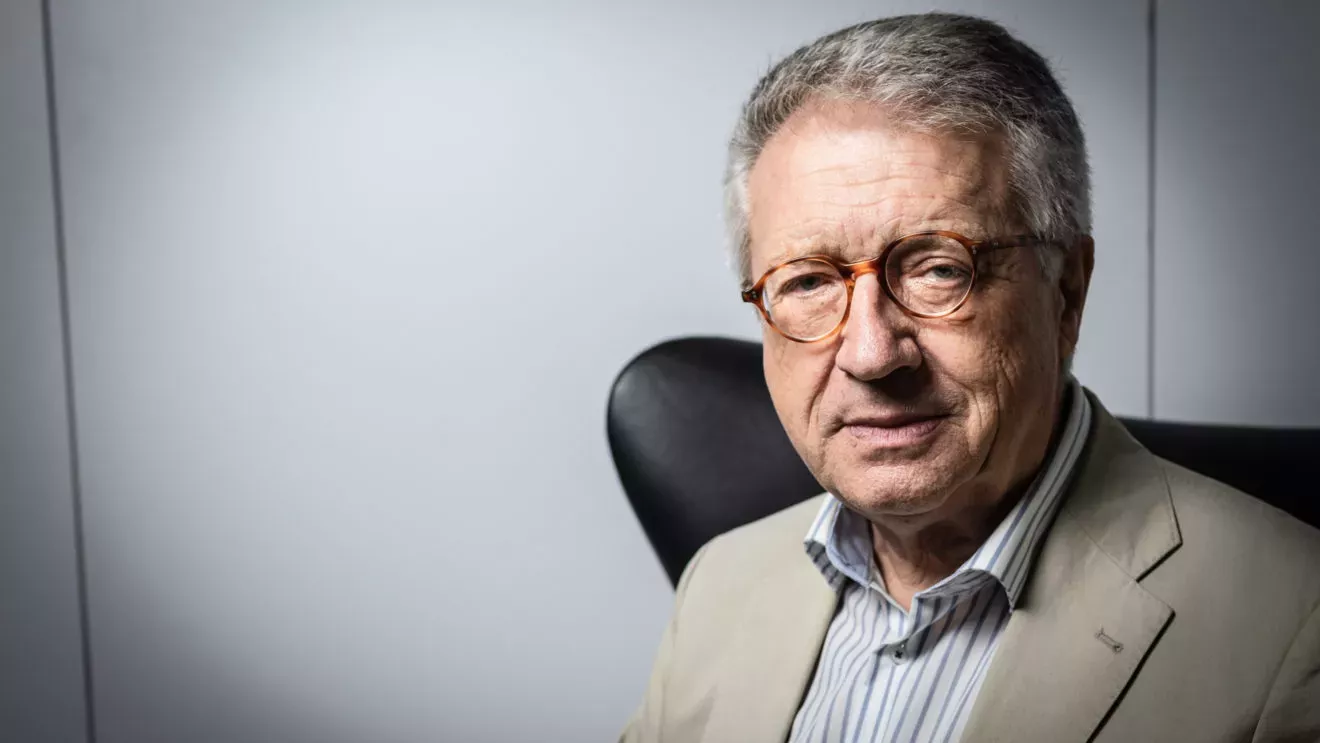
(Patria) - Former High Representative Wolfgang Petritsch, who is also responsible for the formation of the Court of BiH, the Prosecutor's Office of BiH, SIPA and the HJPC of BiH, told N1 that Milorad Dodik is today destroying the institutions that he once built with him and worked very positively on the reforms of that time, which, as he says, strengthened the state and statehood of BiH.
Petritsch emphasizes that there is no chance that these institutions will be banned from operating in any part of Bosnia and Herzegovina, and that a return to the so-called original Dayton is just a fantasy.
- I would not go so far as to overly dramatize the situation. Of course, it was to be expected that all these decisions made at the state level would not please Mr. Dodik.
He has been fighting against them for many, many years. This only shows how dramatic Mr. Dodik's change has been.
Because, when we at the OHR 23 years ago were introducing the most far-reaching strengthening of BiH, Mr. Dodik, sometimes reluctantly, but always in a positive and constructive way, discussed these reforms and was on the side of those reforms.
I still remember when we set two main issues and topics for the judiciary at the state level, dealing with war crimes. We were already negotiating with The Hague for domestic courts throughout the former Yugoslavia to take over more and more.
The second issue was corruption, the fight against corruption, which at one point was extremely important and even supported by those we suspected might actually make some profit from such a dysfunctional system.
So, SIPA was established as a state agency, with state competencies, a state High Judicial and Prosecutorial Council, and so on. The judicial system, which was actually probably the most consistent reform carried out at that time for the state of BiH, for statehood, so to speak, except for the overpowering strength of the entities that was designed in Dayton to end the war.
It was clear to everyone from the beginning, from Milošević, Tuđman, Izetbegović who signed the agreement in Dayton, that the state would need greater powers and that they should be introduced in conjunction with the political forces in BiH.
And so, as I said, although there was much more hesitation on the Serb side, on the Bosniak side, perhaps too much in terms of becoming a state - says Petritsch.
According to his words, the OHR at that time actually tried to surpass that and say - let's devise a state judiciary, with a state police, that will meet the expectations of both sides.
- And I think that compromise from back then is very good. And if you consider that this was established almost 25 years ago, we must say - well, obviously it was a very important and very good decision.
In the meantime, unfortunately, Dodik, who, like several other politicians in Bosnia and Herzegovina, has been in politics for too long, reminds me of Mr. Putin or others in Belarus or North Korea, where politicians stay in their positions for too long.
This is no longer democracy. And Dodik has, of course, turned from a democrat, as he once was, into an autocratic leader who, according to his own ideas, wants to shape Bosnia and Herzegovina, and especially the Republika Srpska.
And this is simply illegal. The international community cannot accept this, and especially the European Union has other problems it must deal with - added Petritsch.
Komentari (0)
Prijavite se za komentiranje
PrijavaJos nema komentara. Budite prvi!
Minuta
Sve →Iz drugih kategorija

High Representative Not Elected: Germans, French and British Sabotaged Americans, New Attempt at End of June

ČOVIĆ WITHOUT MERCY: How Those Who Brought Ademović to Office Created a Political Hell for Him



Sunny Saturday, quite warm



Tragedy in Albanian resort: Two minors drown












