
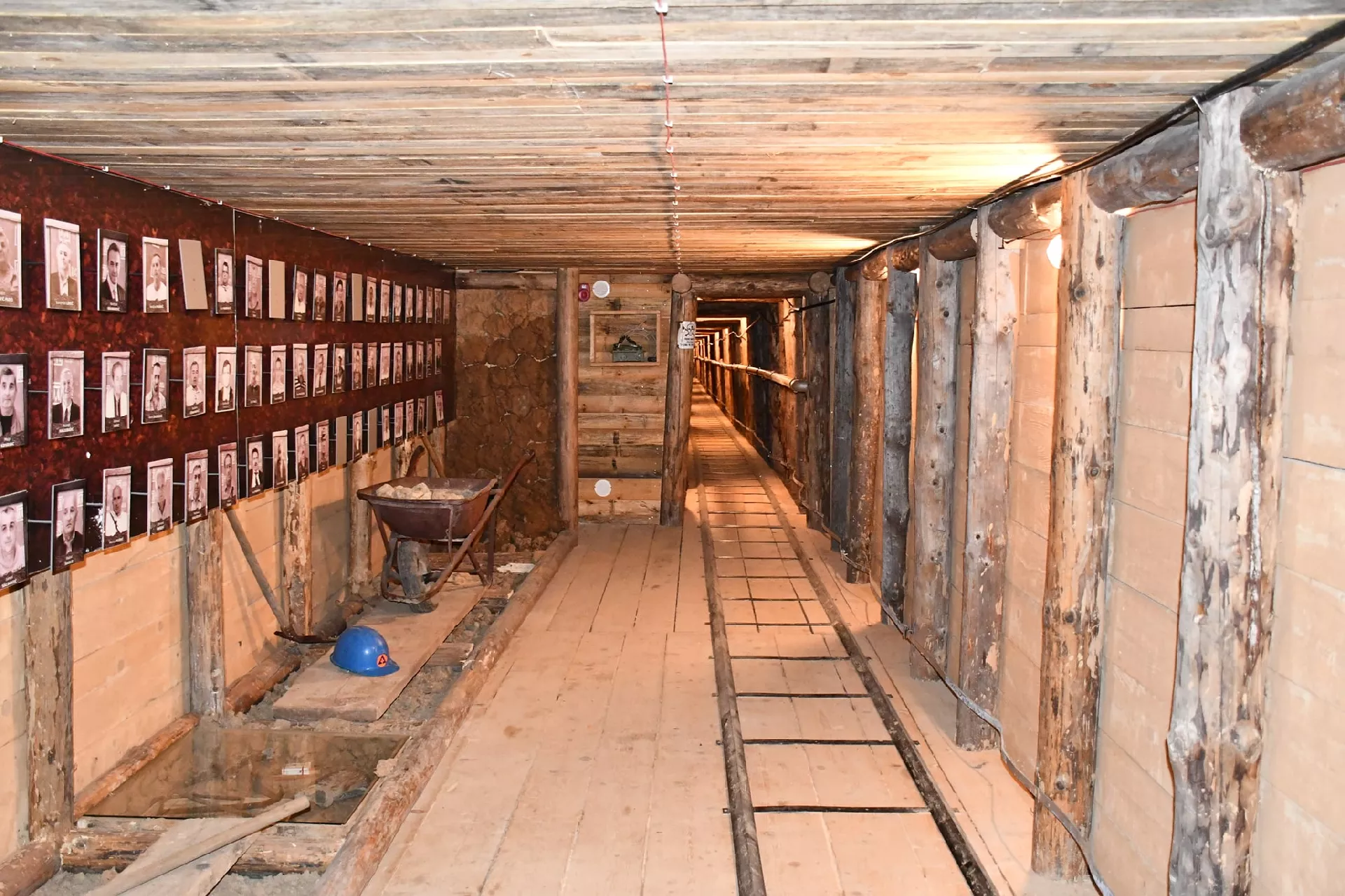
(Patria) - On this day, July 30, 1993, in the late evening hours, the D-B Tunnel was breached, and put into operation on July 31. The Tunnel of Hope, as citizens called it, is a key structure that enabled Sarajevo's survival during the longest siege of a city in modern history. This tunnel, built under the airport runway, connected the settlements of Dobrinja and Butmir, providing the only direct link to the outside world for the residents of Sarajevo.
On the occasion of its breaching and commissioning, on July 31, a solemn commemoration of this significant date will be held in front of the Educational Center of the Tunnel D-B Memorial Complex - the Dobrinja side of the Tunnel of Hope, at Kurta Shorka Street 60, starting at 8 PM.
Construction Process
During the siege, which lasted from 1992 to 1996, or 44 months or 1425 days, Sarajevo was completely cut off from the outside world. Residents faced difficult conditions, including shortages of food, water, electricity, and medical supplies. The tunnel, about 800 meters long and between 1.5 and 1.8 meters high, was a crucial point of resistance and survival.
The construction of the tunnel began on January 28, 1993, facing challenges such as unfavorable weather conditions, shelling, and a lack of tools and labor. The work was extremely difficult because there was no telephone connection, so the only way to communicate between the two sides was to dangerously run across the runway.
The "D-B" tunnel - Dobrinja - Butmir became the secret lifeline of Sarajevo, enabling the transport of basic necessities, food, medicine, weapons, but also information. In addition, the tunnel allowed the Army of the Republic of Bosnia and Herzegovina (ARBiH) to withdraw and regroup its units, which was crucial for maintaining the city's defense.
Human Losses
Before the construction of the tunnel, more than 800 people lost their lives trying to run across the airport runway, which was under constant surveillance and attack by Serbian forces. The tunnel reduced this deadly practice, providing a safer passage for people and goods.
In 1994, small rails were installed in the tunnel to facilitate transport, which further accelerated the movement of people and goods through the tunnel. Although the Army of Republika Srpska learned of the tunnel's existence and tried to destroy it, these attempts were unsuccessful.
After the war, the Tunnel of Hope was converted into a museum and memorial complex managed by the Sarajevo Memorial Center. It is open to visitors from the Butmir side, and the complex offers a unique historical experience, providing insight into the daily life of Sarajevo during the siege. Visitors can see artifacts, photographs, and videos from that time, as well as items that Sarajevo citizens improvised to survive.
Through this tunnel passed not only material aid but also hope for survival and a better tomorrow, making it one of the most important structures in the defense of Sarajevo and Bosnia and Herzegovina, and it remains a symbol of the strength, resistance, and survival of the people of Sarajevo, according to the Sarajevo Memorial Center.
Komentari (0)
Prijavite se za komentiranje
PrijavaJos nema komentara. Budite prvi!
Minuta
Sve →Iz drugih kategorija

High Representative Not Elected: Germans, French and British Sabotaged Americans, New Attempt at End of June

ČOVIĆ WITHOUT MERCY: How Those Who Brought Ademović to Office Created a Political Hell for Him



Sunny Saturday, quite warm



Tragedy in Albanian resort: Two minors drown












