
By Armin Sijamić
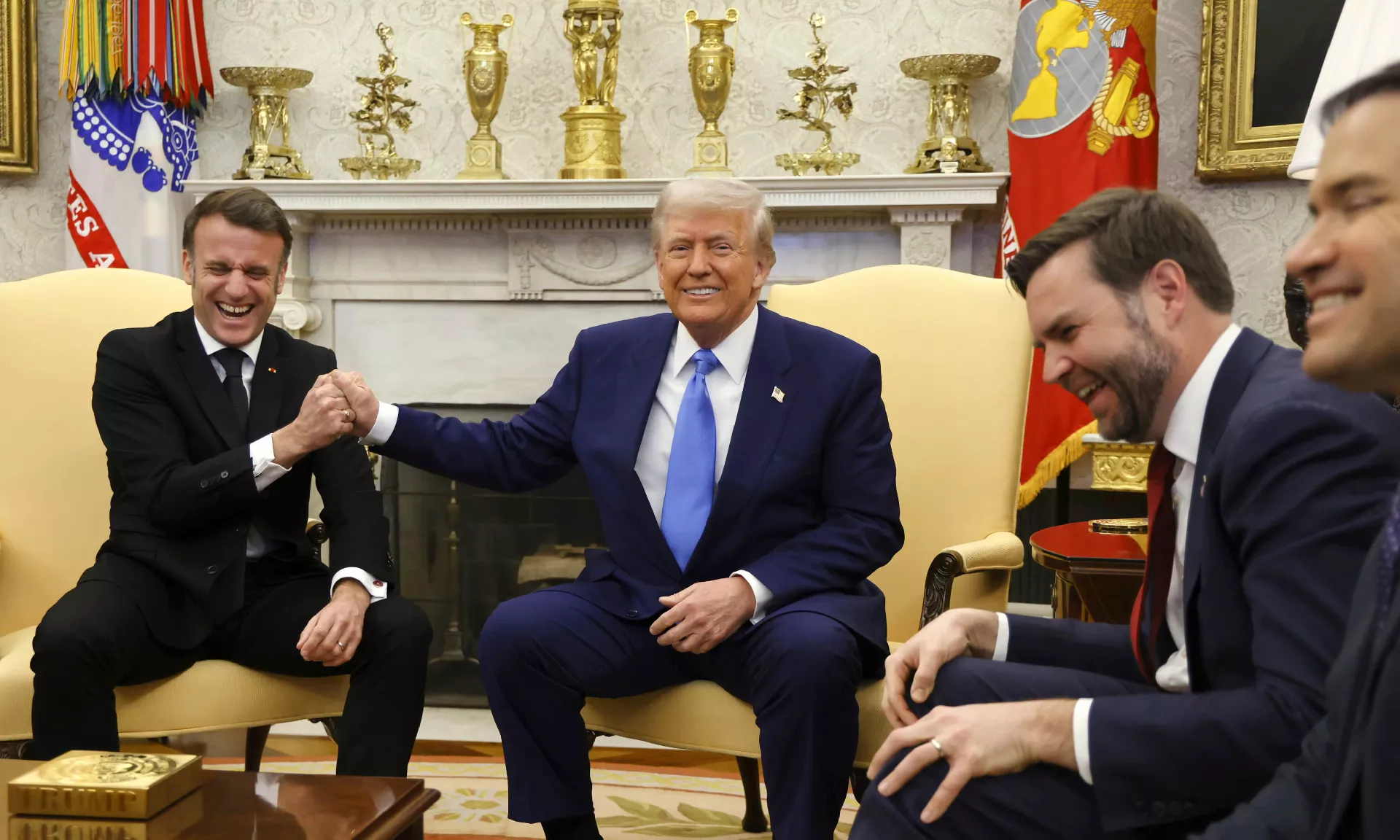
US Vice President JD Vance gave a speech at the Munich Security Conference on February 14 last year, shocking many. This week, French President Emmanuel Macron gave an interview to several European media outlets, which is a kind of response to Washington.
Vance's speech from Munich is considered historic by many, although he essentially said nothing that is not part of the political programs of Western countries and what Western officials have sworn by for decades.
Vance said that Europeans must take responsibility for their continent and that the United States must focus on other parts of the world, an option that has been on the table since China became a global political and economic power.
Vance also spoke about the state of democracy in several European countries and criticized allies for suppressing freedom of speech, overturning elections, preventing people from practicing their religion, and for opening their doors to millions of migrants who are destroying the civilization to which Europeans and Americans belong. Thus, Vance reminded allies of what was a common value not so long ago and what numerous citizens across Europe are demanding by voting for anti-immigrant parties.
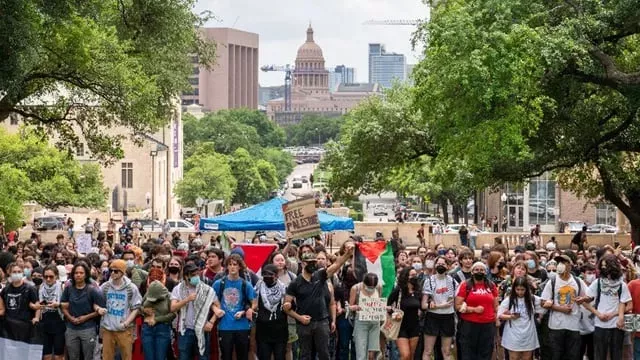
Many Europeans received the speech with disbelief, not only because of what Vance said and part of the truth. Namely, the US government could also be accused of violating freedom of speech on the grounds of suppressing pro-Palestinian protests and voices at American universities.
That shock in Europe essentially stemmed from the fact that the United States is taking a different political course and demanding maximum obedience from its European allies, as they have severed ties with Russia in recent years and are now preparing for a showdown with China alongside Washington. This means, for example, that in the field of oil, natural gas, and rare earth metal imports, Europe is now dependent on Washington.
Macron's Interview as a Response
French President Emmanuel Macron gathered a group of journalists from major European media outlets in Paris and spoke about issues concerning the present and future of Europe. The interview came ahead of the European Union summit in Brussels and the 62nd Munich Security Conference, which, according to the organizers, will be attended by "nearly fifty heads of state and government," as well as US Secretary of State Marco Rubio, who is believed to have a good understanding of the concerns of European allies.
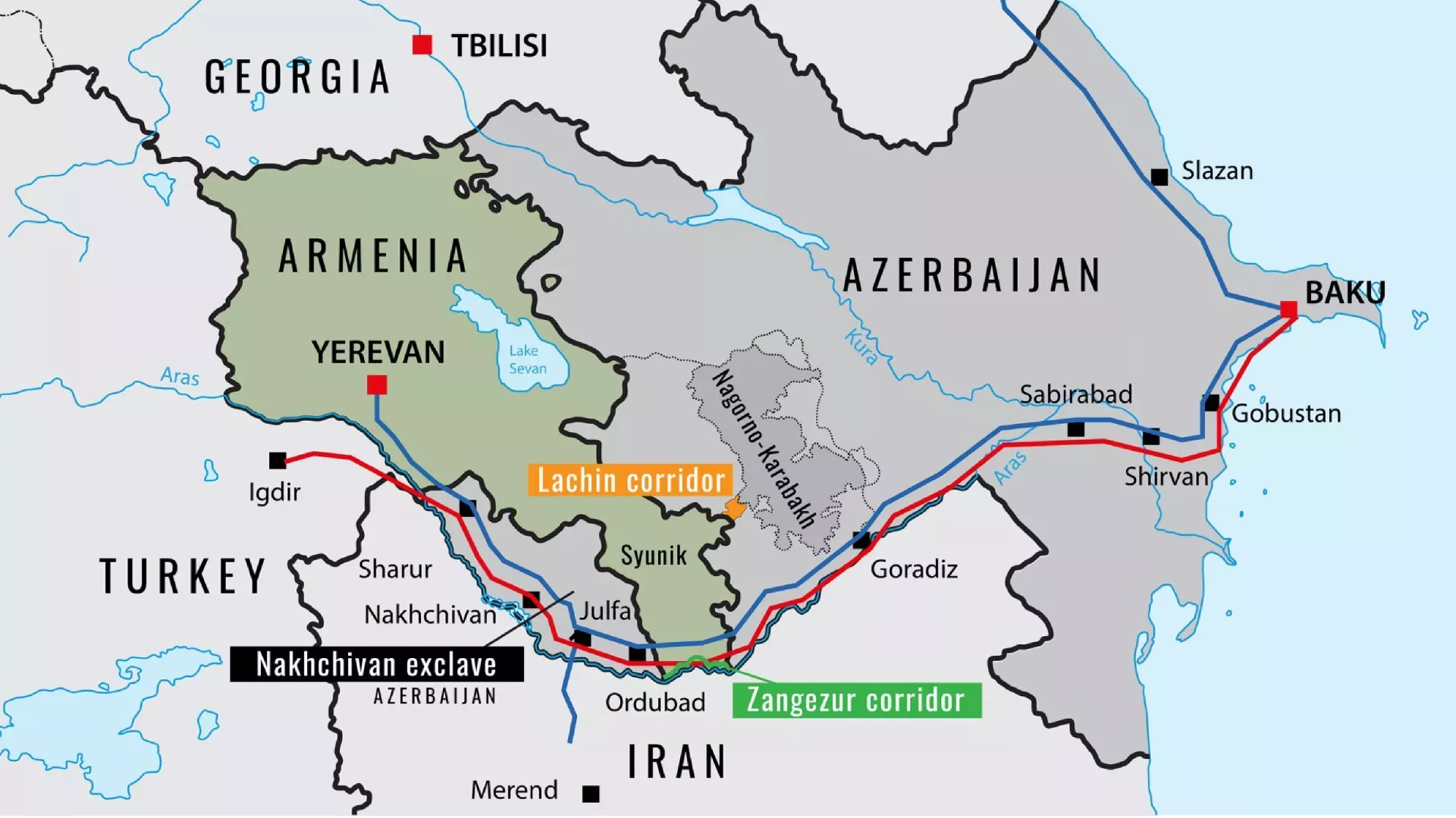
Europeans will carefully follow Rubio's messages and performance to see if Washington's stance has changed in the past twelve months. The least they expect from him is to be milder than Vance, who is currently in Armenia and Azerbaijan trying to convince the hosts of the correctness of turning towards the West and building a corridor that could change the Caucasus.
Macron will greet the American guest with a clear stance, if the aforementioned interview is any indication, which appears to be carefully timed. "Europe is alone" and "we must become a world power," he said.
"World markets are increasingly wary of the US dollar. They want alternatives," said the French president, calling on Europeans to "protect" their common market as the United States and China do. Macron is dissatisfied with the actions of US President Donald Trump and told Europeans not to "trust for a second" if Washington temporarily eases its demands.
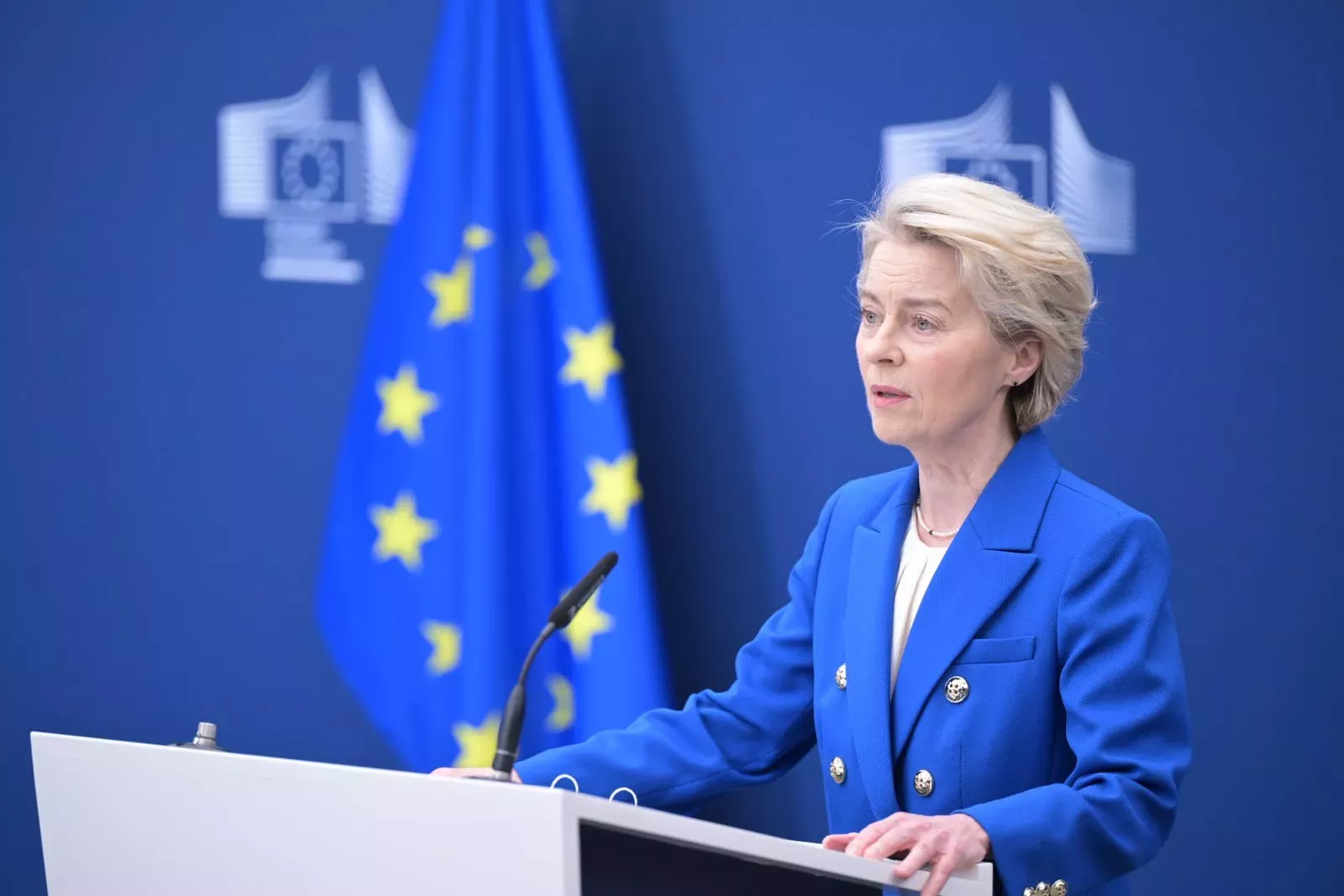
Macron's statement is essentially a continuation of messages coming from Europe. Recall that shortly after Vance's speech last year, European Commission President Ursula von der Leyen said that the West as we knew it no longer exists and that Brussels must take its place in the new world order, and after her, some other important European politicians said the same.
Finding Common Ground or Continuing Conflict?
The public has not previously witnessed such fierce conflicts in the West. It was known that there were sometimes disagreements between European countries and Washington, or disagreements among European powers, but there has never been such a strong public confrontation with the opposing side. Some matters and perhaps harsh words remained behind closed doors in the halls where allied leaders met.
Therefore, the question is what this year's Munich Conference will look like, or any other public gathering of allies on both sides of the Atlantic. Will the Americans position themselves like Vance again, or will they send different messages?
The Davos meeting, held three weeks ago, was shocking. From the speeches of some European and American allies, it seemed that everyone was losing control of the game, and that the closest allies were now becoming enemies.
Canadian Prime Minister Mark Carney attacked Trump and called for an alliance of medium-sized countries against major powers. Belgian Prime Minister Bard de Wever explained the difference between a "happy vassal" and an "unhappy slave" to Washington, speaking about Greenland. Macron called for more Chinese investment in Europe, condemned US tariffs and attacks on the sovereignty of other countries. Von der Leyen stated that "nostalgia will not bring back the old order," and Trump, with a fierce speech, released a private Macron message in which he states that he agrees with his policy towards Syria, calls on him to deal with Iran together, but "does not understand" what Washington wants with Greenland.
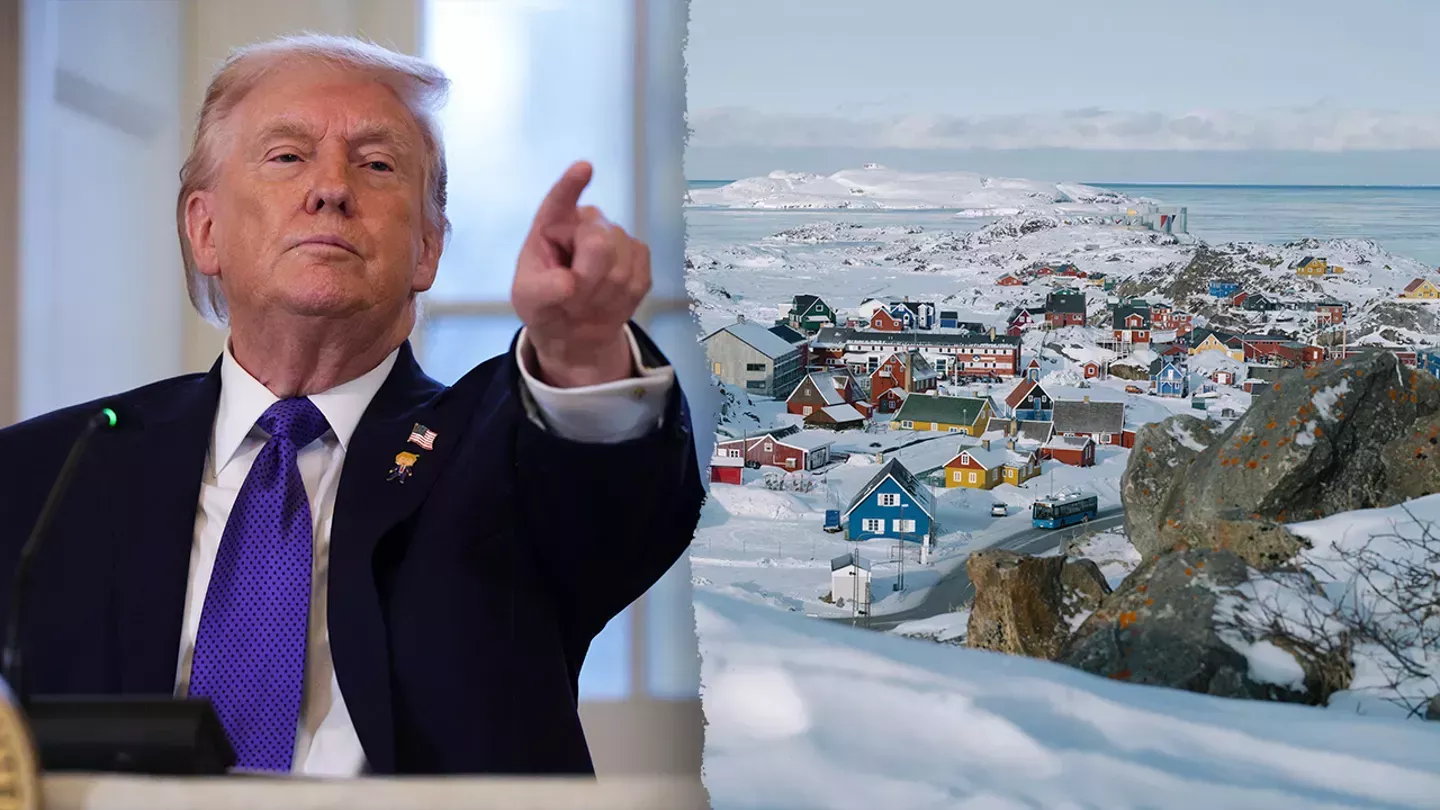
Such a situation in the West does not please those who desire the closest relations between the United States and its allies in Europe and Canada. There is no doubt that the vast majority of officials on all sides want relations to improve, aware of their importance and the energy and resources expended to build and maintain these ties.
But the West, especially the United States as the world's largest power and the stronger pole in the transatlantic alliance, has serious problems in the foundations of its economy, which is reflected in all other policies. Deindustrialization, a lack of various resources and rare minerals, an aging population, and changes in the demographic landscape in many countries, while China strengthens and, with Russia, gathers countries dissatisfied with Western policy, are forcing Washington and some European capitals to take political steps that sometimes harm even the closest allies.
Forced moves create nervousness on all sides, and joint public appearances by officials turn into "freestyle" political clashes, leaving behind questions of whether the crisis in the West is so deep or if the politicians handling it are doing a poor job, as they seem increasingly devoid of ideas from generation to generation compared to their predecessors in power in Washington, Paris, Berlin, London...
From such discussions, some are now questioning what US officials will say in Munich regarding the future of NATO. Recent withdrawals of several US officers from NATO bases in Europe also cast doubt on American positions. Washington explains this as an intention for Europeans to take more responsibility, while Europe suspects ulterior motives.
However, the situation is different. The NATO summit held eight months ago met all of Washington's expectations. Europeans committed to buying more (American) weapons, taking more responsibility for security in Europe, and allowing the United States to focus on China. This is precisely what Rubio had explicitly demanded from NATO allies just a few months earlier.
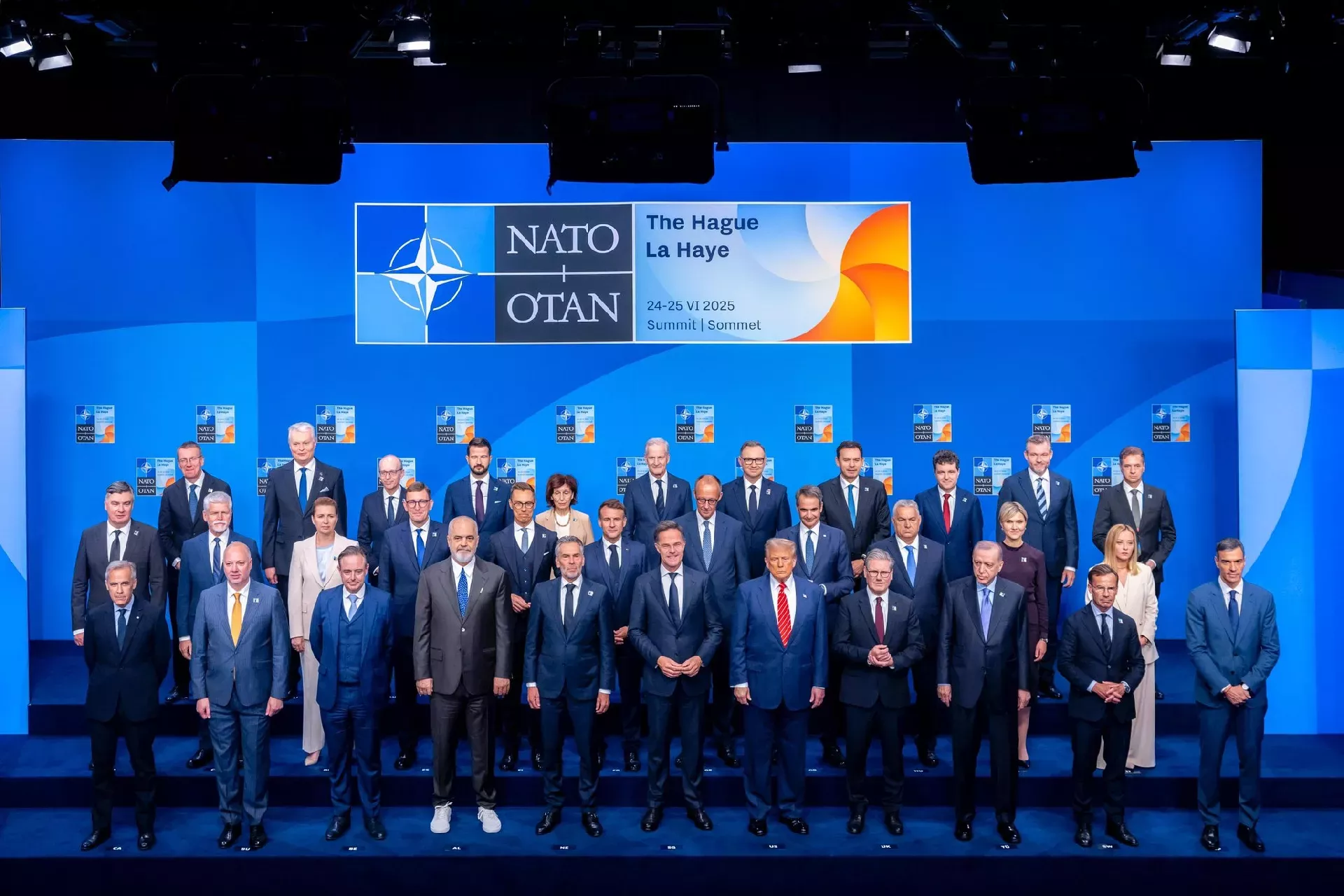
Trump's attitude towards Europe, after the Joseph Biden administration tried to be a big brother to European allies due to Russia's aggression against Ukraine, is a call for change. Washington has repeatedly told Europe that they must take more responsibility and strengthen militarily, which has bothered some of them. Paradoxically, in response to the Americans, some European officials are calling for more independent policies and for Europe to become a world power.
In other times, American and European politicians of stature would likely have resolved this issue quickly, but with the current politicians on both sides of the Atlantic, it is questionable whether the next public joint meeting will become a venue for mutual clashes, with the "argument" from both sides that only they are defending the West, democracy, civilization, and human rights, and that all others are committing unforgivable sins.
Komentari (0)
Prijavite se za komentiranje
PrijavaJos nema komentara. Budite prvi!
Minuta
Sve →Iz drugih kategorija

High Representative Not Elected: Germans, French and British Against Americans, New Attempt at End of June

ČOVIĆ WITHOUT MERCY: How Those Who Brought Ademović to Office Created a Political Hell for Him



Sunny Saturday, quite warm



Tragedy in Albanian resort: Two minors drown












