
SARAJEVO, (Patria) - "War danger in the Aegean Sea", "War threats in the Mediterranean Sea", "That would be a reason for war", are some of the headlines in German media. It concerns the escalation of the conflict between Greece and Turkey over gas, reports Deutsche Welle.
After Turkey launched a search for gas deposits in the eastern Mediterranean, in areas that Cyprus or Greece consider to be their exploitation rights, and Greece announced the expansion of its economic zone from six to 12 nautical miles in the Ionian Sea, Turkish Vice President Fuat Oktay labeled this a reason for war, and Turkish Foreign Minister Mevlüt Cavusoglu drew attention to the corresponding decision of the Turkish parliament, reports Index.hr.
"As early as 1995, the Turkish parliament declared the expansion of Greek territorial waters in the Aegean Sea a reason for war. If this were to happen, the Aegean Sea would, due to the numerous Greek islands, become practically a Greek sea. Ankara could then start a war without seeking new approval from parliament," notes Berliner Zeitung.
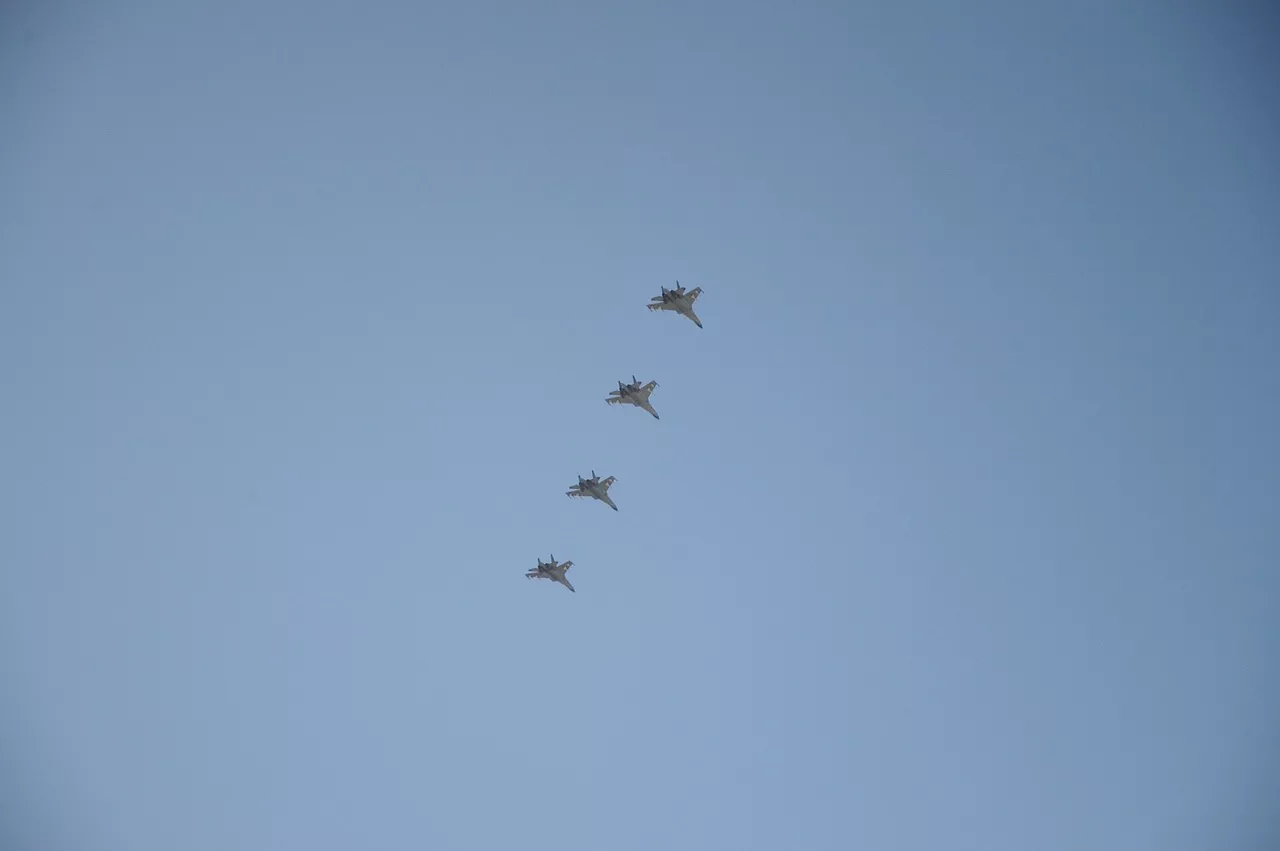
"The conflict has escalated since natural gas deposits were located in the eastern Mediterranean and after Turkey signed an agreement with Libya at the end of 2019 on the delimitation of areas belonging to them in the Mediterranean, which not only Greece considers null and void," recalls Frankfurter Allgemeine Zeitung and continues: "On Saturday, Turkey demonstratively began a military exercise in the eastern Mediterranean. It involves 'firing exercises' in the area between the southern Turkish city of Anamur and Northern Cyprus, which will last until September 11, as Ankara announced," reports FAZ.
"Turkey only understands one language"
Süddeutsche Zeitung publishes an interview with professor of international law of the sea Nele Matz-Lück, who recalls that Turkey has never acceded to the 1982 UN Convention on the Law of the Sea UNCLOS and concludes: "Turkey's position is not as bad as it is often portrayed. But it is weaker than Greece's position. Perhaps Ankara is now provoking in the hope that Athens will eventually engage in joint use of resources. That could be beneficial for Turkey. It would also be an opportunity to peacefully overcome the current stalemate," believes Professor Nele Matz-Lück from Kiel.
The same newspaper also carries a commentary titled "Blind Solidarity" in which author Thomas Avenarius criticizes the stance of the European Union: "The conflict over gas deposits in the Mediterranean is not only fueled by Turkey."
"Greece is pursuing a policy of maximalism in determining its maritime borders, which has no basis in international law. Athens is also sending warships there, holding fleet exercises. As an EU member, Greece can nonetheless count on 'full solidarity from Germany and the EU,' as Foreign Minister Heiko Maas stated during his unsuccessful mediation mission. And when French President Macron then plays the role of some Napoleon 2.0, sends warships and declares that the Turks only understand 'clear language,' no one should be surprised if shots are soon fired in the Mediterranean," warns Süddeutsche Zeitung.
Komentari (0)
Prijavite se za komentiranje
PrijavaJos nema komentara. Budite prvi!
Minuta
Sve →Iz drugih kategorija

High Representative Not Elected: Germans, French and British Sabotaged Americans, New Attempt at End of June

ČOVIĆ WITHOUT MERCY: How Those Who Brought Ademović to Office Created a Political Hell for Him



Sunny Saturday, quite warm



Tragedy in Albanian resort: Two minors drown












