
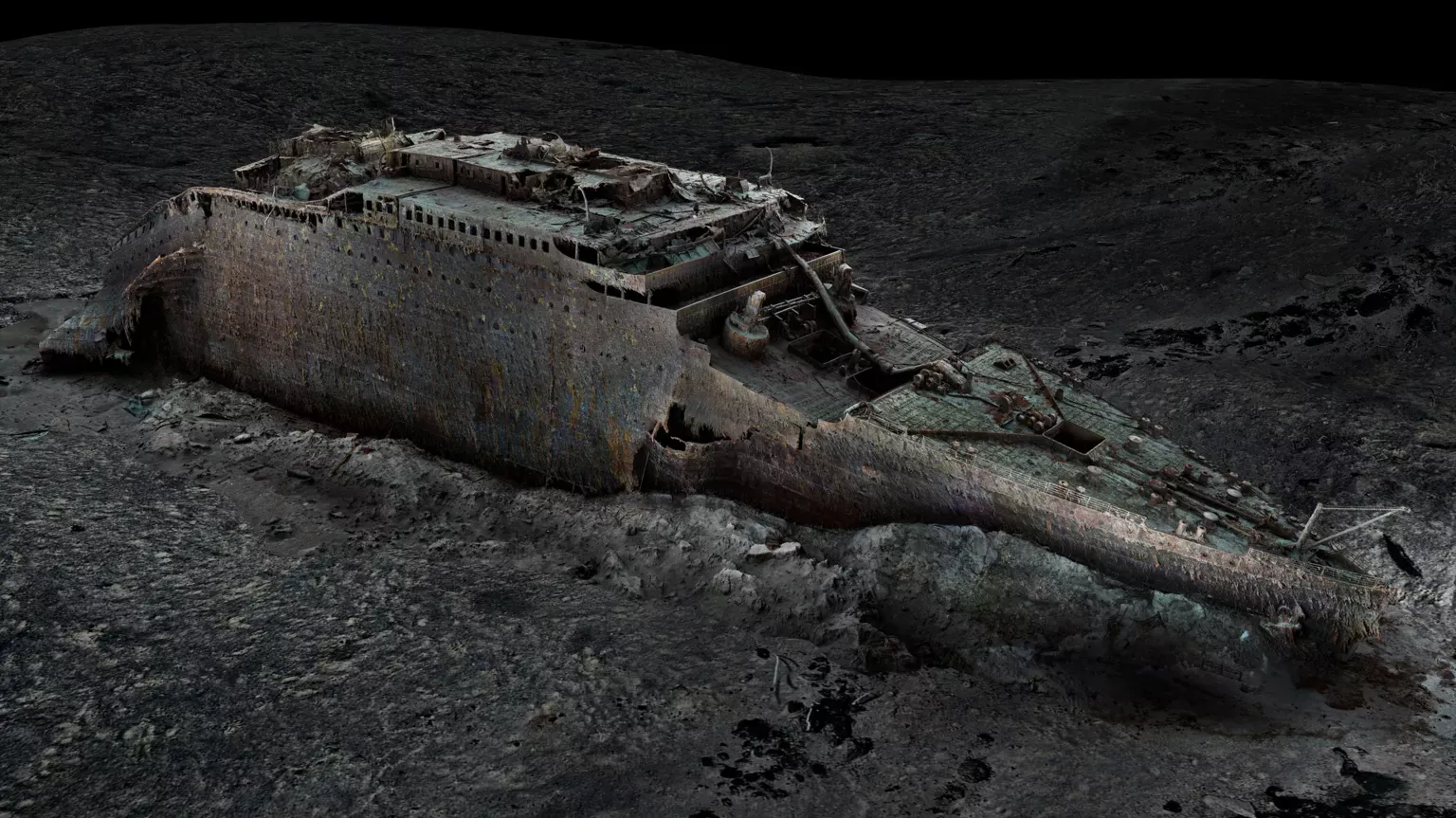
(Patria) - A detailed analysis of a digital version of the "Titanic", created for the new documentary "Titanic: Digital Resurrection", has yielded new insights into the final hours of one of the most famous ships in history, which sank to the bottom of the Atlantic Ocean in 1912.
A faithful 3D replica of the ship showed the devastating consequences of the impact with an iceberg, which led to the loss of about 1,500 lives.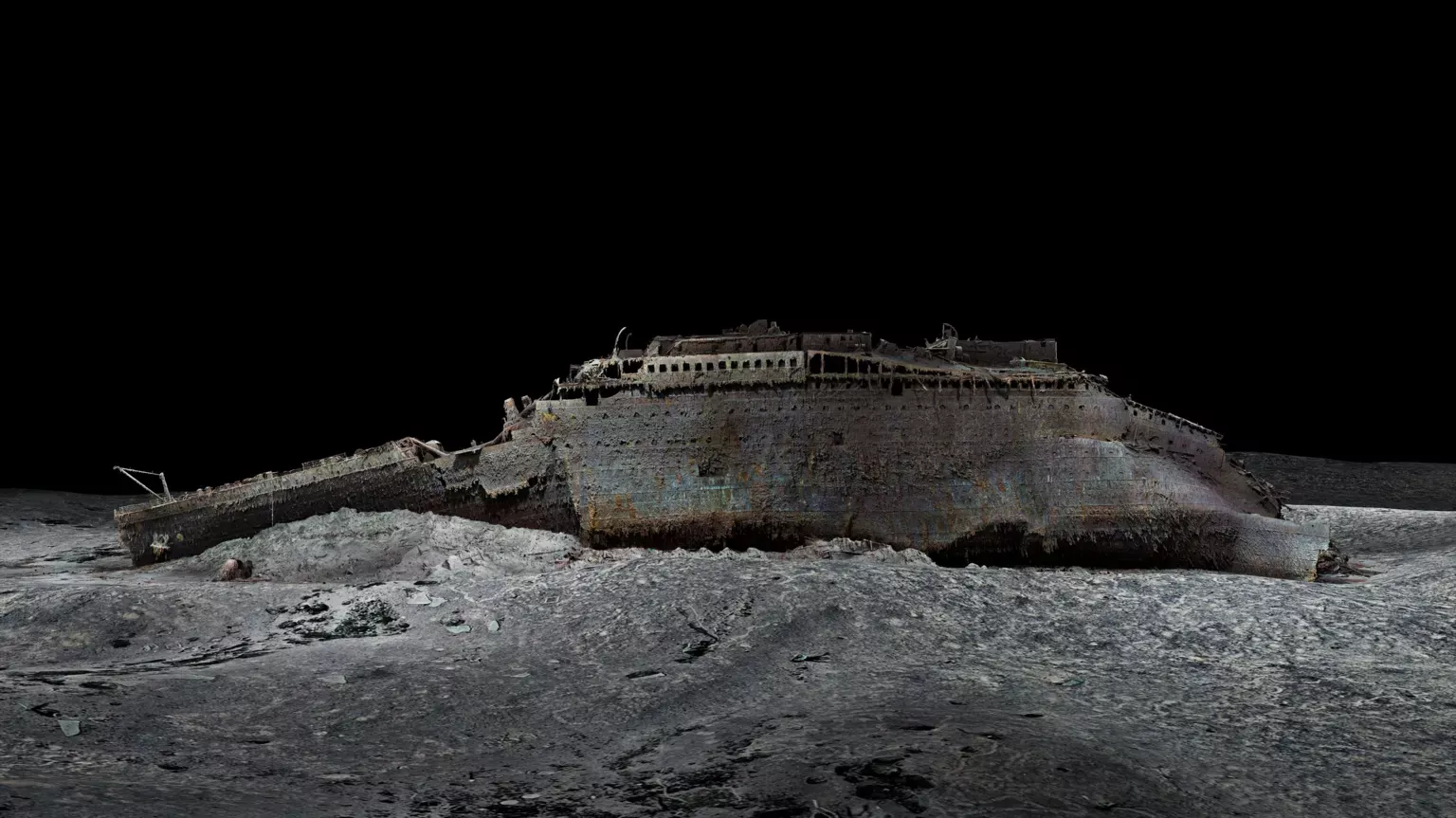
The simulation of the accident showed that holes appeared on the hull after the impact, no larger than A4 paper size, but which ultimately led to the sinking.
- "Titanic" is the last surviving witness to that tragedy and still has stories it wants to tell - says Parks Stephenson, an analyst specializing in that famous wreck.
The wreck, located at a depth of 3,800 meters in the cold waters of the Atlantic Ocean, was mapped using underwater robots for the documentary produced by National Geographic and Atlantic Productions.
More than 700,000 photos, taken from all angles, were used to create a digital twin of the "Titanic", which was first presented to the public on BBC channel in 2023.
Due to the size of the wreck and its position on the ocean floor, previous expeditions using submarines could only provide fragmentary insights. The new footage offers a complete view of the "Titanic" for the first time.
The ship's bow lies upright on the seabed, almost as if continuing its journey. 600 meters away, the stern is completely crushed - damaged when it hit the seabed after the ship broke apart.
One of the detailed views shows a small window, or porthole, where the glass was likely broken upon contact with the iceberg. This aligns with statements from survivors who said that ice penetrated some passengers' cabins during the collision.
One of the huge boiler rooms is also clearly visible, and even dented boilers, indicating they were still under pressure when they sank.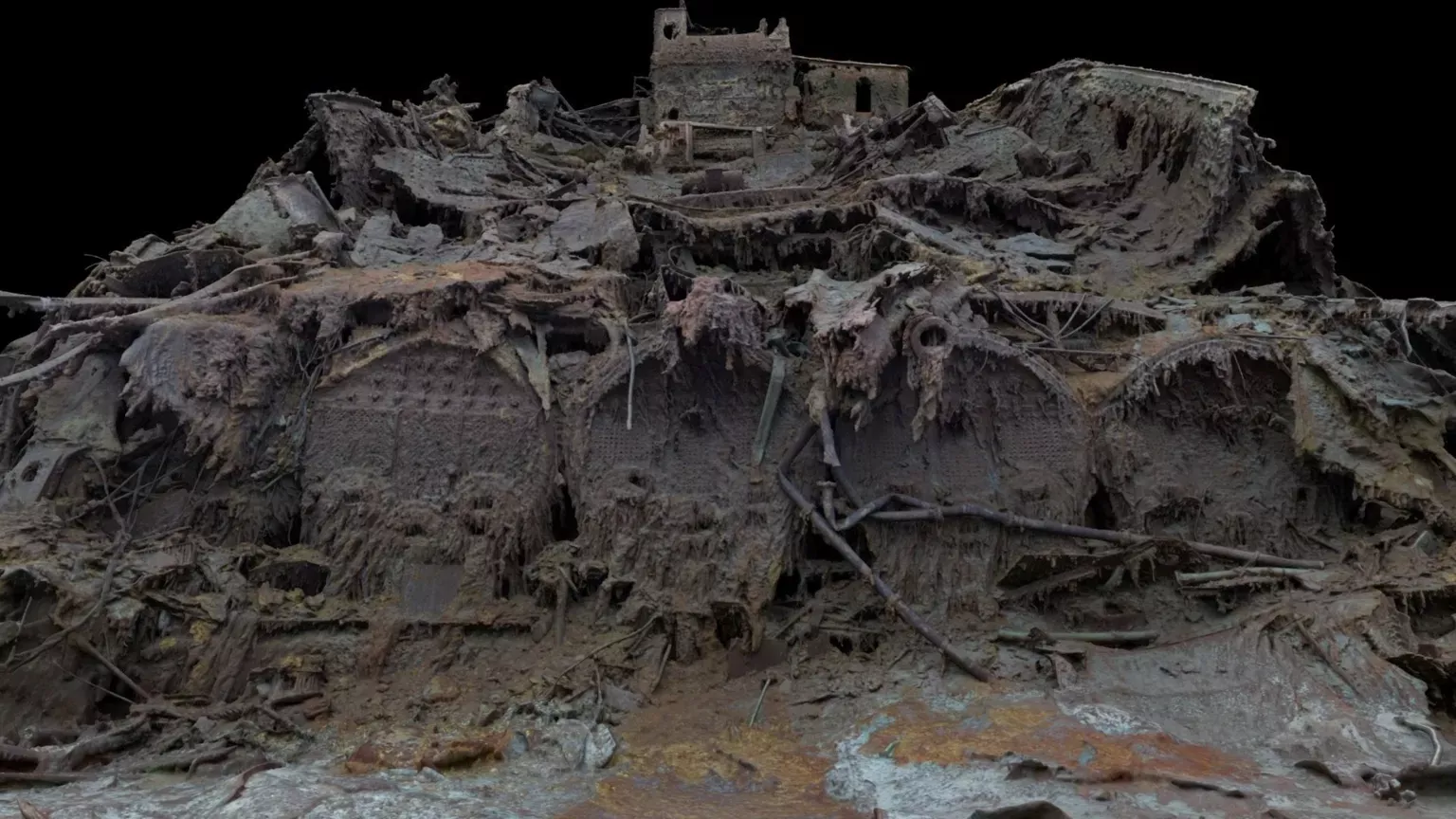
A valve was found open on the stern deck, indicating that steam was still circulating through the power generation system. This was thanks to the team of engineers led by Joseph Bell, who stayed until the very end to stoke the coal and provide electricity and lighting.
All of them perished in the disaster, but thanks to their heroism, many lives were saved.
- They ensured that the lights and power remained on until the very end, so that the crew had enough time to lower the lifeboats. They prevented chaos as much as they could, and that is symbolized by that open valve on the stern - Stephenson told the BBC.
The new simulation provided additional insights into how the ship sank. Using a detailed structural model based on the ship's original plans, as well as information about the ship's speed, direction, and position, researchers attempted to accurately depict how the damage occurred.
Professor Jeom-Kee Paik from University College London, who led the research, said the reconstruction was made using advanced numerical algorithms, computer models, and supercomputers.
The simulation shows that the impact with the iceberg was gentle, but it left a series of small holes along a narrow section of the hull. Although the "Titanic" was designed to float even if four watertight compartments were flooded, the ice pierced six - which was enough for the ship to sink.
The holes that appeared on the hull after the impact are visible in the simulation, but not on the wreck itself, as that part is covered by sediment.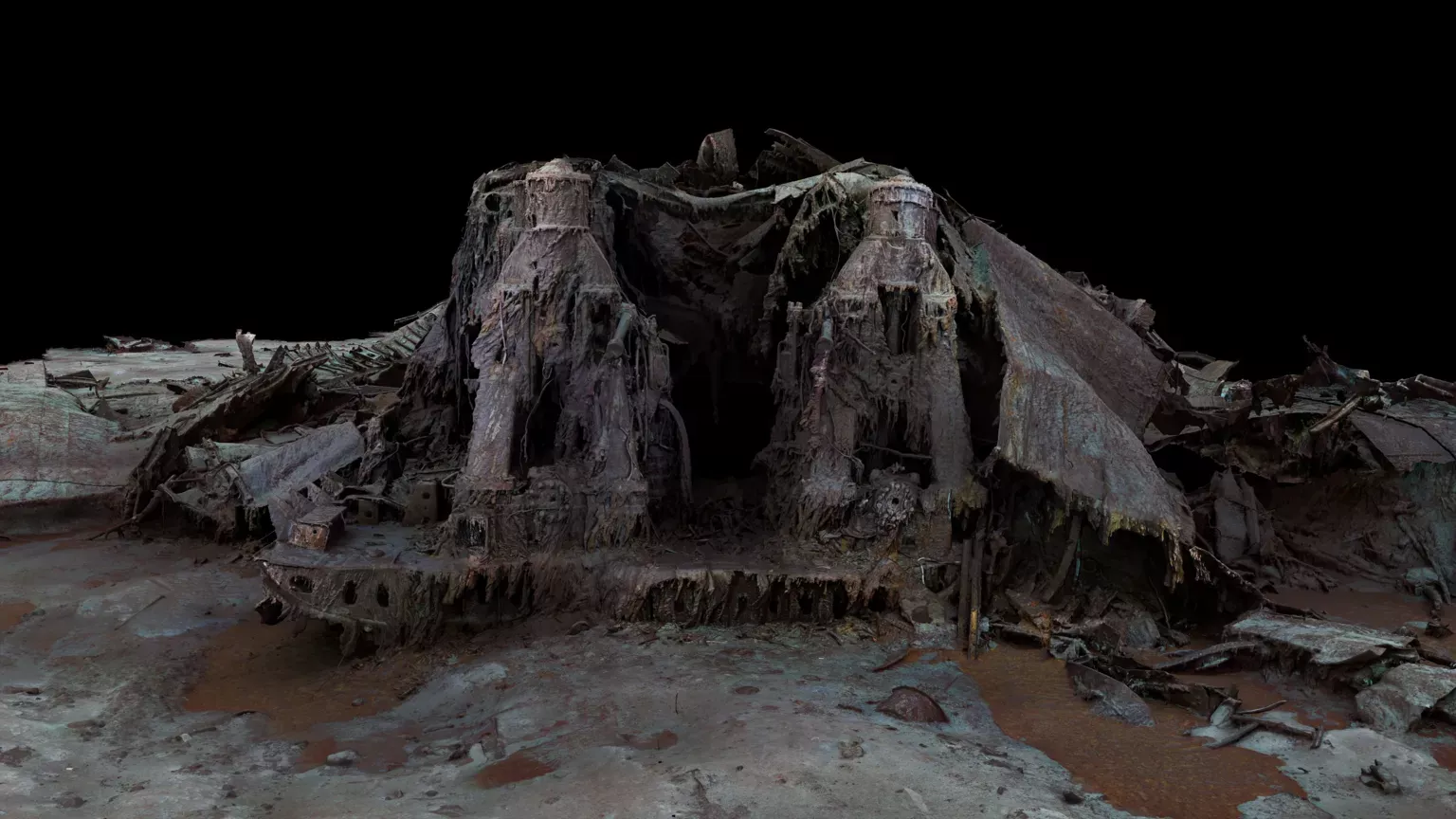
- These are holes the size of a regular sheet of paper. The problem is that they were spread out over a large part of the ship. Water entered gradually, but constantly - and eventually all compartments were full - explains Simon Benson, a shipbuilding expert from Newcastle University.
Although the new footage provides valuable insights into the fateful night, it will take experts years to analyze every segment of the 3D model in detail.
- "Titanic" reveals its stories piece by piece. Each time, it leaves us wanting to know more - concludes Stephenson.
Komentari (0)
Prijavite se za komentiranje
PrijavaJos nema komentara. Budite prvi!
Minuta
Sve →Iz drugih kategorija

High Representative Not Elected: Germans, French and British Against Americans, New Attempt at End of June

ČOVIĆ WITHOUT MERCY: How Those Who Brought Ademović to Office Created a Political Hell for Him



Sunny Saturday, quite warm



Tragedy in Albanian resort: Two minors drown












