
By: Armin Sijamić
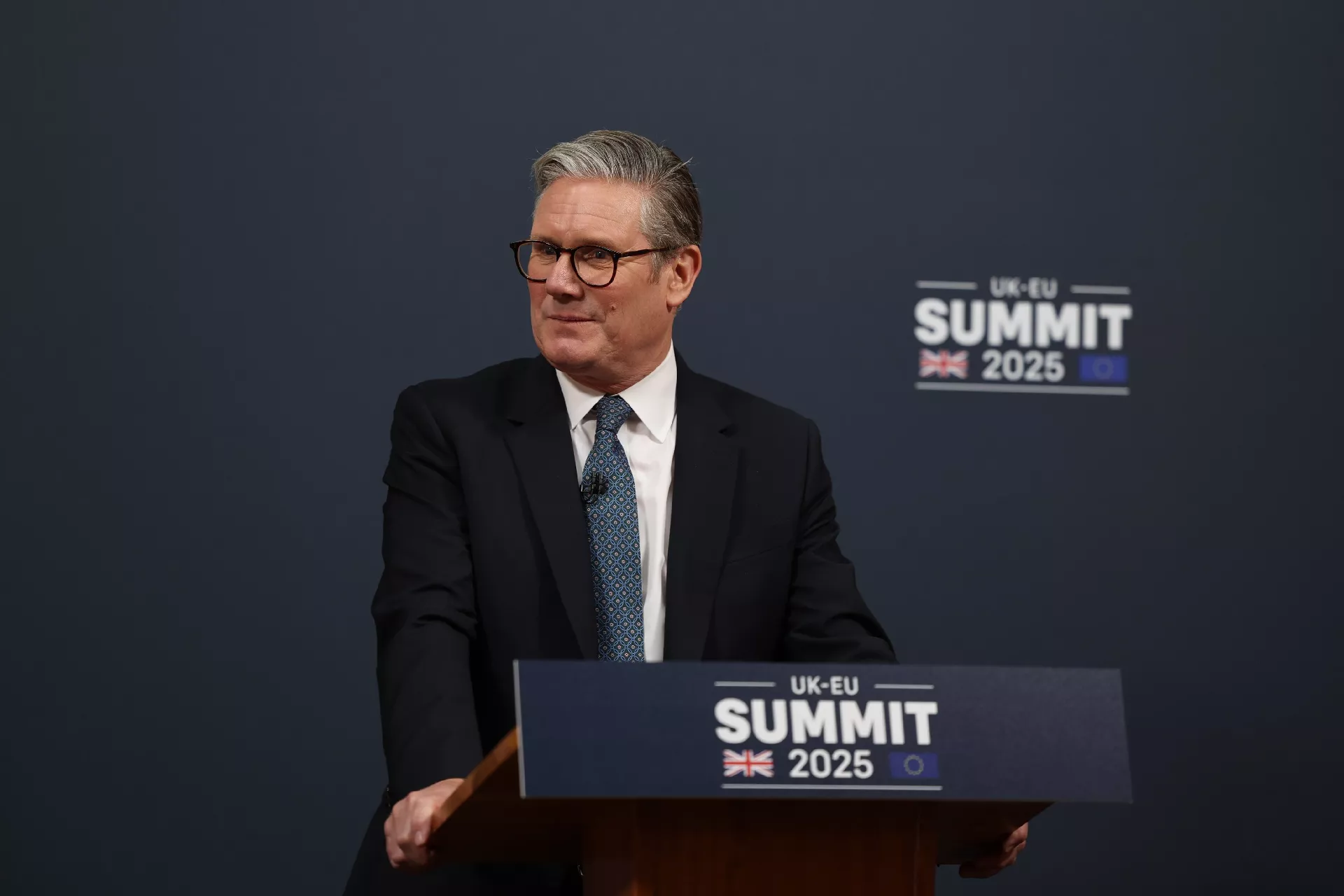
On Monday, the Government of the United Kingdom and the leadership of the European Union, at the first summit after Brexit, reached important agreements. But more important than that is London's desire to be with Brussels.
In February, Prime Minister Keir Starmer will say that the United Kingdom "is not choosing between the United States of America and the European Union," trying to explain the positions of official London after US President Donald Trump's threats to impose import tariffs on Brussels.
Although this statement was intended for domestic political processes and the fact that the opposition, especially the Eurosceptic one in the form of Nigel Farage ("I am afraid of being tied to EU laws"), is telling him not to reverse what Brexit brought, it recalls the stance of the famous Winston Churchill, who in a speech in Zurich in 1946 advocated for a united Europe, a strong United States of America, and the United Kingdom as a link between allies on both sides of the Atlantic.
Of course, Starmer did not go as far as Churchill, nor can he for many reasons. He has only continued the policy he has pursued since taking office as Prime Minister, intending to stop Russia's strengthening in Eastern Europe with the Europeans. At the end of August last year, Starmer visited Berlin and Paris and discussed what led to concrete results at this week's summit.
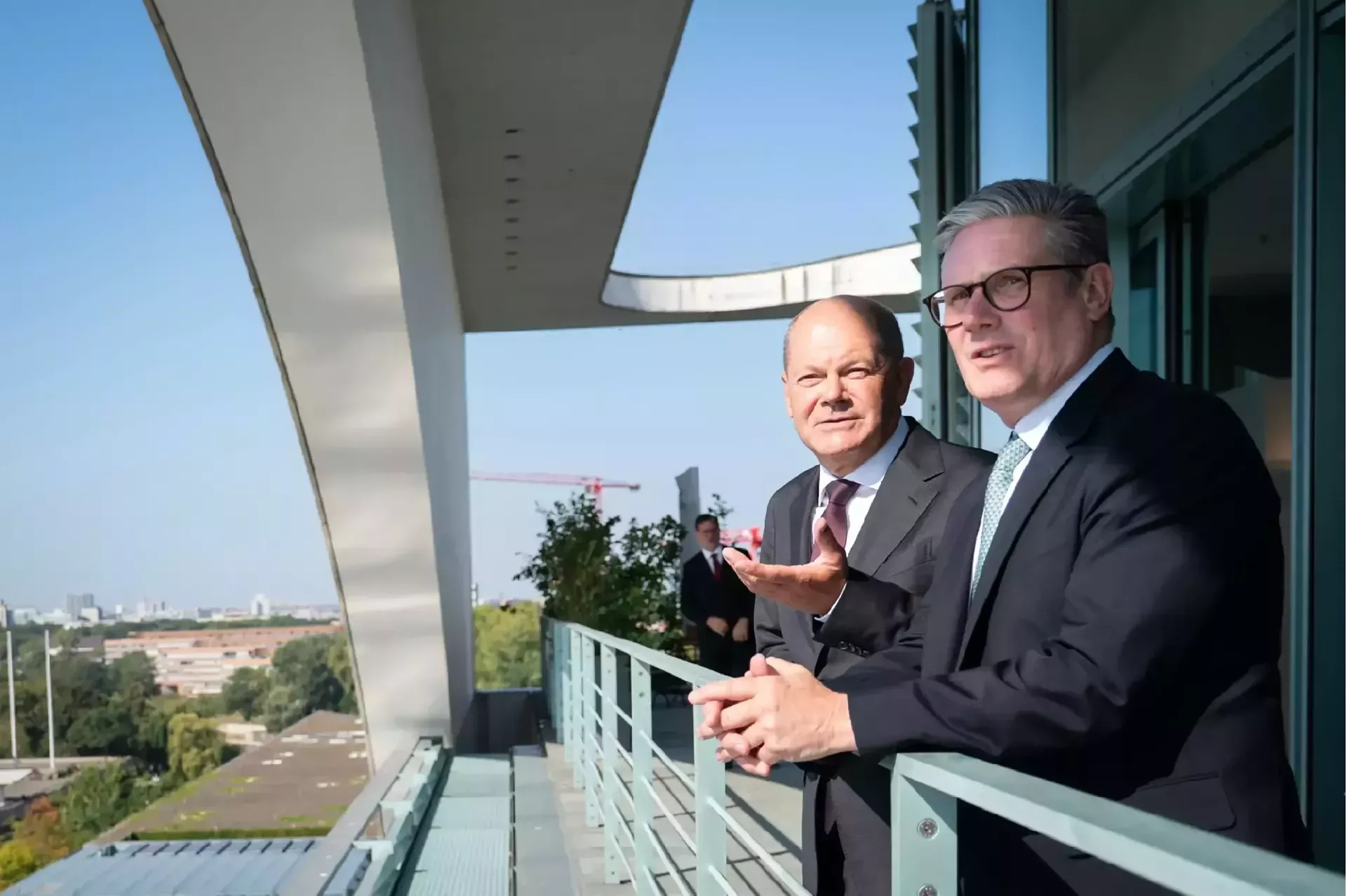
London Summit
The announcement of the summit showed an optimism that has been missing in London-Brussels relations for years. Many remember the footage of Prime Minister Theresa May alone in a full hall of her former colleagues as the United Kingdom's departure from the European Union was nearing completion in 2020.
Diplomats familiar with this week's summit in London said before the negotiations began that this was a relaunch of relations between the United Kingdom and the European Union and that an agreement on defense partnership would confirm it.
Shortly thereafter, it was announced that London and Brussels had agreed on agreements in the areas of defense and security, facilitation of trade in food and agricultural products, and border controls. Given how much Brussels values these issues, this is proof of a new era in the relations between the two sides. For example, the Trump administration is particularly angry with Brussels over the treatment of American food in the European market. Starmer called the agreements a "reset of relations" between London and Brussels.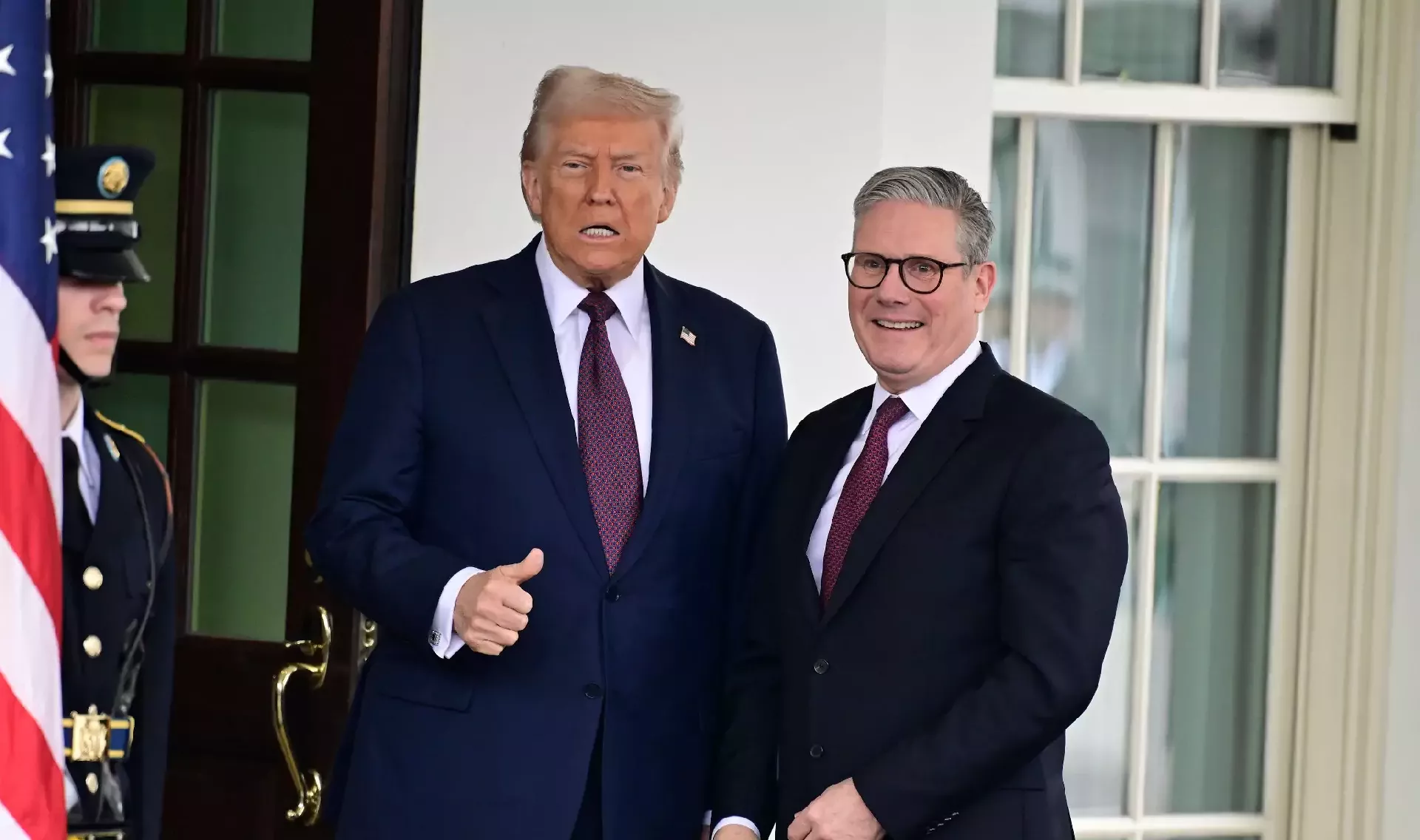
Donald Trump and Keir Starmer
London will participate with the European Union in a joint arms production and procurement program worth 150 billion. The program is part of the efforts of several European powers to help Ukraine defend itself against Russian aggression and in case Trump reduces military and all other aid to Kyiv.
The two sides also reached an agreement on reduced food control procedures, which will allow British companies to avoid carbon taxation. By 2040, this could bring about ten billion euros in profit to the British economy. Brussels received a twelve-year extension of permits for ships to fish in British waters, while the British gained simplified entry into the European Union through more border crossings with reduced controls.
A New Chapter
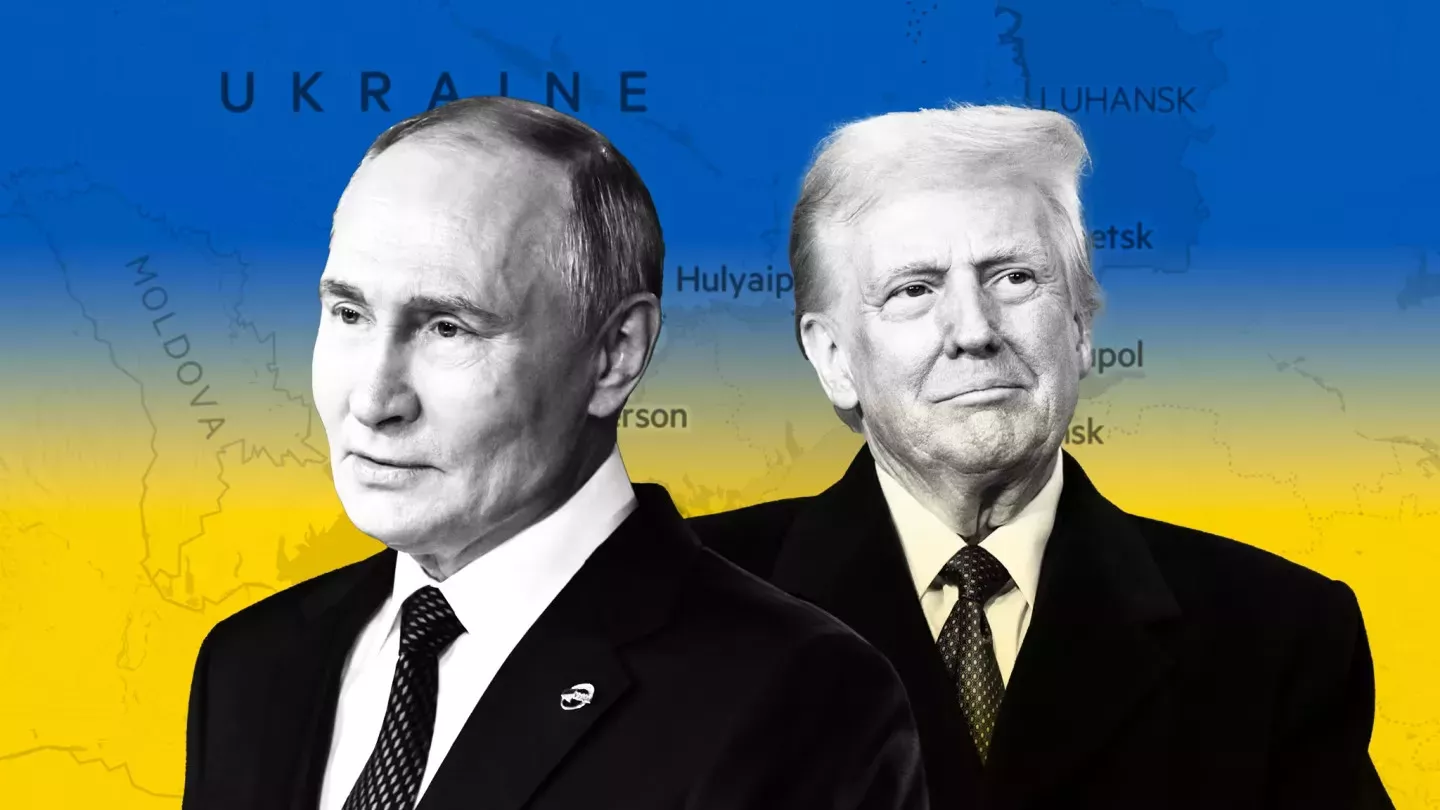
Starmer's policy of rapprochement with Brussels has two important goals. The first is to strengthen his Labour party, which largely wanted the UK to remain in the European Union. The second is the threat from Russia and Trump's policy. The Kremlin and the White House, in the case of Ukraine, ignore the demands of the Europeans.
The rapprochement between London and Brussels was evident even at the beginning of the year. At that time, European Council President Antonio Costa said there was "new positive energy" in the relations between the two sides, announcing this week's summit.
This is undoubtedly a great victory for Prime Minister Starmer, given that the European Union is his country's largest trading partner with around 950 billion euros in mutual trade, and British exports have fallen by 21 percent since Brexit. At the same time, Starmer has built good ties with Trump, confirmed by the trade agreement between the two countries about fifteen days ago. Trump got what he wanted after imposing tariffs on all countries, and Starmer remained close to his administration, which ignores many European leaders, including most of the European Union's top officials.
Starmer has used the domestic mood to get closer to Brussels and further involve his country in European processes, especially in Eastern Europe. In fact, some recent polls show that the British have not "cooled down" from the idea of being closer to Brussels and are not satisfied with Trump's policies.
A new chapter in the European Union's policy has also been shown through much more timid steps than in London's case, when Brussels offered the possibility of offering Turkey an important place in the new European security architecture, given its strategically important position from the Balkans to the Middle East and from the Black Sea to the Mediterranean. Turkey's developing army and arms industry are Ankara's new asset in its intention to move closer to European powers.
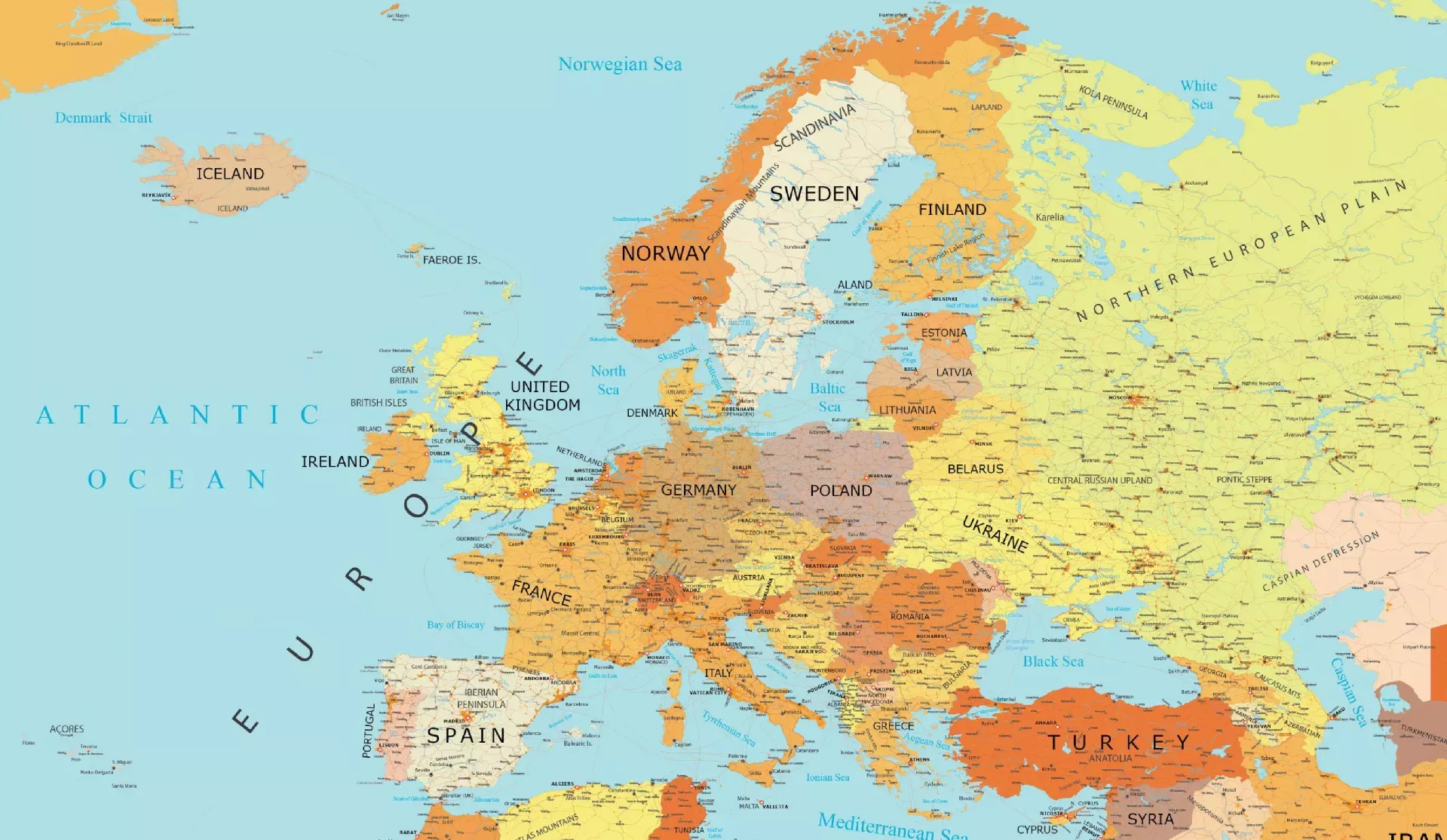
In the case of London, and possibly Ankara, Brussels has shown that the leadership of the European Union will not abandon its goals, despite Trump's policies. Moreover, the gathering of old European powers into a front against Russia is a message to Washington, not just Trump, that Europeans demand respect. This could be particularly important for Trump in his policy towards China. Economic sanctions against China will not be successful if Brussels does not join Washington.
Britain's willingness to support Kyiv in resisting Russia has spurred Brussels. Various plans for joint action are now emerging. Europeans, after Russian aggression, have embarked on ambitious plans in the field of defense and arms production, which was unimaginable just a few years ago.
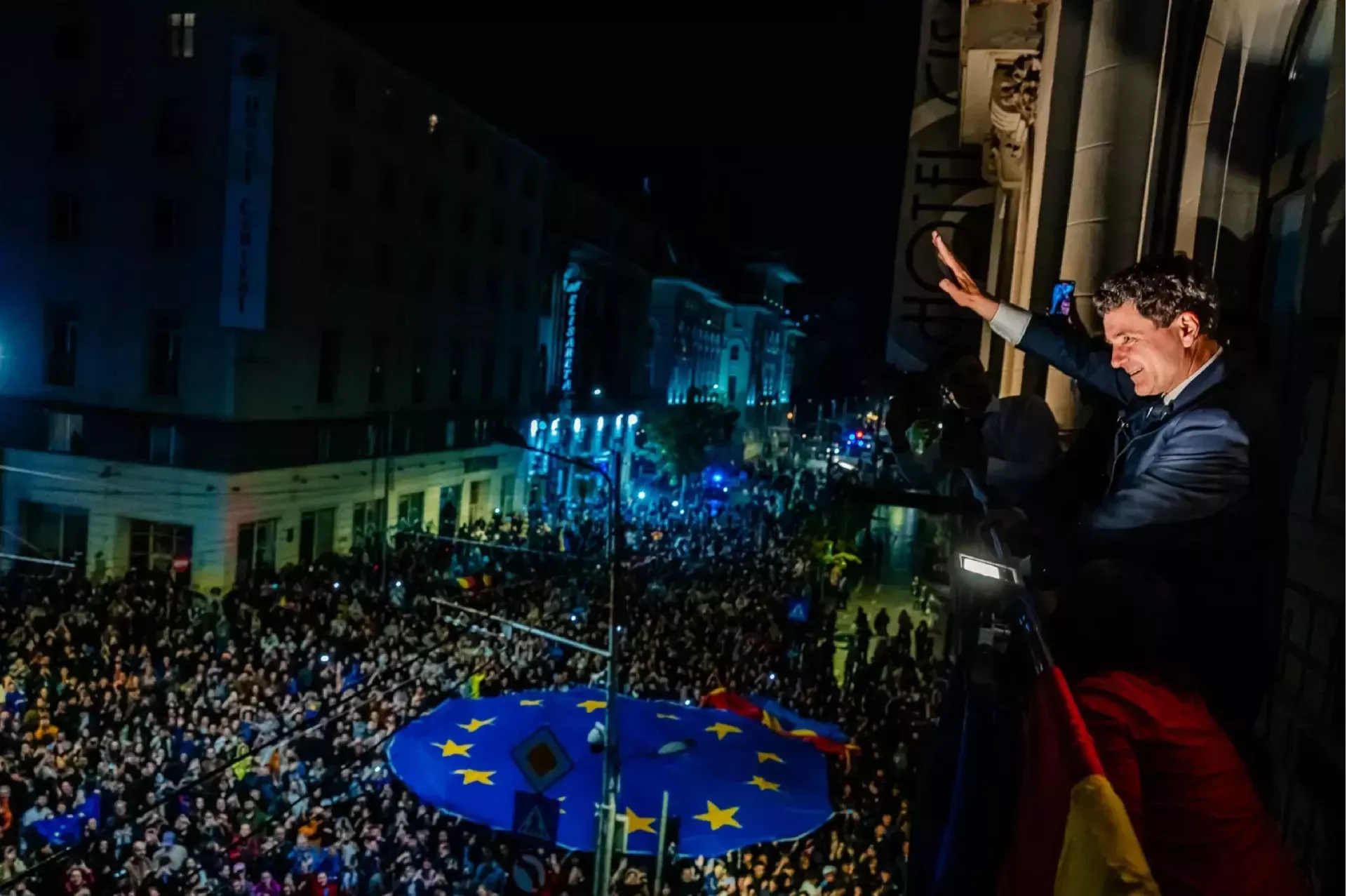
The determination to counter Russian influence and any policy that undermines Brussels' efforts to push the Kremlin behind the front line in Ukraine in every way was also shown in Sunday's elections in Romania. The mobilization of European powers has shown that it is possible to defeat Russia even in areas where the Kremlin's influence has been built for centuries.
Starmer has continued the policy of his predecessor as Prime Minister, Boris Johnson. It seems that Britain's stance on Ukraine has convinced many in Europe that London, unlike some others, has no intention of fulfilling Russia's wishes and jeopardizing Western interests, which are leaning towards divisions. Since coming to power last July, Starmer has won some important battles, but the war is still ongoing.
Komentari (0)
Prijavite se za komentiranje
PrijavaJos nema komentara. Budite prvi!
Minuta
Sve →Iz drugih kategorija

High Representative Not Elected: Germans, French and British Against Americans, New Attempt at End of June

ČOVIĆ WITHOUT MERCY: How Those Who Brought Ademović to Office Created a Political Hell for Him



Sunny Saturday, quite warm



Tragedy in Albanian resort: Two minors drown












