
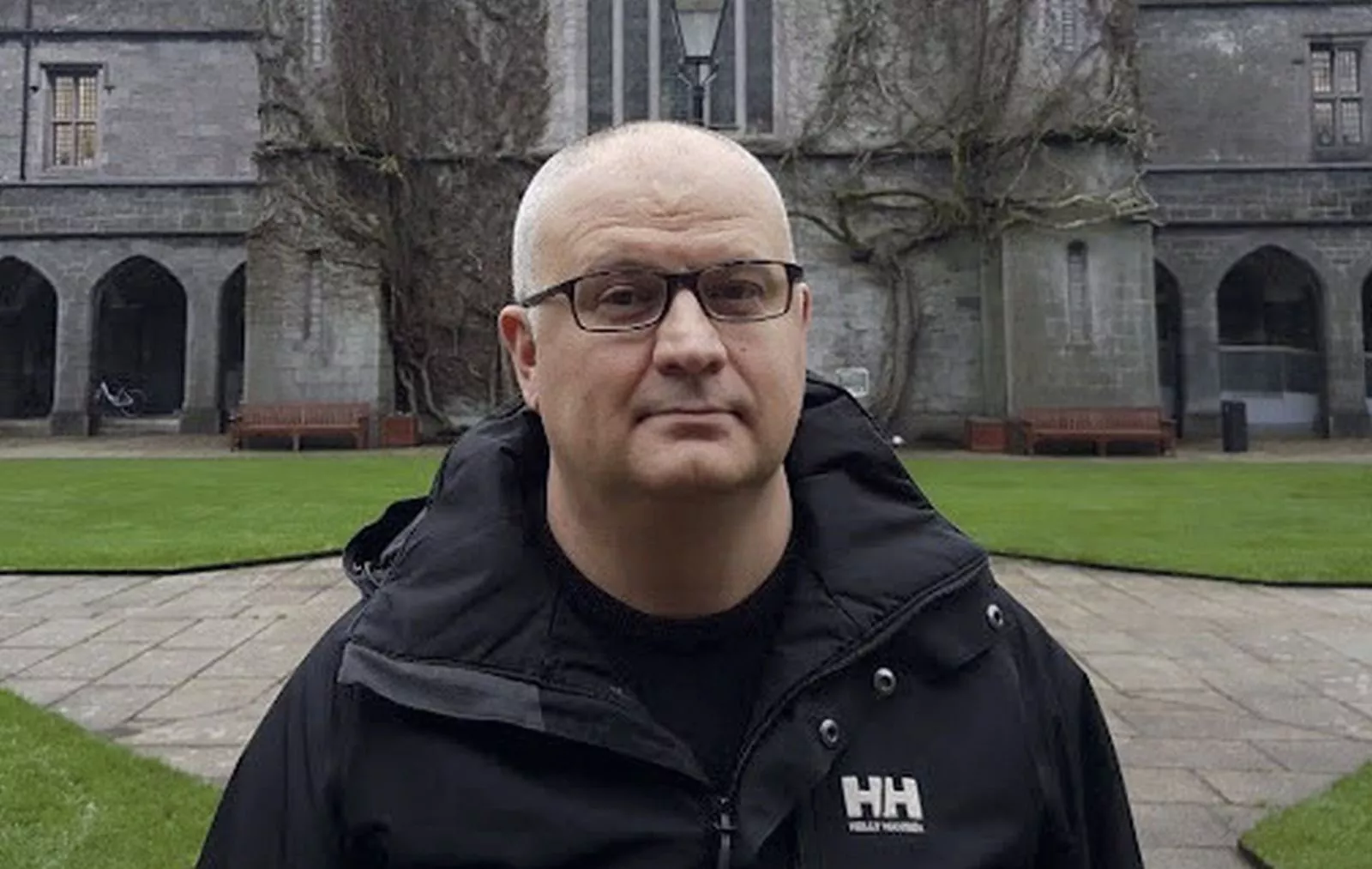
SARAJEVO, (Patria) - The Balkans have become synonymous with intense violence and nationalism since the '90s, said Prof. Dr. Siniša Malešević, University College Dublin, member of the Royal Irish Academy, ANUBiH and the European Academy of Sciences - Academia Europaea
Speaking as an introductory speaker at the regular session of Krug 99 on the topic "Wars, Violence and Ideologies: The Balkans from the 19th Century to Today," he said that long-term organized violence, major wars and large ideological projects are mostly a phenomenon of the 20th century.
- We can start from the fact that the Balkans have become synonymous with some intense violence, nationalism, with those well-known terms like ancient hatred, Balkanization, which are of course wrong - explained Malešević.
He reminded that these terms were not used from 1945 until the '90s.
- What I am trying to show in this lecture is that violence was actually very sporadic until the 20th century, occurring in certain historical episodes, but the intensity of violence was quite low. The same is the case with ideologies. There are no major ideological discourses of modern ideologies such as liberalism, socialism and conservatism, nationalism until the end of the 19th and beginning of the 20th century as major phenomena. So, long-term organized violence, major wars and large ideological projects are mostly a phenomenon of the 20th century - said Malešević.
According to his words, when looking at the Balkan wars of the 19th century, there are about nine major wars and conflicts and uprisings.
- That is the beginning of the creation of some independent states in the interior areas. We have very weak, unprofessional military organizations, poor infrastructure, quite underdeveloped societies and in a way modernization only begins with the establishment of some state structures at the end of the 19th century - explained Malešević.
He reminded that in the "20th century we have major wars with a large number of victims - about eight major wars."
- What is interesting here is the creation of those massive state apparatuses which are a prerequisite for the creation of large armies and police forces. The consequence of this is largely the wars we have from the 20th century. In the wars of the '90s, one of the reasons why the wars were so bloody is because there was a huge amount of weaponry left over from the JNA which was used in the wars in Croatia and Bosnia and Herzegovina against civilians, mostly - stated Malešević.
As he said, now in the 21st century we see how the bureaucratic apparatus continues in some way.
- It is still large and cumbersome, and also inefficient and corrupt. Except for Bosnia and Herzegovina, all states in the Balkans are highly centralized and have quite large police forces. Croatia in the '80s had about 11,000 police officers, now it has more than 20,000 - said Malešević.
He believes that in some way it can be seen that this "state apparatus that was a prerequisite for violence and wars continues to grow and is cumbersome throughout the Balkans."
- In a way we can say that national ideologies are quite underdeveloped in this part of the world until the 20th century. We can say that nationalism, like other ideologies, is something that comes from the top, from political elites who seek to create new states - emphasized Malešević.
He is of the opinion that we now live in societies that are highly literate.
- Languages are standardized, there is high cultural production. There is no consensus about the wars of the '90s, and not only between the societies that fought, but within societies. There is a large generational divide - added Malešević.
Komentari (0)
Prijavite se za komentiranje
PrijavaJos nema komentara. Budite prvi!
Minuta
Sve →Iz drugih kategorija

High Representative Not Elected: Germans, French and British Sabotaged Americans, New Attempt at End of June

ČOVIĆ WITHOUT MERCY: How Those Who Brought Ademović to Office Created a Political Hell for Him



Sunny Saturday, quite warm



Tragedy in Albanian resort: Two minors drown












