
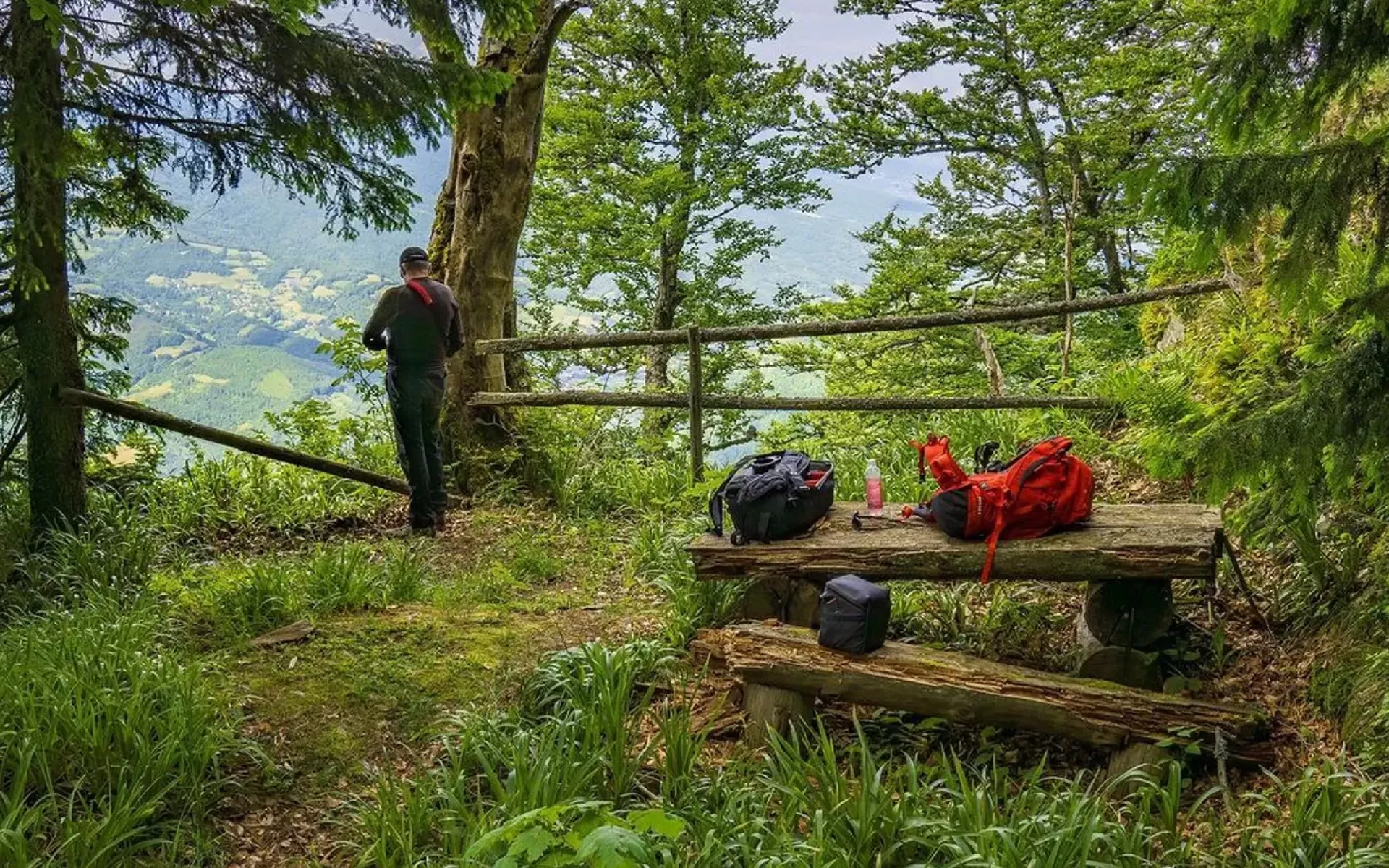
(Patria) - The remains of the medieval fortress Kozograd, hidden by dense forest on the steep cliffs of the southeastern slopes of Mount Matorac, recently caught the attention of renowned photographer Boris Trogrančić.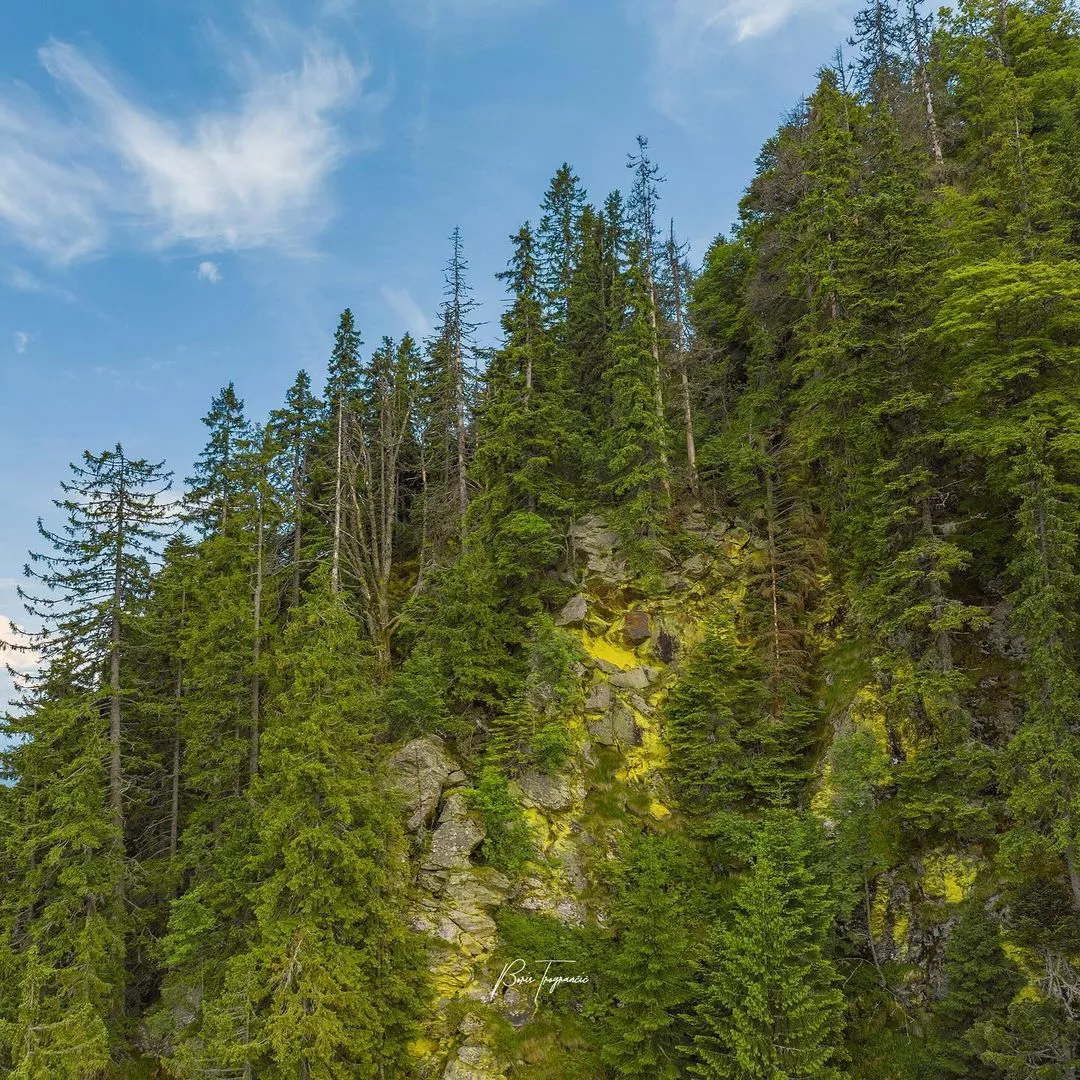
- I am surprised that this place is not better maintained and signposted - Trogrančić told Punkufer.hr.
However, that did not stop him from capturing numerous details of this place, where you feel as if you are alone in the world.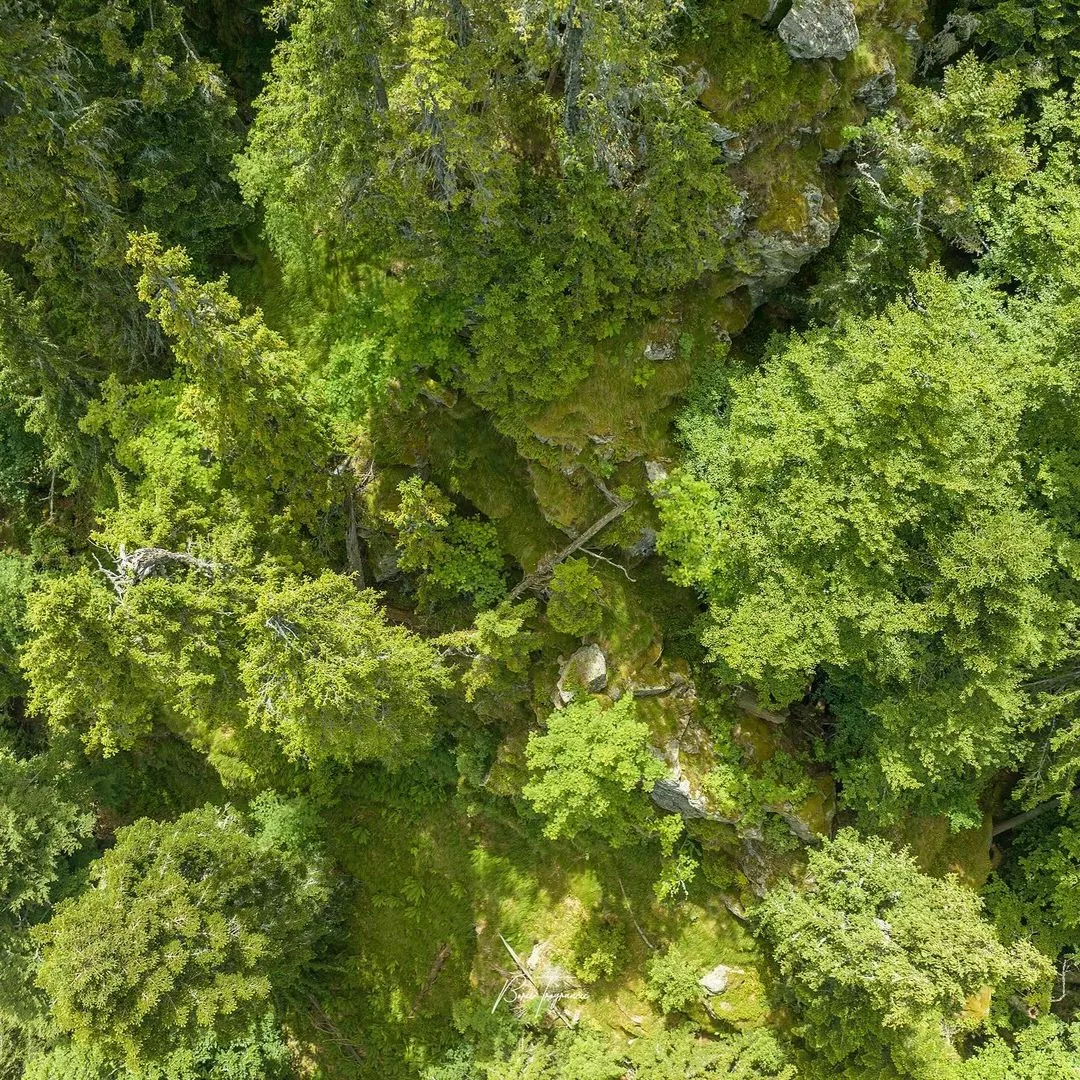
Numerous legends are associated with the fortress, probably built in the 14th century, the photographer reveals.
- The archaeological remains are modest, but the remains of two towers and a water cistern can be discerned. From this location at an altitude of 1,430 meters, there is a unique view of Fojnica and the entire basin to the north - says Trogrančić.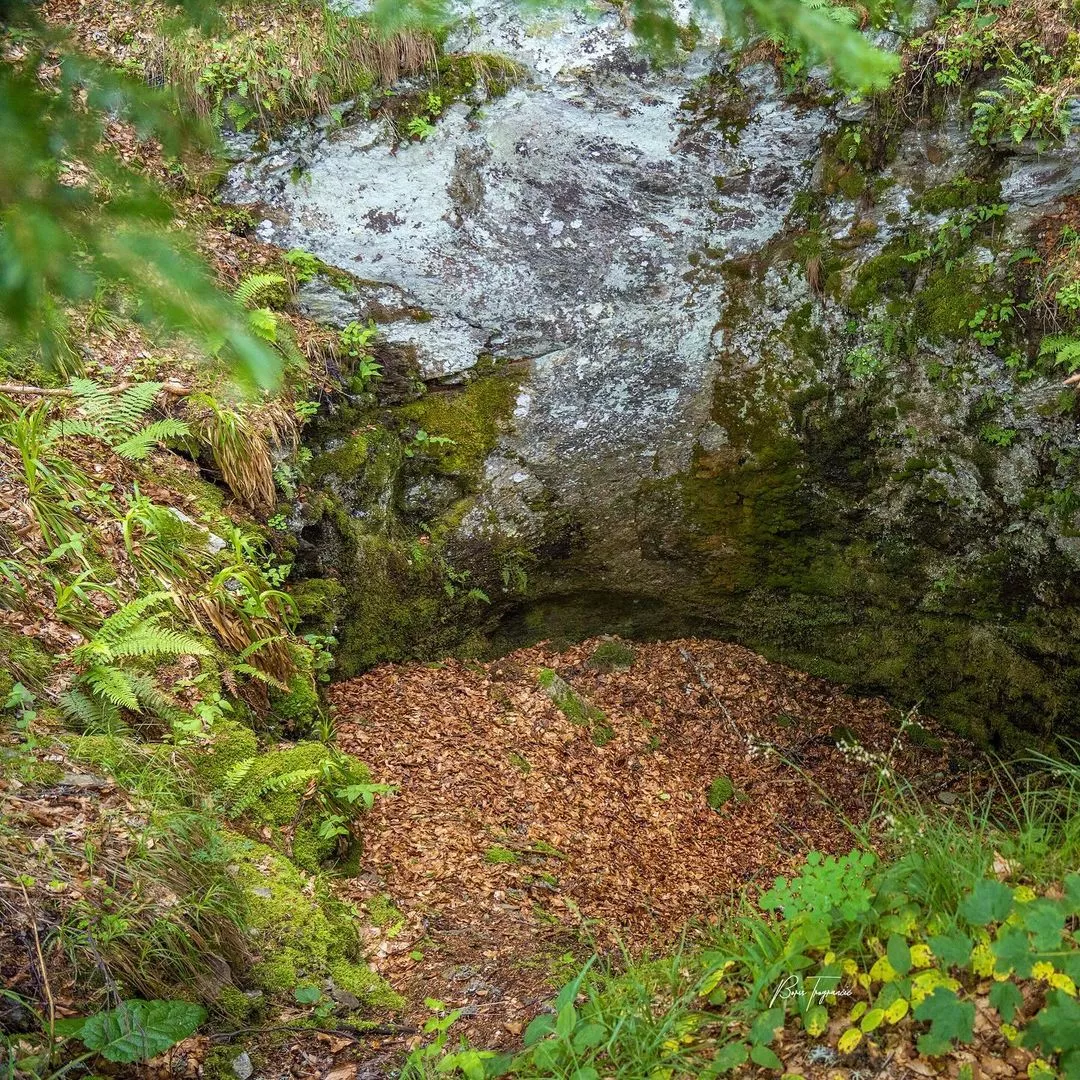
He explains that Kozograd is first mentioned in written sources on January 17, 1434, in a Dubrovnik document.
On that occasion, the people of Dubrovnik summoned their citizen Vukosav Kopilić, who was then staying in Kozograd (in Cosao), to court.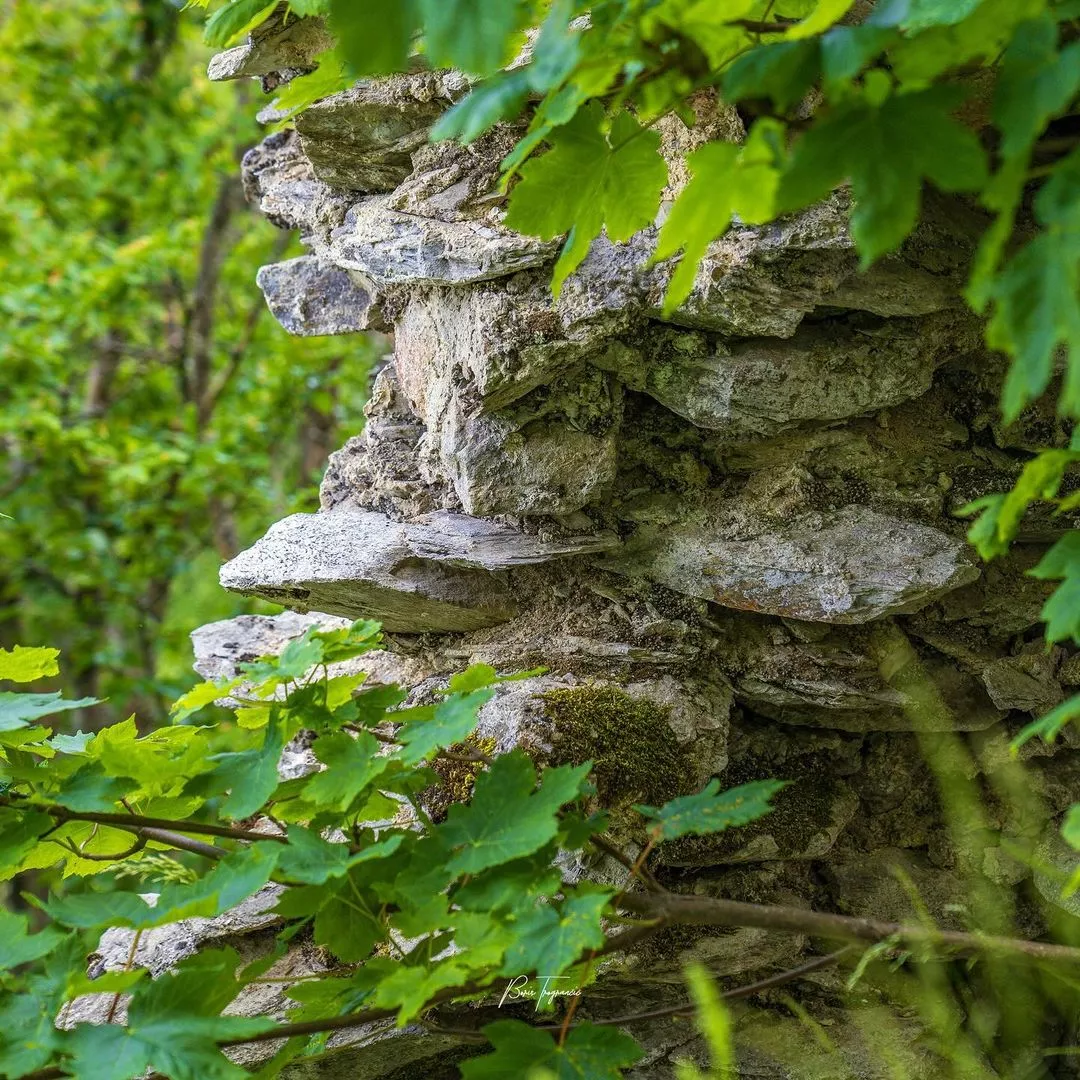
After that mention, until the fall of the Bosnian state in 1463, only two mentions of the town have been preserved, both in Dubrovnik sources from 1444 and 1447.
Kozograd is one of the medieval Bosnian towns about which folk imagination has woven a whole series of traditions and beliefs over time.
- The Dubrovnik chronicler Jakov Lukarević recorded a tradition claiming that Queen Katarina Kosača fled from Kozograd (Kosalaz, castello di Huoiniza) before the Ottoman conquerors, via Konjic and Ston to Dubrovnik.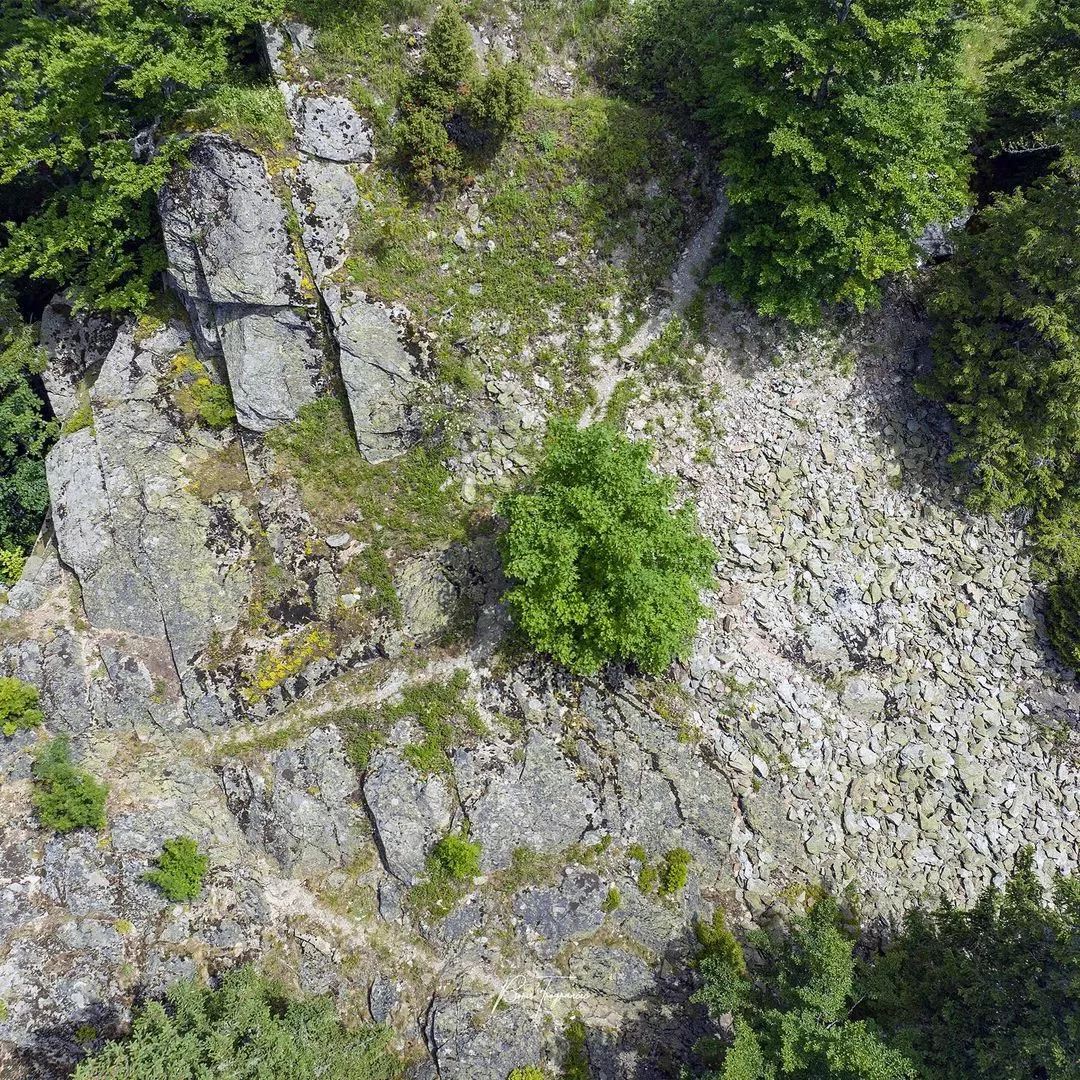
Folk traditions about Kozograd, mostly related to the fall of the Bosnian state in 1463, say that Queen Katarina shoed her horses backwards, thus misleading her pursuers.
The horse tracks are still visible in the rock. It is also believed that the "ancient Greeks" stayed in Kozograd, who are otherwise a very common motif in the folk traditions of this area.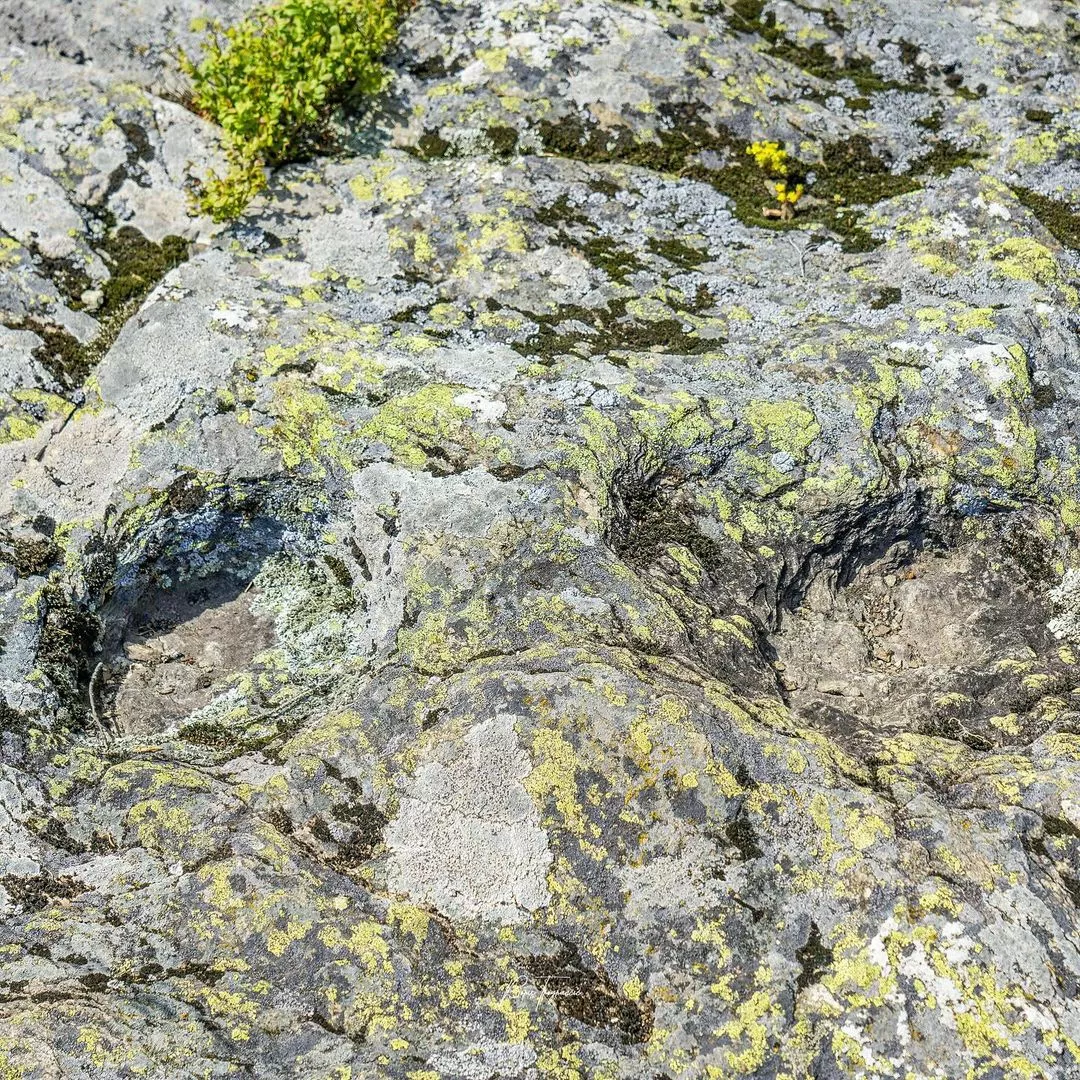
However, with the fall under Ottoman rule, the further development of Kozograd was abruptly cut short; it appears that after the conquest, the town was demolished and never rebuilt - we learn what the photographs cannot tell us.
Trogrančić also explains that the builders mainly used broken stone, and only in rare cases finely worked stone, during construction.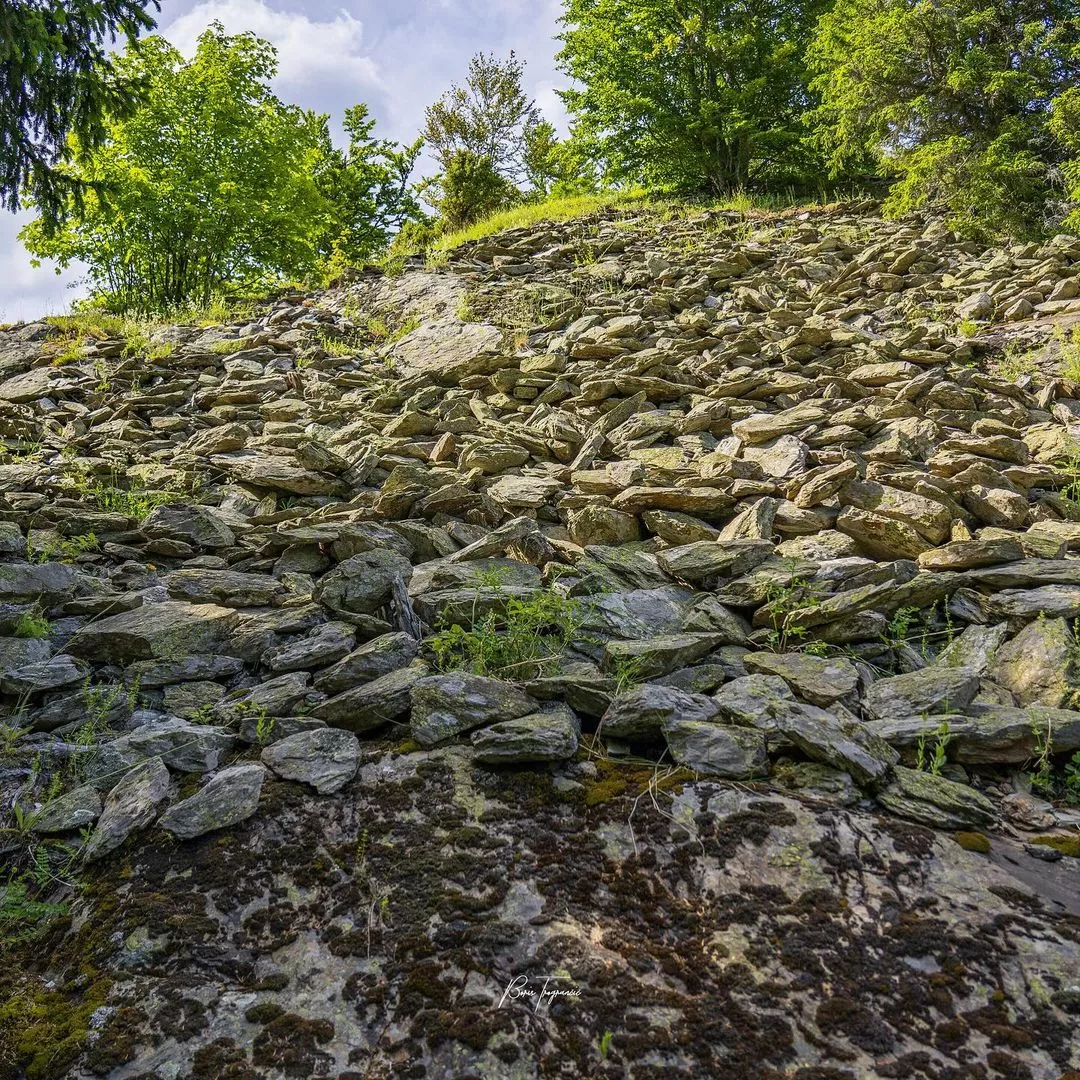
On a rock located along the western part of the town, an inscription is carved that is difficult to decipher.
Trogrančić adds that a communication tower was built on that spot.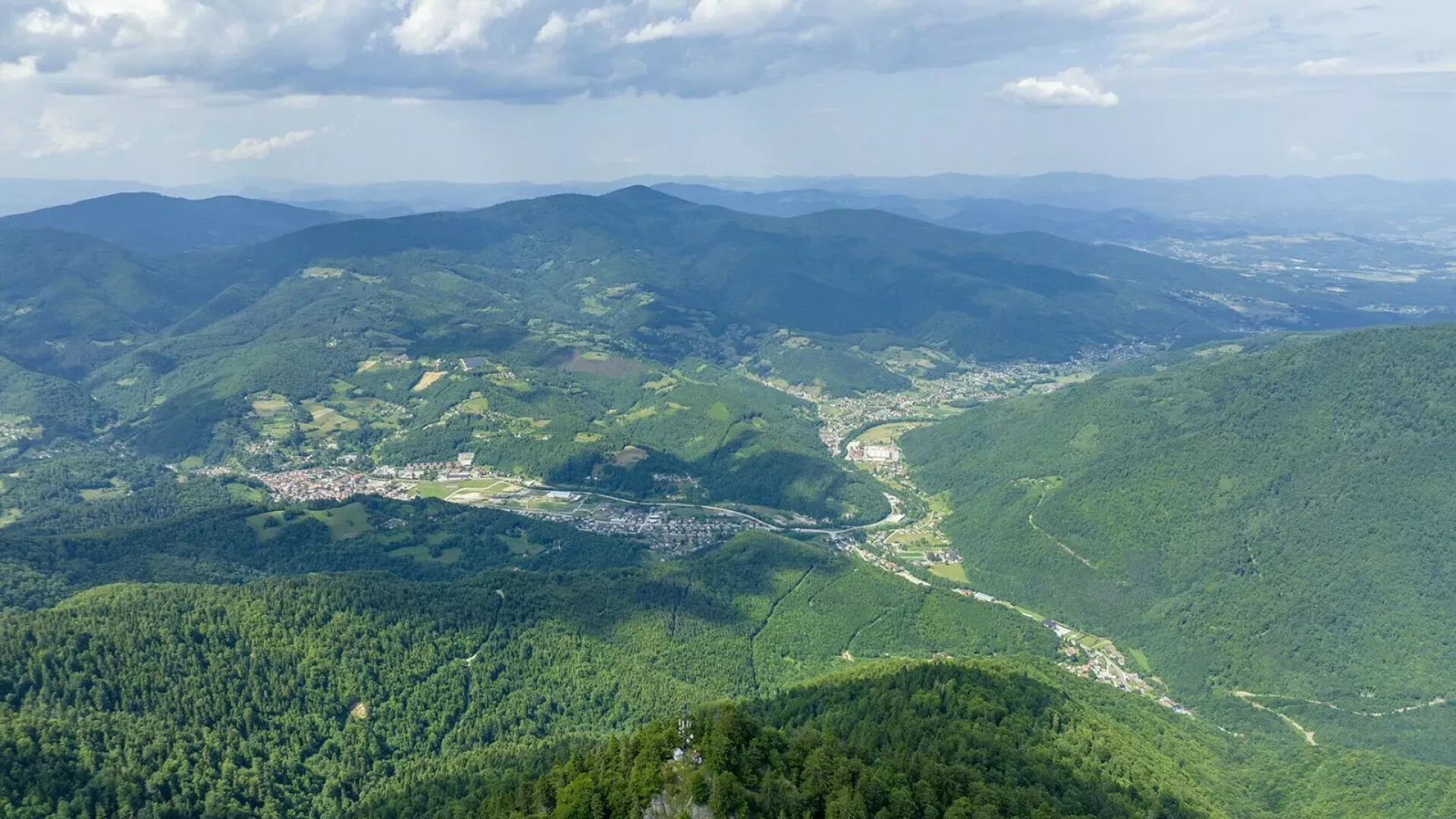
But, so that this does not deter you from a walk, he adds: "There is a hunting lodge and drinking water nearby, so it is possible to rest during the visit."
Komentari (0)
Prijavite se za komentiranje
PrijavaJos nema komentara. Budite prvi!
Minuta
Sve →Iz drugih kategorija

High Representative Not Elected: Germans, French and British Against Americans, New Attempt at End of June

ČOVIĆ WITHOUT MERCY: How Those Who Brought Ademović to Office Created a Political Hell for Him



Sunny Saturday, quite warm



Tragedy in Albanian resort: Two minors drown












