
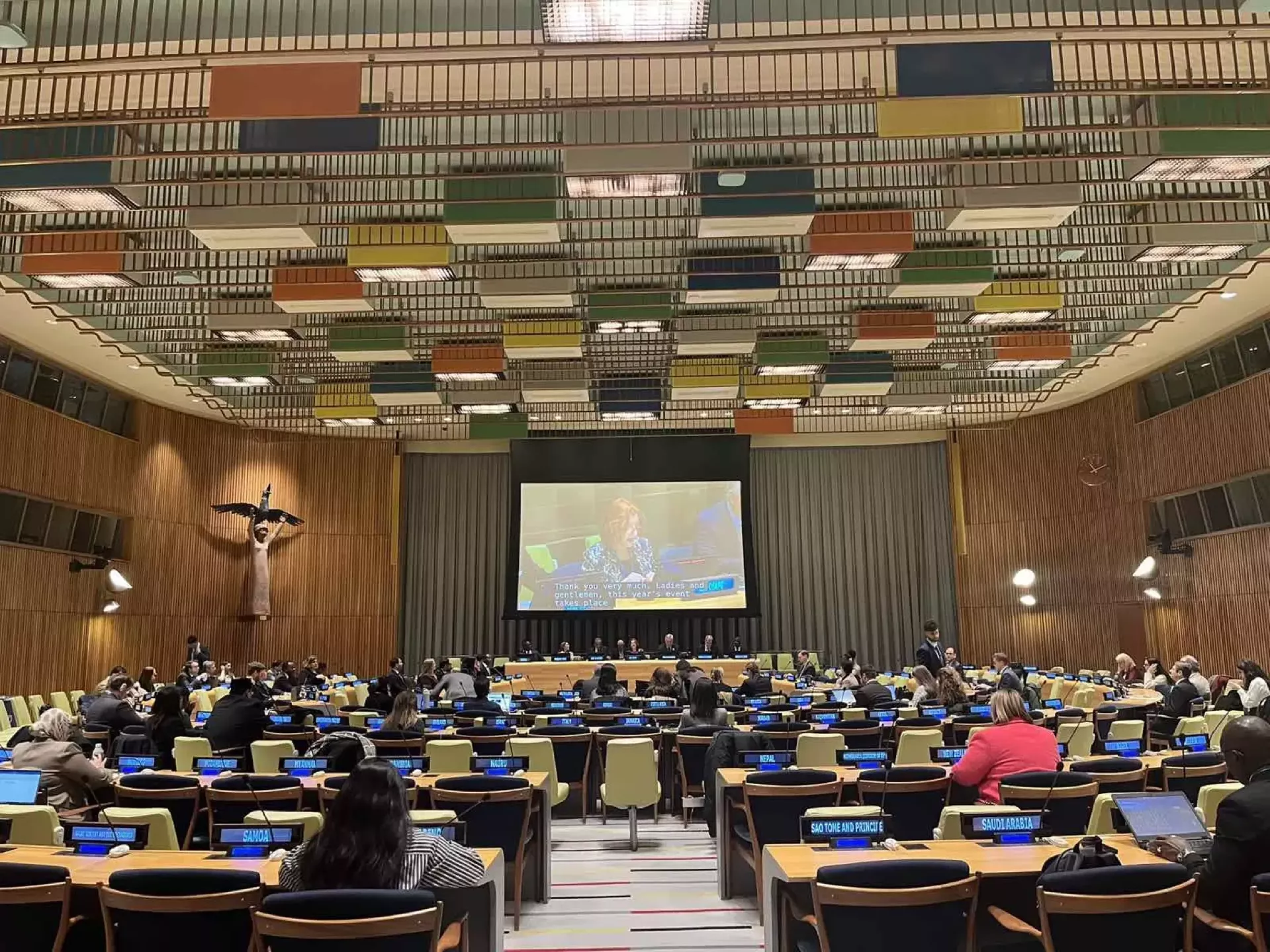
(Patria) - In a world burdened by division, mistrust, and violence, the dark shadow of genocide still lingers, stated UN Secretary-General António Guterres, on the occasion of the commemoration of the International Day of Commemoration and Dignity of the Victims of the Crime of Genocide and of the Prevention of this Crime, as well as the 76th anniversary of the adoption of the Convention on the Prevention and Punishment of the Crime of Genocide.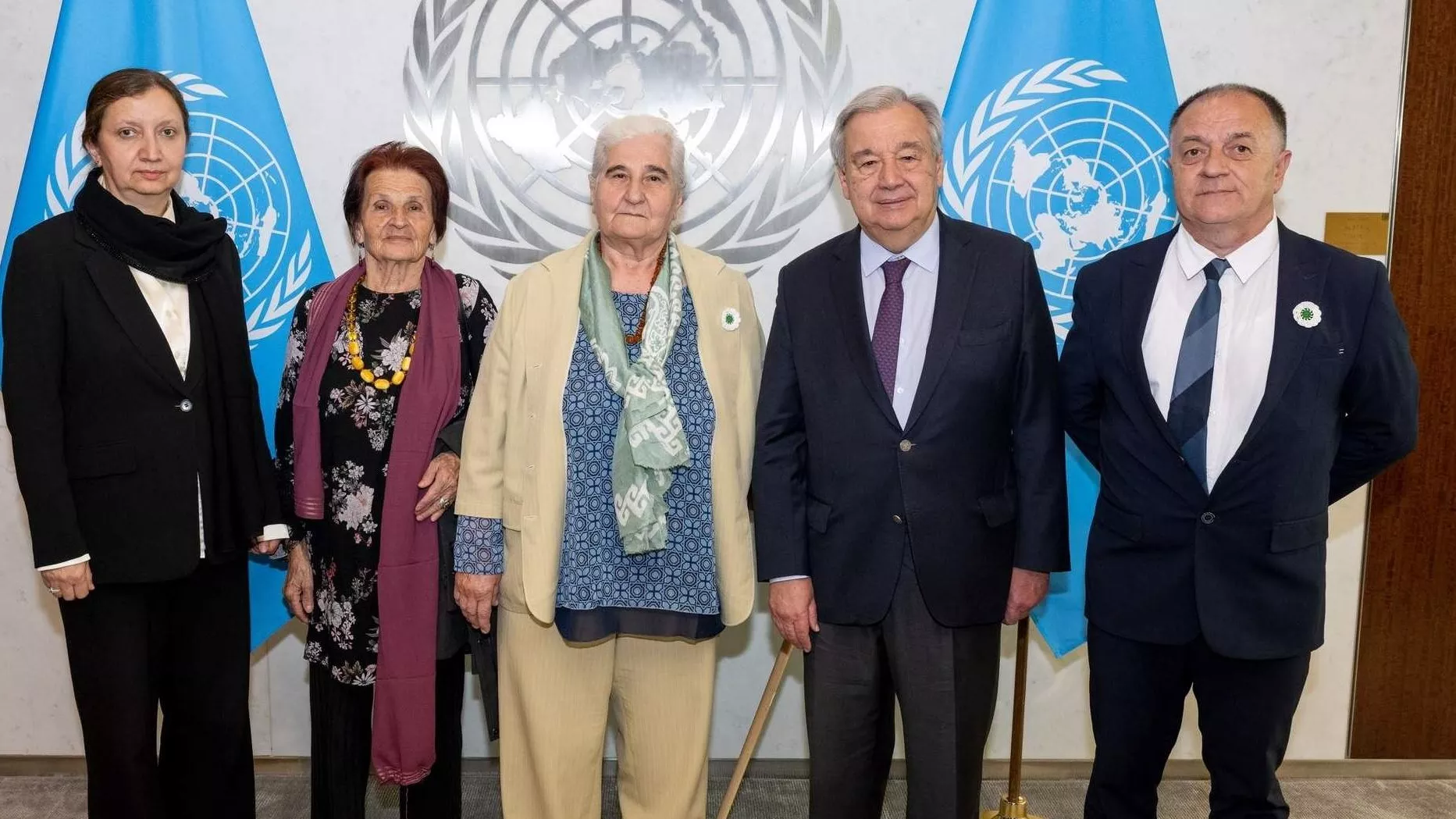
Guterres with representatives of victims' associations
The words "never again!" are not just a mere promise, Guterres believes, but an obligation to never forget the lost lives, stolen futures, and immense suffering endured.
- From Rwanda to Srebrenica, from the horrors of the Holocaust, we must never forget those innocent people killed simply for being who they were. The Convention is a pledge to victims and survivors of genocide to ensure that these crimes are never repeated. Tragically, in a world afflicted by division, mistrust, and violence, genocide is still with us - Guterres conveyed.
On behalf of the victims and survivors of genocide, he stated that "all governments must ratify the full accountability of perpetrators," strengthen prevention tools, engage in education, and combat misinformation and disinformation that can fuel hate speech and genocidal intent.
- Let us continue to fight for peace, justice, and accountability - is the stance of Guterres, which was read out before the UN General Assembly by his Chef de Cabinet, Earle Courtenay Rattray, at the commemoration organized on December 9th by the Office of the Special Adviser on the Prevention of Genocide within the UN Secretariat in New York.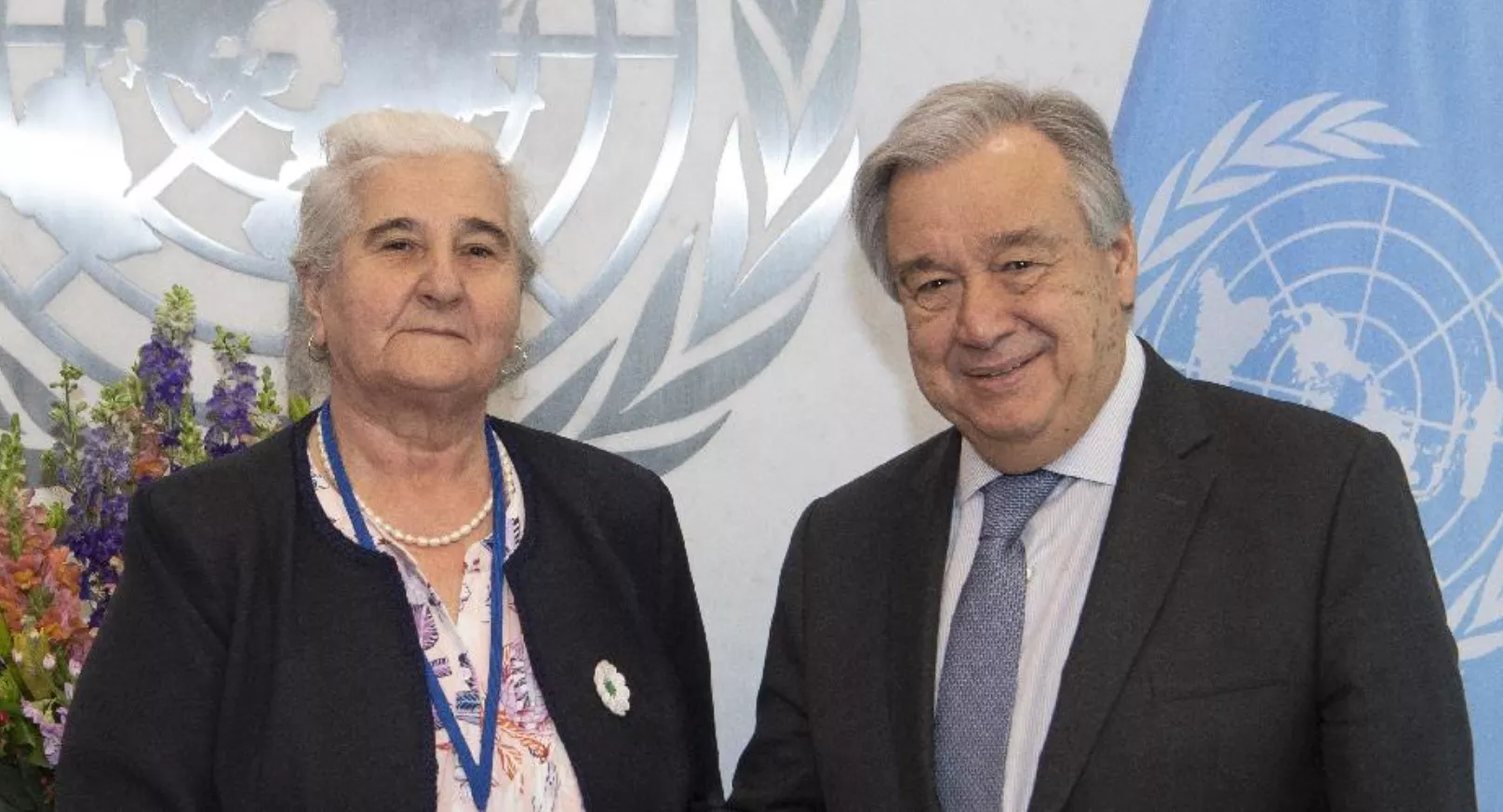
Guterres with Munira Subašić
The commemoration before the UN General Assembly holds additional significance as it was organized with a special focus on marking 30 years since the genocides in Rwanda and Srebrenica.
In April 2024, 30 years were marked since the genocide against the Tutsi in Rwanda, and in July of next year, 30 years will be marked since the genocide in Srebrenica.
Focusing on the experiences of Rwanda and Bosnia and Herzegovina, the role of commemoration and memorialization was highlighted not only in honoring victims and survivors of genocide but also as an effective mechanism for preventing future genocides.
Lessons from Rwanda and BiH
- The lessons learned from the horrors of what happened in Rwanda and Srebrenica speak to the need to improve our global capacity to understand and respond to risk factors, and to do so effectively, very early, and on time - said Virginia Gamba de Potgieter, Acting Special Adviser on the Prevention of Genocide at the UN, in a message read by Mo Bleeker, Special Adviser on the Responsibility to Protect at the UN, who moderated the panel sessions during the December 9th commemoration.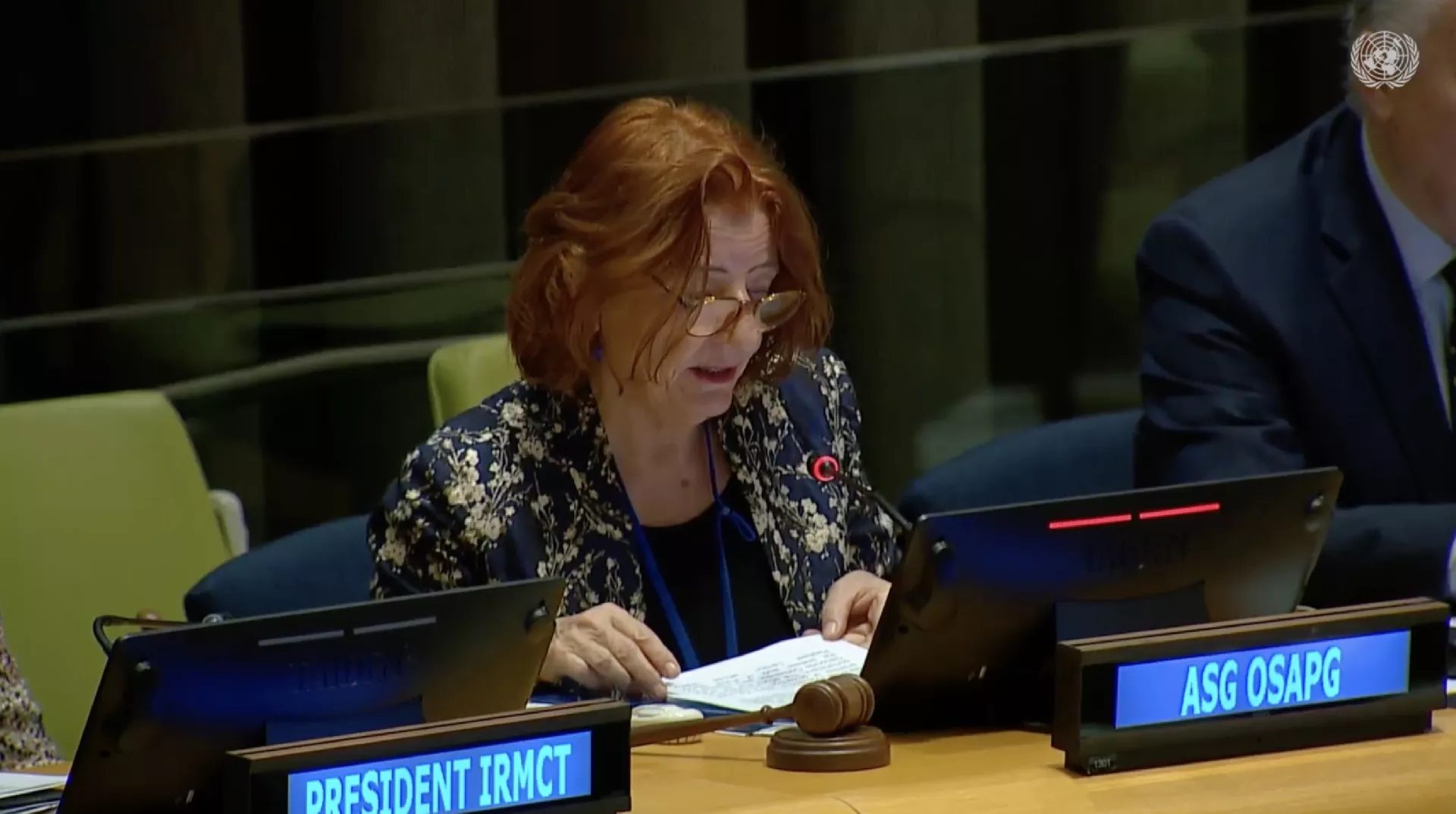
Mo Bleeker, Special Adviser on the Responsibility to Protect at the UN
Three decades since the horrific genocides in Rwanda and Srebrenica, Gamba states that for many families, these have been agonizing years dedicated to seeking all possible information about the fate of their loved ones, trying to counter the growing and very worrying trends of genocide denial, and even glorification of war criminals.
According to her, memorialization and commemoration serve not only as an instrument of remembrance but also as a pillar of dignity for survivors and a platform for developing and sharing all possible lessons for prevention.
Velma Šarić, President and Founder of the Post-Conflict Research Center, stated that the brave struggle of the Mothers of Srebrenica enabled the establishment of the Srebrenica Memorial Center, the International Commission on Missing Persons, the Institute for Missing Persons, and many other transitional justice institutions in BiH.
In addition, she added that the Mothers of Srebrenica played a fundamental role in the trials before the International Criminal Tribunal for the former Yugoslavia (ICTY), trials before the Court of Bosnia and Herzegovina, and that their advocacy efforts also resulted in the adoption of the UN Resolution on the Genocide in Srebrenica (UN, A/78/L.67/Rev.1).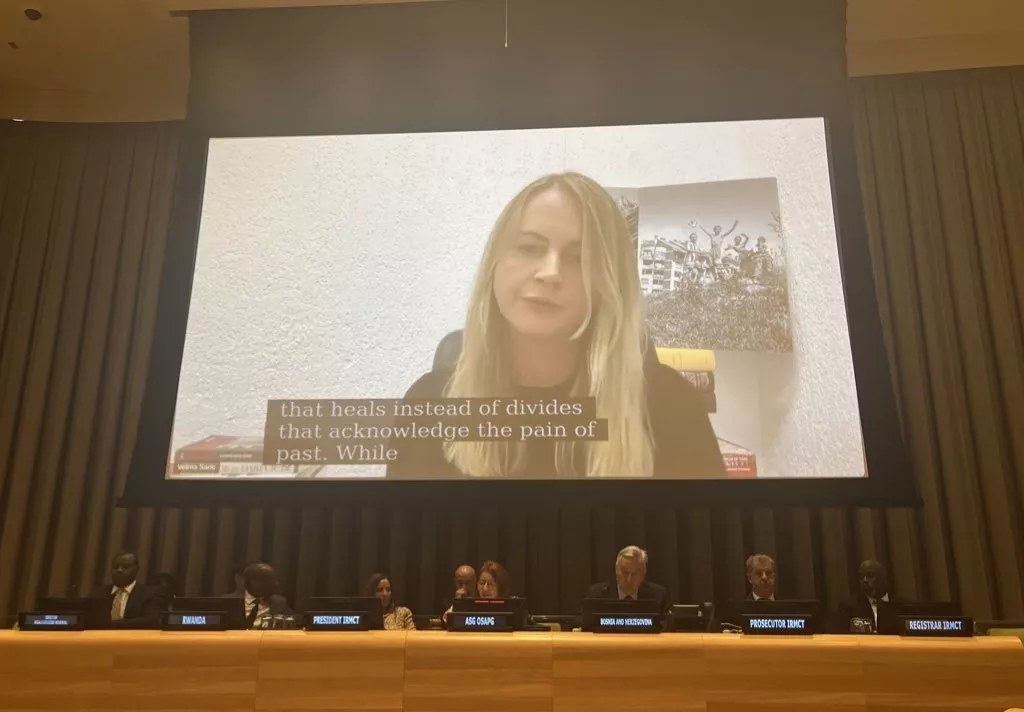
Velma Šarić, President and Founder of the Post-Conflict Research Center
Quoting Munira Subašić, President of the Movement Mothers of the Enclaves of Srebrenica and Žepa, Šarić reiterated that "without truth, there is no justice; without justice, there is no trust; and without trust, there is no reconciliation," emphasizing the need to reopen the discussion on the transitional justice strategy, which has stalled in BiH since 2013, and that the participation of victims and survivors must be a priority in this process.
Judge Graciela Gatti Santana, President of the International Residual Mechanism for Criminal Tribunals, stated that after genocide, justice serves as a key mechanism for restoring dignity to victims, holding perpetrators accountable, and establishing a record of truth that counters denial and distortion of facts.
- The ICTY, and now the Residual Mechanism, bear witness to this principle. These courts were not just judicial bodies; they served as permanent records of the crimes committed, providing an irrefutable foundation for education and commemoration - said Santana, adding that the Court, as well as the Mechanism, cannot actively prevent genocide, but the judicial legacy can help and play a key role in commemorating memory.
Serge Brammertz, Chief Prosecutor of the International Residual Mechanism for Criminal Tribunals, explained that prosecutors come when it is too late, i.e., when prevention has failed.
- The Genocide Convention speaks of prevention, but also punishment, and that's where we come in, because punishment should lead to deterrence, and deterrence from avoiding other mass atrocities, other genocides - said Brammertz, emphasizing that criminal prosecution is very important, as is the legal process in general, because it creates a platform for commemoration and remembrance to ensure that what is commemorated is proven and accurate and can be protected from revisionism.
Emir Suljagić, Director of the Srebrenica Memorial Center, stated that commemoration and remembrance toy with violence and future genocides. He believes that it is the prerogative of each group of survivors to decide how and what they will remember.
- When we commemorate, we effectively choose what is worth remembering, what exists for history, and what does not, and it is important that this process is focused on survivors and victims. In the context of Srebrenica itself, where more than 8,000 men and boys were killed in 1995, there are a number of efforts we are undertaking. Our efforts are in the field of education and awareness-raising - said Suljagić, emphasizing that the role of memorials and commemorative events, along with raising awareness, is to remind of the social, political, and historical contexts that led to genocide and crimes.
Šarić emphasized that through advocacy, victims and survivors of genocide have contributed to the adoption of the UN resolution on Srebrenica, which places memorialization at the forefront of confronting the past.
- Currently, in BiH, we are in a state of frozen conflict with daily nationalist rhetoric, denial of genocide and crimes, hate speech that poses a risk of violence, transgenerational trauma burdening the youth, as well as a lack of justice and accountability that prevents reconciliation - said Šarić, recalling the existence of two schools under one roof, the introduction of war criminals into textbooks in Republika Srpska, and so on.
It is encouraging, she added, that the European Union has made memorialization a priority in BiH's accession process, emphasizing the need to adopt a state law on memorial sites.
Freddy Mutanguha, Director of the Kigali Memorial Center, stated that April 7th holds deep significance in the process of commemorating memory in Rwanda.
- It is a time to reflect on the darkest chapter of national history during which over a million Tutsis were brutally killed in one hundred days. In the last 30 years, on April 7th, people from all over the country gather to honor the innocent victims of genocide. It is time to light the flame of remembrance, symbolized in the responsibility and commitment of today's generation - added Mutanguha.
The bloodshed we saw and witnessed in 1994, as Mutanguha explained, was the culmination of deeply rooted hatred, discrimination, and denial of basic human rights.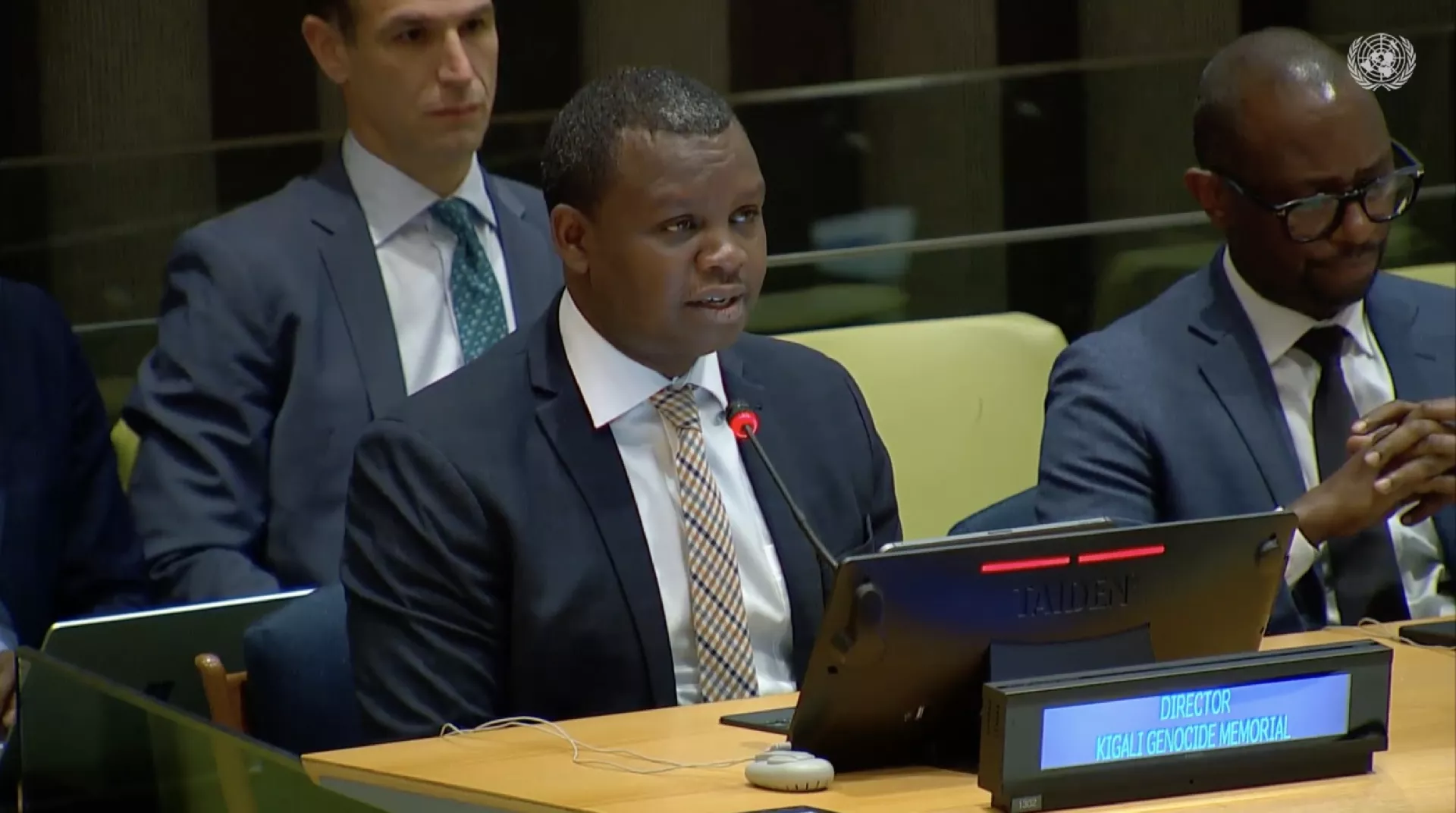
Freddy Mutanguha, Director of the Kigali Memorial Center
- The period of commemoration serves as a permanent reminder of the destructive power of hate speech, manipulation of ethnic identities, erosion of empathy, and the collapse of social values. We must honor those who perished and provide comfort to those who survived. This is a period of great sorrow - said Mutanguha, calling for unity to recognize the importance of personal stories, stories of reconciliation, forgiveness, and rebuilding trust.
Memorials provide a space for survivors to process their traumas and reconnect with the memories of their loved ones, added Mutanguha, emphasizing that they are places of education that bridge the gap between the past and the future, places where we can fight against denial and revisionism by preserving evidence of artifacts such as personal belongings, photographs, testimonies, and official documents.
Preventive Action Needed
Genocide and other serious international crimes pose a threat today and now, stated Bleeker, adding that preventive action is needed now, so that no one feels less worthy than others.
- Our common humanity requires each of us to actively implement our commitment to the prevention of genocide everywhere in the world - emphasized Bleeker.
Ambassador Philemon Yang, President of the UN General Assembly, stated that "this day serves to reaffirm our collective commitment to ensuring that such horrors are neither forgotten nor repeated, that the role of commemoration and remembrance in preventing genocide highlights the power of memory as a tool for education, a shield against denial and apathy towards the memory of our history".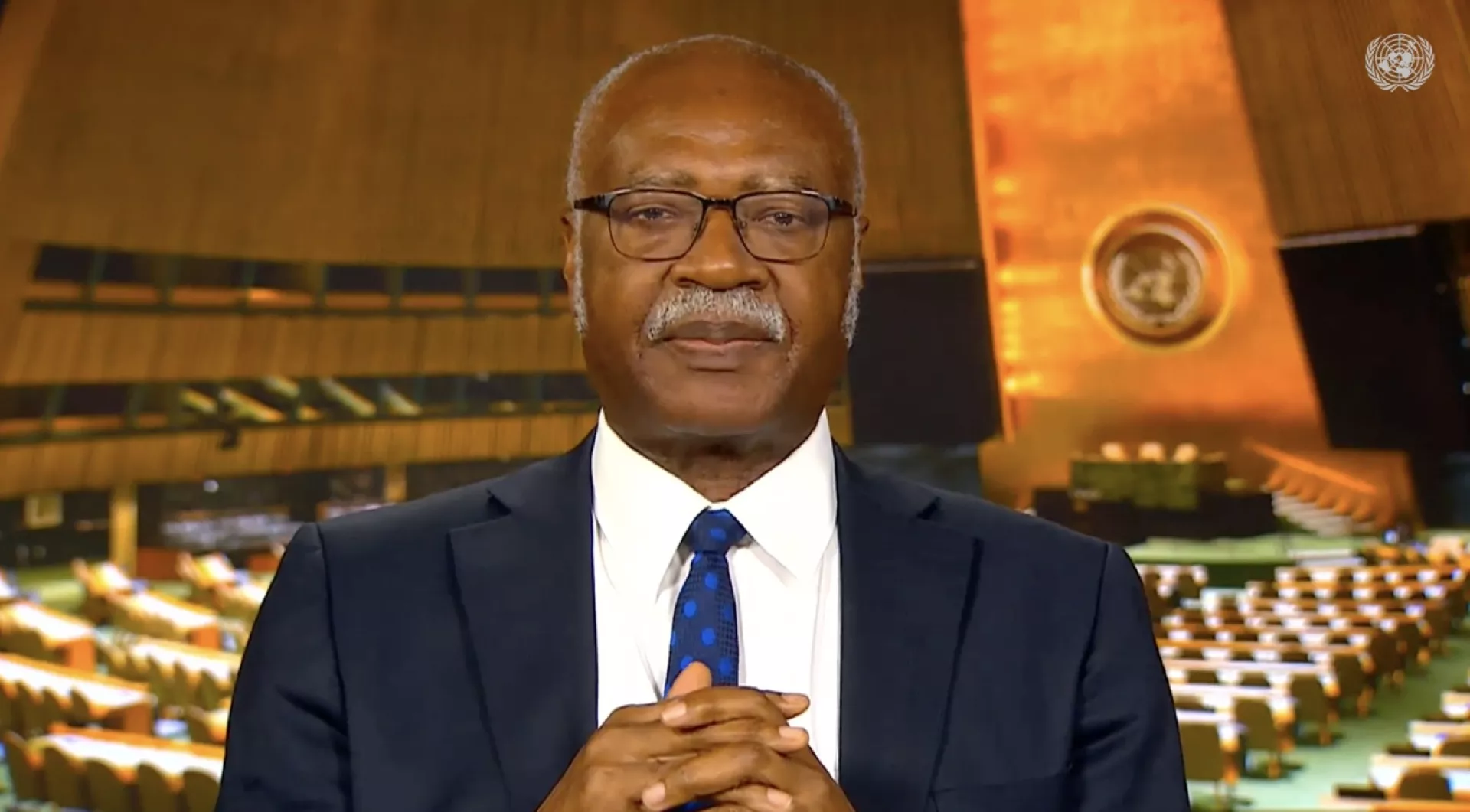
Ambassador Philemon Yang, President of the UN General Assembly
Yang added that "we can collectively chart a path forward that protects vulnerable populations, combats hate speech, and takes a firm stance against discrimination in all its forms".
Speakers at the event also included Abubacarr M. Tambadou, Registrar of the International Residual Mechanism for Criminal Tribunals; Zlatko Lagumdžija, Permanent Representative of Bosnia and Herzegovina to the UN; Robert Kayinamura, Deputy Permanent Representative of Rwanda to the UN; and Leatitia Nyirazinyoye, Vice President of the Association of Former Students and Pupils who survived the genocide in Rwanda, speaking on the importance of commemoration and memorialization in the prevention of genocide, war crimes, and crimes against humanity.
Komentari (0)
Prijavite se za komentiranje
PrijavaJos nema komentara. Budite prvi!
Minuta
Sve →Iz drugih kategorija

High Representative Not Elected: Germans, French and British Sabotaged Americans, New Attempt at End of June

ČOVIĆ WITHOUT MERCY: How Those Who Brought Ademović to Office Created a Political Hell for Him



Sunny Saturday, quite warm



Tragedy in Albanian resort: Two minors drown












