
By: Armin Sijamić
Since the beginning of the Russian aggression against Ukraine in February 2022, Europe has been talking about alternatives to Russian energy resources. The story has reached our closer and farther neighborhoods, and there is no doubt that sooner or later, and in various ways, this will also affect Bosnia and Herzegovina.
When a power is said to geopolitically control a certain part of the world, it means control over energy resources, ownership of energy infrastructure, and energy security, which implies the ability to use energy to pressure a rival or pursue an independent policy in relation to rivals who cannot be blackmailed with energy resources.
These matters are clearer in many parts of the world than in Europe. For decades, Russia has supplied energy to a large part of Europe, although in geopolitical terms, primacy belonged to others, primarily the United States, which stationed its military there, controlled financial flows, provided technology, led diplomatic initiatives, and determined the official political and social narrative through its "soft power".
This unusual "gift" from the West to Russia, although strongly based on geography and the economic interests of the European economy, had to logically come to an end when the Kremlin and European partners found themselves on different sides on fundamentally important issues.
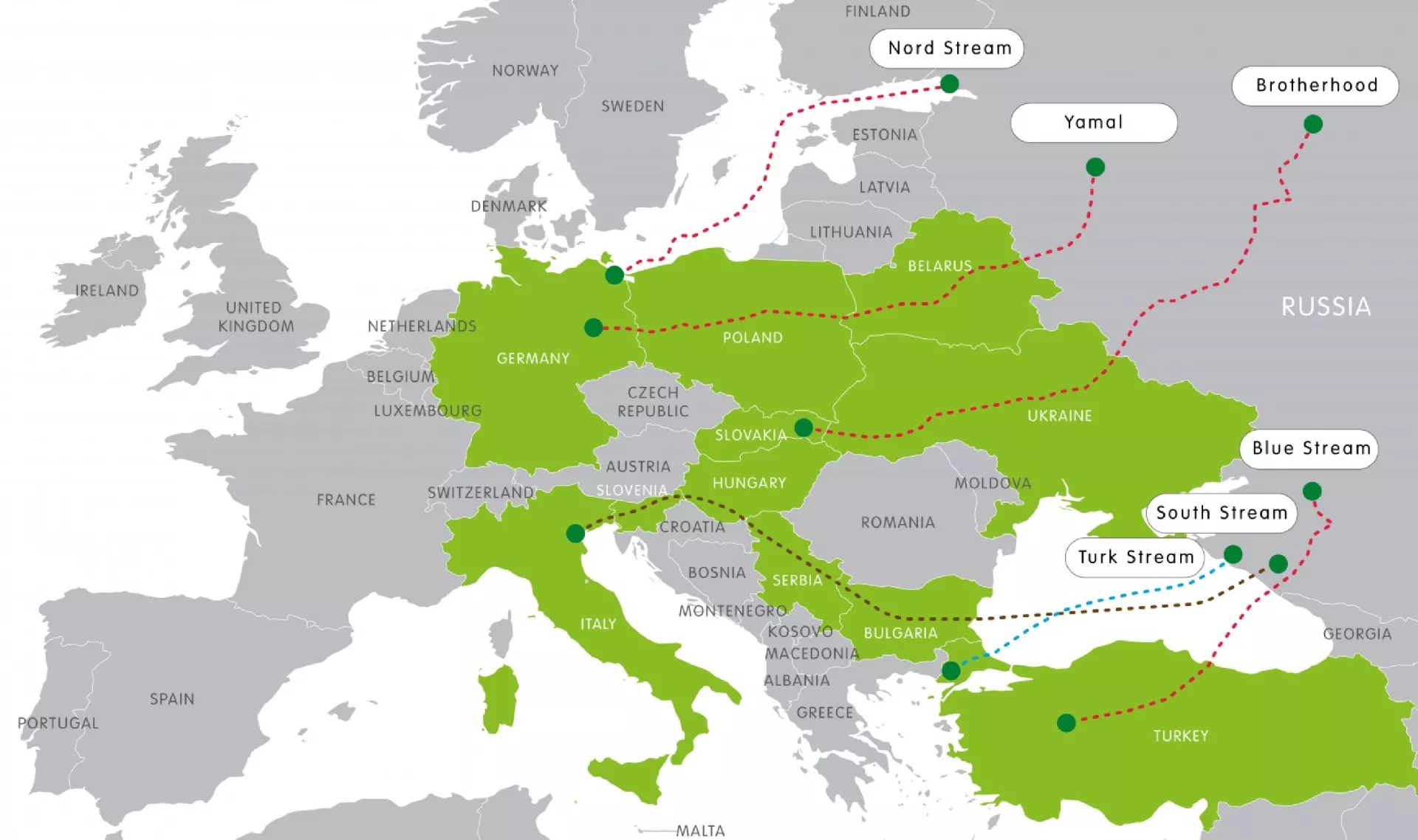
Since the Russian aggression against Ukraine, Russia and Europe have been drifting apart, although US President Donald Trump wanted to turn a new page in relations with Moscow, after his predecessor Joseph Biden united Europeans in a front against the Kremlin.
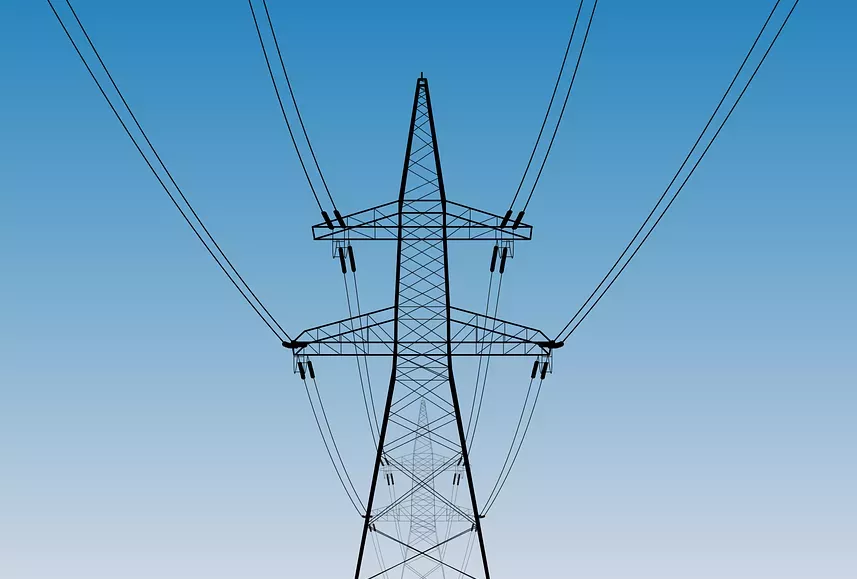
Europe's Energy Map
While the war in Ukraine continues, a battle is being waged across Europe over who will replace Russia in the energy sector, including the supply of natural gas, oil, coal, and nuclear fuel for nuclear power plants built by Russian companies in several European countries.
Very quickly, some countries stopped buying Russian oil and natural gas after the United States began working on LNG terminals in Poland, Germany, and Croatia. A year after the start of Russian aggression against Ukraine, progress has also been made in the field of nuclear power plants, with French and American companies agreeing to replace Russian ones in Bulgaria and elsewhere.
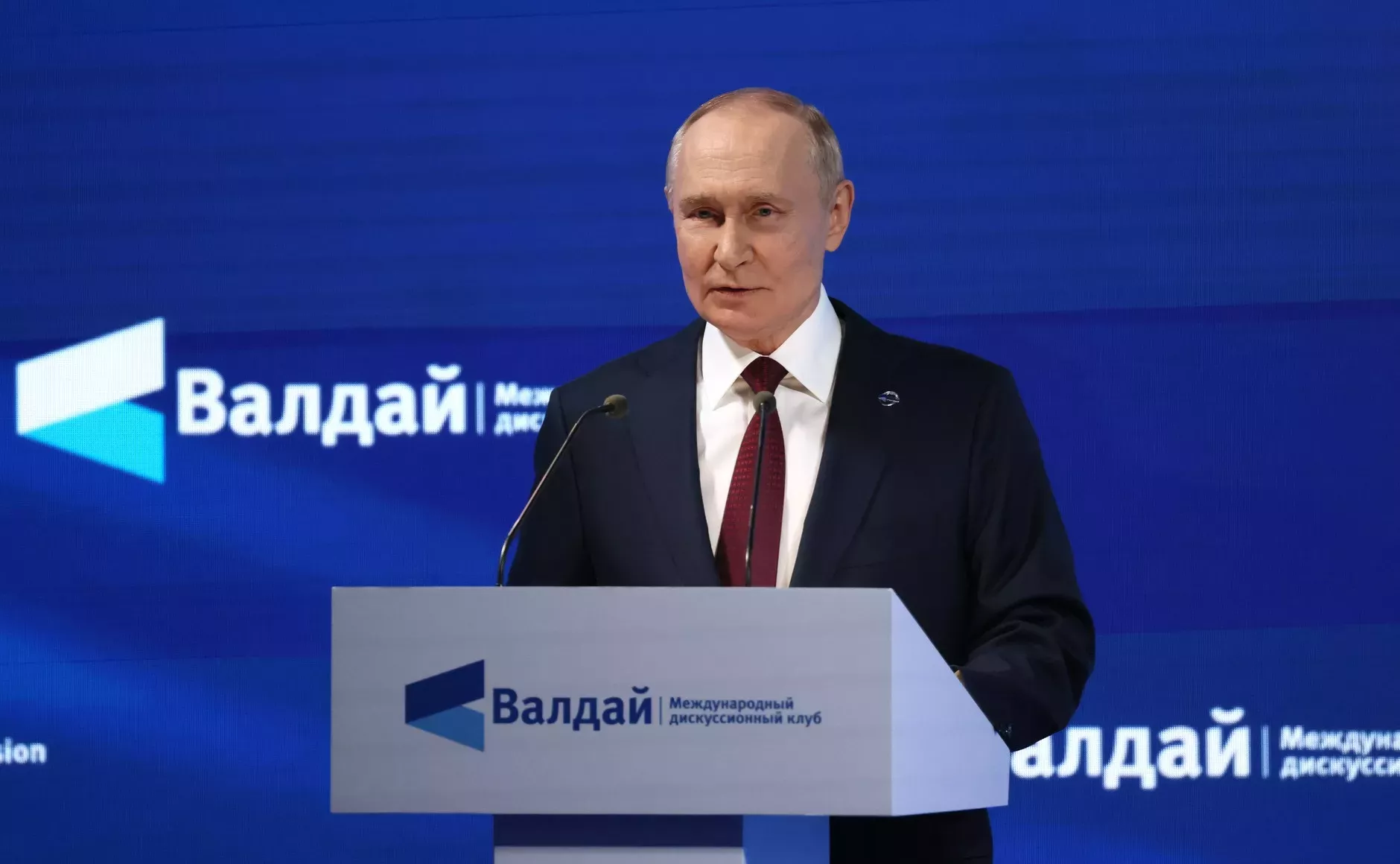
Even then, it was clear that in the next step, despite the displeasure of some Eastern European and Balkan countries, the smallest consumers of Russian gas and oil would be next, and that the great powers would have no mercy for their need to pay for energy at a lower price than what is offered as an alternative.
One such example is Naftna industrija Srbije (NIS), which is majority Russian-owned. For months, Serbian President Aleksandar Vučić has been talking about American sanctions targeting Russian ownership in companies of this type, only to recently say that the sanctions have come into effect. This means, Vučić claims, that it is no longer possible to use bank payments in business with NIS. However, NIS continues to operate, and oil and natural gas still arrive in Serbia.
Experts claim that Serbia can only get out of this situation in two ways: by reducing Russian ownership in NIS below fifty percent or by lifting American sanctions. Vučić's inaction in this case, despite the clear political implications of any of his moves, seems to stem from the expectation that American-Russian negotiations on Ukraine, and then on Europe's energy map, will gain momentum and bring a solution that he did not influence.
This approach by Vučić may partly lie in avoiding possible legal entanglements. Some argue that the destruction of the "Nord Stream 2" pipeline, which directly connected Germany and Russia, was a way to avoid a legal dispute over who failed to deliver/receive contracted quantities of gas. Since the pipeline was destroyed in a case that has never been fully clarified, it is impossible to either deliver or receive gas.
The fight has begun
However, many do not have time to wait. That is, they do not want to wait for Trump and Russian President Vladimir Putin to agree on Europe without Europeans.
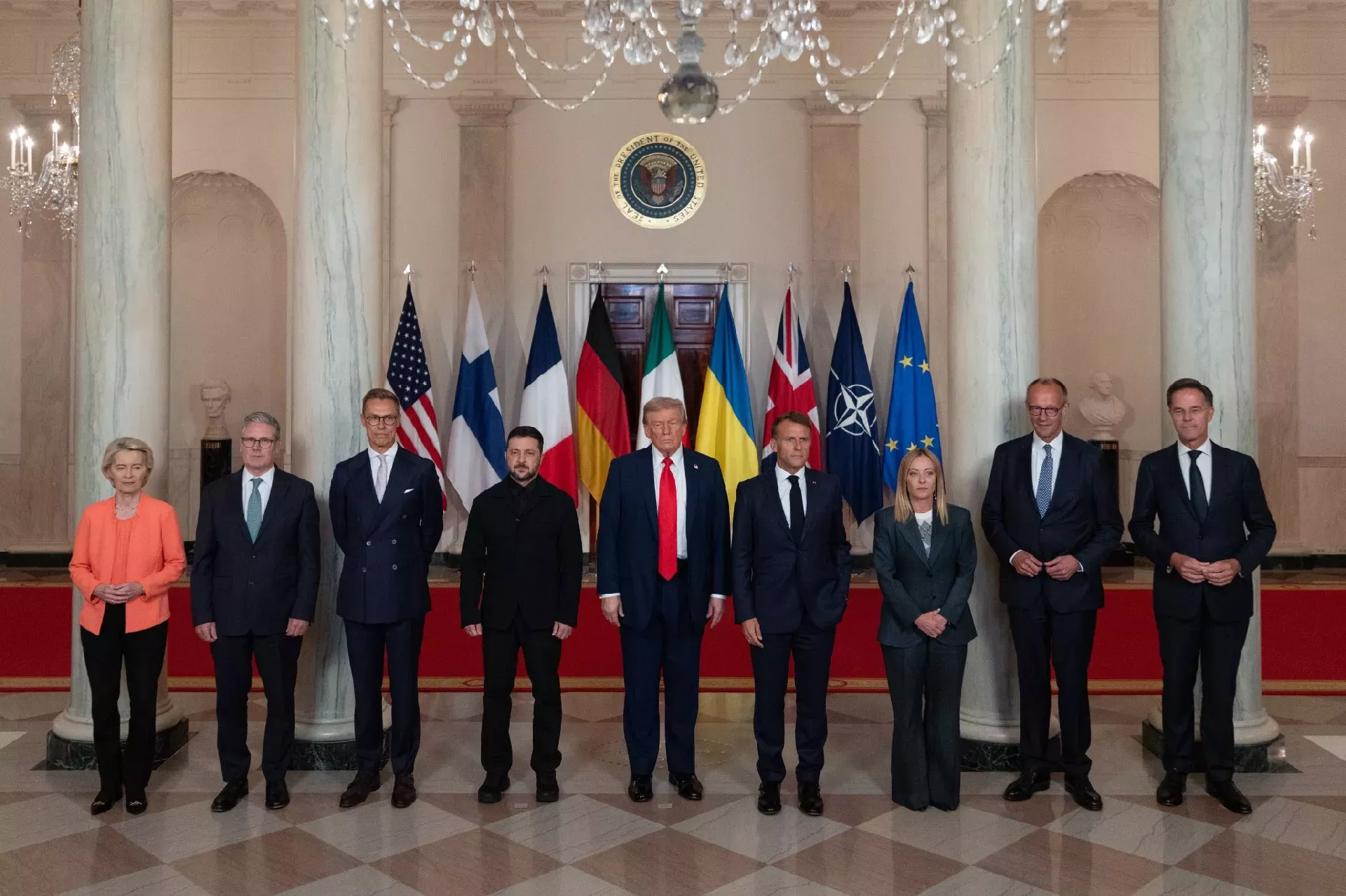
This week, it was announced from Brussels that most European Union member states have agreed to ban the import of Russian natural gas by the end of 2027, and that from the beginning of next year, after the decision of the Council of the European Union, the transit of Russian gas through member states will be banned. Enlargement Commissioner Marta Kos then said that this would not apply to non-EU countries that are supplied with Russian gas through pipelines located in EU member states.
The fact that the break will be painful, and violent if necessary, is also confirmed by top state officials. Polish Foreign Minister Radoslaw Sikorski on Wednesday expressed support on social media for the Ukrainian army to disable the "Druzhba" pipeline, which supplies some European countries.
Somewhat earlier, a court in Poland ruled not to extradite a Ukrainian citizen to Germany suspected of destroying the "Nord Stream 2" pipeline. A similar decision was made earlier by a court in Italy.
Some view this European-Russian breakup in the energy sector through the prism of recent fires at refineries in Hungary, Slovakia, and Romania within just 48 hours. All these refineries are connected by Russian oil, whether they belong to companies of Russian ownership or process Russian oil there.
Ukrainians have no problem clearly expressing their stance – if Russia destroys our infrastructure, we will retaliate in kind. In the past few months, Ukrainians have destroyed numerous Russian facilities important for oil refining, forcing even Russians to wait in line for fuel. Some estimates say that Ukrainians have so far destroyed about twenty percent of all Russian oil refining capacities and will likely destroy many more in the European part of Russia in the near future.
Everyone will feel the consequences
Almost four years after the start of Russian aggression against Ukraine, many in Moscow are probably wondering if it all had to be this way. If Putin had known how he would fare in the war in Ukraine, the question is whether he would have dared to attack. Russia is suffering huge losses, and not only militarily. These days, Russian energy resources have come under fire.
Trump yesterday imposed sanctions on Russian companies Rosneft and Lukoil, which will likely force major buyers to think twice before buying Russian oil. This applies primarily to India and China, which have been using the situation for over three years as the European market becomes increasingly closed to Russian energy resources, buying record quantities at lower prices.
Trump's decision comes in the week when the European Union decided to strike another blow to Russian energy interests in Europe and after numerous oil facilities connected to Russia were (un)intentionally destroyed or damaged. In the same week, an official from an important European Union and NATO country, as mentioned above, called on Ukraine to destroy the Russian gas pipeline.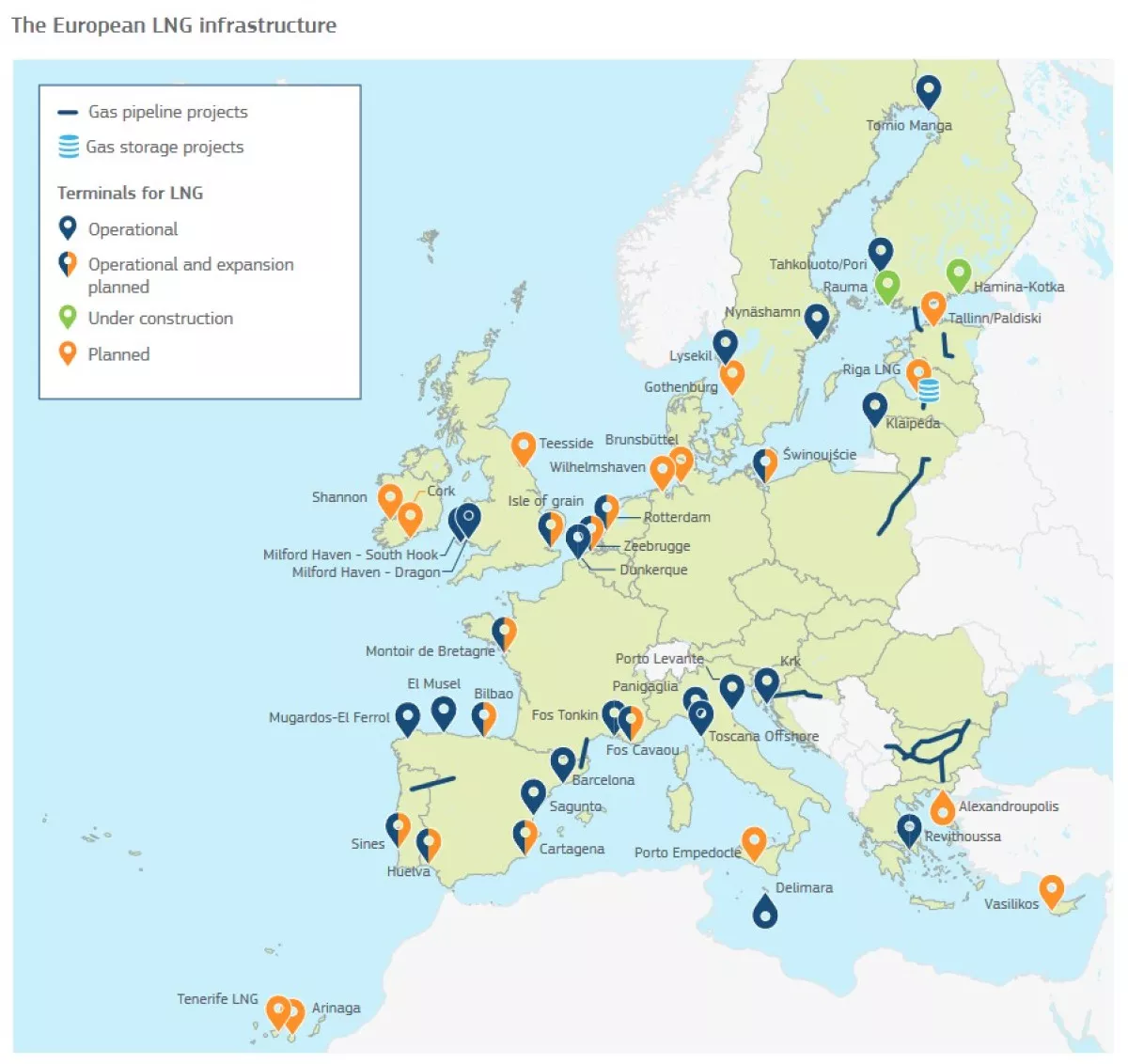
European LNG infrastructure at the beginning of 2023
The West's blow to Russia across Europe is not a surprise. The West wants to cut off the Kremlin's branches of influence by severing energy ties, which will also be a financial blow to Russia. When Russian aggression against Ukraine began, some claimed that Europe could not do without Russian energy and that Europeans would "freeze" in their homes. Today, it is clear that this was Kremlin propaganda and that the European Union is ready to pay the financial and all other costs of this move, and who will lose more will be seen in the coming period.
Komentari (0)
Prijavite se za komentiranje
PrijavaJos nema komentara. Budite prvi!
Minuta
Sve →Iz drugih kategorija

High Representative Not Elected: Germans, French and British Against Americans, New Attempt at End of June

ČOVIĆ WITHOUT MERCY: How Those Who Brought Ademović to Office Created a Political Hell for Him



Sunny Saturday, quite warm



Tragedy in Albanian resort: Two minors drown












