
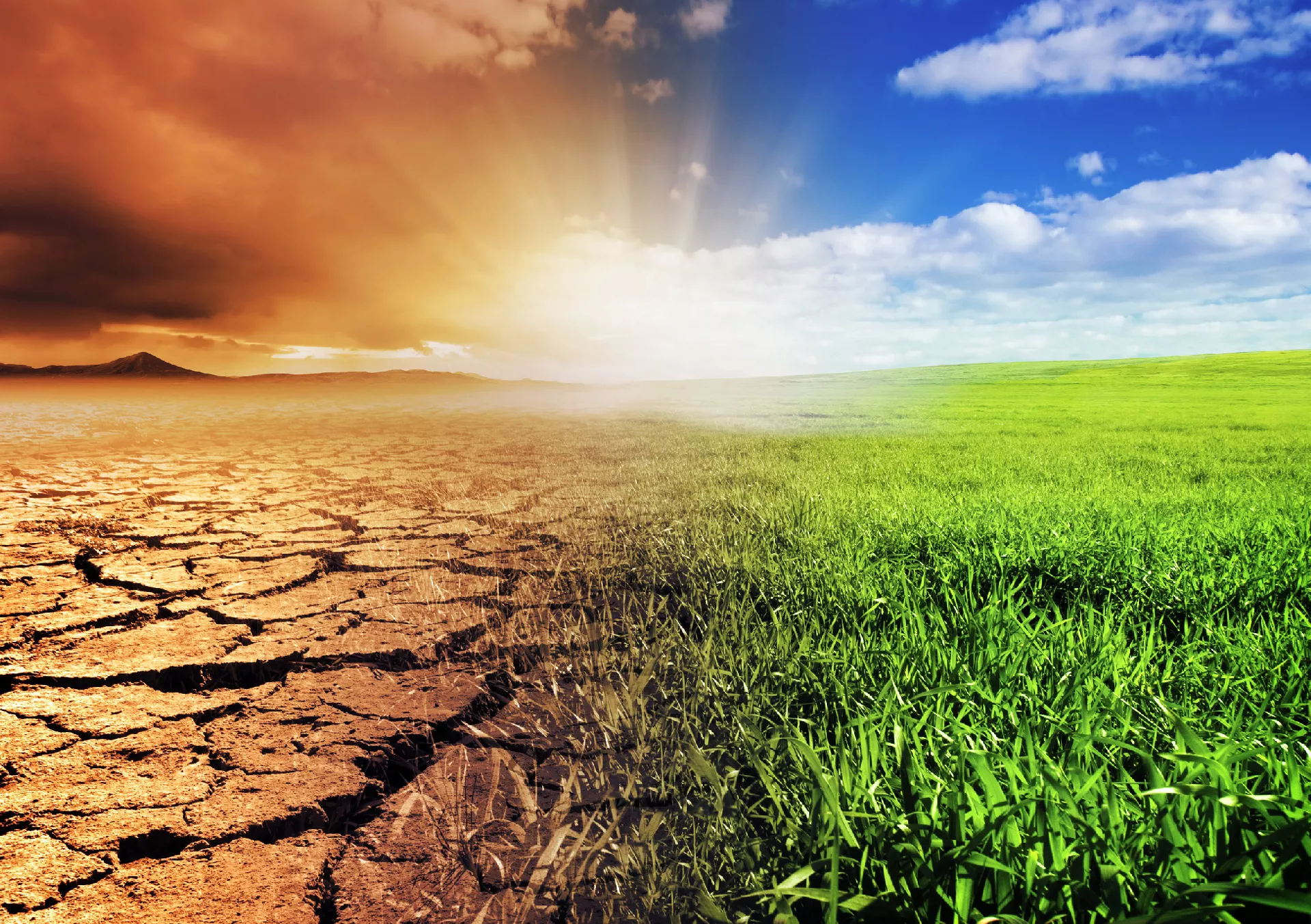
By: Nermin Alihodžić
The 2024 United Nations Climate Change Conference, or the UNFCCC Conference of the Parties, better known as COP29, is the 29th UN Climate Conference, held in Baku (Azerbaijan) from 11 to 22 November this year. COP Conferences have been held regularly since 1992, when the first United Nations Climate Agreement was adopted in Rio de Janeiro (Brazil) at the summit also known as the Earth Summit, and are intended as a place where national governments agree on climate policies to limit global temperature rise and adapt to the impacts associated with climate change.
The weakness of this convention, which was noticed even then and is particularly evident today, is that it does not set binding frameworks for greenhouse gas emissions for individual countries, nor enforcement mechanisms! It imposes obligations on states to collect and share information on greenhouse gas emissions, national policies and practices for addressing emissions, to provide financial and technical assistance to developing countries, and to cooperate in preparing for adaptation to the impacts of climate change.
However, what makes this year's COP different from previous ones? It is that a firm conclusion can already be drawn that the set international goal of keeping the rise in average global temperature below 1.5°C compared to the pre-industrial period will not and cannot be achieved! Namely, three of the five leading global scientific research teams point out that 2024 is the hottest year on record so far. July 21, 22, and 24 this year were the hottest days ever recorded globally. The last ten consecutive years have already been the ten hottest years ever recorded since regular temperature monitoring began.
Knowing these facts, the UN Secretary-General António Guterres himself drew attention in his opening address to the heads of state at this year's COP that "only they can beat the 1.5°C clock" and admitted that planet Earth is going through a "masterclass in climate destruction"! This is just one in a series of statements and pleas from the Secretary-General on the state of the climate.
Also, in the middle of this year, he stated that billions of people are facing an epidemic of extreme heat and that humanity is a victim of an "extreme heat epidemic." He again called, for the umpteenth time, on world leaders to take concrete measures to limit the impact of heat waves, which are increasing due to climate change: "If there is one thing that unites our divided world, it is that it is getting hotter..."
It is evident that the old established practice continues, where the vast majority of states only declaratively advocate for reducing fossil fuel consumption, because regardless of the fact that they have officially agreed and signed documents to abandon this type of energy source and for their industries to switch to renewable sources (primarily wind and sun), records for greenhouse gas emissions into the atmosphere, which are considered the main cause of the greenhouse effect, will also be broken this year.
The impression is that the 1.5°C target is now only rhetorical but not practically achievable. What is certain is that greenhouse gas emissions must be reduced, because once we stop heating the planet, it will be better for both us humans and the ecosystem we live in.
And if we think it doesn't matter whether the increase is 1.5°C or 2.0°C and that these are small differences, we are greatly mistaken. Namely, geological records of the Earth itself tell us that changes of only half a degree in the past have had major consequences for the planet's ecosystem and atmosphere, so any effort and struggle to limit greenhouse gas emissions is better than reaching the 2.0°C threshold, when the consequences for life on Earth would be catastrophic.
Namely, with an increase of 1.5°C, it is predicted that coral reefs worldwide will further decline by 70-90%. With an increase of 2.0°C, estimates are that coral reefs will decline by more than 99%, representing an irreversible loss in many marine and coastal ecosystems. The Arctic Ocean, with a 1.5°C increase, will be ice-free in summer once every hundred years, while with a 2.0°C increase, it could be ice-free once every ten years, which would also result in changes in ocean currents, including the Gulf Stream, which brings warm weather to the northeastern US and Europe. The Gulf Stream is already at its weakest in over a thousand years. At this moment, if we do not fulfill the promises made in the Paris Agreement and continue with the current practice of emitting an average of 51 billion tons of greenhouse gases into the atmosphere each year, we are on a sure path to warming of 3.0°C to 3.2°C, risking catastrophic heat waves, floods, famine, and then social unrest in the world.
To this should be added the recently concluded elections in the USA and the arrival of Donald Trump at the head of this country, from whom it is expected that he will again, as he once did, dismantle climate policies and add at least another 0.04°C to the global temperature during his new four-year term.
And finally, let us quote Alexander De Croo, the Belgian Prime Minister, who said at the concluded COP29 that "meetings like these are often perceived as talk shops, and that the climate negotiations themselves are far from perfect. But if we compare climate policy now with that of ten years ago, we are in a completely different world."
In any case, the period ahead is very challenging and in no way promises a favorable outcome. Therefore, it is high time that Bosnian-Herzegovinian society also begins to actively adapt to the emerging climate patterns, because it is indisputable that the processes have been irreversibly set in motion.
Komentari (0)
Prijavite se za komentiranje
PrijavaJos nema komentara. Budite prvi!
Minuta
Sve →Iz drugih kategorija

High Representative Not Elected: Germans, French and British Sabotaged Americans, New Attempt at End of June

ČOVIĆ WITHOUT MERCY: How Those Who Brought Ademović to Office Created a Political Hell for Him



Sunny Saturday, quite warm



Tragedy in Albanian resort: Two minors drown












