
By Armin Sijamić
The return of Donald Trump to the White House has forced many in Europe to think about what will happen if the President of the United States decides to change his policy towards the old continent and if the burden of maintaining the current order is shifted to its allies.
The desire of several European countries to form some kind of "European army" has existed for a long time. France has been at the forefront of this, but it has not been able to realize it for two important reasons. First, no European country has an army as strong as the American one. Second, many European countries, especially in the east and north, trust the power of Washington more than the plans of European powers.
But the idea of Europeans relying on their own strength has never been abandoned and periodically returns to the public sphere. Trump's negotiations with Russia, in an attempt to make peace in Ukraine, have made this idea topical again. The United Kingdom last month gathered countries willing to help Ukraine if Washington abandons Kyiv.
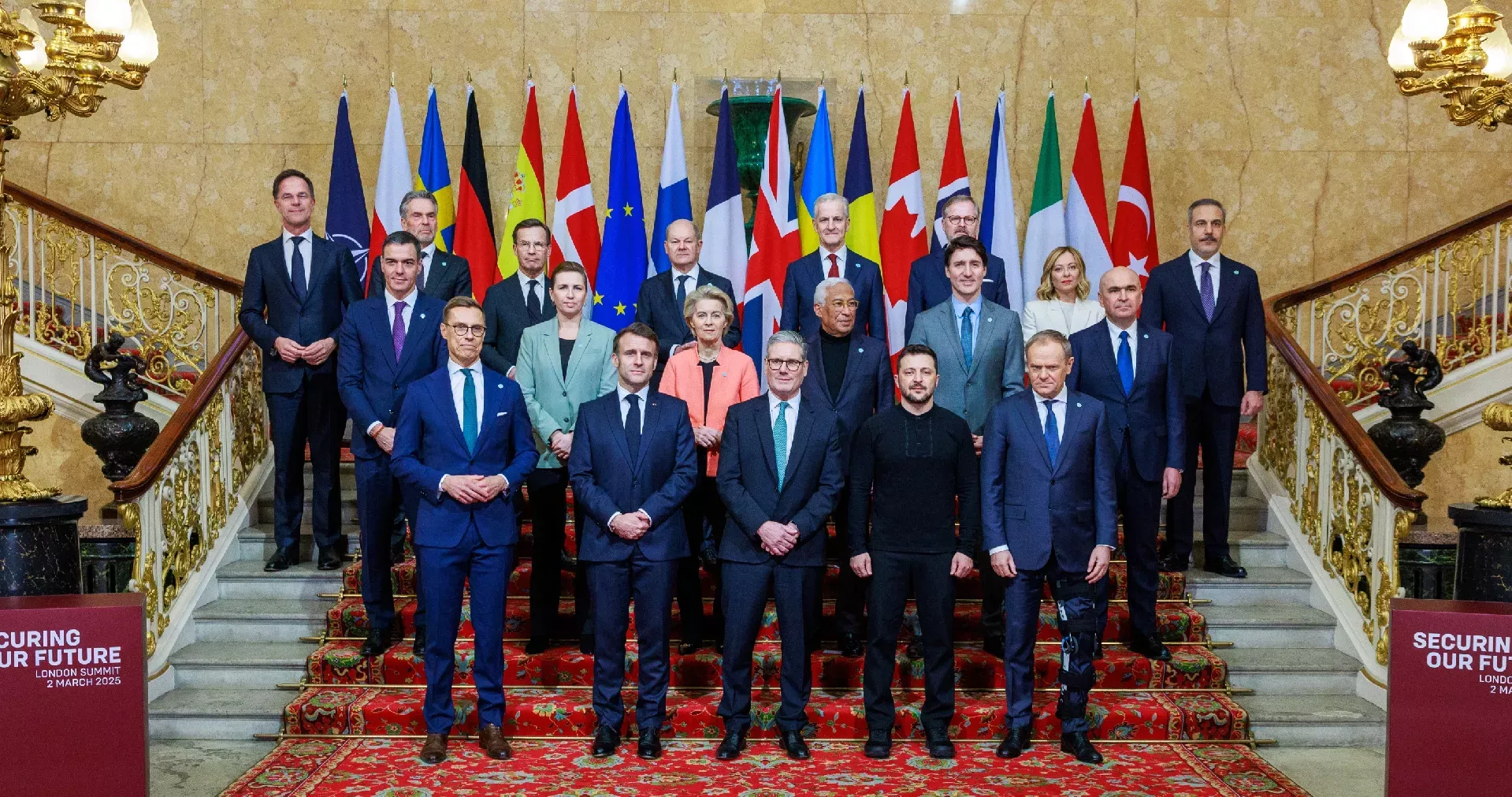
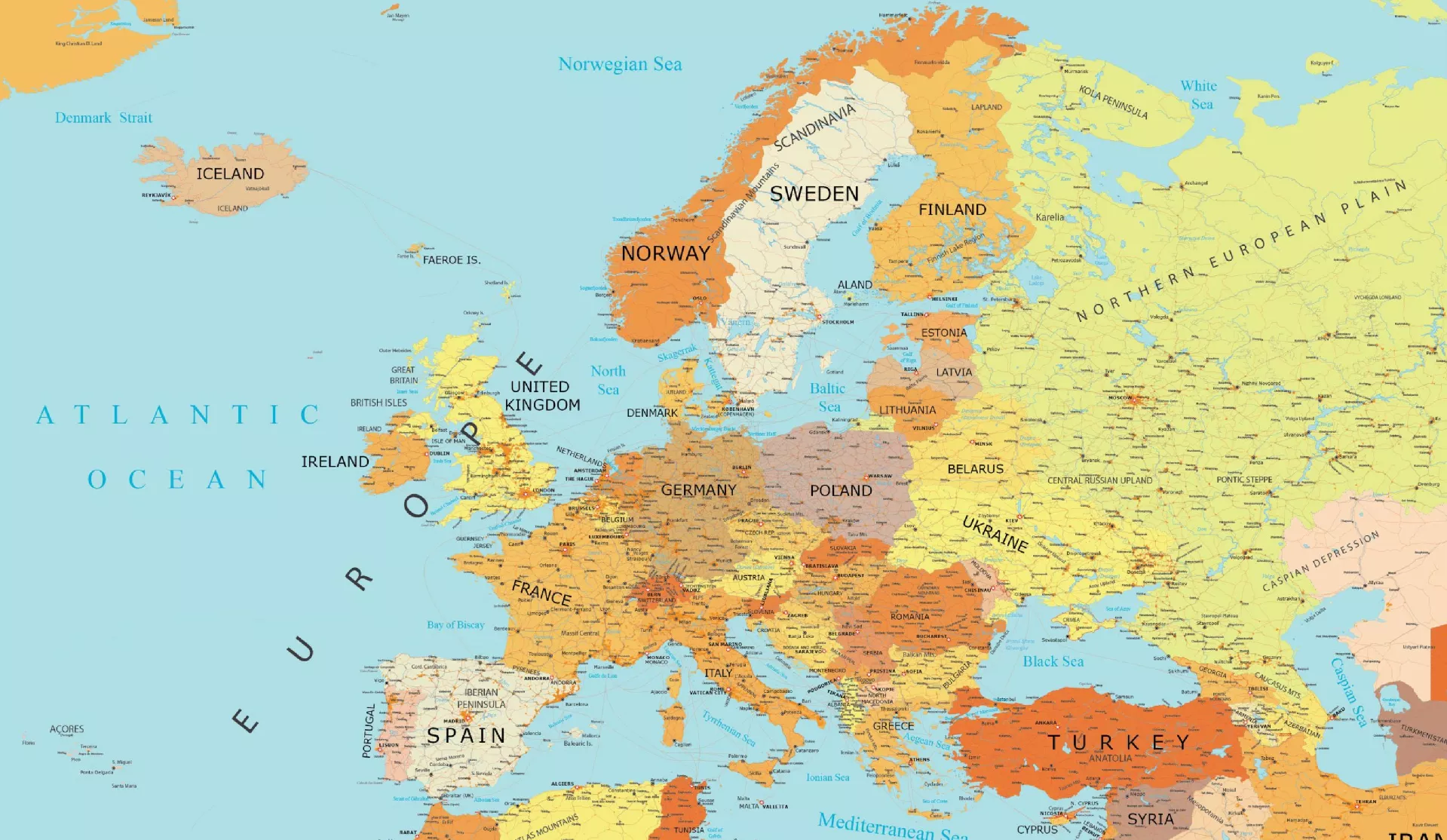
The Turkish Foreign Minister Hakan Fidan was also present at the mentioned summit, because London knows Turkey's importance. If we were to ignore all of Turkey's other characteristics and just look at a geographical map, we would see that the country borders all major hotspots in Europe and on its borders. From the Middle East (Iraq, Syria, Iran), through the Caucasus, the Black Sea (the war between Russia and Ukraine), to the Balkans, Turkey's borders extend, and its interests and spheres of influence extend much further.
Can Europe do without Turkey?
"It is unthinkable to establish European security without Turkey," stated Turkish President Recep Tayyip Erdogan shortly after the mentioned summit. Without Turkey, it is impossible for "Europe to continue its role as a global actor," he added. "Given that the security parameters have changed due to recent events, it is impossible to ensure European security without Turkey," Erdogan said, alluding to Washington-Moscow relations in the context of Ukraine.
A few days later, Polish Prime Minister Donald Tusk visited Erdogan. The topic of the meeting was security. "If the European Union wants to prevent or even reverse its loss of power and influence, it can only achieve this through Turkey's full membership. We consistently emphasize that full membership in the European Union remains our strategic goal. We often discuss with our colleagues our desire to advance cooperation with the European Union based on mutual benefit and respect," Erdogan said at a joint press conference with Tusk.
Tusk's visit was a perfect opportunity for Erdogan to say the aforementioned, as Brussels has kept Ankara at bay from EU membership for decades. Namely, Poland and Turkey have a tradition of friendly relations, and bright episodes can be found centuries back, even when the predominantly Muslim Ottoman Empire was an enemy of European Christian states. These ties continued when modern Turkey was founded, and Poland was the first European country to recognize its independence in 1923. Good relations were extended with Poland's accession to NATO.
NATO itself is proof that cooperation with Turkey is possible on numerous issues. A recent example is Ukraine. Turkey supports Ukraine's territorial integrity and sells weapons to this country, while maintaining good relations with the Kremlin, refusing to impose sanctions on Russia. Turkey has been a mediator since the first days of the aggression against Ukraine and has offered its services.
Tusk, given that Poland sees Russia as the greatest threat, was likely interested in Turkey's position regarding Eastern Europe. Many believe that these two European powers could become a significant pillar for the new European security architecture, even without the United States and Russia. This is not accidental, as both share a border with Russia and have strong armed forces. In Turkey's case, it is the second largest army in NATO in terms of numbers and one of the few with combat experience.
What can Turkey offer Europe?
Europeans' intention to play a greater role on the world stage encounters obstacles in its initial steps. The objective weaknesses of the European Union are well-known, and some of them can be mitigated if an agreement with Turkey is reached. This is particularly evident when it comes to security, as Turkey is a military power and its defense industry is growing rapidly. This is, for example, Europe's biggest concern when discussing relations with Russia and how to help Ukraine. Turkey has even said it is ready to send peacekeeping forces to Ukraine.
In other crisis hotspots on the borders of the European Union and Europe, Turkey is an important factor even without Brussels. With the fall of Bashar al-Assad in Syria, Turkey has increased its influence in the Middle East. The regime in Damascus is an important card in Turkey's hands. Through Syria, Turkish influence has reached the borders of Lebanon and Israel. In addition, the Middle East is an area from which millions of migrants come to Europe.
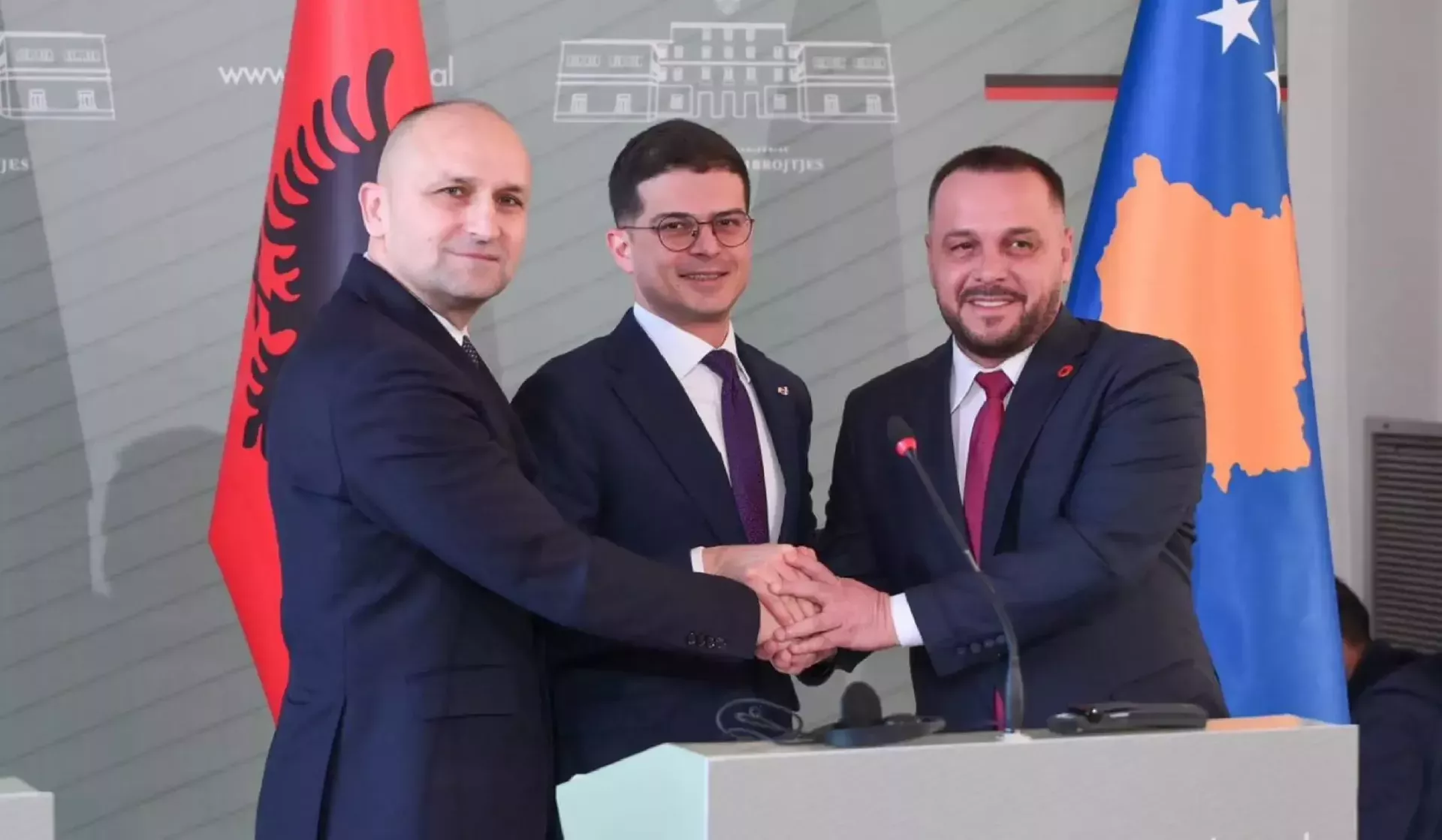
Turkey could also help the European Union in the Balkans, with which Brussels has struggled to deal properly for decades. Crises that erupt here, often instigated by official Belgrade, show that Brussels has no way to thwart them, but acts as a firefighter. It should be noted that after the conflict in Banjska, when some European armies performed poorly, it was Turkey that worked on stabilization, strengthened Kosovo's security forces, and sent its troops to Pristina.
Turkey has a military base in Albania, troops in Bosnia and Herzegovina, and good relations with Serbia, Montenegro, and Croatia. Some European politicians have shown that they do not understand the Balkans, so the hardest part of the job has often fallen on American, British, and Turkish diplomatic and other offensives.
However, open issues in the relations between European countries and Ankara have so far posed a problem. When it comes to security, it is the issue of Cyprus, and in parallel, it is what is categorized in the West as the rule of law. Brussels has been criticizing Turkey for these issues for decades.
Turkey cannot resolve these issues overnight, even if it intended to meet all of Brussels' demands, so the question is whether the European side is ready for realpolitik, which Ankara, Washington, Moscow, and other important actors resort to when necessary. European idealpolitik must be pushed into the background if Brussels wants to be an important player on the international stage.
Geopolitics of Europe and the Middle East
The absurdity of such an approach is that Turkey has the most problems with left-wing leaders in Europe, while it has better relations with those from the right. Let's mention the Polish or Hungarian right-wingers. The right, which speaks of "Christian Europe," has managed to find common ground with Turkey in many areas in recent years, while those who advocate for open societies have not succeeded.
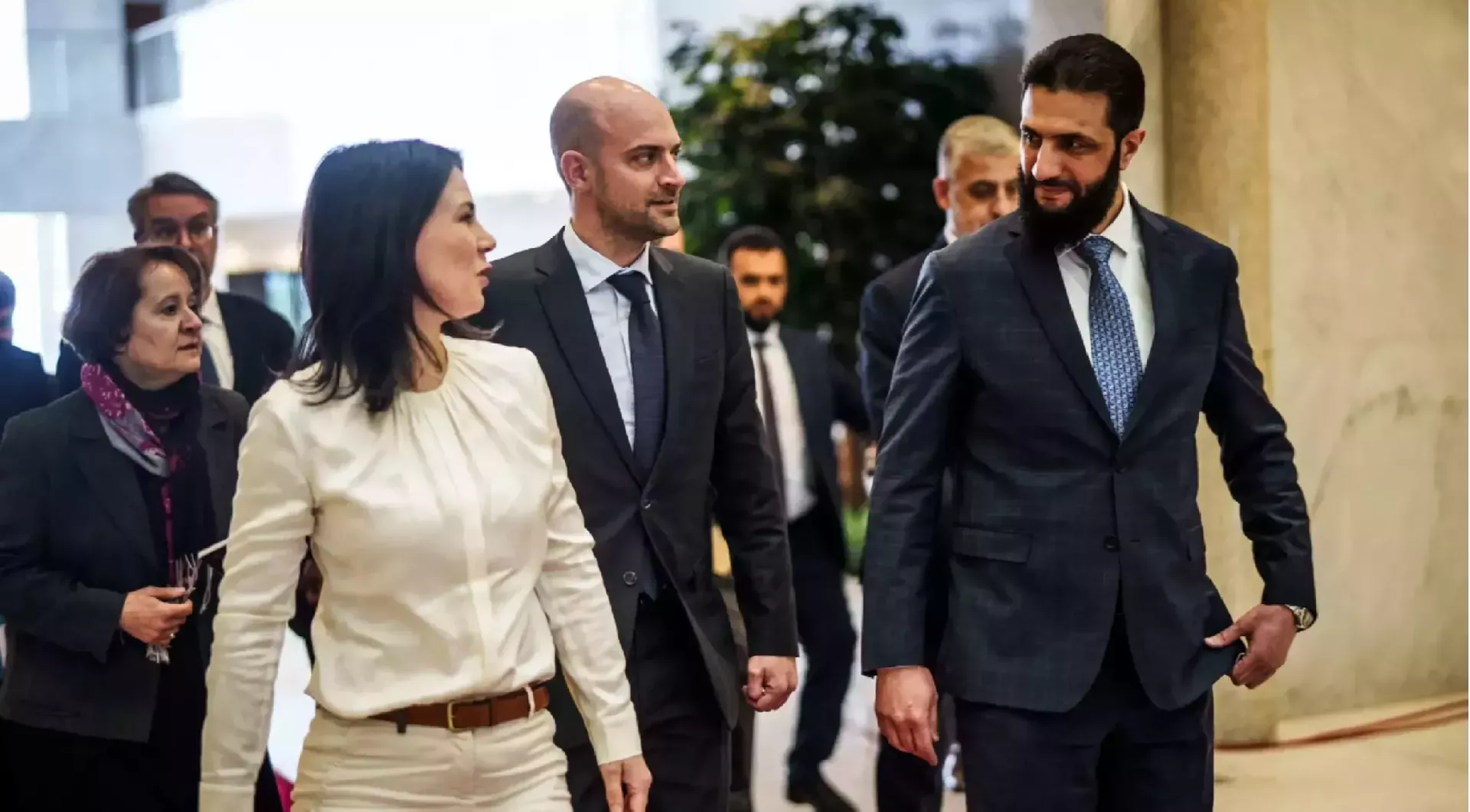
Although it is clear that the mentioned right-wing and left-wing parties are increasingly less so in essence, it seems that realpolitik is lacking in the European left. The case of Syria mentioned above shows that European governments are learning to resort to such an approach. Ahmed al-Sharaa, a former member of ISIL and Al-Qaeda, has become a partner to Brussels, which recently promised him the lifting of sanctions on Syria and billions of dollars in aid.
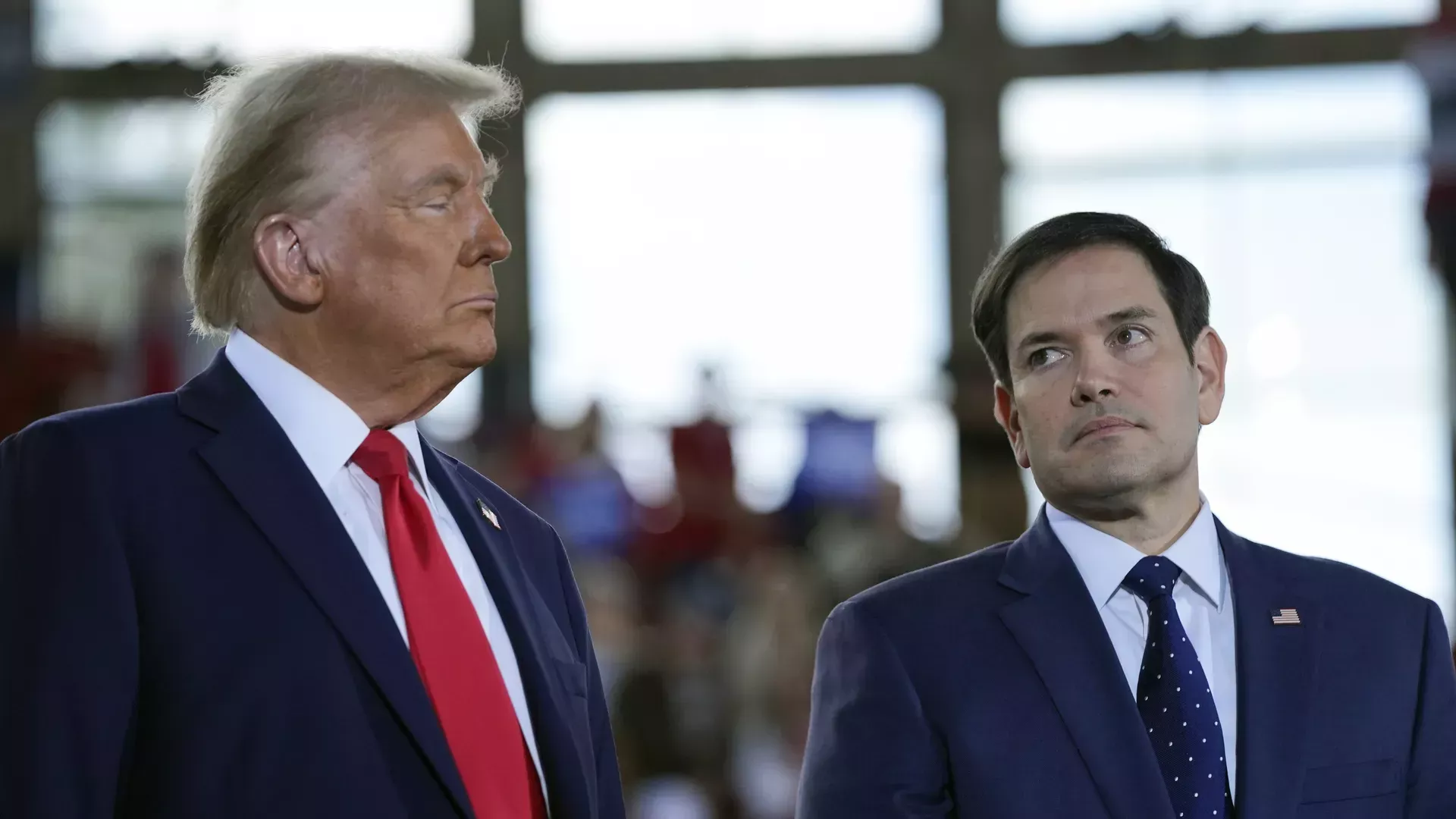
How the European Union will position itself towards Turkey will be known soon, as important geopolitical shifts are happening before our eyes. Until then, Ankara will not sit idly by. Erdogan can present a similar offer to Trump, and even to Vladimir Putin. The issues that interest Trump are in Turkey's backyard – Israel and Iran, and Washington can help Erdogan with the issue of Kurds in Syria and Iraq. In addition, Erdogan and Trump, according to their words, have a good relationship.
Trump's demand for allies to spend more on defense is important for Europe's future. Strengthening NATO or relying on European capabilities is an important question for Turkey. In both cases, Turkey has opportunities to maximize its gains by being a military power in an important part of the world.
The complicated decision-making system in Brussels and the particular interests of member states hinder action. But if European powers mobilize and try to achieve what they desire, Turkey becomes an important address. Competing with the United States, China, and Russia is a huge task in itself, and if they also had Turkey, or other European powers, against them, then it sounds like an impossible mission.
Komentari (0)
Prijavite se za komentiranje
PrijavaJos nema komentara. Budite prvi!
Minuta
Sve →Iz drugih kategorija

High Representative Not Elected: Germans, French and British Against Americans, New Attempt at End of June

ČOVIĆ WITHOUT MERCY: How Those Who Brought Ademović to Office Created a Political Hell for Him



Sunny Saturday, quite warm



Tragedy in Albanian resort: Two minors drown












