
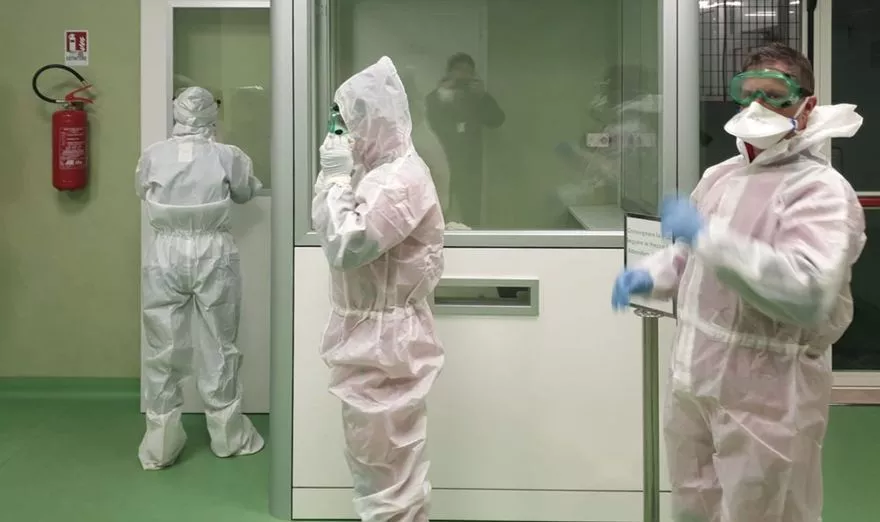
(Patria) - Dutch Erasmus University Medical Center and Utrecht University have found an antibody against COVID-19. A scientific publication by ten scientists is ready for evaluation by the leading journal Nature. They claim that the antibody is already there, on the 10th floor of the Erasmus Medical Center – an antibody capable of stopping SARS1 and SARS2 infections. In other words, the first antibody against coronavirus.
This group published an article on the website BioRxiv, where biologists publish the results of their research, on Thursday evening about an antibody for SARS2, the coronavirus that caused the COVID-19 pandemic. This antibody can help detect and prevent this type of corona infection.
The antibody still needs to be tested on humans (which will take several months), and the published article also needs to undergo evaluation before publication in the journal Nature. A member of this expert team, Professor of Cell Biology Frank Grosveld (71), explains how this major discovery came about:
- We isolated the antibody even before this pandemic, and it cross-reacted with different coronaviruses. The antibody prevents the virus from infecting, and also helps detect the virus, emphasizes Grosveld, further explaining how the unique discovery came about: 'About 15 years ago, I started a hobby project to see if we could create human antibodies (proteins produced in response to antigens such as viruses, etc.) in mice. We succeeded in this, which led us to establish the Erasmus Medical Center. We now have branches in Shanghai, Boston, and Rotterdam, where the research branch is located. We joined the European ZAPI project with the aim of developing antibodies against MERS, SARS, and another Hong Kong virus (OC-43). While working on the project, we found antibodies that cross-reacted with these three viruses and prevented them from infecting.'
Grosveld explains that these three viruses were suppressed, but we are now facing a different coronavirus.
- We kept unused antibodies from a previous study in the refrigerator that did not react with all three mutations, but did react with SARS1. When the current crisis – SARS2 – occurred, we immediately tested whether antibodies that reacted with SARS1 would respond to SARS2. That's how we found the antibody we published an article about.
Professor Grosveld reveals the next steps regarding the valuable discovery:
- We are now trying to arrange cooperation with a pharmaceutical company that can produce the antibody as a drug. Before being released to the market, the antibody must go through a long development phase and be tested for toxicological properties, which is currently underway. In addition to the drug, we want to develop a diagnostic test for home use.
When asked if this discovery is the real solution for the coronavirus, Professor Grosveld explains that it is expected (he emphasizes "expected") that the drug would stop the infection and give the patient a chance to recover. He emphasizes that prevention is better than cure: 'the real solution is a vaccine, and others are working on that. However, vaccine development can easily take two years. Our drug, if it works as it should, could be available much sooner. But its development is much more expensive.'
- A vaccine usually consists of a protein from the virus or a destroyed virus. If you put a small amount of it into humans or animals, it will create antibodies against the virus. This creates so-called memory cells that remember what they have seen. If the virus tries to enter the body, these memory cells will react quickly against the virus. The antibody acts like a drug, but the patient cannot produce antibodies on their own. If you administer the drug, it will last for two weeks – enough for recovery, but probably not to permanently ward off the virus. It is better if the patient develops their own immunity, explains the professor while waiting for approval from the journal Nature.
When asked if he expects the discovery to make him rich, he laughed and explained that this discovery 'is not exactly a business move.'
- There is a chance that the virus will disappear in a month or two. In that case, as a pharmaceutical company, you have spent millions for nothing – and only pharmaceutical companies can bear such high risks. Similar panic occurred when SARS1 and MERS appeared. By the time they developed vaccines and antibodies, the viruses had disappeared, claims Professor Frank Grosveld from the Dutch Erasmus University Medical Center.
Komentari (0)
Prijavite se za komentiranje
PrijavaJos nema komentara. Budite prvi!
Minuta
Sve →Iz drugih kategorija

High Representative Not Elected: Germans, French and British Against Americans, New Attempt at End of June

ČOVIĆ WITHOUT MERCY: How Those Who Brought Ademović to Office Created a Political Hell for Him



Sunny Saturday, quite warm



Tragedy in Albanian resort: Two minors drown












