
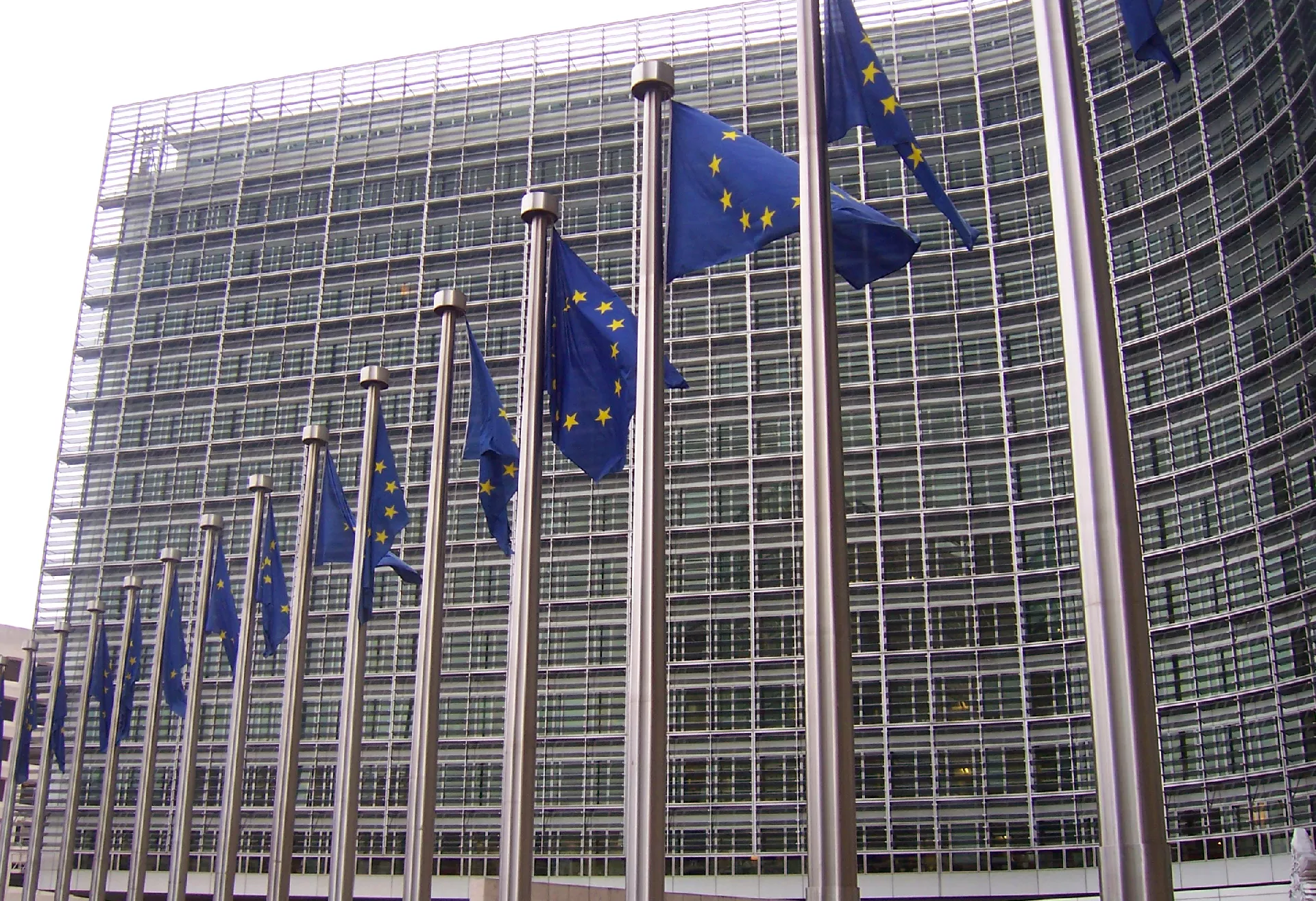
(Patria) - The European elections are the prelude to a new chapter for the European Union. The question being asked is how far to the right Europe will go after these elections, especially since right-wing currents are strong in France, Italy, Hungary, and Germany.
Newly elected Members of the European Parliament will make a series of key decisions about who will head EU institutions and will continue Parliament's work on adopting laws and overseeing the work of the European Commission and other EU bodies. The European Parliament is the only transnational institution in the world whose representatives are directly elected by citizens. Members of the European Parliament protect the interests of EU citizens at the European level.
The Parliament approves the EU budget and oversees its spending.
The first plenary session of the new European Parliament term will be held from July 16 to 19 in Strasbourg.
Before this session, the newly elected Members will form political groups based on common political ideas.
At the first plenary session, Parliament elects its new President, Vice-Presidents, and Quaestors, and decides on the number of Members in each parliamentary committee.
Members later vote on the election of the new President of the European Commission. After that, they assess candidates for Commissioners in public hearings. Parliament must approve the new Commission in a plenary session before it can begin its work.
In the meantime, Members continue to scrutinize and supplement legislative proposals, oversee the work of other EU institutions, and debate various topics.
EU Member States must inform the European Parliament of the names of their newly elected Members.
These Members must confirm in writing, before taking office, that they do not hold a position that prevents them from serving as a Member of the European Parliament. The Parliament's Legal Affairs Committee then verifies their declarations.
Election results are expected at 11 PM.
More polling stations have been opened in BiH, and 100,000 voters are registered for the EU elections. These are BiH citizens who also hold Croatian citizenship, and Croatian citizens who found themselves in BiH territory.
Due to the blockade by ministers from Republika Srpska, the Council of Ministers of BiH did not enable voting for citizens of Slovenia, Romania, and Poland.
Komentari (0)
Prijavite se za komentiranje
PrijavaJos nema komentara. Budite prvi!
Minuta
Sve →Iz drugih kategorija

High Representative Not Elected: Germans, French and British Sabotaged Americans, New Attempt at End of June

ČOVIĆ WITHOUT MERCY: How Those Who Brought Ademović to Office Created a Political Hell for Him



Sunny Saturday, quite warm



Tragedy in Albanian resort: Two minors drown












