
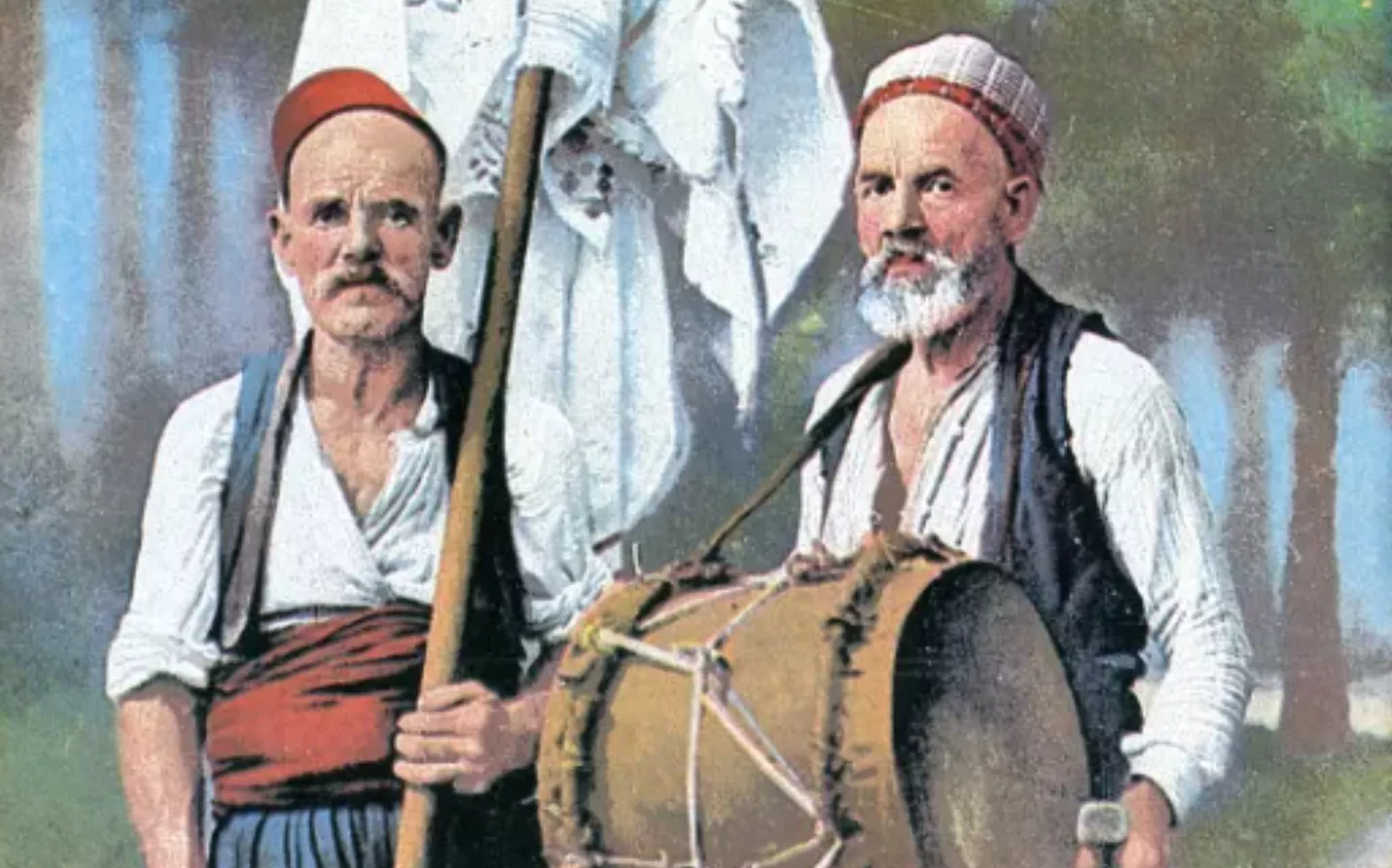
(Patria) - The two Muslim Eid holidays hold a special place in the Islamic tradition of Bosniaks and are an inseparable part of the identity of Muslims in these regions.
The ways of celebrating them in the past resulted in a rich spectrum of customs that we can be very proud of.
Eid cannons, town criers, drummers, Eid suits and fezzes, gifting children, kissing the hands of elders, Eid tables, visiting graves, are just some of the numerous customs.
These customs are deeply rooted in our tradition and, as such, are faithful testimonies that Eid holidays are not just days off, days without work, empty and free from daily obligations, but periods filled with deep meaning and significance for the people here.
One of the customs deeply rooted in our tradition is the announcement and proclamation of Eid through cannons, drums, cymbals, flags, and the recitation of takbirs.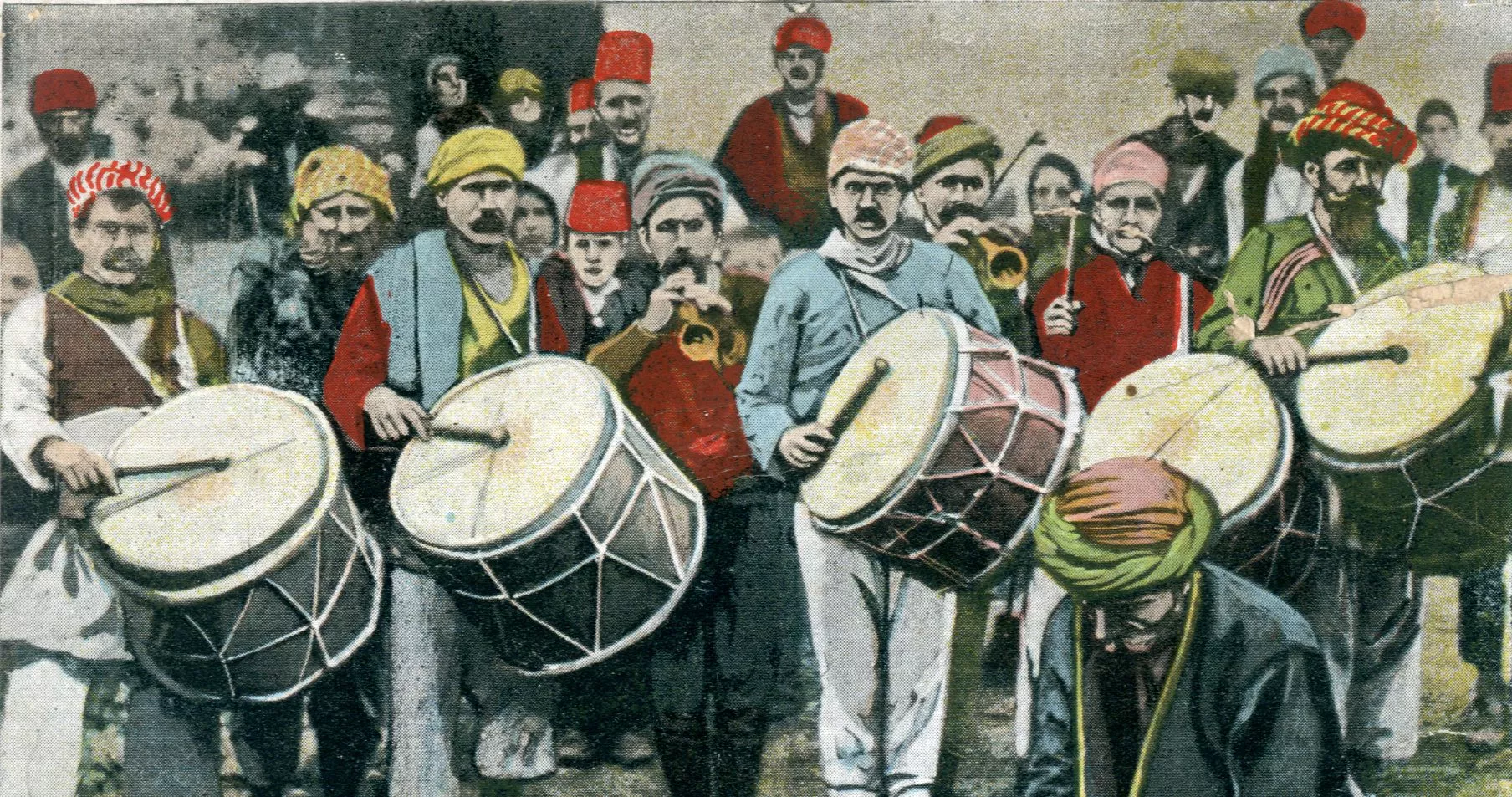
This tradition was recorded in Bosnia and Herzegovina during the Ottoman era when qadis, i.e., sharia courts, issued special decrees regulating the celebration of Eid.
As an example, we can cite an undated decree from the Sharia Court in Zvornik, addressed to the dizdar-aga of the Zvornik fortress, ordering him to announce the arrival of the first day of Ramadan Eid by firing cannons on Wednesday after the afternoon prayer.
Or a decree from the Sarajevo qadi from 1819, ordering the dizdar and the deputy chief cannon master of the Sarajevo fortress to fire three shots from a baljemez cannon (larger caliber cannons) tomorrow, Wednesday, after the afternoon prayer to announce the arrival of Kurban Eid.
And one shot when the time for Eid prayer arrives, followed by five from the baljemez and 10 from the shahi cannons (cannons of a slightly smaller caliber than the baljemez cannon) after the prayer.
It is further ordered that the cannon master fire three shots from the baljemez and two from the shahi cannon after the morning, noon, and afternoon prayers throughout Eid.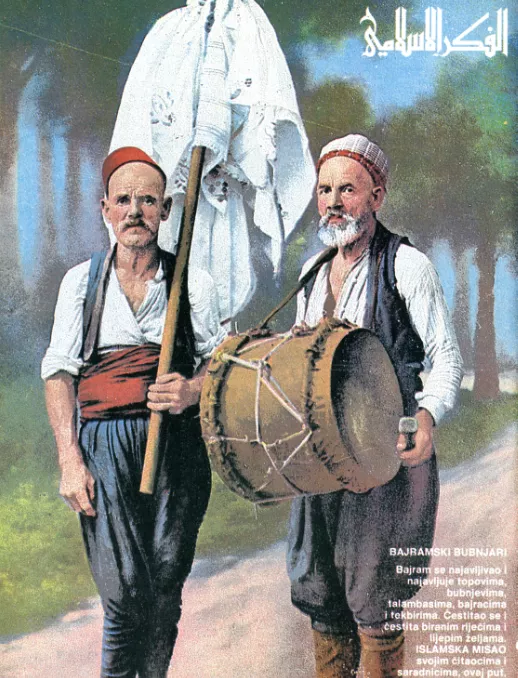
Between 1828 and 1833, in the Bihać kadiлук alone, 250 oka of black powder were used for the purpose of announcing Eid celebrations (Osman Lavić, "Ramadan Eid in Bosniak Tradition", Preporod, July 15, 2015).
Therefore, after performing the afternoon prayer on the last day of Ramadan, the Muslims of these regions announced the end of the fasting month and the arrival of Shawwal, i.e., the coming of Ramadan Eid, by firing cannons from the city ramparts.
In a text describing the Ramadan customs of the Seoničani Muslims, Hifzija Hasandedić notes that in this place, the cannon was also fired after the Eid prayer, and on that occasion, "everyone who had any firearm loaded it that morning and fired it" (Osvit, Sarajevo, 1942, I, no. 33, p. 18).
The use of firearms to express special joy, happiness, and satisfaction during Eid days was also recorded by the Sarajevo chronicler Mula Mustafa Bašeskija, who noted an interesting incident in his Chronicle: "On the 9th of Dhu al-Hijjah 1186 (March 1, 1773), on the occasion of the Kurban Eid celebration, a boy fired a rifle from a window and wounded the wife of calligrapher Ahmed, the imam from Atmejdan, in the back.
This woman was good and noble, so she declared that she would submit to fate and would not press charges but would be patient."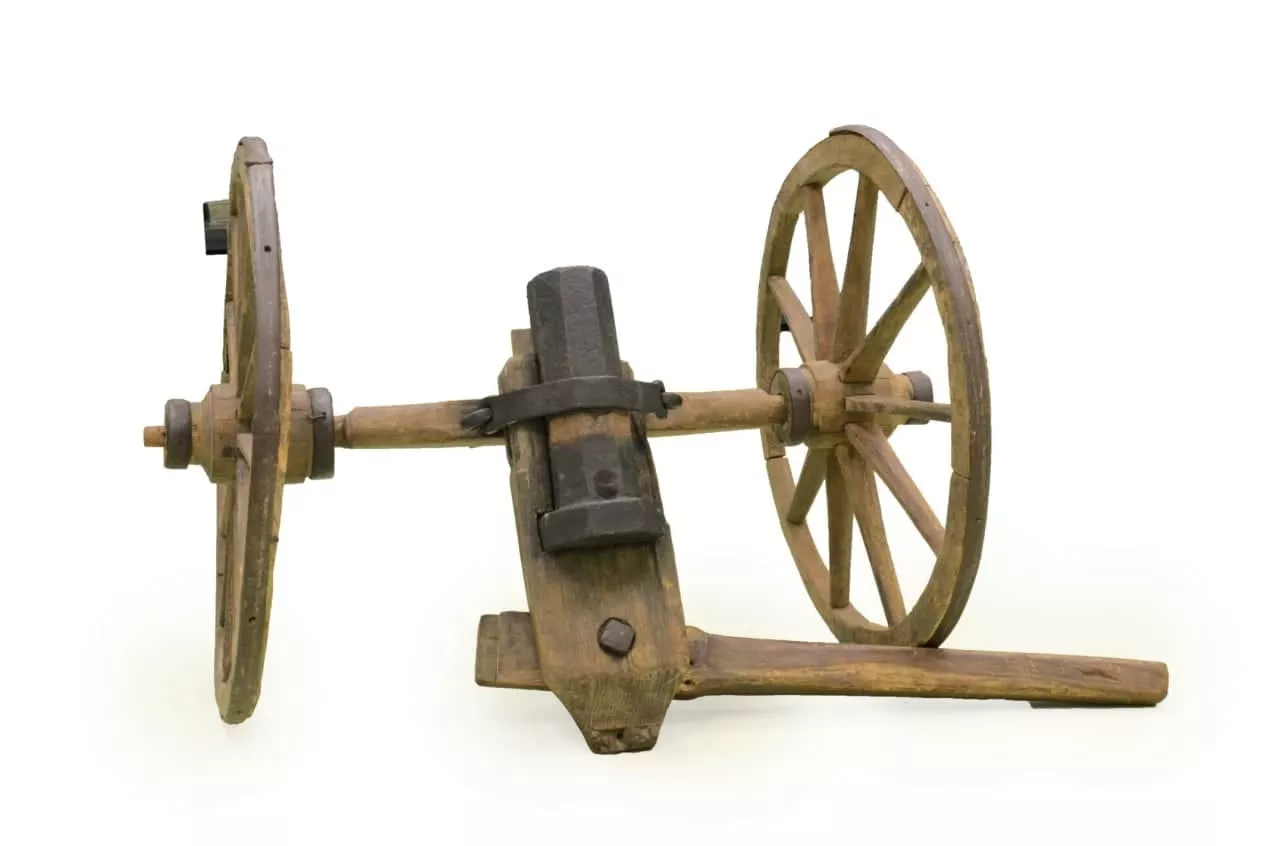
Cannon - used to mark the beginning and end of fasting during the month of Ramadan and during the celebration of both Eids, 19th century, from the museum collection of the Gazi Husrev-beg Library.
In addition to announcing the arrival of Eid by firing cannons, it was customary in these regions for Ramadan drummers, after performing the Eid prayer, accompanied by a procession of children, to once again tour our neighborhoods, courtyards, and alleys, but not this time to wake people for suhur, as they did during the past month of Ramadan, but to collect payment for their Ramadan efforts.
And so, the drummer, according to Hasandedić, "went from house to house, drumming enthusiastically, and the most diligent among the children carried the flag in front of him. Everyone gifted the drummer, some with money, some with food, and some even with an embroidered scarf," and when he came to a house where there was a girl to be married, he would stop and sing loudly:
Come, girls, hurry
Decorate my flag
Whoever gives me a coin
May God grant her marriage
Whoever gives a scarf too
I find no fault with her.
The announcement and proclamation of the beginning and end of Eid days by firing cannons are also recorded in folk proverbs, one of which states, "the cannon fired, Eid passed."
This proverb likely originated from a time when cannon shots on the third day of Ramadan Eid and the fourth day of Kurban Eid after the afternoon prayer announced the end of the Eid holidays, and thus the farewell to something dear and beloved.
The tradition of announcing Eid by firing cannons faded in most places at the end of World War II, but, thank God, it was revived in the 1990s, and cannons in a significant number of our cities now announce iftar time and the arrival of Eid.
The author of the text is MA Meho Manjgo, librarian/archivist processing special collections at the Gazi Husrev-beg Library in Sarajevo.
Komentari (0)
Prijavite se za komentiranje
PrijavaJos nema komentara. Budite prvi!
Minuta
Sve →Iz drugih kategorija

High Representative Not Elected: Germans, French and British Sabotaged Americans, New Attempt at End of June

ČOVIĆ WITHOUT MERCY: How Those Who Brought Ademović to Office Created a Political Hell for Him



Sunny Saturday, quite warm



Tragedy in Albanian resort: Two minors drown












