
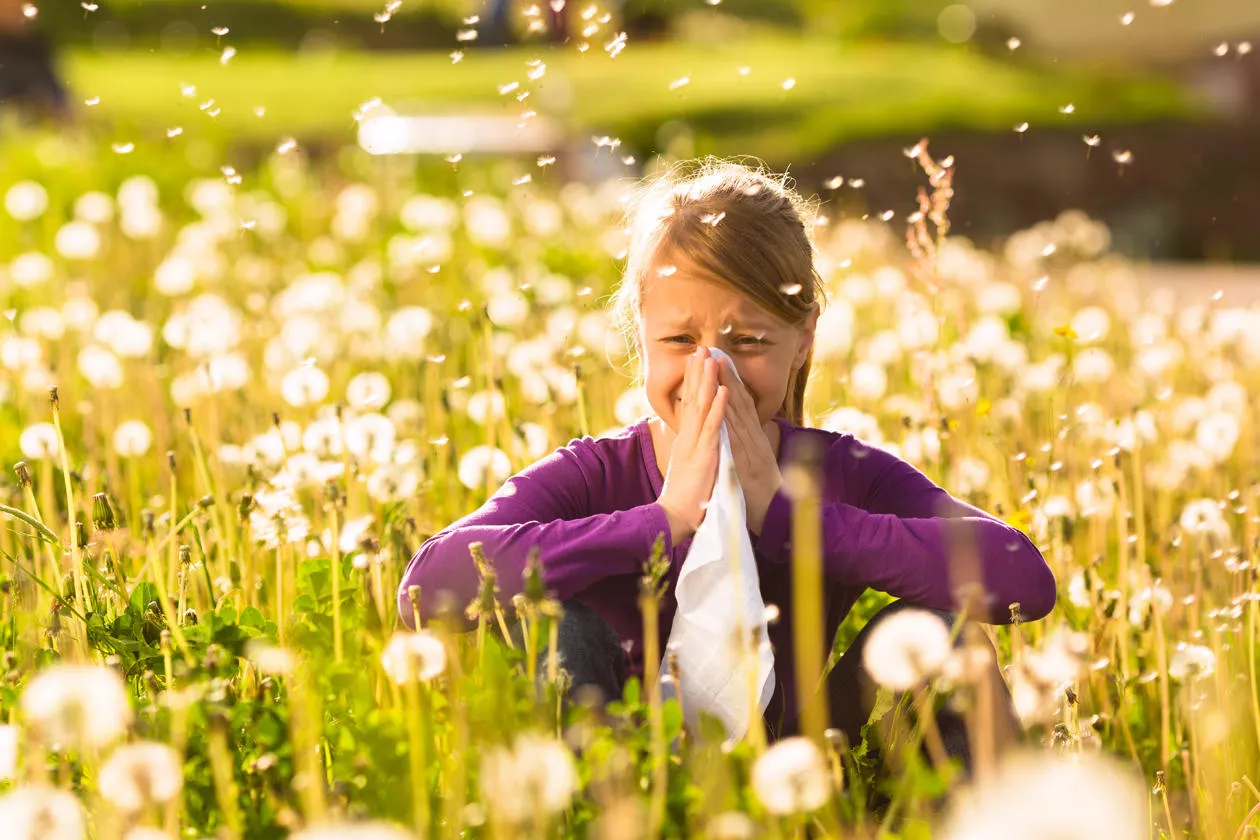
SARAJEVO, (Patria) - Comparing the results of pollen measurements in the air with 2021, it can be concluded that hazel pollination started a week earlier, with the first hazel pollen grains recorded in daily samples during January and throughout February.
"Seven daily samples with very high pollen concentrations in the air, exceeding 1,500 pollen grains per cubic meter of air, and seven daily samples with high concentrations of over 91 pollen grains per cubic meter of air were recorded in the period from January 31 to the end of February," the Institute for Health and Food Safety Zenica (INZ) announced.
The Institute notes that allergy symptoms to pollen occur in most allergic individuals already at concentrations above 90 pollen grains per cubic meter of air.
These data indicate that climate change significantly affects the onset of the first pollen grains in the air, as well as the pollen concentration itself, which is why it will be important to continue researching and comparing the obtained results.
Results of an American study
A new study published by the University of Michigan (USA) in mid-March in the journal "Nature Communications" revealed that the pollen allergy season could start up to 40 days earlier and last 19 days longer by 2100 due to climate change.
This would increase annual pollen emissions in the USA by up to 40 percent, according to scientists who worked on the research.
Scientists involved in the study state that pollen changes will vary depending on the plant species and location where a person lives. However, this study predicts that the timing of different plant pollens could create new overlaps, leading to higher pollen concentrations, INZ says.
Rising temperatures, precipitation, and the amount of carbon dioxide in the Earth's atmosphere can affect plant pollen emissions. Generally speaking, carbon dioxide acts as a fertilizer for plants, making them grow faster or larger, and the fertilization effect can mean that a plant produces more pollen.
The Institute adds that information from this study complements trends from past research showing that pollen seasons have been lengthening over the past few decades with more pollen. Longer and more intense pollen seasons worsen "pollen allergic rhinitis" (hay fever) and asthma.
Komentari (0)
Prijavite se za komentiranje
PrijavaJos nema komentara. Budite prvi!
Minuta
Sve →Iz drugih kategorija

High Representative Not Elected: Germans, French and British Sabotaged Americans, New Attempt at End of June

ČOVIĆ WITHOUT MERCY: How Those Who Brought Ademović to Office Created a Political Hell for Him



Sunny Saturday, quite warm



Tragedy in Albanian resort: Two minors drown












