
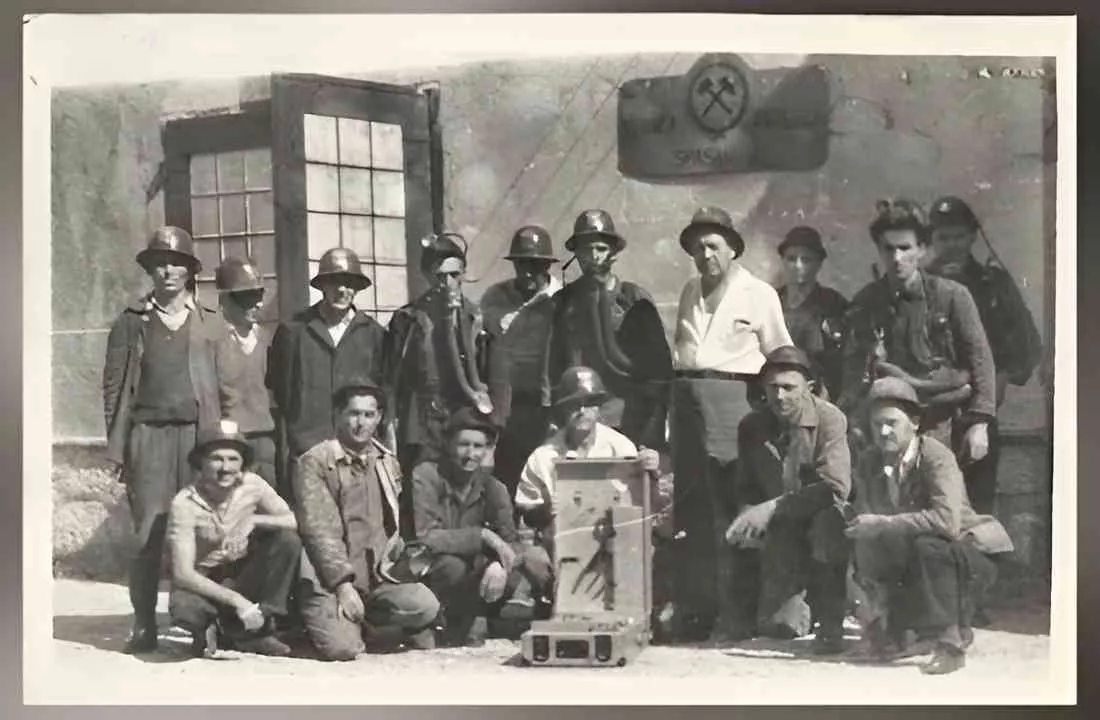
(Patria) - The Husinska buna, which took place at the end of 1920, is one of the most important events of the workers' movement in Bosnia and Herzegovina and beyond.
This rebellion of miners from the Tuzla basin became a symbol of the struggle for workers' dignity and rights in the difficult post-war conditions in the Kingdom of Serbs, Croats and Slovenes.
Background of the events
After World War I, the coal mines in the Tuzla basin, crucial for the Kingdom's economy, were in poor condition. Workers toiled in inhumane conditions for low wages that were insufficient even for basic necessities. Despite the already difficult situation, the mine management decided to cut miners' wages and introduce additional working hours.
This decision was the last straw. The miners, led by trade unionists and supported by the Communist Party, decided to go on strike. Their key demands were the restoration of wages to the previous level, improvement of working conditions, and recognition of the right to organize.
Course of the rebellion
The strike began on December 21, 1920, in Husino, a small mining settlement near Tuzla, but it soon spread to other mines in the vicinity, including Kreka, Lipnica, and Bukinje. Thousands of miners and their family members joined the rebellion, demanding social justice and fairer treatment.
The authorities' reaction was extremely repressive. The royal government sent gendarmes and the army to suppress the strike. Escalation followed on December 28, when gendarmes opened fire on the gathered miners in Husino. In this clash, seven miners were killed, while dozens were wounded or arrested.
The persecution of miners that followed the bloody suppression of the Husinska buna was a criminal campaign against hundreds of workers and their family members, while the leaders of the rebellion were eventually sentenced to prison terms.
Consequences and significance
Although the rebellion was brutally suppressed, its significance remained lasting. The Husinska buna became a symbol of workers' resistance to exploitation and injustice. The tragedy of the Husino miners caused a wave of solidarity across the country and the world, drawing attention to the difficult plight of workers in the Kingdom of SHS.
The leaders of the rebellion, including Alija Alijagić and other prominent trade unionists, were later sentenced to several years in prison. Their struggle, however, was not in vain – the Husinska buna inspired future workers' movements and contributed to raising awareness of workers' rights.
Husinska buna today
Today, the Husinska buna holds a special place in the collective memory of Bosnia and Herzegovina. Every year, mining communities and trade unions commemorate this event as a reminder of the miners' courage and the importance of the struggle for social justice. Monuments dedicated to the victims of the rebellion stand as lasting symbols of their sacrifice and struggle.
Even today, just as more than a hundred years ago, miners are in a difficult position and in a constant struggle with the authorities for their rights.
Komentari (0)
Prijavite se za komentiranje
PrijavaJos nema komentara. Budite prvi!
Minuta
Sve →Iz drugih kategorija

High Representative Not Elected: Germans, French and British Sabotaged Americans, New Attempt at End of June

ČOVIĆ WITHOUT MERCY: How Those Who Brought Ademović to Office Created a Political Hell for Him



Sunny Saturday, quite warm



Tragedy in Albanian resort: Two minors drown












