
By: Muharem Cero
Decades of neglect in resolving the status of public goods in Bosnia and Herzegovina, a careless attitude towards filing constitutional appeals for, at the time, individual attempts to reduce ownership of public goods to sub-state administrative arrangements, entities, and no less cantons, created sufficient space for a unilateral attempt to change the constitutional-legal character of Dayton BiH.
In the smoke of preserving the paradigm of national political organization, equally important for all entrenched political oligarchies, the agenda of a composite state skillfully crept in. Conceived in the academic salons of neighboring countries, it received its implementation plan and moved into the political agendas of its BiH branches.
No less promptly, thoroughly, and competently was the verification of the constitutionality of the agreement on the so-called parallel special relations of the BiH entity RS with, first, FR Yugoslavia (Agreement from 2001), as well as with its successor Serbia (Agreement from 2006).
At the same time, those so-called Bosnian-pro-Bosnian structures, upon coming into executive power (equally SDA-affiliated ones with their coalition partners, as well as those recognized by leftist-civic coalitions), accepted this agenda, all for the sake of frequent unconstitutional use of state property and public goods on the territory they considered 'theirs'.
The introduction to the ongoing constitutional crisis was the act of passing judgments of the Constitutional Court on agricultural land, and then on forests and forest land.
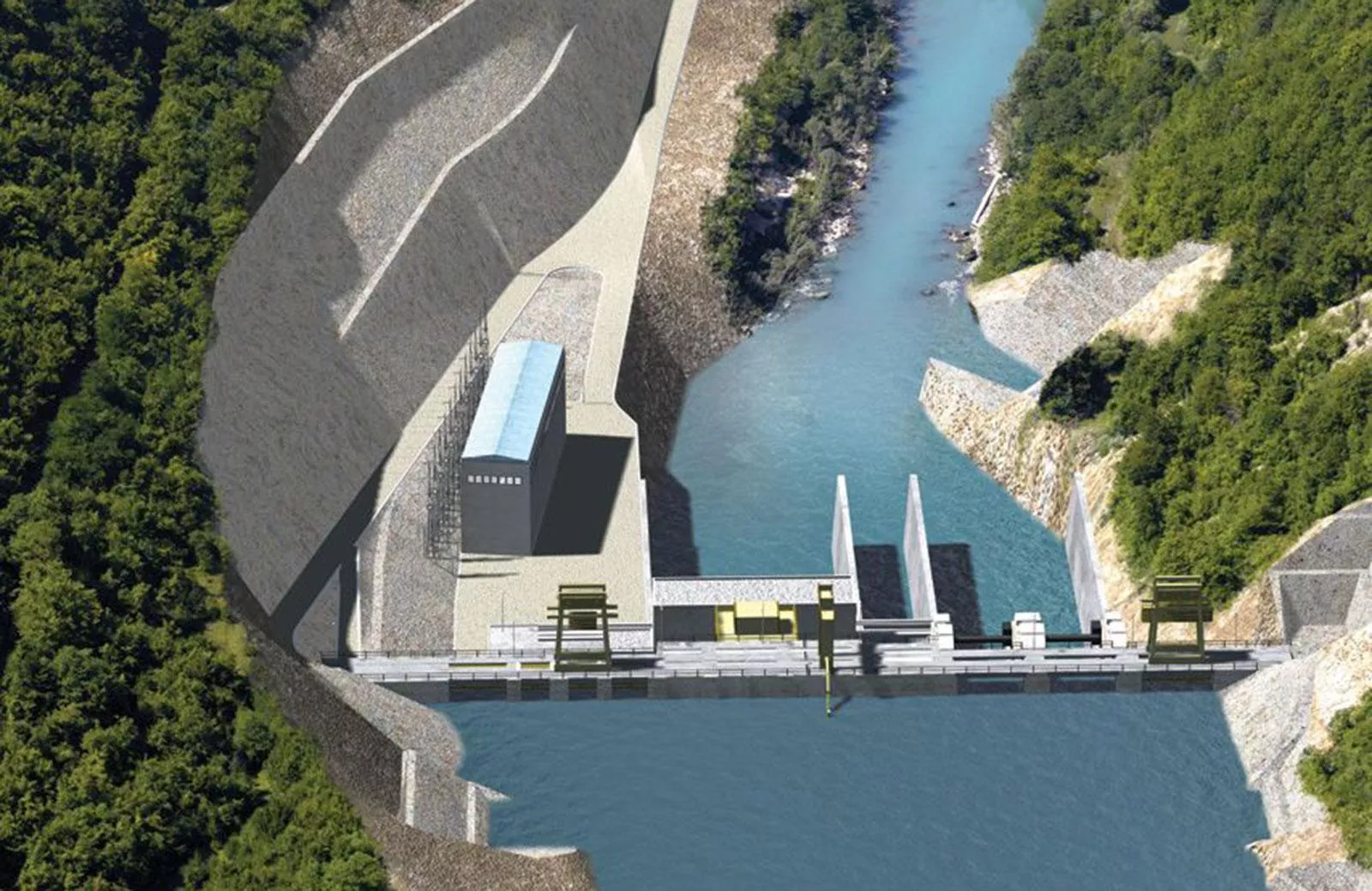
Accustomed to strategically pulling active political moves, the Greater Serbian political agenda, precisely on the basis of the accustomed political inertia of political rivals, and with the intention of certifying the agenda of a composite state, embarked on the project of mastering the hydro potential of the BiH river Drina, along with a similar project for the construction of Trebinje Airport.
Both of these projects aimed to extort constitutional solutions for the ethno-territorial distribution of public goods in BiH. More through the influence of the media and the awakened reaction of public opinion, the filing of constitutional appeals to the Constitutional Court of BiH to thwart these projects was almost forced.
Regardless of the clear ruling of the Constitutional Court from 2011, U1/11, no further steps were taken in its implementation. The space for resolving the status of state property and passing a law on its management remained unfinished, neglected, and open for anti-constitutional action.
Many skillfully used it and realized enormous interests. The ruling of the Constitutional Court of BiH on the construction of hydroelectric plants on the Drina shed light on the whole story. However, regardless of that, whether we like it or not, it was still pushed into the zone of political decision-making, where the principle of political trade, predominantly by the ruling parties SDA, HDZ, and SNSD, traditionally reigns.
Under the influence of sufficiently persistent media and mobilized public opinion, it could not end in the manner of a political marketplace.
The 90-day deadline that the Constitutional Court gave to the Joint Commission for Concessions to make a decision on the legality and constitutionality of the issued concessions for HPPs on the Drina was, by some miracle, lost for the ruling parties, so the whole story will ultimately have to receive its final epilogue through a merit-based decision of the Constitutional Court (who knows to whose dismay).
Political trade was persistent, offering the so-called Belgrade talks Vučić-Izetbegović, on the other side of this story were probably 'Dodik's mischief', who adjusted the entire timing of political blackmail by extorting a positive decision from the Joint Commission for Concessions.
Only sufficiently principled Munir Šehagić, the so-called Bosniak member of the Commission, stopped the entire project and thwarted possible political trade.
On the second and third of December this year, as things stand now, the final constitutional decision on the assessment of the constitutionality of granting Serbia 51 percent 'ownership' of concessions on the Drina will take place.
Taught by caution and burned by the experience of politics in the Balkan way, we should not let the whole story of the usurpation of BiH's energy sovereignty in favor of the interests of the neighbor slip out of full media observation, because only that can be a full corrective for checking words that in Bosnian politics do not mean much.
The media, including this one, pointed to the unconstitutionality of the construction of the airport in Trebinje, politicians agreed with the stance of public opinion, but it should be known that a constitutional appeal against the unconstitutional act has not been filed to this day.
Experience teaches us that in Bosnian politics, words and hands are not in the same yoke.
Komentari (0)
Prijavite se za komentiranje
PrijavaJos nema komentara. Budite prvi!
Minuta
Sve →Iz drugih kategorija

High Representative Not Elected: Germans, French and British Sabotaged Americans, New Attempt at End of June

ČOVIĆ WITHOUT MERCY: How Those Who Brought Ademović to Office Created a Political Hell for Him



Sunny Saturday, quite warm



Tragedy in Albanian resort: Two minors drown












