
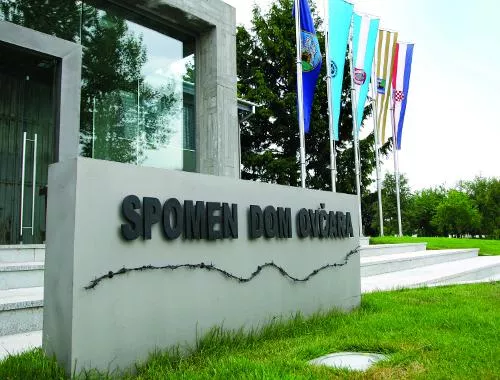
(Patria) - The Association for Social Research and Communication (UDIK) reminds the public of the 33rd anniversary of the fall of the completely destroyed Vukovar, when on November 18, 1991, the three-month siege and shelling of the city by the Yugoslav People's Army (JNA) and Serbian paramilitary forces ended.
The battle for the East Slavonian city lasted from August 24 to November 18, 1991. It is estimated that during those 87 days of the siege of Vukovar, between 5,000 and 12,000 shells fell on the city daily. Franciscan friars from Vukovar collected data and placed the names and surnames of 2,717 Vukovar residents who died during the siege on memorial plaques in the courtyard of the Church of Saints Philip and James. At least 2,796 Croatian defenders and civilians captured in 1991 in the Vukovar area were abused and subjected to terrible torture in camps opened in the Danube region and the then Federal Republic of Yugoslavia. At least 200 wounded and medical staff from the Vukovar hospital were liquidated and buried in a mass grave at Ovčara.
After the return, 938 victims of the siege were exhumed from the mass grave at the New Cemetery, and the fate of 383 people from Vukovar and its suburbs who are considered missing is still unknown. According to data presented during the trials at the Hague Tribunal, a total of 22,165 citizens of Vukovar, mostly of Croatian nationality, were expelled from the city.
The entry of JNA members, led by Veselin Šljivančanin, into the hospital premises on November 18 is considered the end of the battle for Vukovar. Fighting ceased that day, and the Croatian population was asked to leave their shelters and forced to leave the city. Borovo Naselje surrendered the following day, and some of those who defended that Vukovar district, as well as those from the Mitnica district, were taken to camps. On the night of November 19-20, the crime at the Ovčara agricultural farm was committed, and the bodies of 200 defenders, wounded, and civilians from that mass grave were exhumed only in 1996. The occupation of the city lasted until January 15, 1998, when Vukovar and other occupied places were returned to the constitutional and legal order of Croatia through the peaceful reintegration of Croatian Podunavlje.
On the occasion of the anniversary, UDIK presents its latest research published in the publication titled "Media Reporting on Wartime Events in the Nineties through the Examples of Srebrenica and Vukovar". The fall of Vukovar and the overall tragedy that befell it are the best examples of how Croatian and Serbian media reported on wartime events in Croatia. This is precisely the focus of the work that journalist and Vukovar native Mladen Obrenović dealt with for this book. An analysis of the political and scientific discourse regarding individual events and the commemoration of Vukovar's sacrifice was also indispensable. Objectivity, impartiality, neutrality, serving the truth, conveying facts – along with all other postulates of journalism – were put to the test during the war years, and many failed that test.
Obrenović's review provides answers to the questions of how Vukovar, the suffering of that city and its inhabitants were portrayed in the media and scientifically – especially in the context of the commemoration of November 18, which is considered the end of the battle for Vukovar, in Croatian media, and in Serbian media.
On the occasion of the anniversary, we remember the victims of Vukovar.
Komentari (0)
Prijavite se za komentiranje
PrijavaJos nema komentara. Budite prvi!
Minuta
Sve →Iz drugih kategorija

High Representative Not Elected: Germans, French and British Sabotaged Americans, New Attempt at End of June

ČOVIĆ WITHOUT MERCY: How Those Who Brought Ademović to Office Created a Political Hell for Him



Sunny Saturday, quite warm



Tragedy in Albanian resort: Two minors drown












