
That night in 1992, we were running across the runway when shooting started. We hid behind a house that had small basement windows. We couldn't get into the basement, so we only stuck our heads through the windows, while our bodies remained outside. We lay there motionless for almost the entire night, with shells falling around us and bullets whistling. It was terrible – says Rašid Zorlak, retired Major General, the creator of the Sarajevo Tunnel of Hope.
That night, he says, the idea for the tunnel that saved Sarajevo and, indirectly, Bosnia and Herzegovina, came to him. In an exclusive confession for the BiH news agency Patria (NAP), the conceptual creator of the Sarajevo Tunnel of Hope talks about the tunnel's origin, its construction, and details from besieged Sarajevo that the public knows little or nothing about.
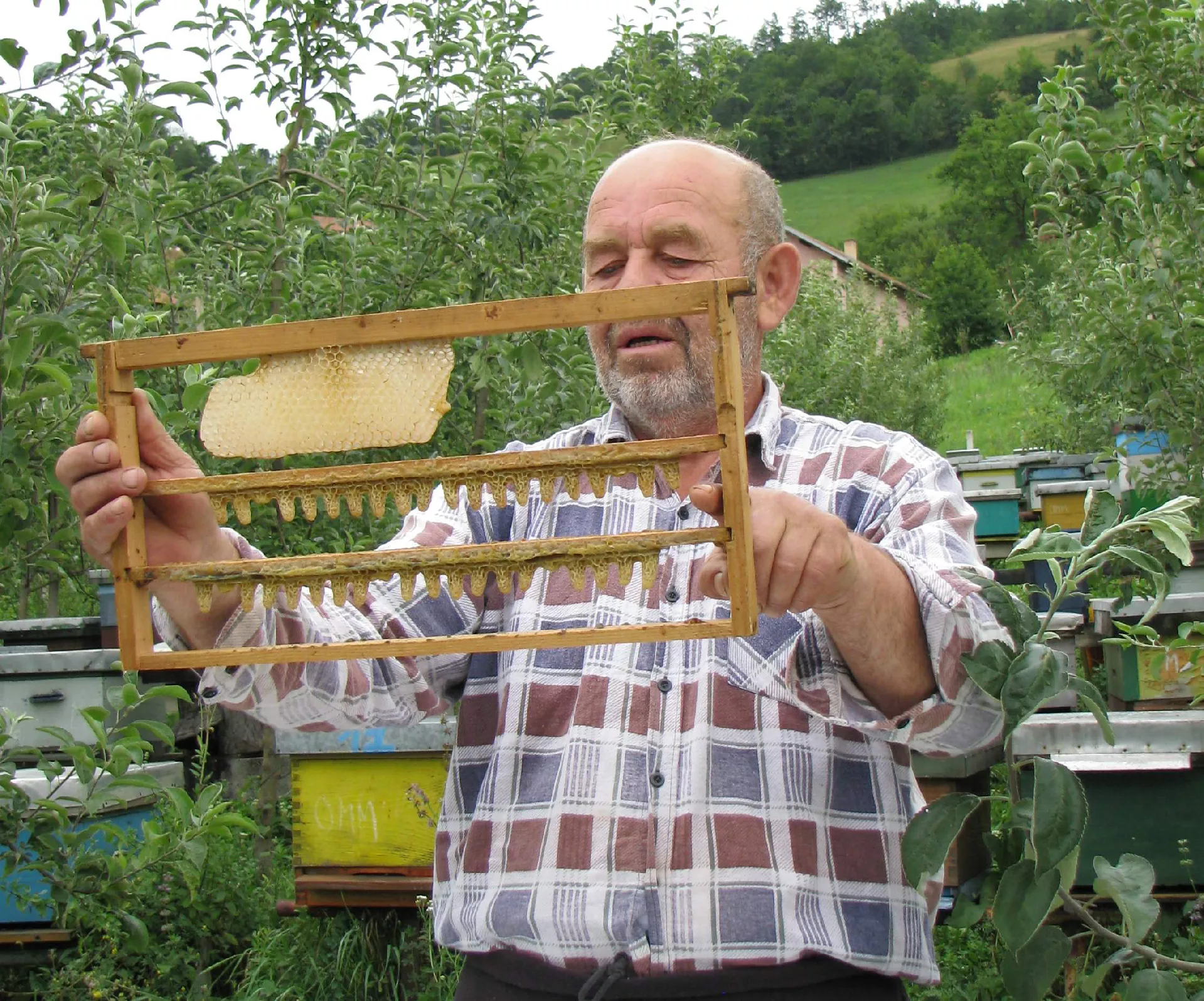
General Zorlak is now 66 years old. He spends most of his time in his apiary and orchard in Malešići near Ilijaš.
By the end of the month, his book "Tunnel – and Something Else" will be published, in which he reveals previously unknown details about the construction of the Tunnel – which was the lifeline for the entire city during the siege of Sarajevo.
The Sarajevo Tunnel, dug under the runway of the state Airport during the fiercest siege of Sarajevo in 1993, is one of the greatest phenomena during the aggression against BiH, and Sarajevo's most closely guarded secret during that period. It was 720 meters long and 1.5 meters high, and it was the only way food, medicine, and weapons reached Sarajevo. It connected two parts of the free territory under the control of the Army of the Republic of Bosnia and Herzegovina, Dobrinja and Butmir. Hence, it was named "Tunnel D-B".
– While we lay there that night in 1992, with our heads stuck in the house windows, waiting for an opportunity to return to safe territory, I never felt more miserable. I cursed the Chetniks, thought about Bosnia, the people, the possibilities of fighting, about the persistence and indestructibility of our people – says Zorlak. It was then that the idea was born in his head, which would bring life and hope back to the city of Sarajevo, which had been under siege for days.
– I knew there had to be a drainage system under the runway, so I thought it could be used for passage underneath it. In other words, on the night of November 5th to 6th, '92, the idea of digging a tunnel came to me – says Zorlak.
The Sarajevo Tunnel was broken through on July 30th at 8:50 PM.
– I regret not being present at that historic moment. I was performing another more important task at that time – reveals Zorlak.
In the post-war period, says Zorlak, there is a lot of talk about who deserves credit for the Tunnel. But, this book, says its author, will show the true story about the Tunnel.
In addition to a detailed description of how the construction of the Sarajevo Tunnel proceeded, General Zorlak also describes some interesting details from besieged Sarajevo in the book, which the public could not have known until now.
– Rusmir (Mahmutćehajić, editor's note) called me, I went to him, and he told me that there was no more aluminum to cast primers for the shells we were making at the wire factory. Then I called Izet Jukić - Džino, deputy commander for logistics in the 10th Motorized Brigade. I don't know what he did, but he called me the next morning and said that he had collected five tons of aluminum dishes from the citizens, which we could melt down. So, let the citizens know that their aluminum basins were primers on projectiles – says Zorlak.
Komentari (0)
Prijavite se za komentiranje
PrijavaJos nema komentara. Budite prvi!
Minuta
Sve →Iz drugih kategorija

High Representative Not Elected: Germans, French and British Sabotaged Americans, New Attempt at End of June

ČOVIĆ WITHOUT MERCY: How Those Who Brought Ademović to Office Created a Political Hell for Him



Sunny Saturday, quite warm



Tragedy in Albanian resort: Two minors drown












