
When we mention psychotherapy in everyday conversations, the two most common comments we hear are 'I really need that!' and 'Did you know that in the West, every person has a personal psychotherapist?'.
The same everyday conversations among acquaintances, colleagues, friends, and family confirm that we desperately need psychotherapy, talking about 'how the world has changed, how people have gone bad, how friends are increasingly fake, and how individuals are increasingly lonely', writes the BiH news agency Patria.
Most illustrated messages and quotes on social networks carry hidden meanings and speak of deep frustration, disappointment, anger, and other unpleasant emotions of the person posting them.
Given that the West impresses us and that we follow its rapid development and various innovations in many ways, and that we are thus 'on trend', the question arises as to why psychotherapy, as a Western product, is still stigmatized in Bosnia and Herzegovina, on the verge of being considered a real taboo.
We can ask the same question in the context of the authentic need for psychological support, considering the long-term and exhausting socio-economic crises that have not spared any generation of BiH citizens.
When we turn to a psychotherapist
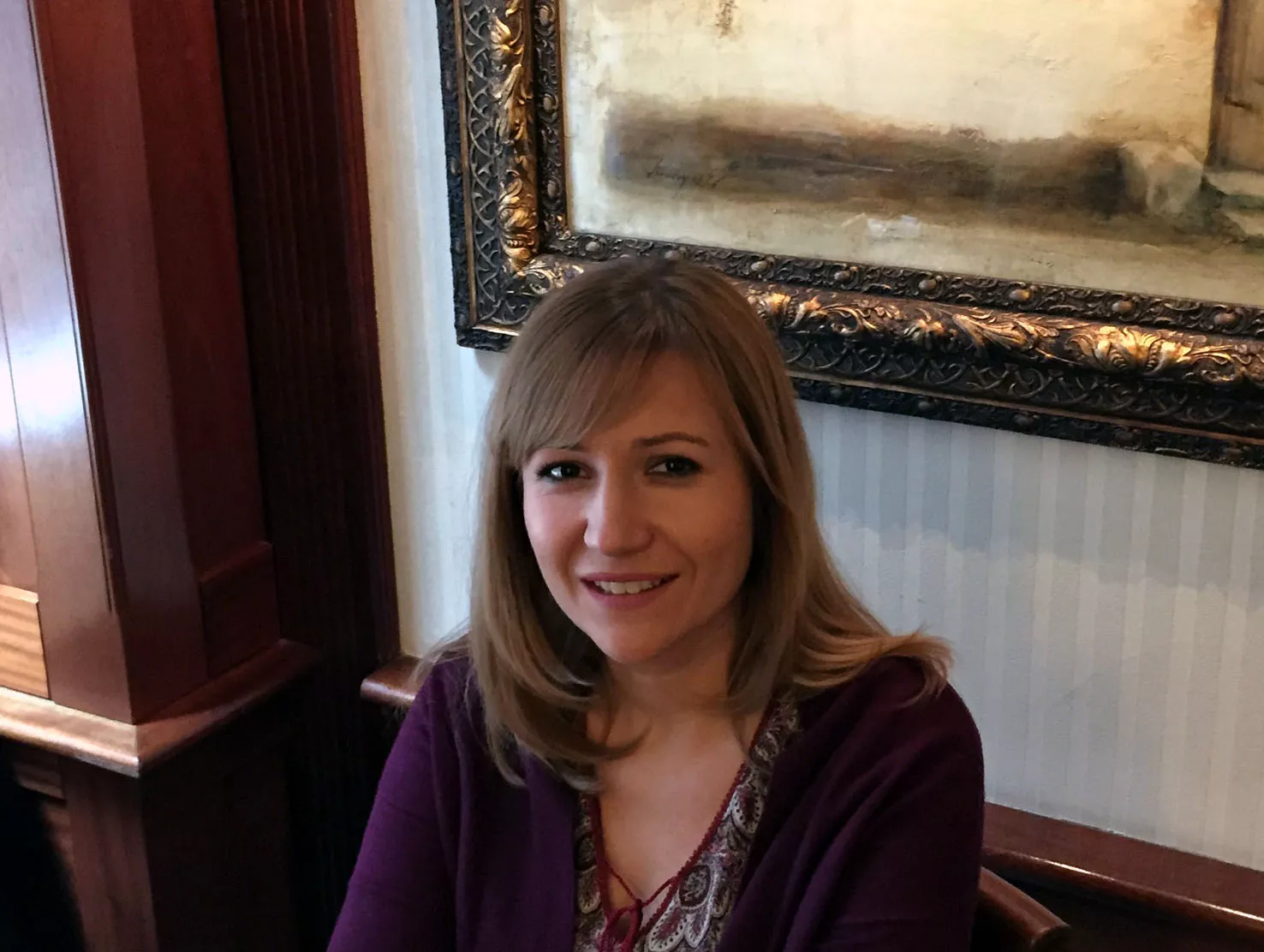
We received the answer to the question: when do people turn to a psychotherapist, from Elma Omersoftić, a graduate psychologist and certified psychotherapist.
- People most often seek psychotherapy when psychological problems begin to interfere with their daily activities. Some of these problems include continuous fears, worries, low mood, and uncontrolled emotional reactions. Reasons to seek a psychotherapist can also be certain life periods that present individuals with new developmental tasks (getting married, having a child, becoming independent), then after experiencing stressful events, such as the death of loved ones, divorce, job loss, harassment at work or school. Often, the reasons for seeking a therapist are dysfunctional partner relationships (love relationships and marriage, author's note), psychosomatic complaints, as well as communication problems with one's child, especially during adolescence - explains our interlocutor.

In a country where psychotherapy is not regulated by law, nor is there an adequately developed culture of mental health care, it is understandable that the average citizen is not aware of what psychotherapy actually is, nor of the fact that there are numerous modalities or schools of psychotherapy.
Given that Omersoftić is a certified Transactional Analysis psychotherapist, we asked her to briefly explain the essence of the therapeutic process in the context of that particular approach.
- In a psychotherapeutic direction such as Transactional Analysis, the main goal of the psychotherapeutic experience is to learn an open, adult, and mature reaction towards oneself and the environment, in order to avoid long-term, exhausting psychological games that drain our energy and prevent the resolution of the real problem. During the psychotherapeutic journey, a person learns to be aware of their feelings, needs, and behaviors, to accept them and align them with reality, while respecting the principle 'I'm OK - you're OK'. Psychotherapy helps us broaden our frameworks and options so that we can change ourselves and our previous usual reactions towards others, and act actively rather than passively in life. It will also help us recognize our own strength and potential - says Omersoftić.
The Couch Problem
Mentioning psychotherapy to people who have not experienced it can evoke a mystical image of passively lying on a couch while an authoritative old man resembling Freud silently 'pulls the strings' and extracts every kind of information from a half-hypnotized 'patient'. Joking aside, this very image reinforces the ingrained stigma. The reality is different, significantly more humane. The psychotherapist and client sit equally on chairs facing each other and - talk about what is bothering the client.
- The psychotherapeutic process that takes place between the client and the psychotherapist resembles a small stage where the client's authentic traits come to the fore and where clients practice and prepare to show their true emotions more spontaneously with loved ones, resolve conflicts more constructively in the family and work environment, and present their personality more clearly to other people - Omersoftić reveals some examples from practice.
The reason for going to a psychotherapist does not have to be troubles and symptoms. In the Western world, including neighboring Croatia and Serbia, whose populations are extremely sensitive to the existence and function of psychotherapists, people go to a therapist for self-work, personal growth and development, and to process long-accumulated, unexpressed, or inadequately expressed emotions.
Despite the average citizen's still present apprehension, our higher education system graduates a significant number of psychology and social work students each year who are increasingly choosing the profession of psychotherapist. This is enabled by accredited specialist schools that train generations of participants for the profession of psychotherapist during a five-year education. Different names and approaches of such schools or psychotherapists, such as Gestalt, Cognitive-Behavioral Therapy, Transactional Analysis, Systemic Family Therapy, and others, should not be confusing, as they have the same goal - a healthy, well-integrated personality that successfully manages their life and relationships in accordance with reality, and who manages their emotions well.
If we want to get more out of life and feel better - it's worth a try. Besides, we'll be on trend.

Komentari (0)
Prijavite se za komentiranje
PrijavaJos nema komentara. Budite prvi!
Minuta
Sve →Iz drugih kategorija

High Representative Not Elected: Germans, French and British Against Americans, New Attempt at End of June

ČOVIĆ WITHOUT MERCY: How Those Who Brought Ademović to Office Created a Political Hell for Him



Sunny Saturday, quite warm



Tragedy in Albanian resort: Two minors drown












