
The Constitutional-Legal Committee of the House of Peoples of the Parliamentary Assembly of Bosnia and Herzegovina organized a public debate at the beginning of the month on the extension of the Decree prohibiting the breeding of fur-bearing animals in BiH.
Article 4 of the Law on Animal Protection and Welfare from 2009 defines the prohibition of breeding animals for fur production, and Article 43 postponed the application of this prohibition until 2018. The current amendments to the legal solution provide for the postponement of the prohibition until 2028.
Dr. Tarik Bajrović, a professor at the Faculty of Veterinary Medicine in Sarajevo, believes that a decision should not be made to abolish fur-bearing animal farms in BiH, as some non-governmental organizations are demanding.
“Older generations have fresh and still bitter memories of the decision to abolish goats, which impoverished generations, some never recovered, nor was this type of livestock production revitalized,” says Dr. Bajrović for the Patria agency.
“The production of chinchillas and martens in BiH, which is currently small, should be attempted to be expanded, not prevented, because in this way we are cutting the branch we are sitting on, especially since neither of these breeds requires land resources,” emphasizes Professor Bajrović.
Breeding animals for economic reasons, he says, is a very demanding and specific job that requires, among other things, complete dedication and sacrifice, so any decision to engage in this activity should be verbally, legislatively, and financially supported or supported.
Advocates for the ban on breeding fur-bearing animals in BiH speak, among other things, about the ecological risks of breeding fur-bearing animals. Professor Bajrović disagrees with such an opinion.
“Chinchillas do not pose any ecological danger and have a comparative and significant advantage over other animals that humans slaughter for food. If we compare them to poultry or fish, chinchillas are far less polluting to the environment, especially water resources, which are increasingly relevant, and so far in BiH there are no rendering plants for any type of animal waste, and everything is based on burying, throwing into garbage bins or streams.”
“In Yugoslavia, the breeding of fur-bearing animals (animals whose fur is used for processing) provided significant income, especially because it was realized at meat industries of smaller or larger capacity as a 'collateral benefit' because the feed was based on confiscated materials from their own production. Red and polar (white) foxes, martens, and for a certain period, nutrias were mainly bred.
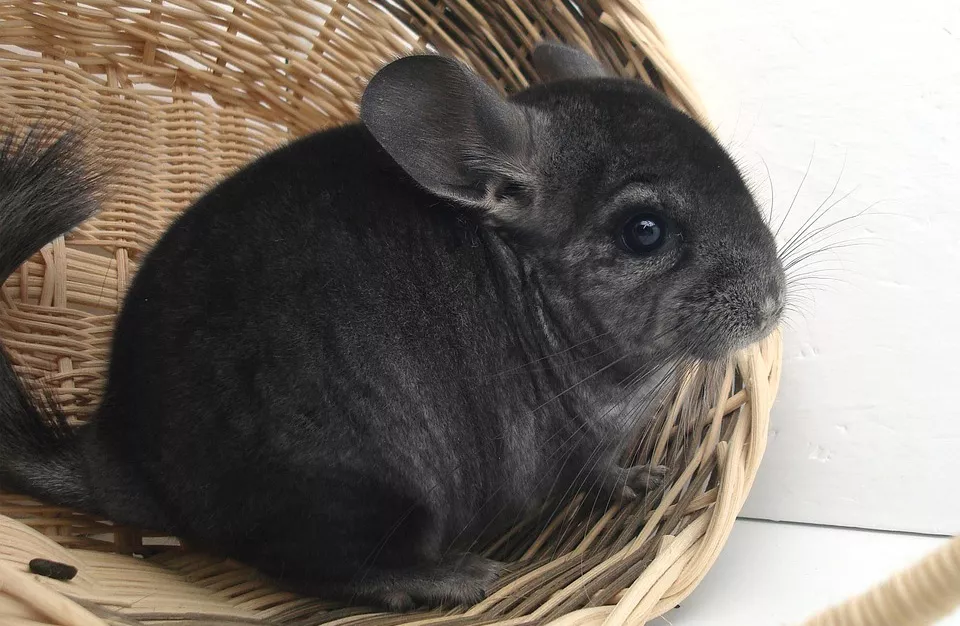
Chinchillas are fur-bearing animals that look somewhere between a domestic rabbit and a squirrel, they are kept in cages and reproduce in a so-called 'harem system', they are not aggressive towards people, and commercially prepared food is fundamentally based on plants. Originating from volcanic areas where they were exterminated, they require impeccable hygiene and ventilation of premises, so if these requirements are met, diseases and deaths are very rare.”
Dr. Bajrović says that even in terms of the presence of infectious disease agents, chinchillas are significantly freer of diseases than other “economically” important animals such as cattle, pigs, or sheep. In addition, he cites the example of martens that feed on animal waste, so in a way, he says, they not only “harmlessly” remove it but by “recycling” this waste, they turn it into gold or money.”
Komentari (0)
Prijavite se za komentiranje
PrijavaJos nema komentara. Budite prvi!
Minuta
Sve →Iz drugih kategorija

High Representative Not Elected: Germans, French and British Sabotaged Americans, New Attempt at End of June

ČOVIĆ WITHOUT MERCY: How Those Who Brought Ademović to Office Created a Political Hell for Him



Sunny Saturday, quite warm



Tragedy in Albanian resort: Two minors drown












