
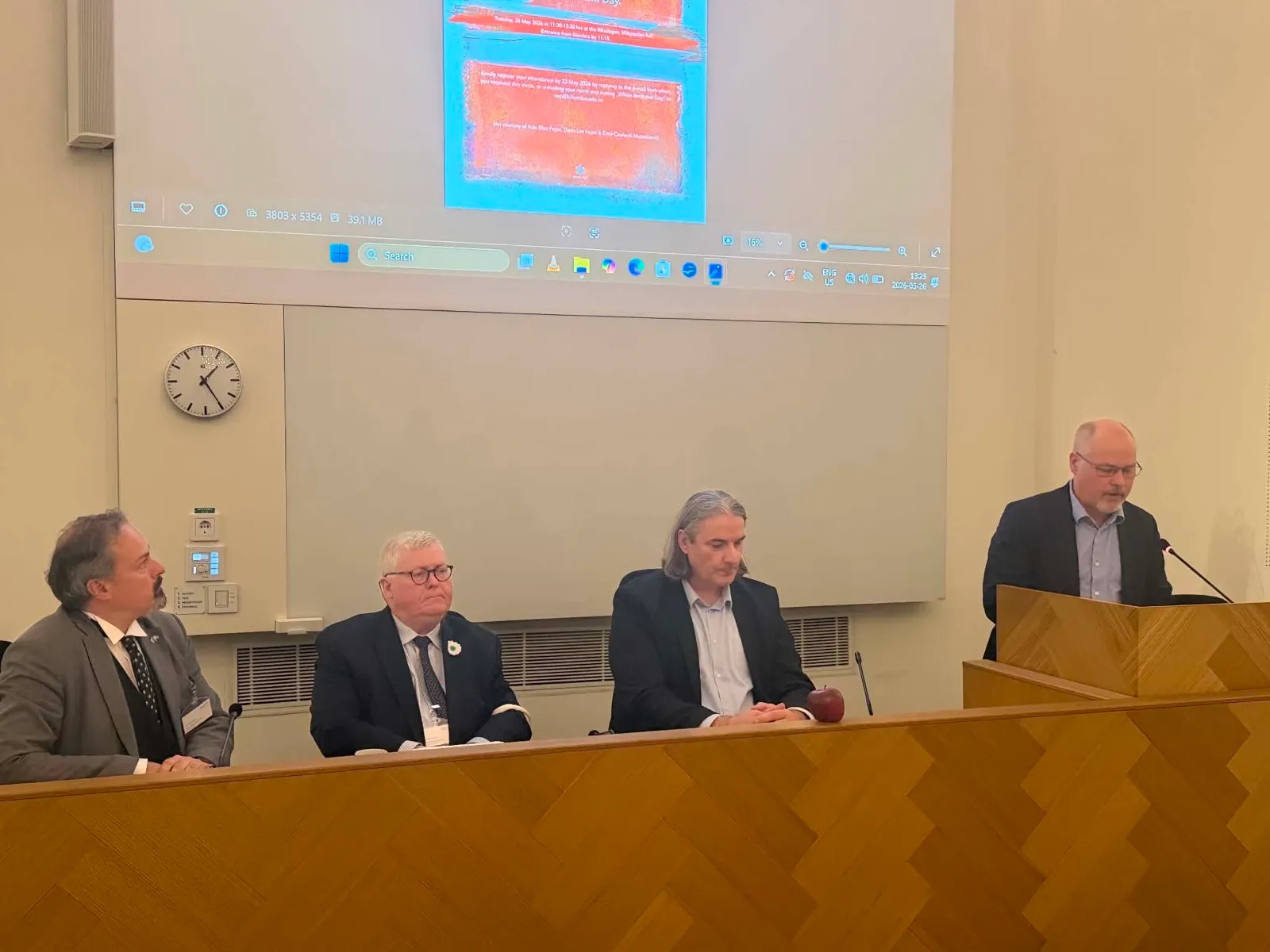
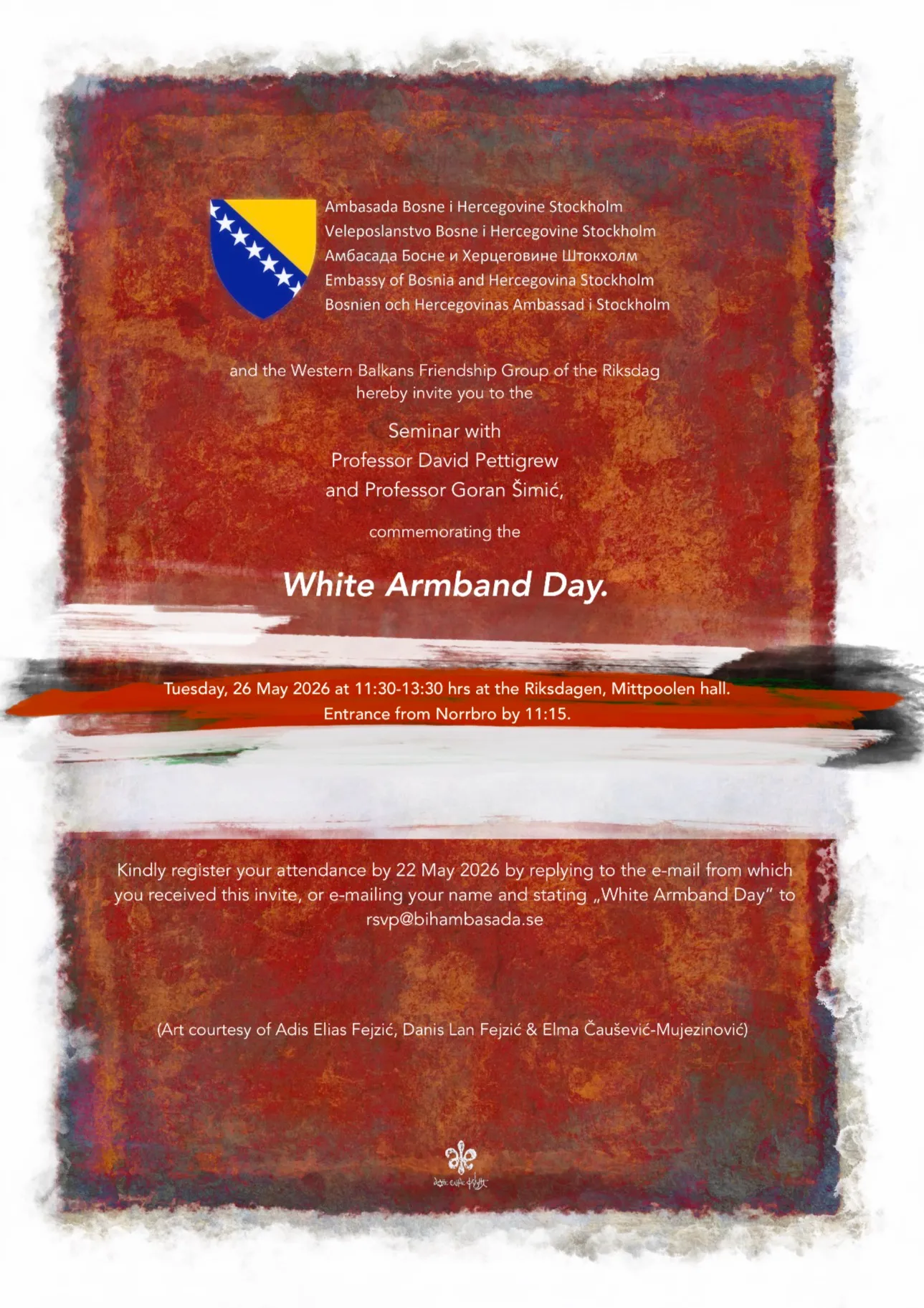
(Patria) - The Swedish Parliament - Riksdag yesterday marked White Armband Day with a seminar dedicated to remembering the victims of crimes committed in Prijedor in 1992, organized by the BiH Embassy in Stockholm and the Parliamentary Friendship Group for the Western Balkans of the Riksdag.
The event was hosted by MP Azra Muranović, with introductory addresses and presentations by the Ambassador of Bosnia and Herzegovina to Sweden Bojan Šošić, Professor David Pettigrew, and Professor Goran Šimić.
The closing address was given by the former Minister of Justice of Sweden, long-time MP in the Riksdag, and Vice-Chairman of the Riksdag Committee on Foreign Affairs, Morgan Johansson.
In his address, Ambassador Šošić recalled that White Armband Day symbolizes one of the most recognizable moments of the systematic persecution of non-Serb population in Prijedor, when on May 31, 1992, Bosniak and Croat civilians were forced to mark their houses with white cloths and wear white armbands.
He emphasized that international investigations and court proceedings confirm that the takeover of power in Prijedor was not spontaneous, but part of a coordinated project of persecution, establishment of camps, deportations, and destruction of the social and cultural presence of the non-Serb population.
Speaking about the broader context of the war, Šošić also presented diagrams from the work of General Martin Špegelj, which show how the JNA was reorganized at the end of the eighties, military command was centralized, and the constitutional role of republics and their civilian institutions was gradually weakened, thereby creating institutional prerequisites for wars against Croatia and BiH.
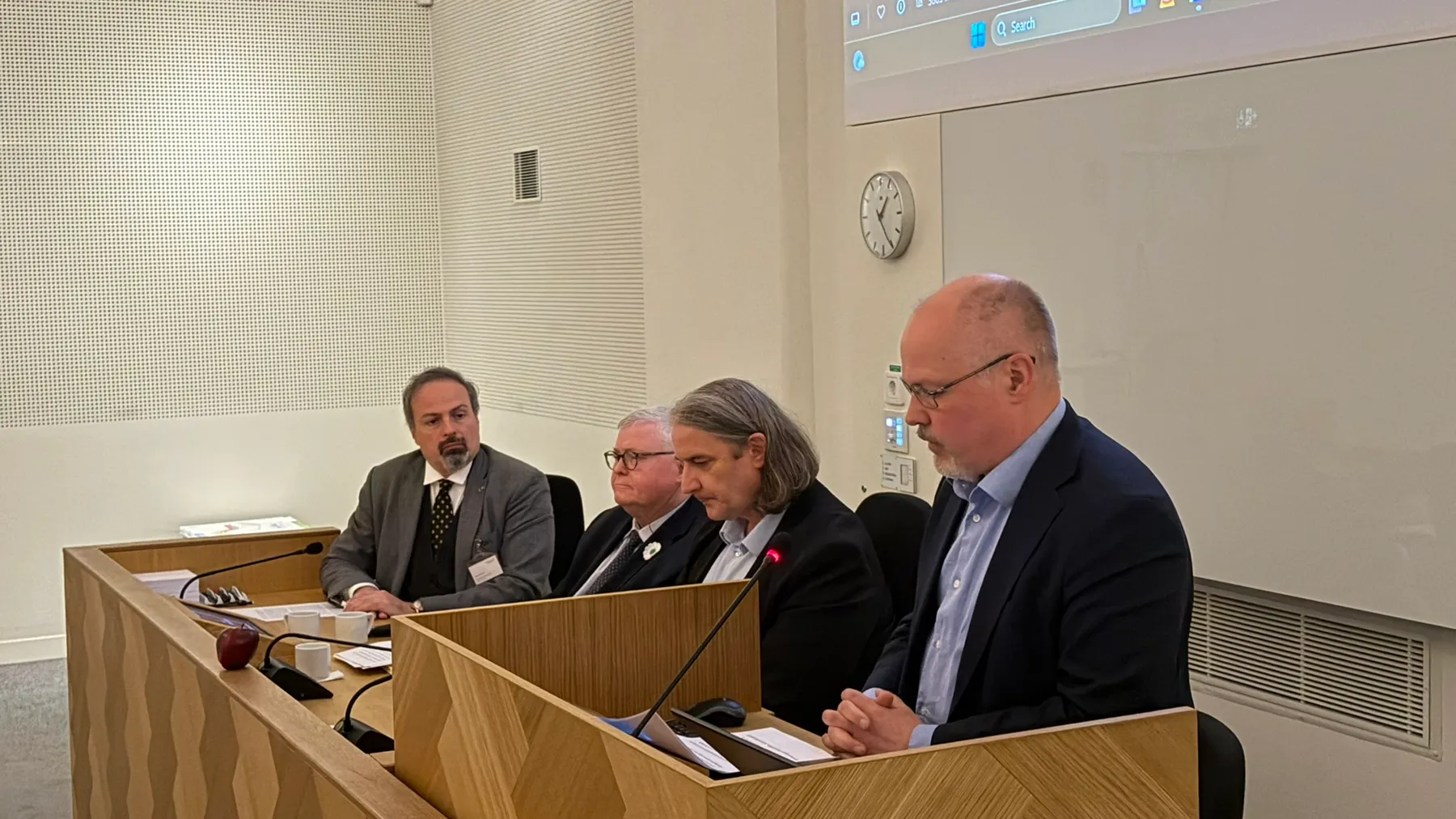
Professor David Pettigrew made a strong appeal to members of the Riksdag and the diplomatic community for support in building a memorial for the 102 murdered children of Prijedor in the center of Prijedor, reminding that local authorities have refused to allow its construction for years.
Pettigrew also spoke about the suffering of children throughout Bosnia and Herzegovina, including Foča, Višegrad, Sarajevo, and Srebrenica, recalling Fatima Muhić, the youngest victim buried in the Potočari Memorial Center, as well as newborns killed in live pyres in Pionirska Street and on Bikavac in Višegrad, for whom neither name nor photograph remained.
He particularly pointed out the fact that more than 1,600 children were killed in besieged Sarajevo, recalling memorials and institutions that preserve the culture of remembrance, such as the monument to the murdered children of besieged Sarajevo, the Museum of War Childhood, and the Sarajevo Memorial Book.
Pettigrew concluded that the killing of children clearly indicates the genocidal nature of the aggression, as the goal was to destroy the very future of a community.
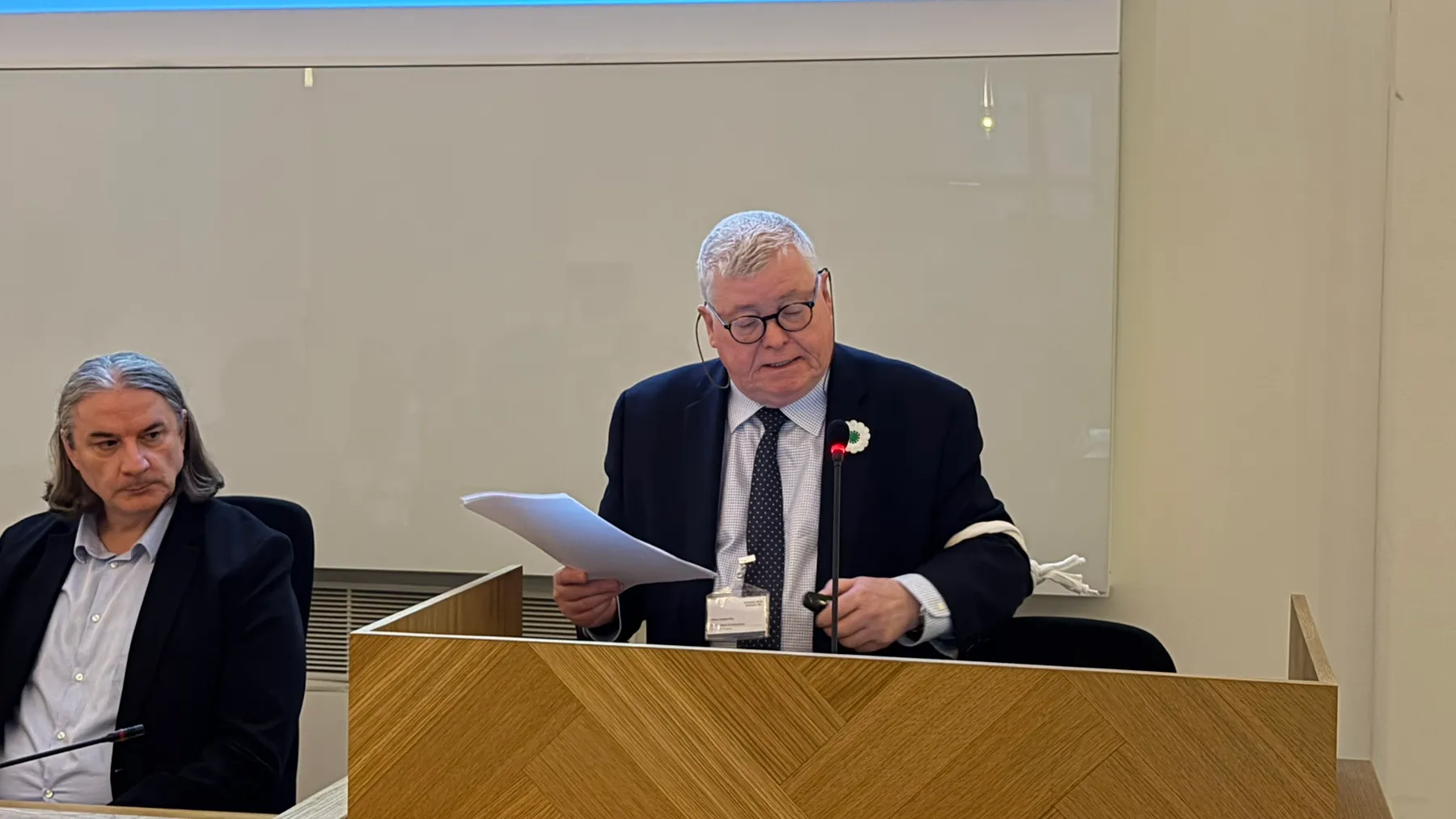
Professor Goran Šimić emphasized that mass and organized war crimes cannot be reduced solely to individual criminal responsibility.
He cited Prijedor as an example, where about a hundred people have been prosecuted so far for various categories of war crimes, from genocide and crimes against humanity to war crimes against the civilian population, but where society remains deeply divided between perpetrators and victims.
What stood out in Professor Šimić's presentation was the fact that final court verdicts confirmed that genocide, crimes against humanity, and war crimes against the civilian population were committed in Prijedor.
Šimić warned that selective memorialization and the lack of broader societal confrontation with the past prevent the long-term overcoming of trauma.
He stressed that, in addition to court proceedings, other mechanisms of transitional justice are needed: clear fact-finding, reparations, erection of monuments to all victims, and the creation of a social space where established truth will be the foundation for future reconciliation and a guarantee that such crimes will never be repeated.
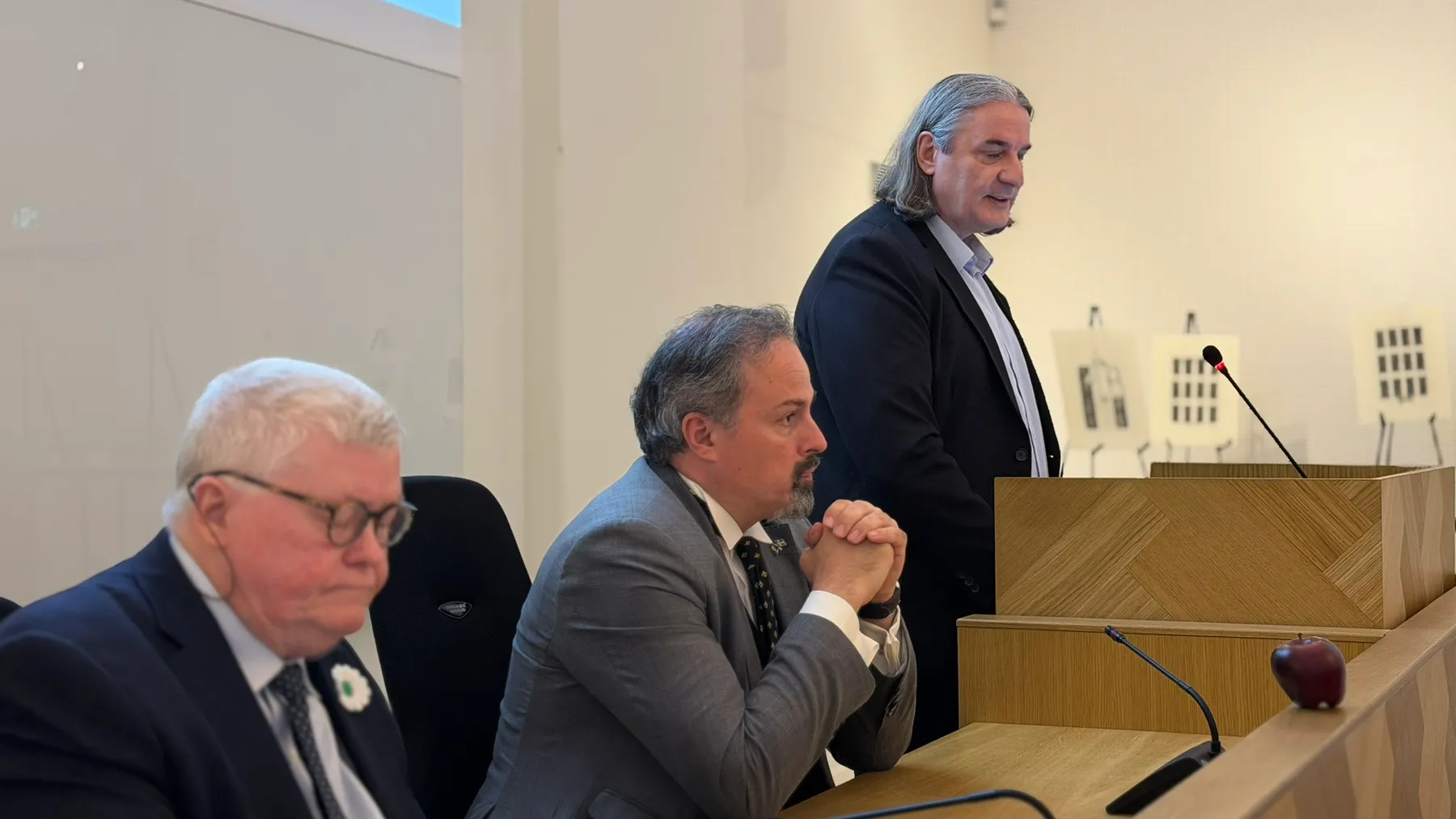
In his closing address, Morgan Johansson warned that what happened in Prijedor in 1992 represented one of the first signs of the genocidal policy that would later culminate in Srebrenica.
He emphasized that the international community failed at the time, as it did not recognize or stop the crimes in time.
He recalled that after the war, attempts were made to strengthen international law through the establishment of international courts and the development of the concept of "responsibility to protect," but that today we are facing serious undermining of the international legal order, including attacks on the International Criminal Court and the relativization of international law by major powers.
Johansson warned that the lessons from Bosnia and Herzegovina today must also be viewed in light of Ukraine, Palestine, Sudan, and other contemporary conflicts, emphasizing that the defense of international law and institutions such as the United Nations, the International Court of Justice, and the International Criminal Court is one of the most important issues of the modern world.
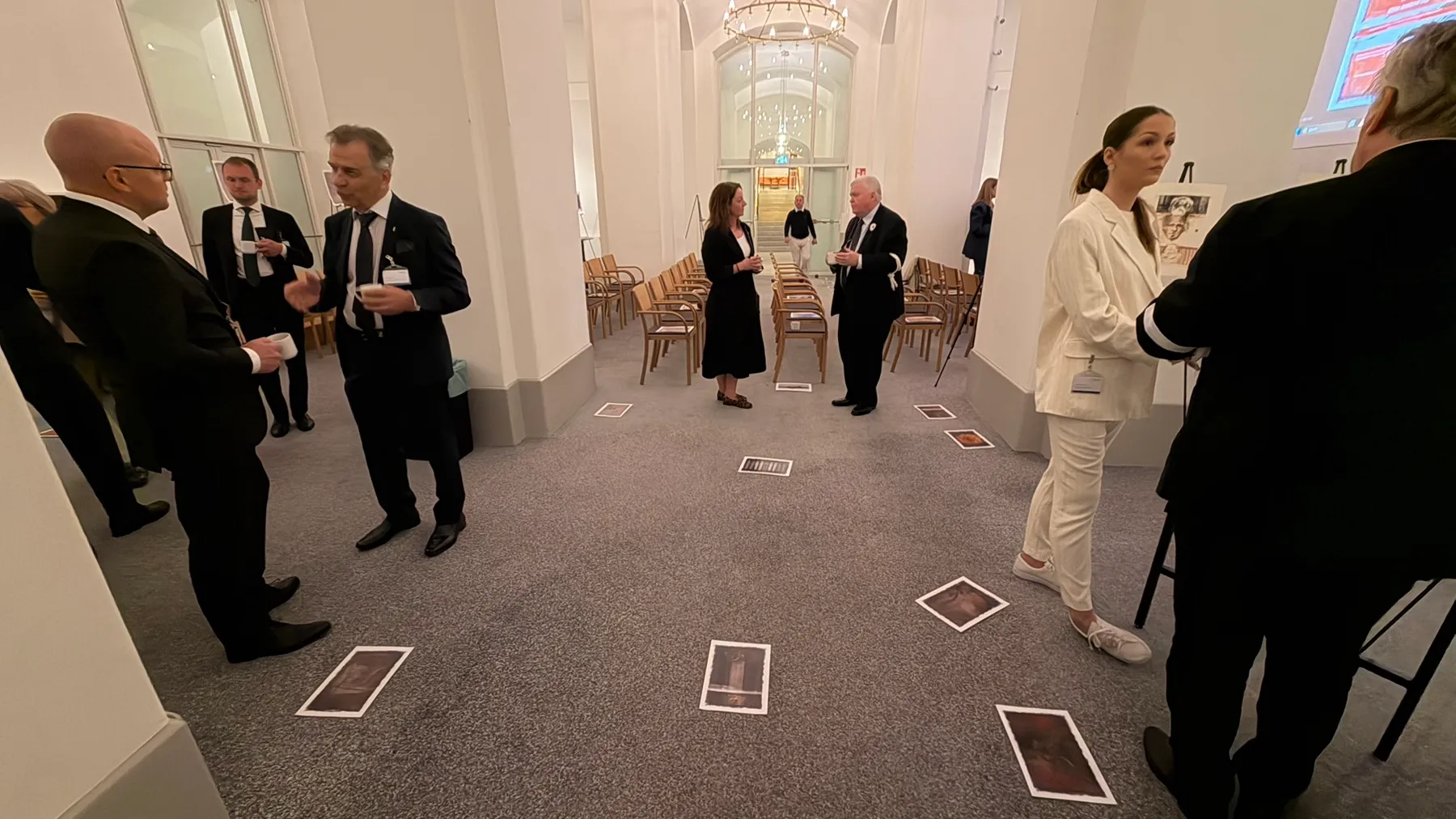
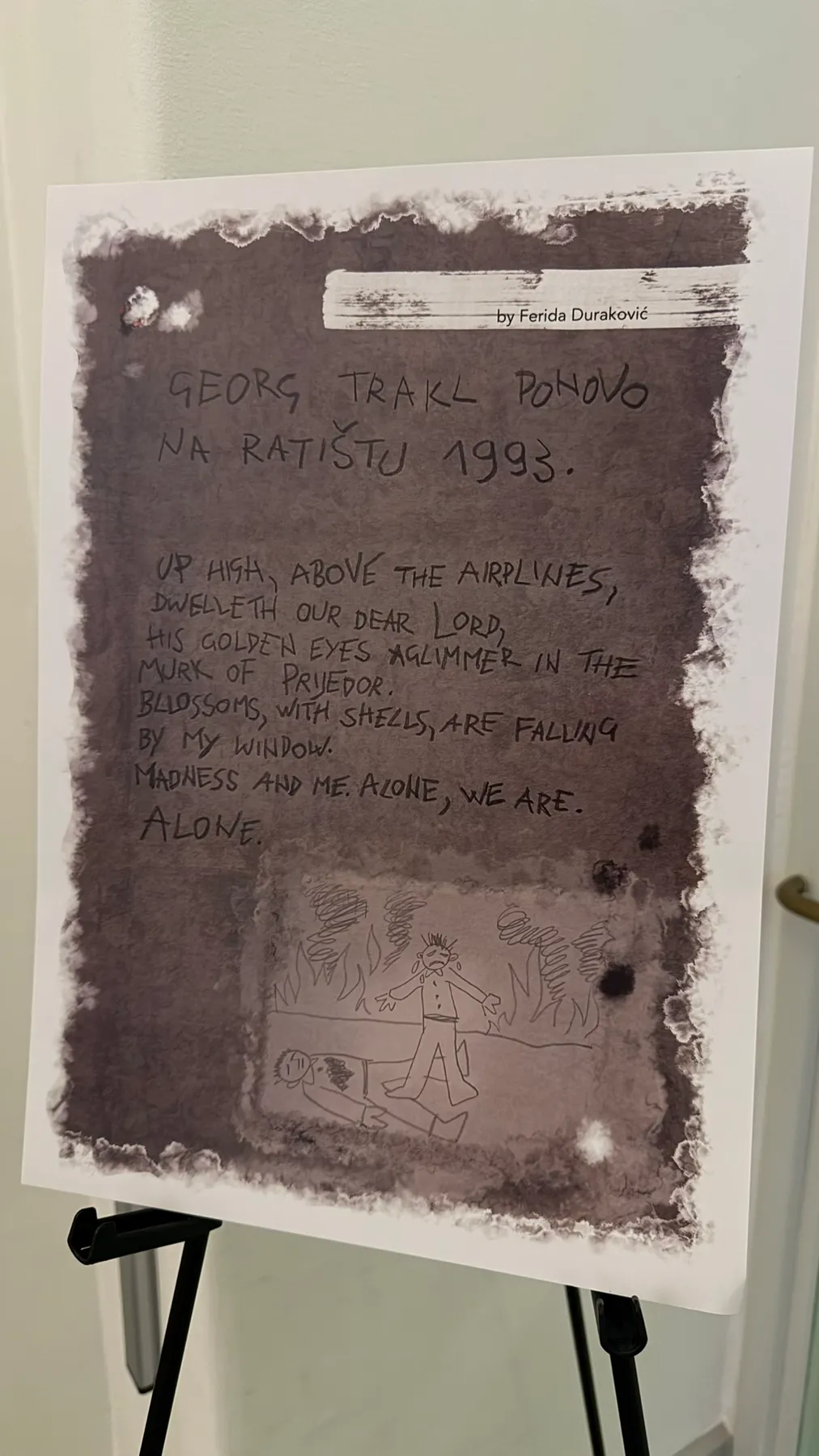
The seminar also included an artistic segment dedicated to the culture of remembrance, which attracted great interest from attending MPs, diplomats, and representatives of the academic community.
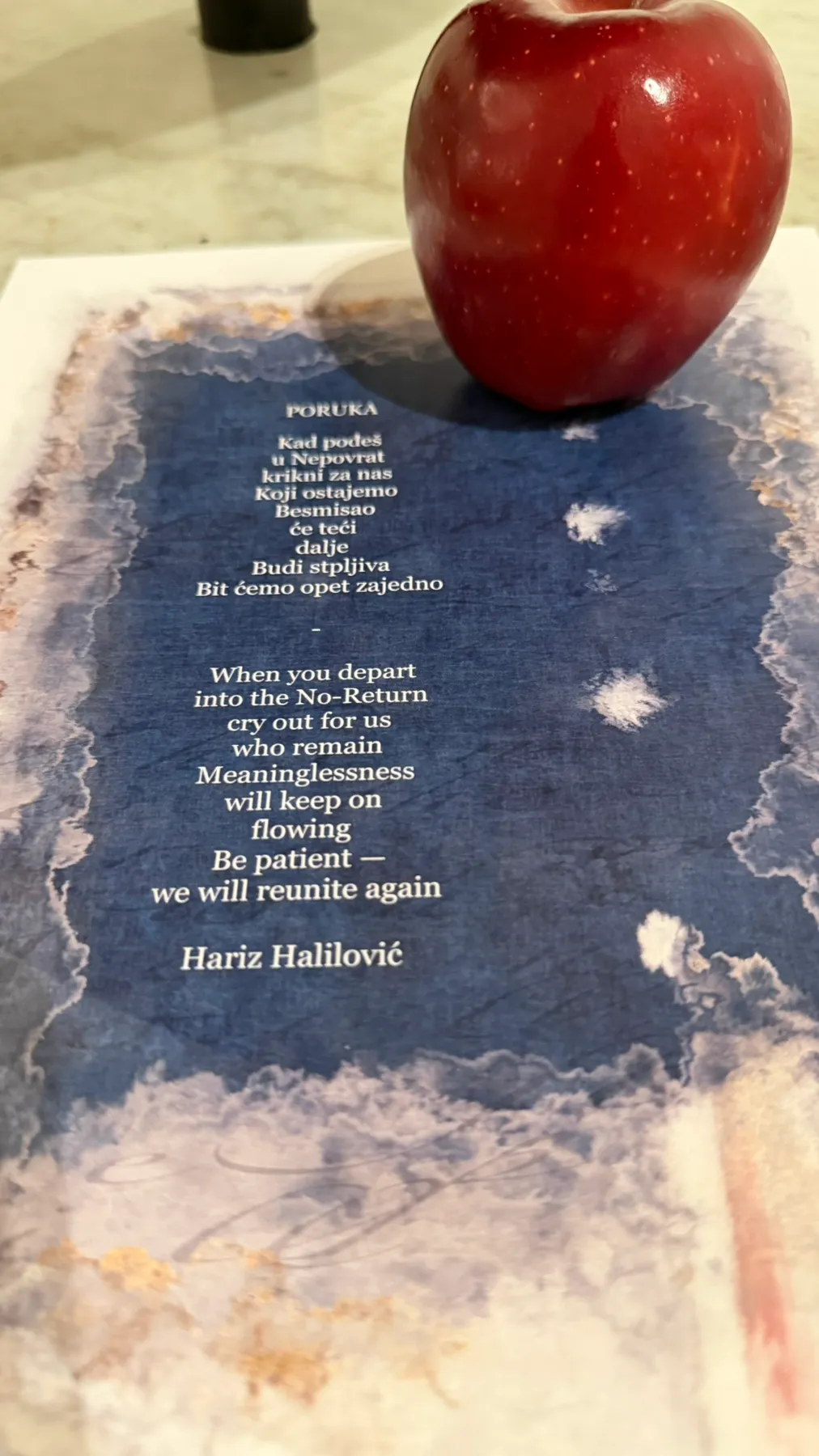
Three artists - Adis Elias and Danis Lan Fejzić, and Elma Čaušević-Mujezinović - each through their own visual language, different number of works, and specific symbols, metaphors, and allusions, opened a space for remembrance of the tragedy we now know as White Armband Day.
From the imitation of a child's drawing and association with The Scream to the sculpture of a sleeping child, the works were unified in the format of a digital imprint of "life" in encounter with real apples and their strong symbolic potential.

In this synergy, the viewer is invited to their own contemplative process and reflection on the fate of the individual and humanity, which, despite the experience of tragedy, vows "never again" anew.
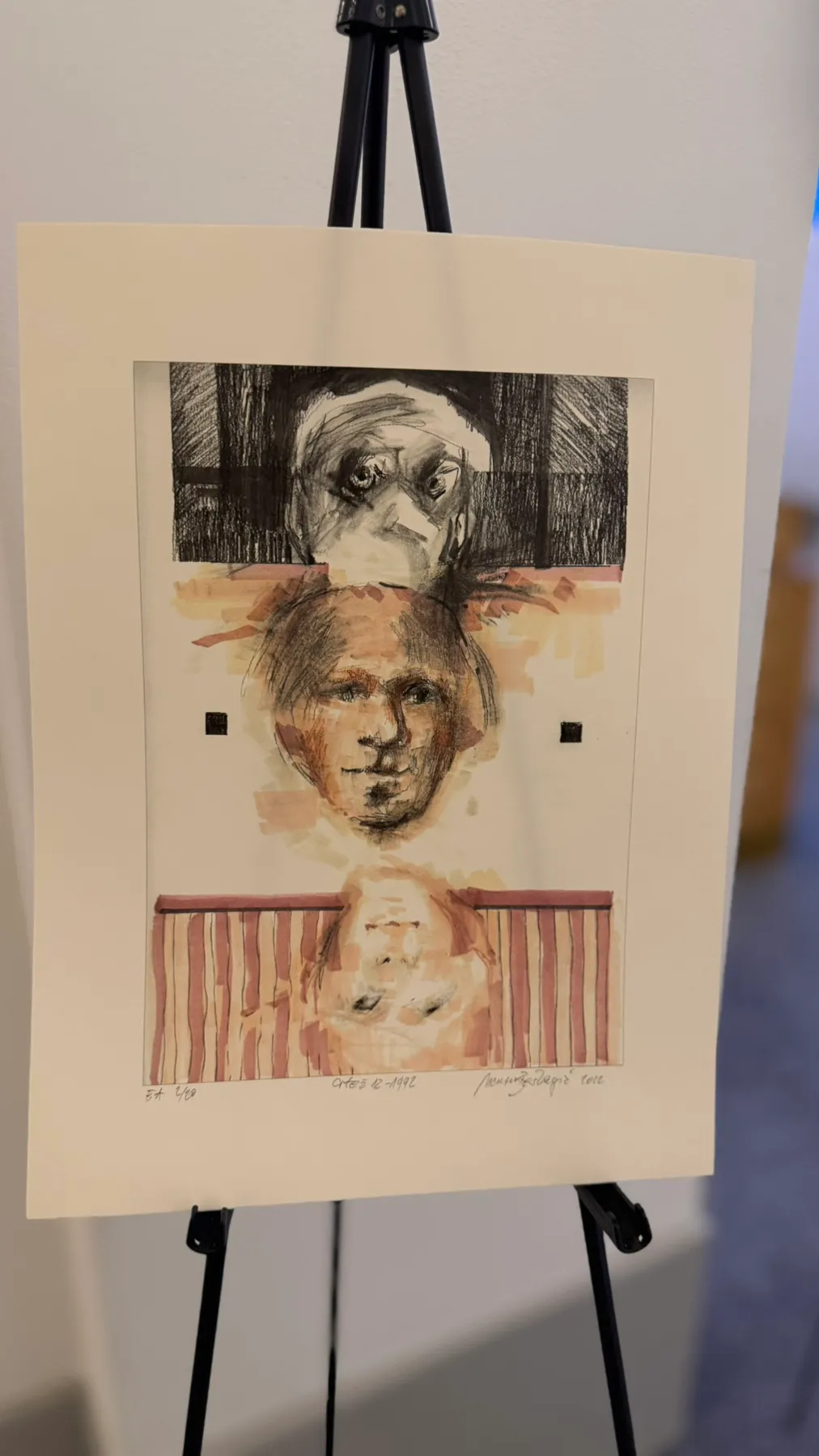
Selected works from the cycle "1992" by Mensur Bešlagić were also presented, artistic reflections on the suffering of civilians in the Prijedor region and the enduring questions of memory, empathy, and human responsibility after mass violence.
As emphasized during the seminar, Bešlagić's works show that 1992 was not just a year or a number, but a wound that divided people's lives into "before" and "after."
The reaction of a high-ranking officer of the Swedish army and a former member of the Swedish peacekeeping forces in Bosnia and Herzegovina also attracted special attention, who, after the seminar, said: "Thank you for today's event. Very informative and important. I would even say partially forgotten. How is that possible?"
Komentari (0)
Prijavite se za komentiranje
PrijavaJos nema komentara. Budite prvi!
Minuta
Sve →Iz drugih kategorija

High Representative Not Elected: Germans, French and British Against Americans, New Attempt at End of June

ČOVIĆ WITHOUT MERCY: How Those Who Brought Ademović to Office Created a Political Hell for Him



Sunny Saturday, quite warm



Tragedy in Albanian resort: Two minors drown












