
The ability to communicate in English today is a matter of basic literacy. Many people speak several foreign languages. Every foreign language opens new doors for us, but without English, all doors are closed. English is our second language today - the global lingua franca. The lingua franca was once the language of the Mediterranean. The language of merchants, diplomats, and even pirates. For everyone in the Mediterranean region, that now-extinct common language was essential for doing business.
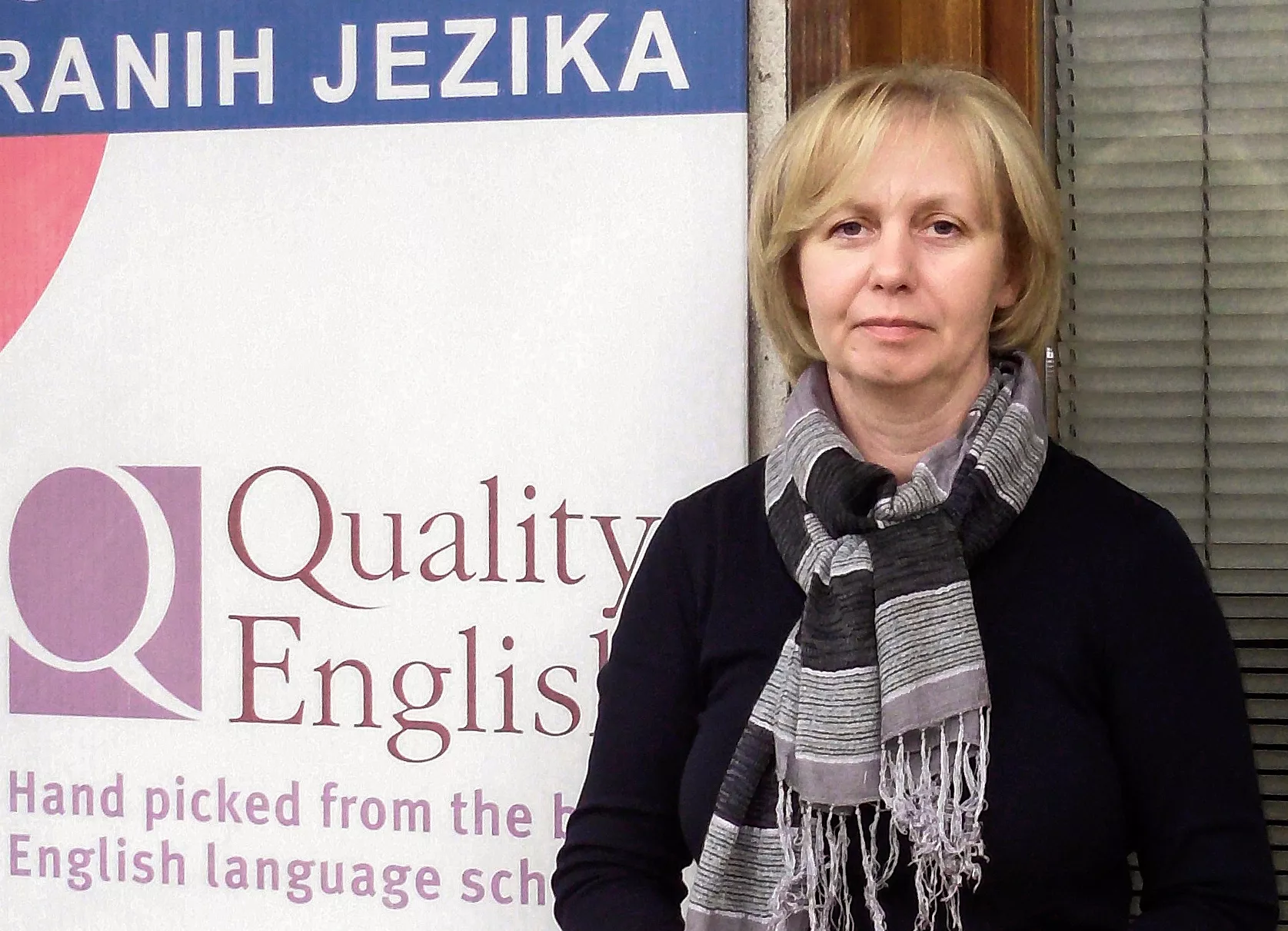
Today, English is essential for work, for accessing information, for getting to know the world and learning about it - explains Sanja Granov, director of the Syllabus foreign language school from Sarajevo, for the Bosnian news agency Patria.
Regarding how well or poorly Bosnians and Herzegovinians speak English, Granov says it is difficult to say because there are practically no quality studies on the matter. However, it is certainly true that our people have predispositions to learn English more easily than speakers of some other languages, for example, Italians or French.
- Objectively, it is easier for us than for many others. For instance, it is easier for us than for Italians, or French, who have a big problem with the pronunciation of certain sounds in English because those sounds do not exist in their languages. They have to work hard to learn to pronounce, for starters, the sound H. The French do not even have the sound Č in their native language. Then there are the problems with accent. Objectively, it is easier for us. It is also easier for us than for Hungarians, Turks, and Finns - to stay within Europe.
Their languages again have a completely different structure. They are called agglutinative languages.
Simply put, in these languages, additions (affixes) are „glued“ to base words, thus adding meanings and functions to words. It is very difficult for them to learn a language that functions completely differently. So we don't really have an excuse to say it is difficult for us - explains Granov, adding that on the other hand, Germans, Scandinavians, and Dutch are known as excellent English speakers. It is, again, easier for them because English is related to their native languages.
The Syllabus school in Sarajevo was created within a program that existed in the Soros foundations until 2004 and was called the „English Language Program“. It started with free courses back in 1995, and in February 1997, the school was registered as a domestic company.
Since 2006, they have been members of the international association Quality English. This is important for them, says Granov, because they are in contact with colleagues from the profession and thus manage to keep up with the times and constantly learn new things. Additionally, the fact that the Association regularly controls their work obliges them to follow the latest world standards.
To learn English, you must be persistent
To learn English, you simply have to be persistent and practice whenever you have the opportunity.
- If we don't have a talent for languages, that doesn't mean we can't learn a foreign language. We can. Don't be afraid of grammar. Most people need to learn English the same way they need to learn to drive. To drive a car, you have to learn how to use the brake, clutch, gearbox... You have to learn to operate that complex machine. But you don't really have to understand what process is happening in your car's engine.
Do you know that in a gasoline engine, the Otto thermodynamic cycle with two isochores and two adiabats takes place? Well, you certainly know what fuel to put in, and that's it. You need, of course, to learn the traffic rules and how to turn on the windshield wipers. But you will learn the most in practice - that's why you spend the most hours in training driving.
It's the same with language. The more practical exercise, the better you speak. The most common mistake adults make when learning a language is that they want to speak correctly right away. And they won't speak if they can't say something without a mistake. So we have to make mistakes!
You need to listen, read, speak, write. Not study rules and memorize them. Practice, practice, and only practice. Like with a violin. First, open strings, with the whole bow. Of course, it sounds terrible. But you have to continue practicing. Making mistakes. Repeating. Listening. Just as you listen to music, listen to the language as well. Feel free to speak. And don't give up because it still doesn't sound perfect - encourages Granov.
Which language learning method is best?
According to our interlocutor, there is no perfect method, textbook, or single recipe for learning a foreign language. Of course, the expertise of the teacher is crucial, and professional teachers will constantly learn and seek what is best for their students.
There are many methods and textbooks. Some methods are more successful than others, some textbooks are good or not. It is important to know that something that works with one student may not work with everyone. We must acknowledge that we do not all learn in the same way. The teacher should know what to choose, based on what is best for their students.
It is also a misconception that teaching must follow only a specific textbook and that we must do everything in that textbook in class. Are we learning the textbook or learning the language? The textbook is just an auxiliary tool for the teacher. And British English textbooks are intended for the global market. A good teacher thinks about the needs of their students, knows and uses various methods and materials. They evaluate them, adapt them, and choose what is best for their participants.
For a quality lesson, the most important thing is preparation, preparation, and once again - preparation. Similar to, say, in the theater. What we see on stage is the result of long and thorough preparation.
Of course, talent and education during which you learn the techniques to use are also important. But for teaching, the teacher must prepare every time, like an actor for their role. Or like athletes. We see a 90-minute match, but we don't see how much preparation and training is needed to play the match well.
In class, of course, a lot also depends on the students themselves. And if the lesson is well prepared, the students are the ones who do the most work in the class itself. The teacher only guides them to the goal. - says Granov, writes Patria.
Komentari (0)
Prijavite se za komentiranje
PrijavaJos nema komentara. Budite prvi!
Minuta
Sve →Iz drugih kategorija

High Representative Not Elected: Germans, French and British Sabotaged Americans, New Attempt at End of June

ČOVIĆ WITHOUT MERCY: How Those Who Brought Ademović to Office Created a Political Hell for Him



Sunny Saturday, quite warm



Tragedy in Albanian resort: Two minors drown












