
BELGRADE, (Patria) – Serbian President Aleksandar Vučić said that citizens will decide on the issue of Kosovo in a referendum.
The President of the BiH entity Republika Srpska, Milorad Dodik, earlier held a referendum on marking the day of that entity, which the Constitutional Court of BiH had previously declared unconstitutional. Dodik has also announced a referendum regarding BiH's entry into NATO, on the issue of the independence of that part of BiH, as well as a referendum on the fate of the Court and Prosecutor's Office of BiH.
Analysts assess that such behavior by politicians is not statesmanlike, but rather that through a referendum, the responsibility they should bear, because citizens elected them, is actually shifted onto the citizens, who should not fall for it. Governments and political elites in the countries of the former Yugoslavia do not ask citizens when they take out loans, but they seek responsibility from citizens in the case of sensitive topics.
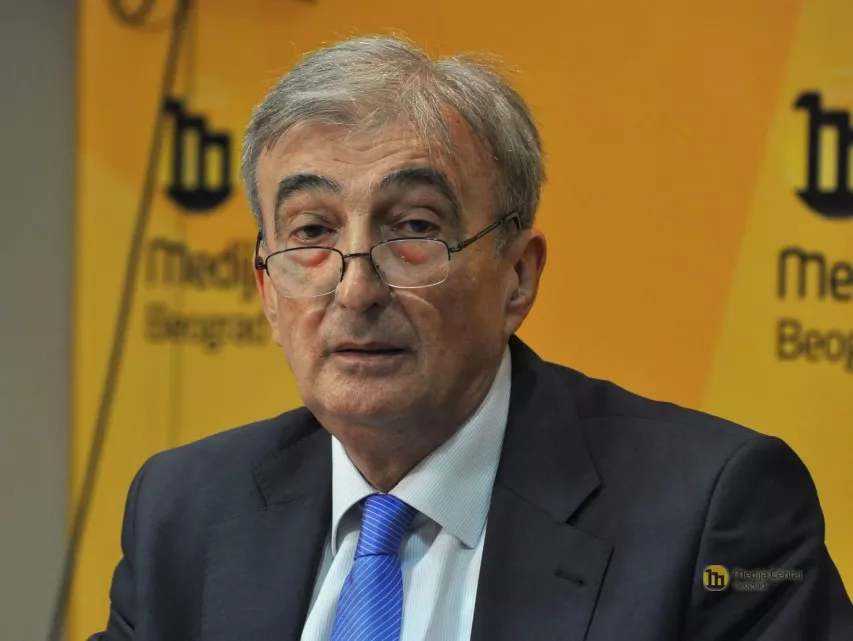
Čedomir Čupić, a full professor at the Faculty of Political Sciences in Belgrade, says in an interview with the Patria agency that he is against using referendums when it comes to sensitive decisions, especially in international relations, because citizens, as he says, in such cases can only make decisions emotionally, but cannot have any reasonable or argument-based insight.
"It is precisely in such situations that those whom the citizens have elected should bear the responsibility," believes Professor Čupić.
He agrees that a referendum is a democratic tool used for making decisions related to the internal life of a country, such as raising certain prices or the status of a minority group, but that citizens cannot decide on major, strategic decisions of that community. He emphasizes that this should be done precisely by those whom the citizens have elected and whom they pay. Politicians who hide behind the people through a referendum, Čupić does not call statesmen, but rather politicos who do not want to bear the risk of their decisions.
"Today you can impose a referendum. Political leaders can deceive people in such a way that citizens confirm in a referendum what they want to implement. If that turns out to be a bad decision, the bad results will certainly be charged to the citizens who voted for such a decision in the referendum," he points out.
The professor of the Faculty of Political Sciences in Belgrade recalls that history has recorded those who were qualified as brave or wise statesmen. In the 20th century, he singles out Churchill or de Gaulle, who, as he says, made important decisions and did not refer them to the citizens. The current political elites in the area of the former Yugoslavia, he believes, show that they do not have that kind of responsibility.
Komentari (0)
Prijavite se za komentiranje
PrijavaJos nema komentara. Budite prvi!
Minuta
Sve →Iz drugih kategorija

High Representative Not Elected: Germans, French and British Sabotaged Americans, New Attempt at End of June

ČOVIĆ WITHOUT MERCY: How Those Who Brought Ademović to Office Created a Political Hell for Him



Sunny Saturday, quite warm



Tragedy in Albanian resort: Two minors drown












